South Korea to add 3.5 GW of solar in 2026; EU installs 33.8 GW in the first half
en.Wedoany.com Reported - South Korea, Romania, Thailand, Africa, Switzerland, Ukraine, France, Italy, the Netherlands, Sri Lanka, the EU, Togo, North Macedonia, Yemen, Liberia, and Lebanon have recently disclosed new plans, new data, and new developments in the solar or energy storage sectors.
The Export-Import Bank of Korea expects South Korea to add 3.5 GW of solar in 2026, up from last year, as the government pushes distributed grid construction to connect more distributed energy resources.
Romania has allocated $754 million for solar and energy storage on public buildings. The new subsidy scheme will cover up to 100% of the costs for public institutions to install solar-plus-storage or add storage to existing PV facilities. A tender worth a total of €650 million will open tomorrow.
Thailand's new energy development plan proposes achieving 50% clean energy within 10 years and adding 10 GW of rooftop solar.
A report by Ember and Africa Tech Futures Lab points out that Africa's solar panel manufacturing output will reach approximately 3.5 GW in 2026, driven mainly by new factories in Egypt and Tanzania, which primarily target exports to the United States.
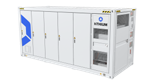
Switzerland's largest battery energy storage facility has begun operating in Gurtnellen, combining 50 MW and 8.4 MW systems developed by Axpo and Energie Uri. The project, supplied by Fluence, will support grid flexibility.
Ukraine's energy system installed capacity has dropped from more than 50 GW to less than 10 GW, but one view holds that Ukraine does not need to restore its old energy system. The author of the related account observed during a trip to Kyiv and Lviv that six air raid alerts occurred on the first day of the trip, backup generators were on almost every corner, and discussions about rapidly rebuilding severely damaged energy infrastructure were still ongoing. This view holds that distributed solar and energy storage are far more than climate technology for Ukraine—they are part of the national security architecture, which also highlights that German solar companies should begin engaging with Ukraine now.
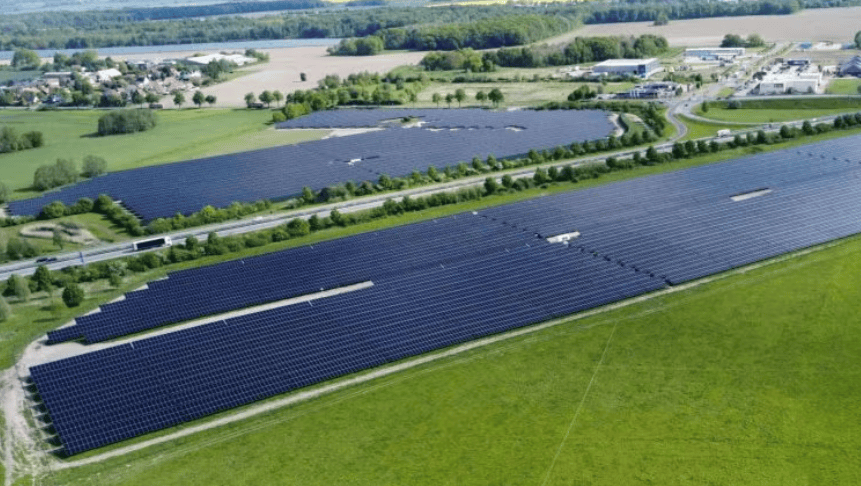
France's cumulative PV installed capacity has reached 34 GW. France connected 3 GW of new solar capacity to the grid in the first half of 2026, slightly above the 2.9 GW deployed in the same period of 2025. Large facilities exceeding 500 kW accounted for 28% of newly connected capacity, despite representing only 0.3% of newly connected installations. Systems below 9 kW dominated installations, accounting for 78% of newly connected installations but only 8% of newly added capacity.
In the summer of 2026, solar growth eased Italy's midday power pressure, but higher demand driven by high temperatures and weak hydropower and wind power meant natural gas filled most of the 7.9 TWh supply gap. The result is more pronounced exposure at night: gas-fired generation surged, with prices rising mainly after sunset, while the more solar-concentrated southern regions increasingly face oversupply at midday and lower capture rates.
Official Dutch statistics show that 1.4 GW of solar was installed in 2025, a larger decline in annual solar installations than previously estimated. Annual deployment is expected to stabilize at about 1.3 GW by 2028.
Sri Lanka has proposed a feed-in tariff that includes battery energy storage systems (BESS), but it faced early criticism within the country's national grid operator, which said the tariffs far exceed prices previously obtained through competitive tenders.
The EU deployed 33.8 GW of solar in the first half. SolarPower Europe expects the EU to install 68.1 GW of solar capacity in 2026, just 2.1% below the record 69.6 GW added in 2025. The outlook has improved since December, but policy uncertainty, reduced support, and grid constraints still pose risks to growth.
Togo is tendering for a solar project to be built north of its capital, Lomé. The expected installed capacity of the plant has not yet been disclosed. The prequalification deadline is September 15.
An analysis by Solar Macedonia points out that both standalone battery projects and co-located battery projects in North Macedonia are beginning to materialize, while recent drought conditions favor the economic viability of solar projects.
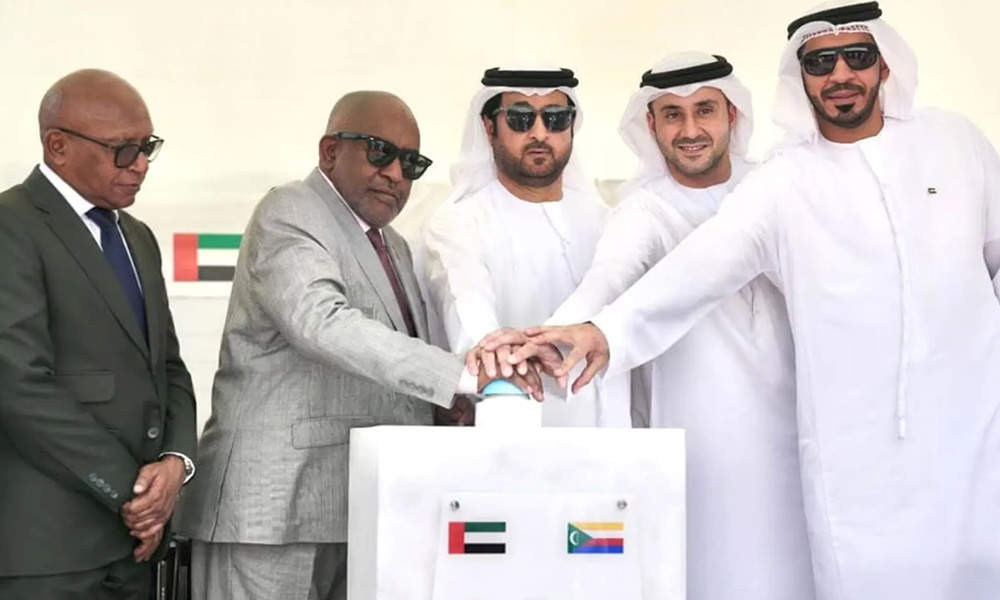
Yemen is using UAE (EAU) funding to expand its largest solar plant in Aden from 120 MW to 240 MW, while a separate 50 MW project plan in Hadhramaut Governorate is also advancing. These projects are part of the country's growing utility-scale solar development portfolio.
Liberia has extended the suspension of import tariffs on off-grid solar products, as the country seeks to stimulate private investment and expand clean energy access.
Lebanon has extended the deadline for its 350 MW solar tender, giving interested investors and developers additional time to submit applications, while all other terms and requirements of the tender remain unchanged.
Related Products

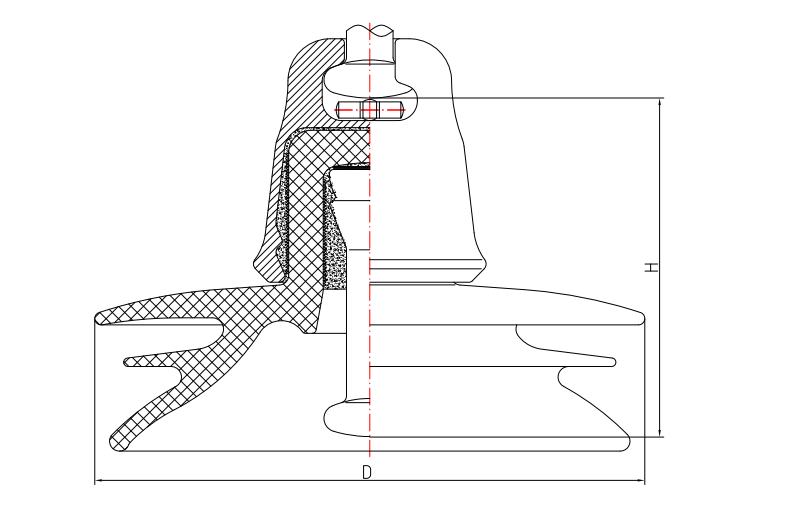
Post-type AC Pollution-resistant Disc Suspension Porcelain Insulator (Triple Umbrella Type)
Shandong High Voltage Insulator Co., Ltd.
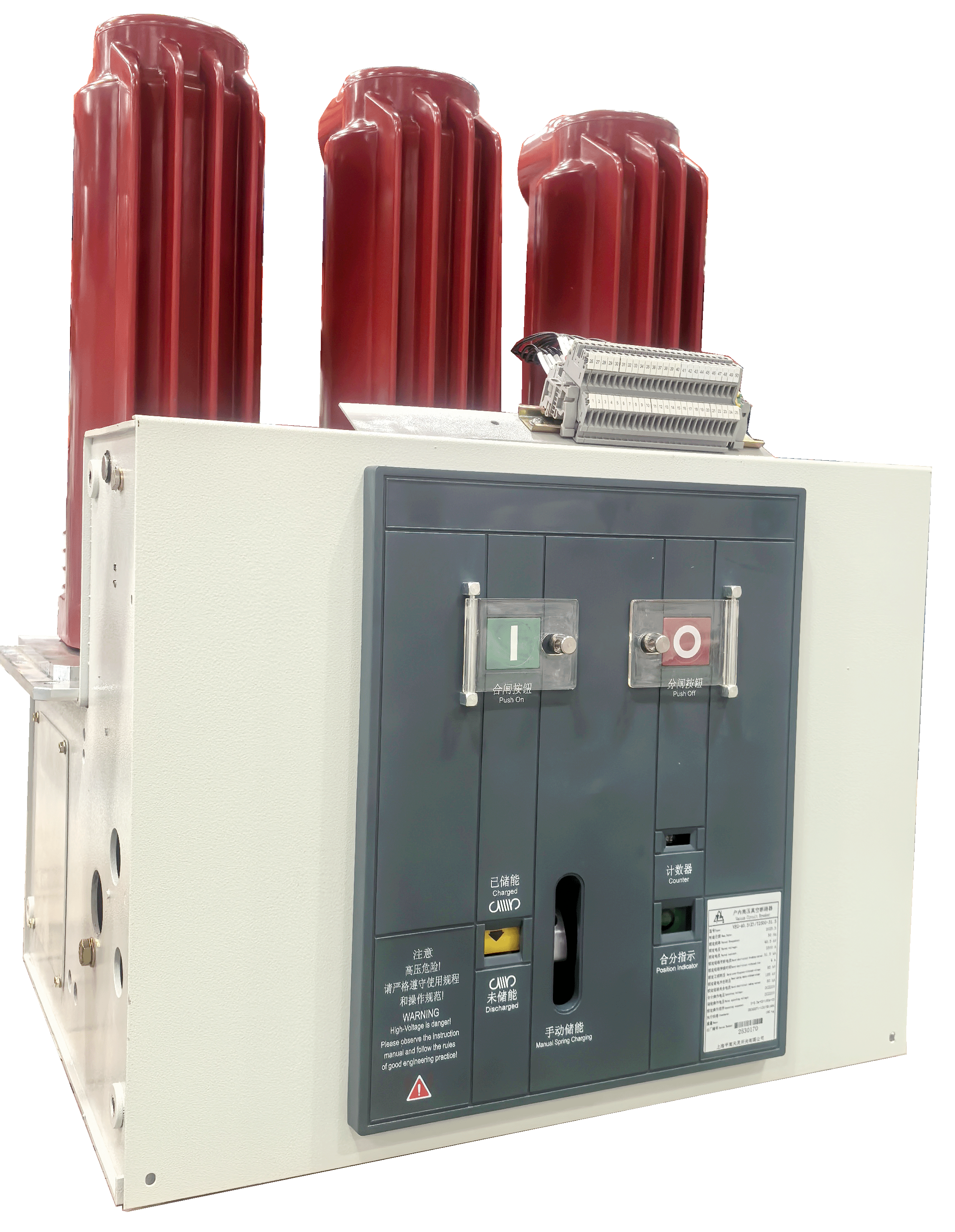
VEG-12/24/40.5 Series Vacuum Circuit Breaker
SHANGHAI PINGGAO TIANLING SWITCHGEAR CO., LTD.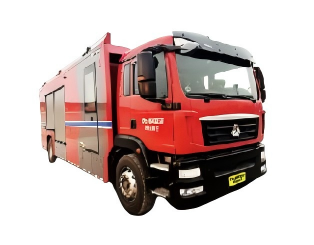
Modular Multifunctional Water Supply and Drainage Vehicle (18T)
Changsha Dewater Machinery Technology Co., Ltd.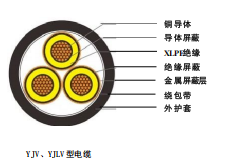
Rated Voltage 6-35kV Cross-linked Polyethylene Insulated Power Cable
TONGDING INTERCONNECTION INFORMATION CO., LTD.
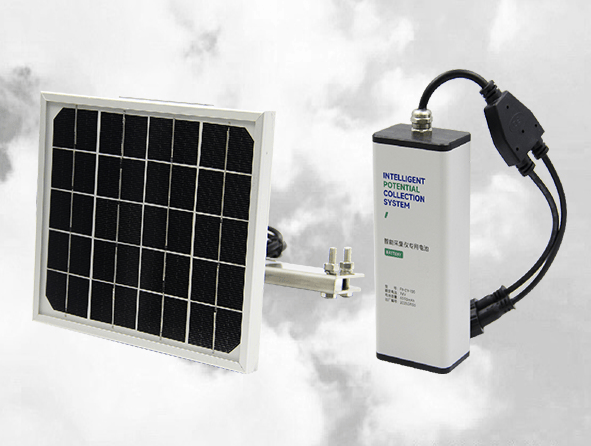
Inductive Power Harvesting Self-Powered Device - Safuneng
SELF ENERGY TECHNOLOGY (SHENZHEN) CO., LTD.