Yale University Develops Plasma System to Convert CO2 into Aviation Fuel Precursors
en.Wedoany.com Reported - Researchers at Yale University have developed a system that combines plasma with electricity to convert carbon dioxide (CO2) into valuable chemicals such as methanol and butane. The findings were published in the journal Nature Catalysis, with the project led by Dr. Lea Winter, assistant professor of chemical and environmental engineering at the university.
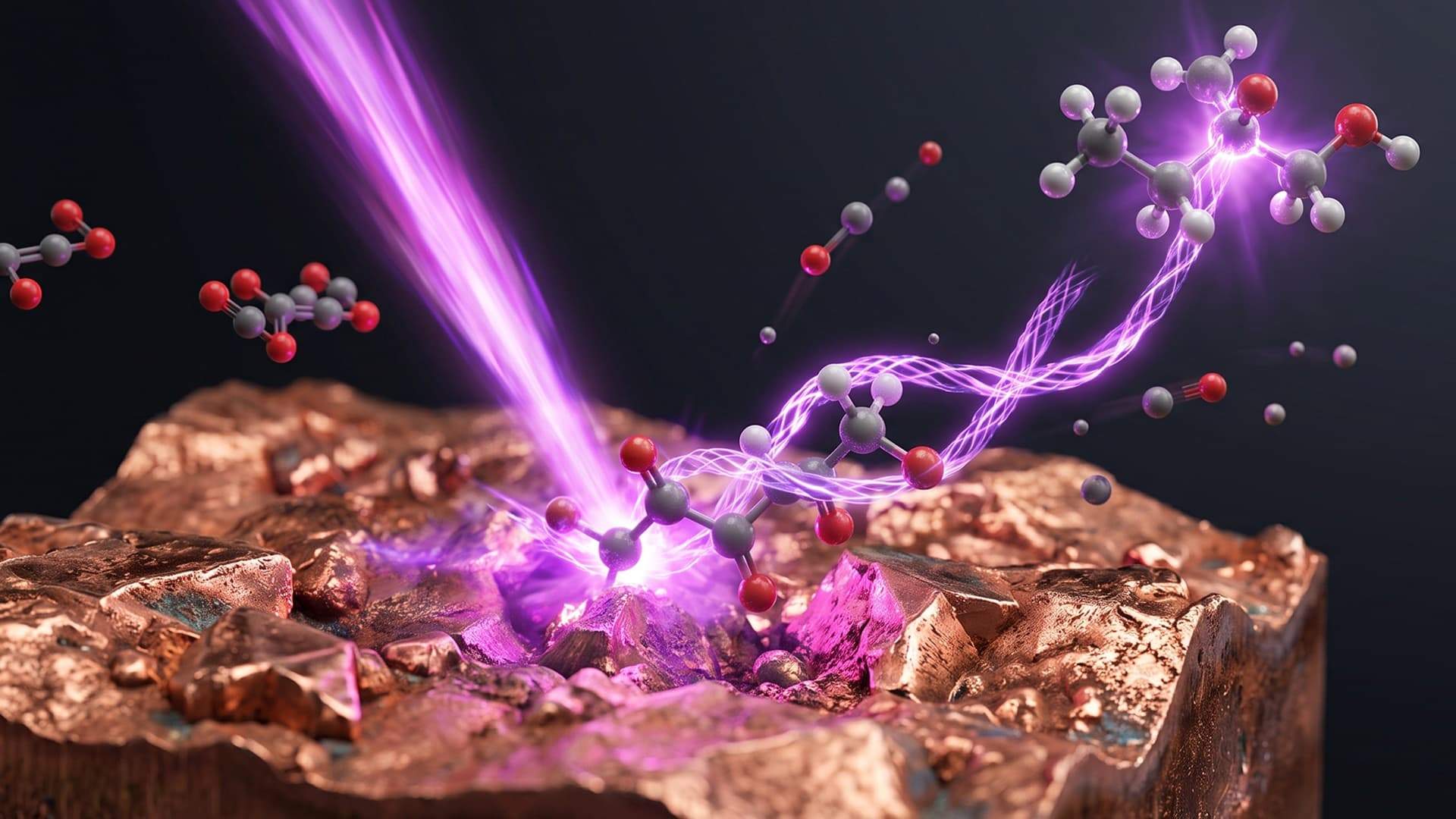
CO2 is abundant, yet it has long been difficult to convert on a large scale into useful products. The reason is that it is a highly stable and inert molecule that is hard to transform without a substantial energy input. Electrocatalysis is seen as a promising pathway: using electricity and catalysts to drive chemical reactions that turn CO2 into other compounds. But electrocatalysis alone typically yields only a relatively limited range of simple carbon products.
Winter's team's approach is to pair electrocatalysis with plasma. Plasma, often called the fourth state of matter after solid, liquid, and gas, is a highly excited gas in which electrons have been stripped from atoms, so it contains charged particles. These high-energy electrons can excite CO2 molecules and weaken their chemical bonds before they reach the electrocatalyst, after which the catalyst uses these activated species to produce different products. Winter said plasma opens up chemical pathways that electrocatalysis alone cannot reach, and the multi-carbon products generated by this method are indeed useful for many chemical industries, and can also produce precursor chemicals for sustainable aviation fuel and be used to make fuels, medicines, solvents, and other chemicals currently made from fossil fuels.
The difficulty lies in the coupling method. Plasma-electrochemical processes typically rely on a water interface, and when plasma activates CO2 gas, water may quench and neutralize the most reactive plasma species before they reach the electrocatalyst. Winter acknowledged that effectively coupling plasma with catalysts and getting plasma-excited species to truly participate in catalytic reactions has always been a challenge.
To this end, scientists proposed a three-phase interface that combines gas-phase, liquid-phase, and solid-phase components while avoiding direct interaction between plasma and water. The system relies on a gas diffusion electrode, a membrane made from the same type of material used in non-stick cookware, with its surface partially coated with a thin layer of copper as the electrocatalyst. Its pores are large enough to allow plasma particles to pass through and reach the electrocatalyst layer, where they meet protons in water, thereby driving chemical reactions.
The researchers say the method has achieved some of the highest yields to date in generating valuable alcohols and three-carbon and four-carbon products, which can be used for liquid fuels, medicines, and other valuable products. The team's next step is to optimize the catalyst and test alternative materials. The system operates at room temperature and ambient pressure, which could make it easier to commercialize. Winter said it is a plug-and-play process that can be turned on or off at will depending on whether electricity is available, and can also run directly on intermittent renewable electricity, so it may be possible to retrofit existing plants rather than build an entire new plant around it.
Related Products
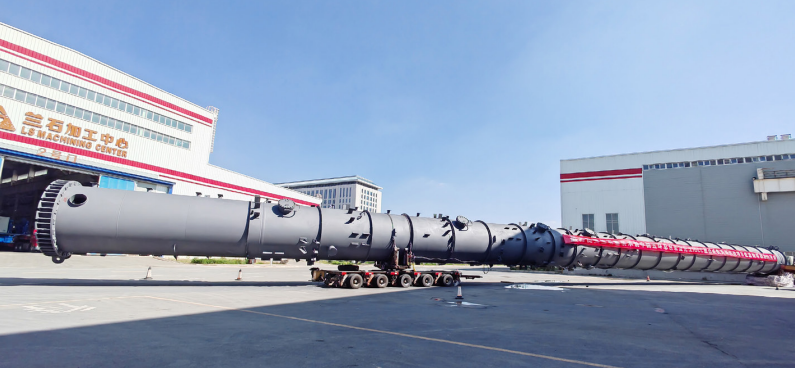

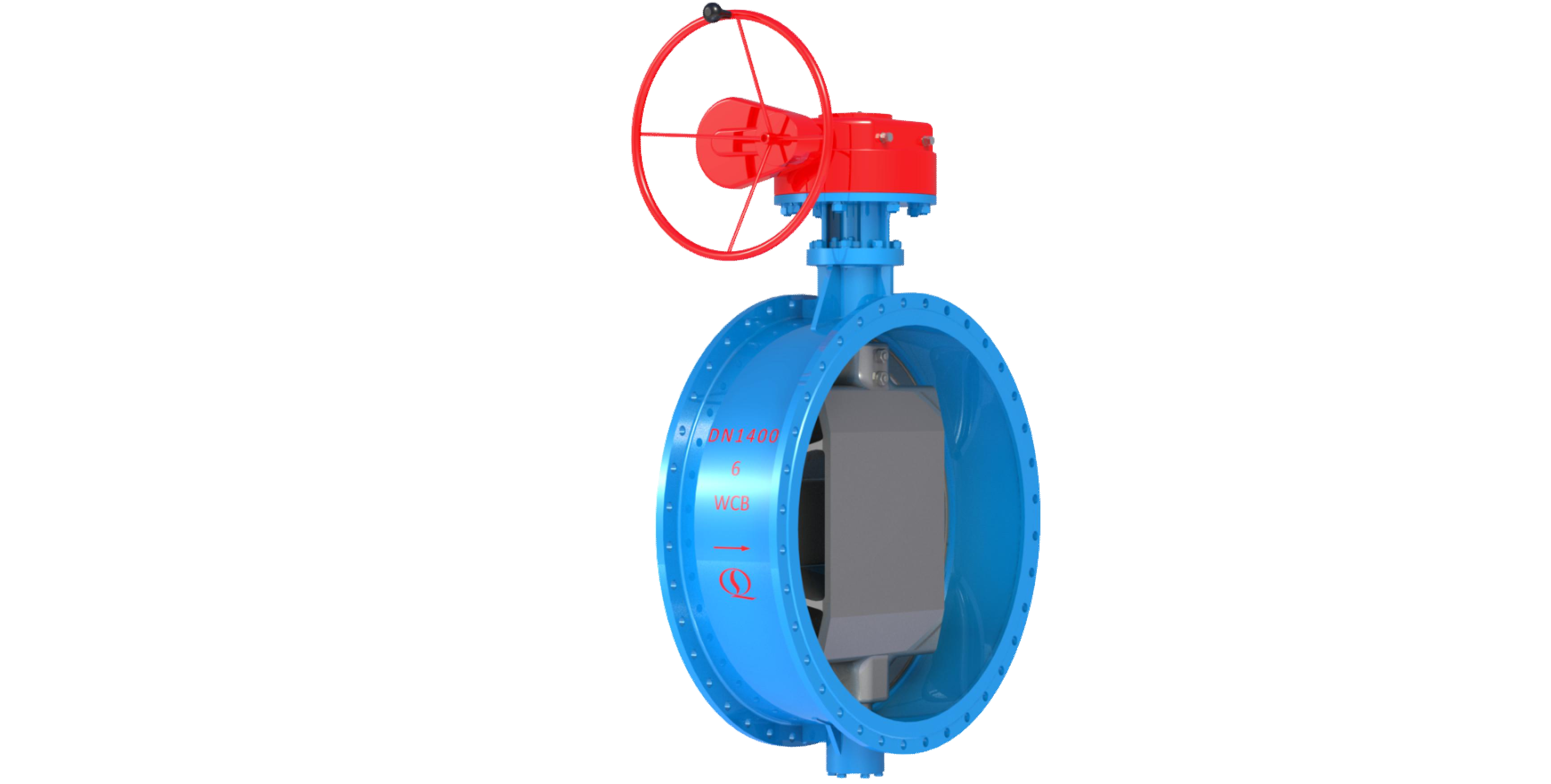
Bidirectional Metal Hard Sealed Seawater Butterfly Valve
Henan Quanshun Flow Control Science & Technology Co., Ltd.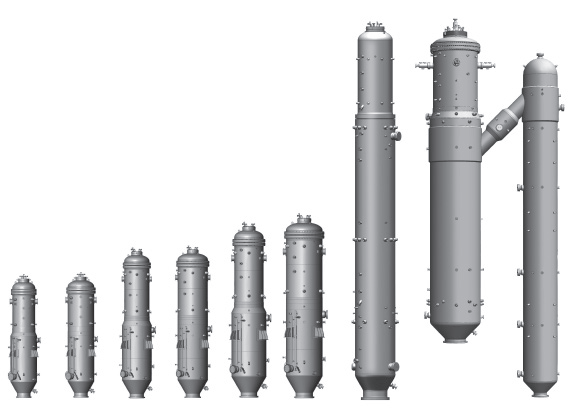
Gasification Furnace Series: Freely Combinable Aerospace Furnace
CHANGZHENG ENGLINEERING CO., LTD.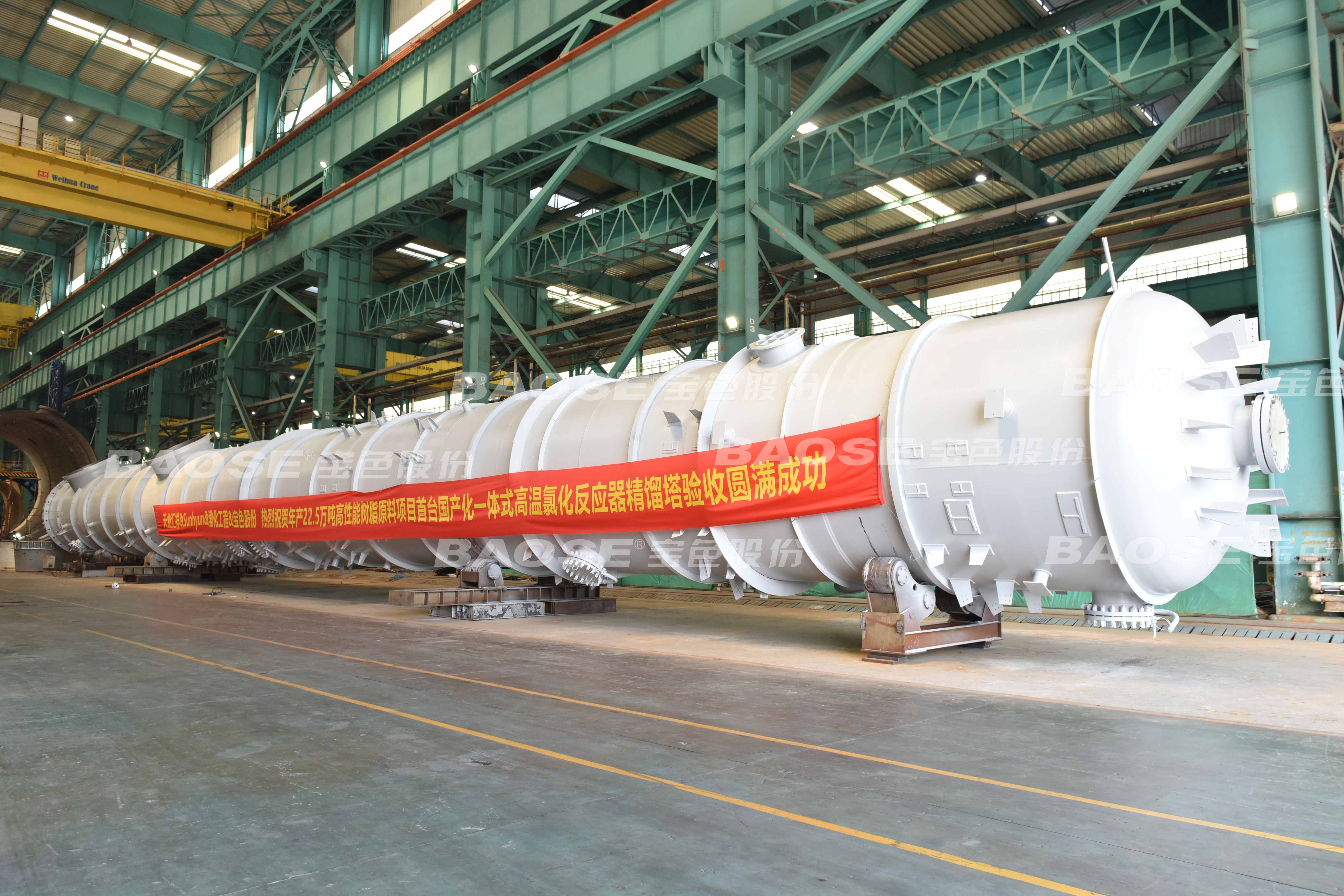
Integrated High-Temperature Chlorination Reactor Rectification Column
Nanjing Baose Co., Ltd.
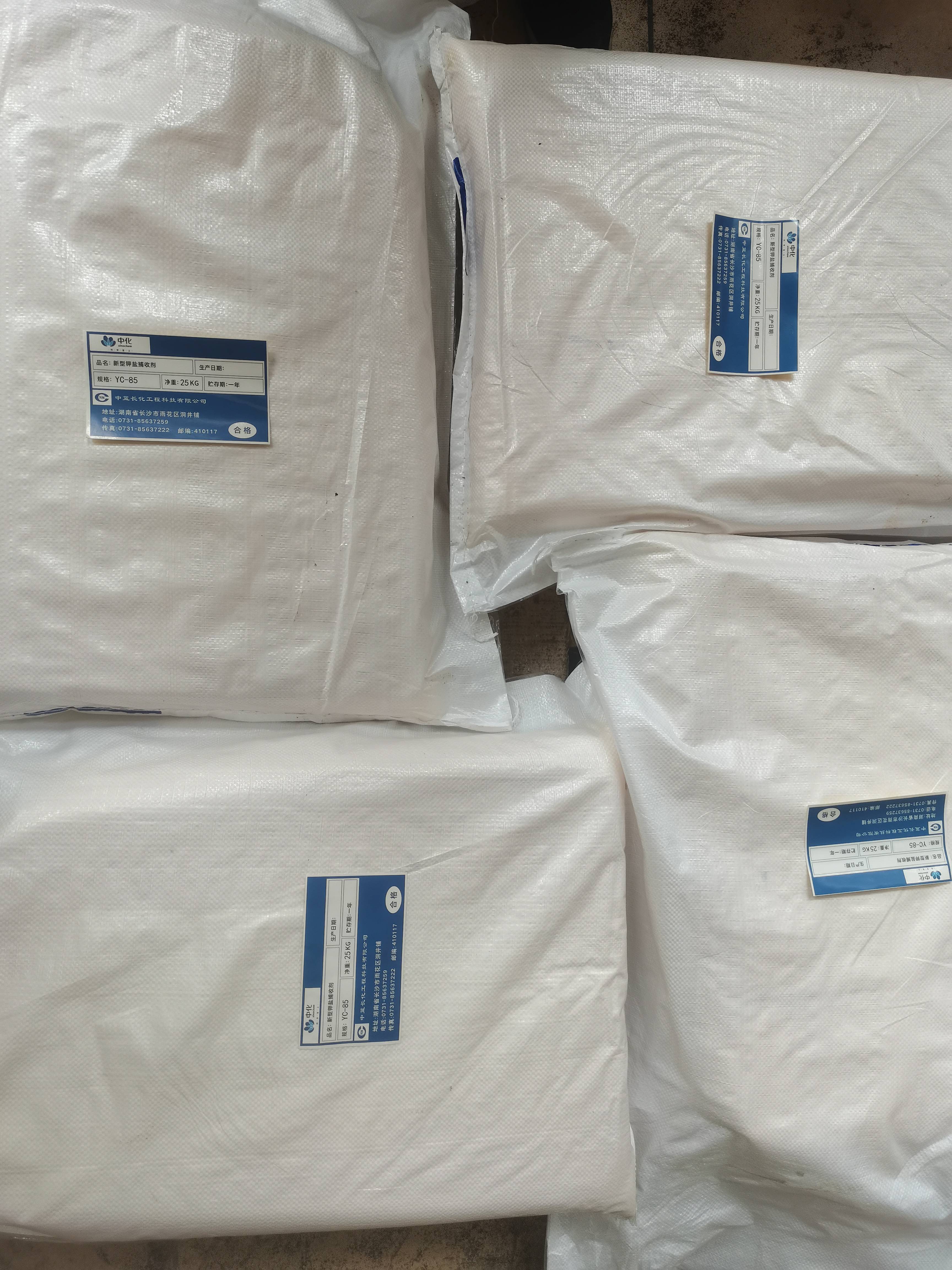
New Environmentally Friendly Green Potassium Salt Collector
Chonfar Engineering and Technology Co., Ltd.
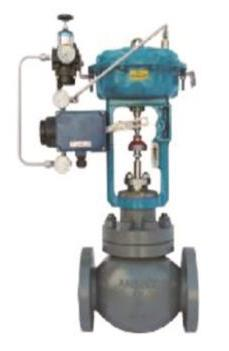
Quick-Change Single-Seat Control Valve / Quick-Change High-Pressure Single-Seat Control Valve
Beijing Consen Automation Technology Co., Ltd.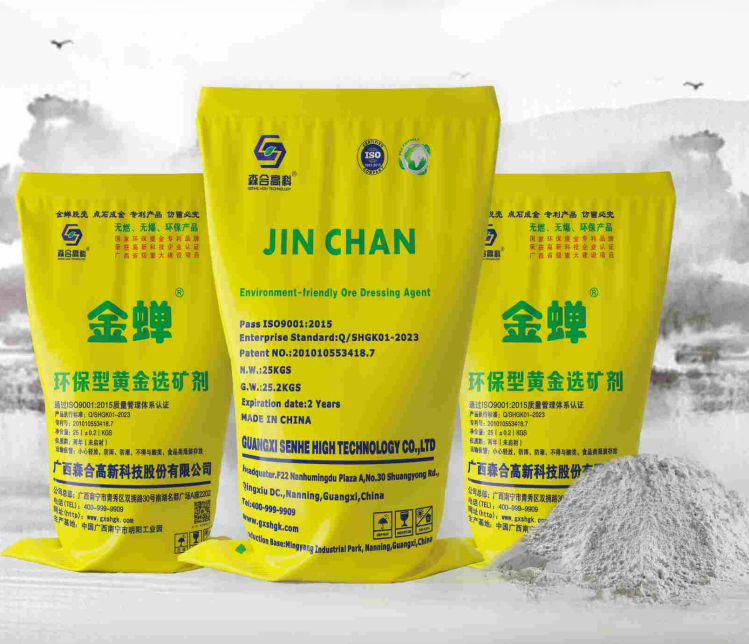
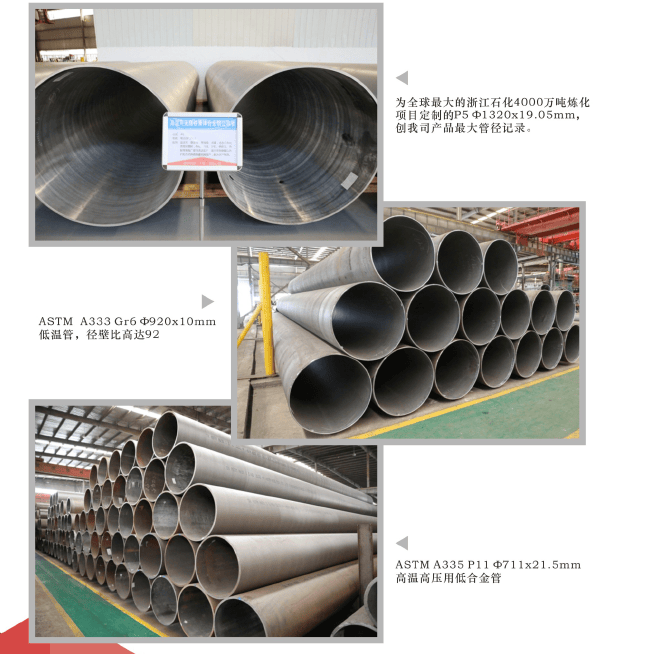
Hongxing Steel Chemical Pressure Vessel Steel Plate
Gansu JISCO Group Hongxing Iron and Steel Co., Ltd.