China's CAS Space Deepens Space Pharmaceutical Cooperation, Lihong-2 Plans Maiden Flight in 2027 with Pharmaceutical Payload
en.Wedoany.com Reported - On September 28, CAS Space announced today that it will carry out joint research and development tackling key problems with the Guangzhou Laboratory around space pharmaceutical payloads, and plans to jointly conduct scenario verification for space pharmaceuticals. The first batch of payloads is planned to be carried aboard the Lihong-2 reusable launch vehicle in the first quarter of 2027 for suborbital flight verification, conducting protein and small-molecule drug crystallization experiments and carrying out preliminary technical verification of space pharmaceutical equipment.
In this cooperation, the Guangzhou Laboratory proposes the scientific questions of drug crystallization and is responsible for experimental protocols, samples, ground controls, and result analysis. Its core cooperation team — the research team led by Researcher Xu Qiang — has long been engaged in research on high-end medical devices, MEMS sensing, and microscopic imaging technologies, translating mature biomedical automation functions and in-situ observation capabilities into payload capabilities. CAS Space is responsible for the space platform, experimental environment assurance, system interfaces, launch and return, and mission organization, with both parties jointly conducting the engineering design of space pharmaceutical payloads.
In terms of equipment development, both parties will focus on improving the automation level of experimental operations and process observation. Taking the full-field cell imager for space biological experiments as an example, the team has carried out miniaturized, lightweight, and low-power designs, and through functions such as autofocus, continuous imaging, and image analysis, enhances the equipment's autonomous operation and data acquisition capabilities. Such technologies can reduce on-orbit resource consumption and provide a foundation for the normalized and large-scale application of space biomedical equipment.
The space microgravity environment facilitates the formation of higher-quality crystals for certain proteins and also provides new experimental conditions for crystal form screening and particle control of small-molecule drugs; at the same time, cells are more likely to form three-dimensional aggregates, which can be used to study disease mechanisms and drug responses. However, for space pharmaceuticals to move toward industrialization, issues such as cost, reproducible verification of experimental results, and stable product quality still need to be resolved.
In response, CAS Space's solution is to front-load the integrity requirements of innovative drug samples into the overall design — establishing a unique identity marker and full-process status records at the sample end, strengthening sealing, contamination prevention, temperature maintenance, and shock absorption and buffering at the payload end, monitoring key environmental parameters in real time during the return process, and executing rapid controlled transfer after landing, ensuring the "space-ground consistency" of samples with complete data. It is necessary not only to "send biomedical payloads into space," but also to establish a complete system covering "upward transportation — space experiments — safe return — ground delivery," and to support rapid payload swapping, repeated flights, and multi-user compatibility with standardized payload interfaces, enabling research institutions and pharmaceutical companies to access the space environment with lower barriers.
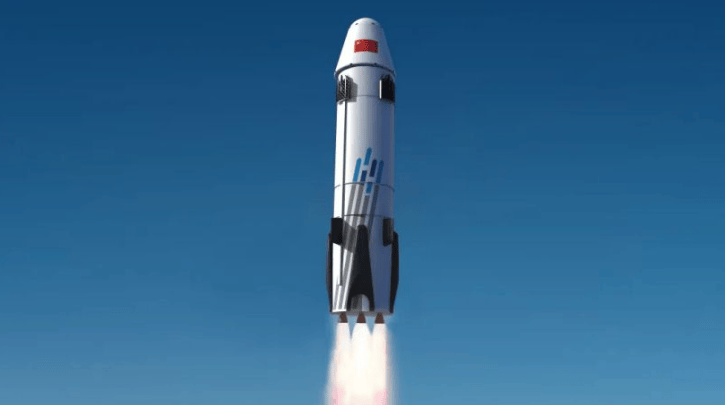
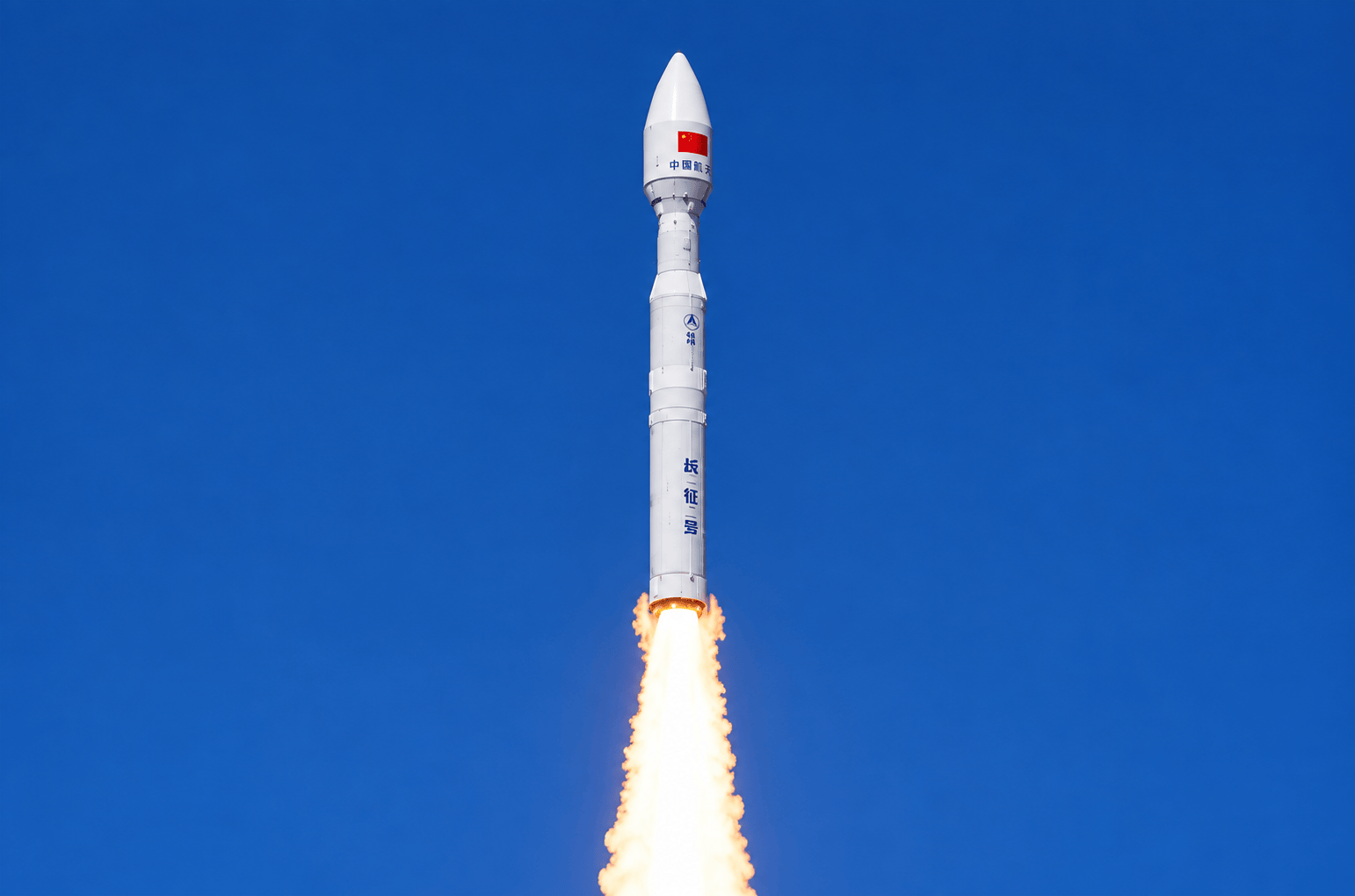
▲ Lihong-2 Reusable Launch Vehicle (Cargo Version)
The Lihong-1 launch vehicle completed its suborbital mission and the recovery of its returnable payload cabin in January this year, achieving results including China's first use of space metal 3D printing to manufacture metal components; the Lihong-2 reusable launch vehicle will make its maiden flight in the first quarter of 2027, carrying space pharmaceutical payloads; in 2028, the Lihong-3 reusable spacecraft will complete its maiden flight, providing a microgravity environment for at least 300 kilograms of space manufacturing payloads for up to 1 year, becoming a key carrier for the batch-scale and industrialization of on-orbit manufacturing.
To cultivate interdisciplinary talent in the field of space biomedicine, CAS Space and the Guangzhou Laboratory have established a joint working group, organizing space platform and payload engineering personnel, advanced biomedical equipment R&D personnel, as well as drug development, crystallization experiment, and testing and analysis personnel for centralized collaboration, accelerating the iteration of payloads and experimental protocols. At the same time, both parties have launched an interdisciplinary postdoctoral training program, cultivating composite research talent who understand both biomedicine and aerospace engineering.
Related Products


Industrial and Commercial Point-Type Gas Detector
Jinan Benan Technology Development Co., Ltd.

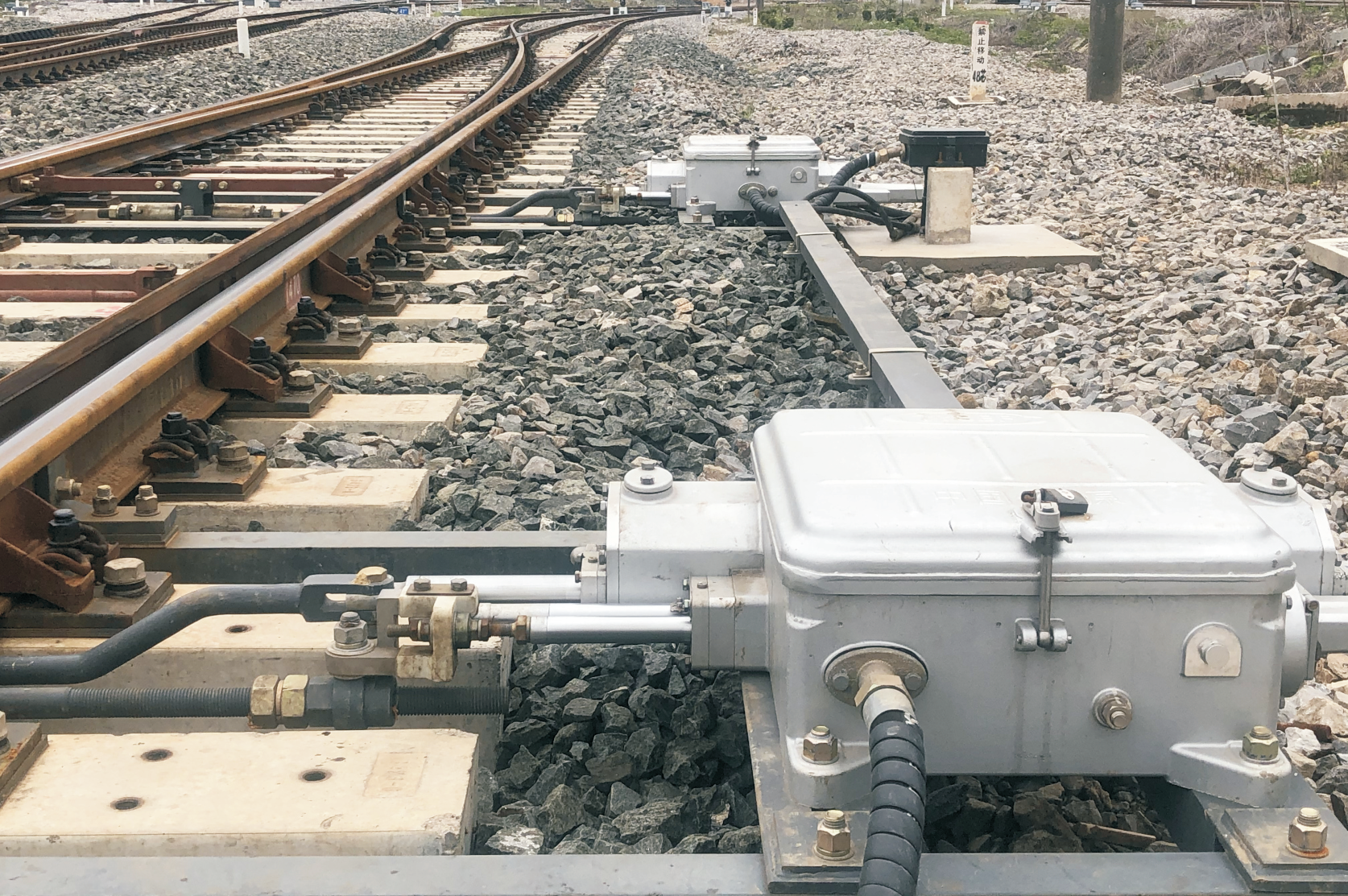
ZY(J)7(M) Sealed Type Electro-Hydraulic Turnout Machine
TAIYUAN CR JINGFENG EQUIPMENT TECHNOLOGY CO., LTD.
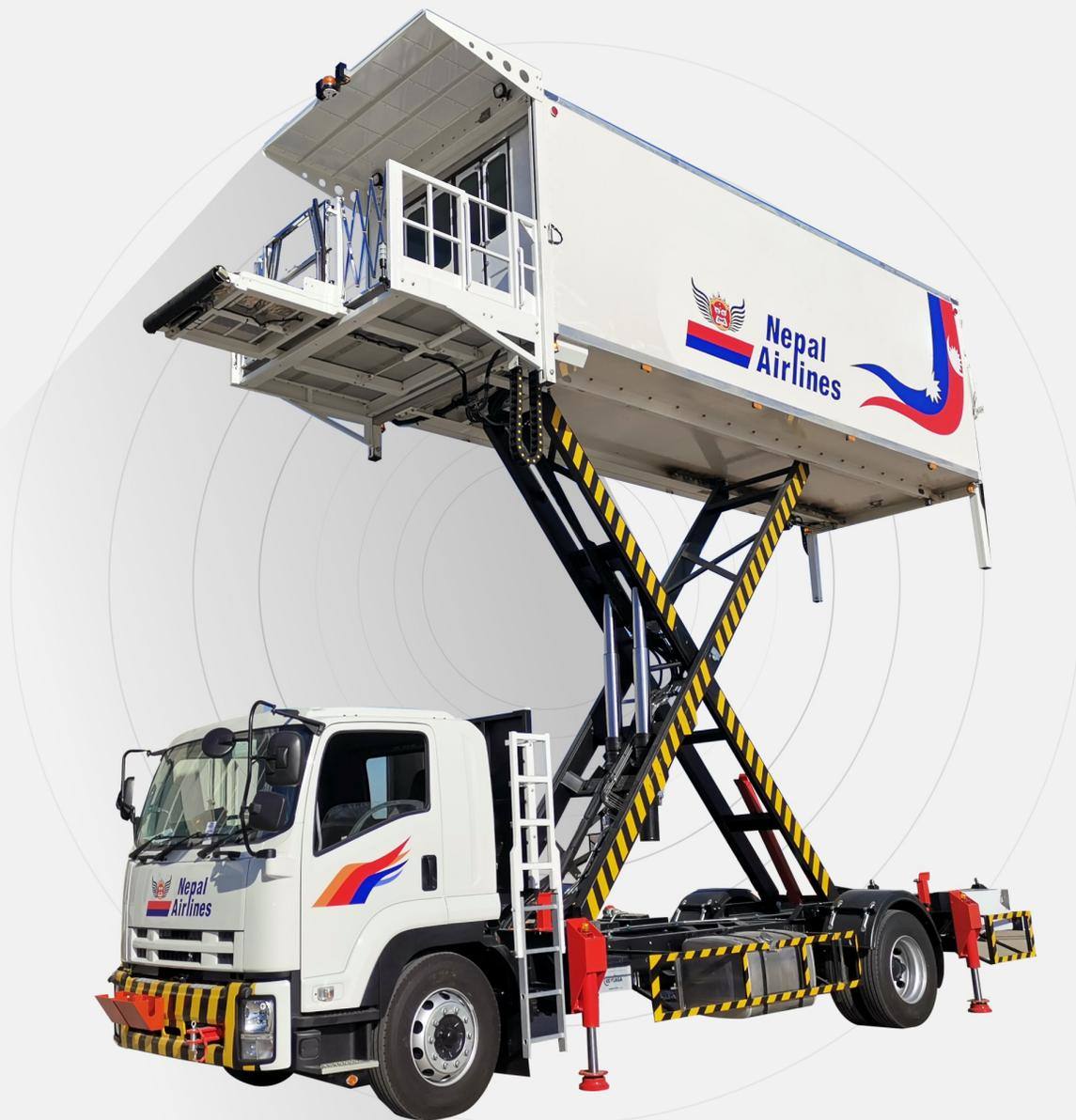
XC-6000e Type Aviation Catering Truck (Fuel Type)
Shenzhen CIMC-TianDa Airport Support Ltd.

"Shunyi 1600" Deep-submerging Bottom-sitting Multi-functional Wind Power Engineering Vessel
Zhengli Offshore Engineering Co., Ltd.