2.9 km Mineralized Zone Discovered by Drilling at Erongo Uranium Project, Namibia
en.Wedoany.com Reported - On October 12, UK-based Arkle Resources announced the first-phase drilling assay results for the Erongo uranium project in Namibia, confirming 12 uranium-mineralized intervals along a 2.9 km strike within the Paleo East paleochannel target area under exploration license EPL 8995. Among them, drill hole R057 intersected 6 m of mineralization from the surface, with an average grade of 102 ppm triuranium octoxide (U₃O₈) and a maximum grade of 262 ppm. All reported mineralized intervals begin within 5 m below the surface.
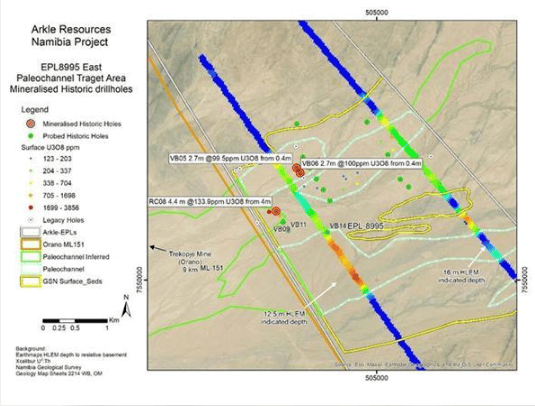
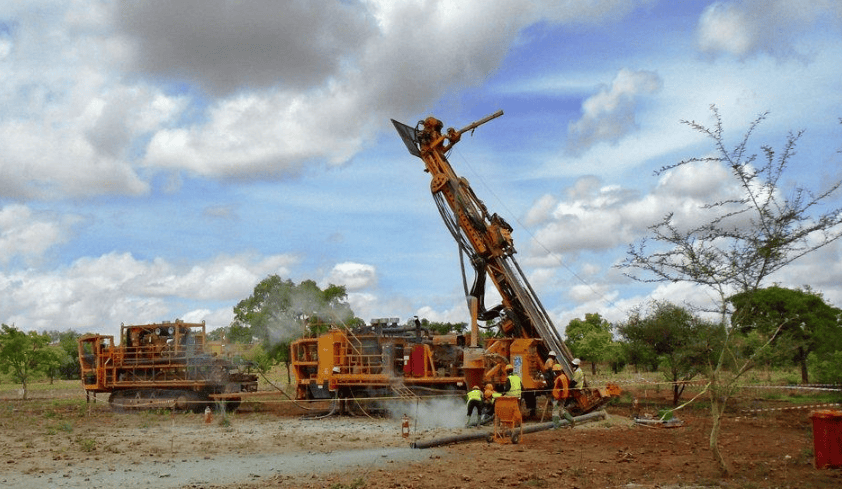
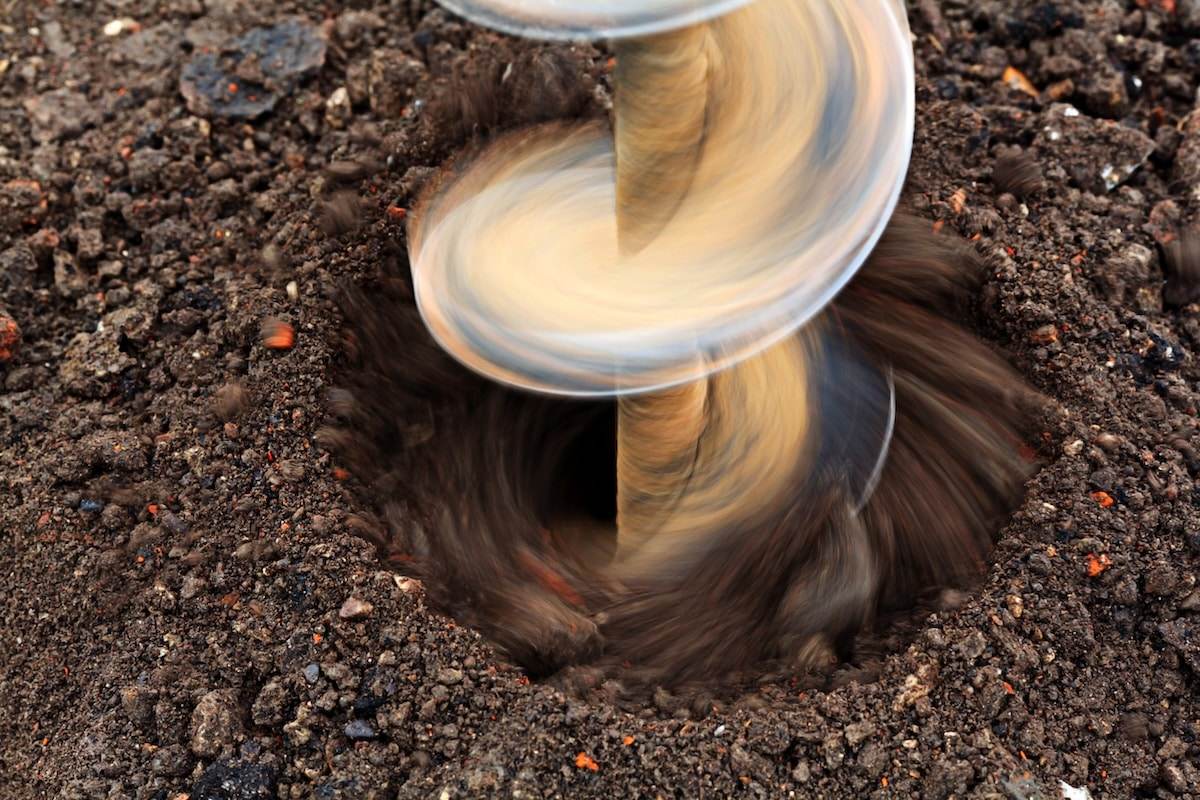
This round of paleochannel exploration completed a total of 78 vertical reverse circulation drill holes, with cumulative drilling of 1,558 m. Among them, 66 holes totaling 1,390 m were drilled in the Paleo East target area, and 12 holes totaling 168 m were drilled in the Paleo West target area. All drill holes were less than 30 m deep, mainly used to investigate the thickness of paleochannel sediments, basement geological structure, and near-surface uranium mineralization distribution. The drilling was completed at the end of July, and the laboratory assay results were officially disclosed in this announcement.
Six of the 10 drilling sections in the Paleo East target area confirmed uranium mineralization, and uranium-bearing intervals were also obtained in another 4 extension drill holes. Drill hole R003 intersected 3 m of mineralization below a depth of 3 m, with an average grade of 99 ppm; drill hole R053 intersected 5 m of mineralization from the surface, with an average grade of 72 ppm. Field geological records also identified carnotite in 8 drill holes. The highest grade among assayed samples in the Paleo West target area was 31 ppm, which did not reach the 40 ppm lower cutoff for reporting mineralized intervals in this program.
Arkle Resources submitted a total of 206 paleochannel drilling samples for laboratory analysis, of which 185 were from Paleo East and 21 from Paleo West. Testing used inductively coupled plasma mass spectrometry, with samples prepared in Windhoek, Namibia, and multi-element analysis completed by Activation Laboratories in Canada. The company also submitted 23 quality control samples, including duplicates, blanks, and certified reference materials.
The inferred total length of the Paleo East paleochannel is approximately 12.7 km, and about 23% of the segment has been verified by drilling so far. The company plans to recalibrate the horizontal loop electromagnetic survey data, design infill drill holes for the confirmed mineralized segments, and continue testing the remaining approximately 9.8 km of the paleochannel. Assay results for the uranium-bearing leucogranite (ULG) target located about 12 km to the west-southwest are expected to be announced subsequently.
Related Products


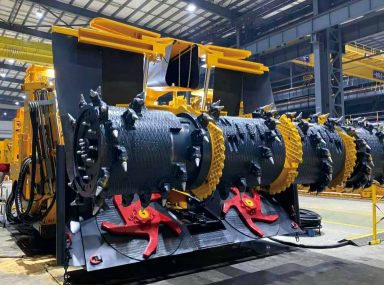
Integrated Excavation and Anchoring Machine (EJM Series)
China Railway Construction Heavy Industry Corporation Limited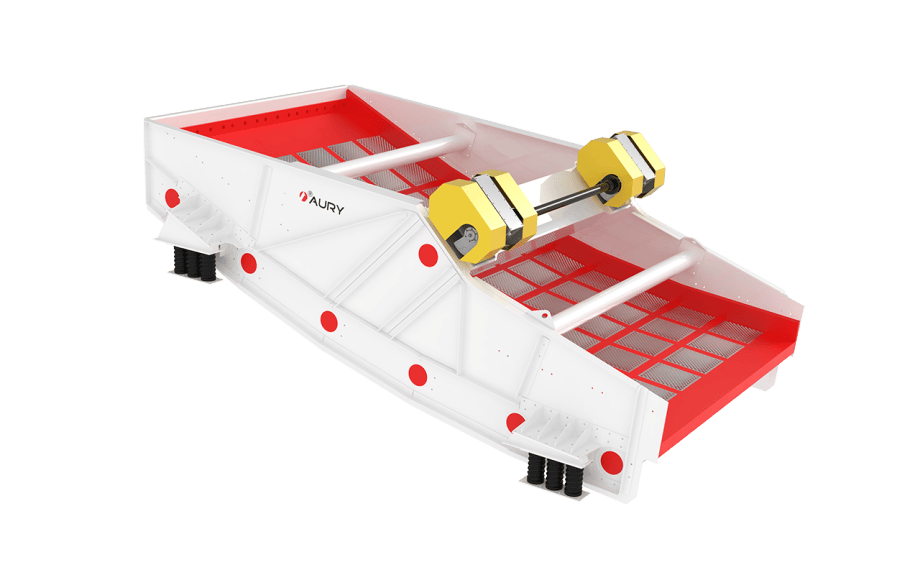
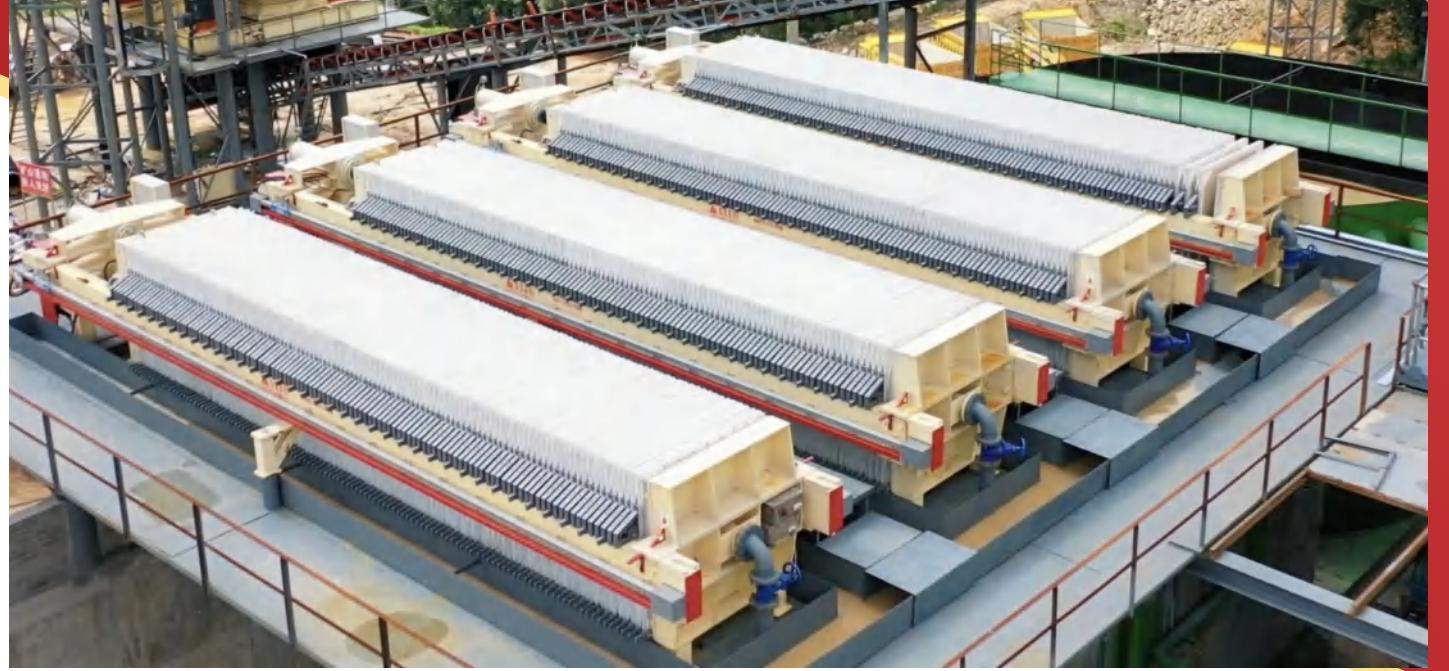
Hydraulic Plate and Frame Filter Press
Guangdong Leimeng Intelligent Equipment Group Co., Ltd.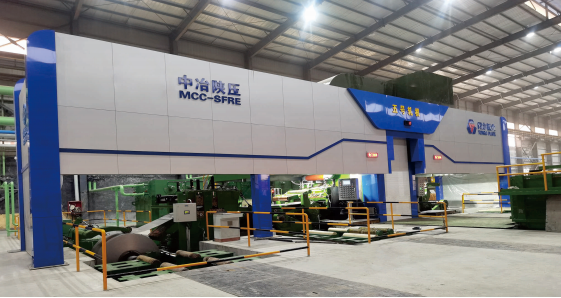
1050-1750mm Steel Strip Single-stand Reversible Cold Rolling Production Line
MCC-SFRE HEAVY INDUSTRY EQUIPMENT CO., LTD.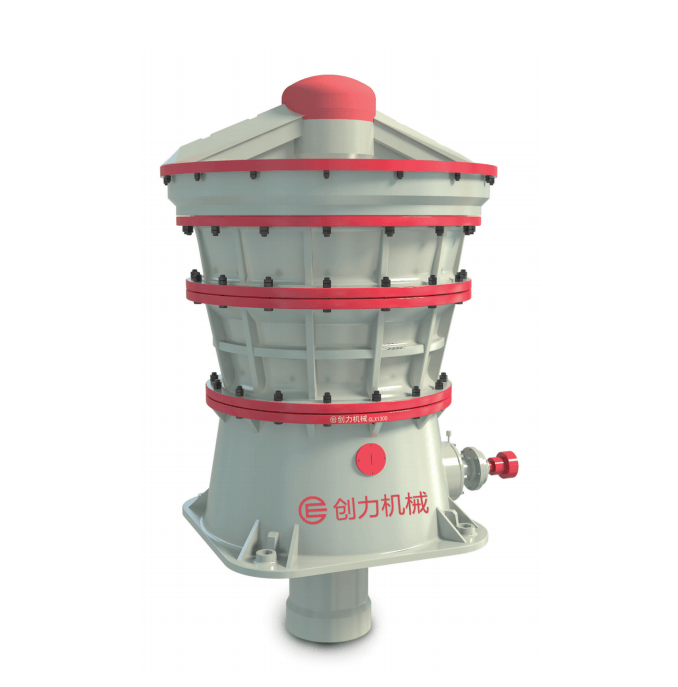
CLX Series Intelligent Hydraulic Gyratory Crusher
Guangdong CHUANGLI intelligent machinery Equipment Co., LTD
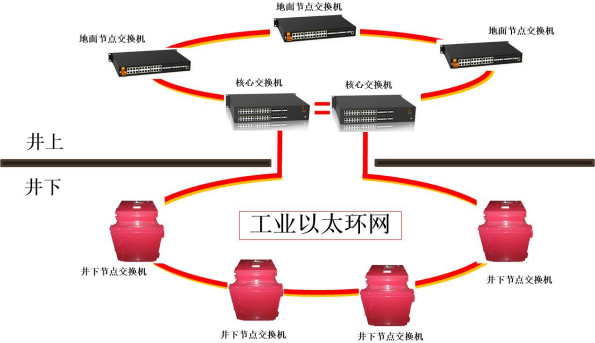
Mine Explosion-proof and Intrinsically Safe Industrial Ethernet Ring Network (10 Gigabit/Gigabit)
Chongqing Mas Sci&Tech Co., Ltd.
Yunnan Phosphorus Chemical Group Co., Ltd. 2 Million t/a Phosphorus Ore Mining and Beneficiation Project
China Bluestar Lehigh Engineering Corporation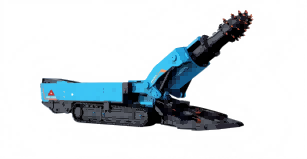
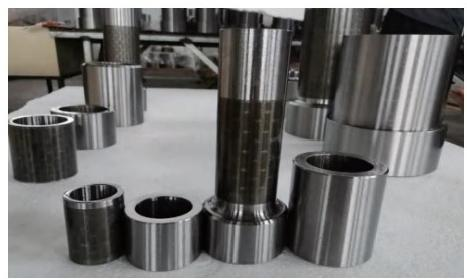
High-temperature Equal Wall Thickness High-power Screw Drilling Tool
Orient Energy & Technologies Co., Ltd.