UK Parliament Warns of £40.5–47.7 Billion Cost Risks at Sizewell C Nuclear Power Station
en.Wedoany.com Reported - On 28 October, the UK House of Commons Public Accounts Committee (PAC) published an investment review report on the Sizewell C nuclear power station, projecting construction costs of £40.5 billion to £47.7 billion and a completion timeframe of 2039 to 2043. The Committee warned that the current financing arrangements leave taxpayers and electricity consumers bearing most of the construction and cost-overrun risks, while private investors can still obtain relatively high returns while bearing comparatively limited risk. It called on the government to strengthen cost oversight and financial disclosure for the project.
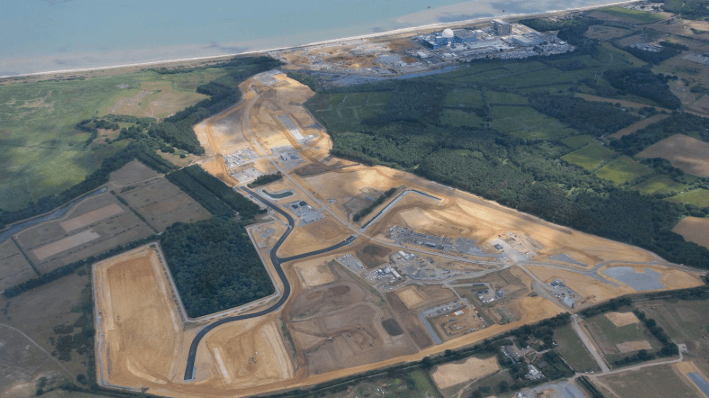
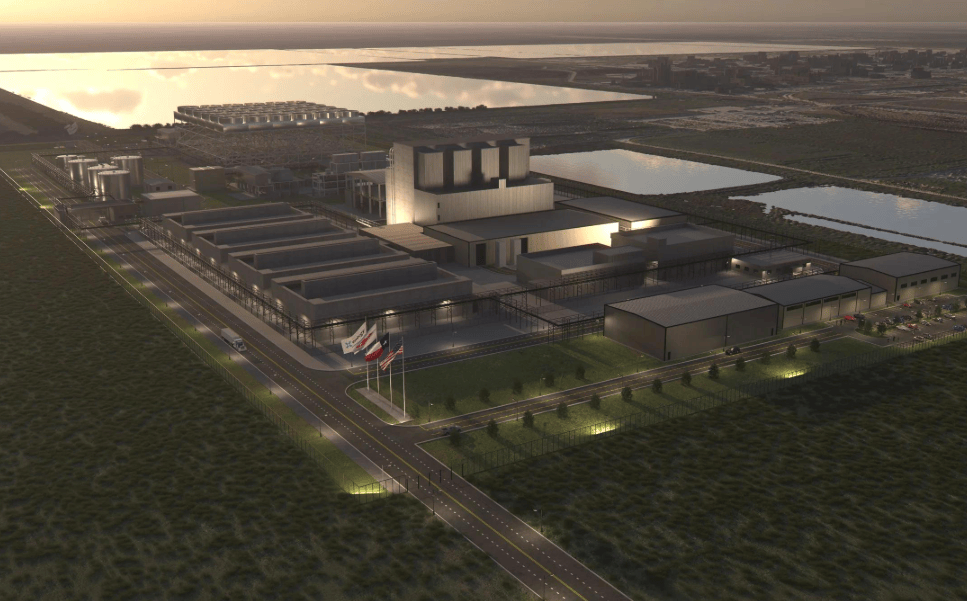
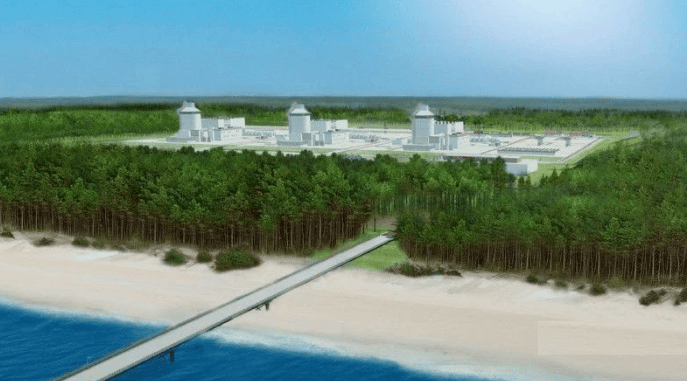
Sizewell C is located in Suffolk, England, and is planned to comprise two European Pressurized Reactors (EPRs) with a total installed capacity of 3.2 GW. The report identifies £40.5 billion as the lower regulatory cost threshold and £47.7 billion as the higher regulatory cost threshold. The UK Department for Energy Security and Net Zero plans to adopt a mature design approximately 85% identical to that of Hinkley Point C and to use existing engineering teams and supply chains to control construction risk. The Committee noted that previous construction projects involving the same reactor type in France, Finland, China and the UK have all experienced varying degrees of schedule delay or cost overrun.
According to the report's estimates, if project costs rise from £40.5 billion to £47.7 billion, electricity consumers would bear an additional £9.8 billion during construction and a further £12 billion over the plant's expected 60-year operating period. Under the same scenario, private investors would be required to contribute only about £30 million in additional cash. These amounts are financial estimates under a specific cost-escalation scenario and are not actual expenditures that have already occurred.
The project's financing arrangements include up to £37 billion in debt financing through the UK National Wealth Fund and £5 billion in commercial loans guaranteed by the French export credit agency. The UK government has also established a liquidity support loan of up to £8 billion and a project termination compensation arrangement of up to £70 billion under specified conditions. The Committee considers that these financing and risk-protection measures, while supporting project construction, have also expanded the public sector's potential financial exposure.
The report notes that under the lower-cost scenario, private investors are expected to achieve annual returns of 12% to 13%; when costs rise to £47.7 billion, expected returns remain at 10.8% to 11.4%. The UK government currently holds a 44.9% equity stake in the Sizewell C project company, with private investors holding the majority stake. The Committee questioned whether the government, while providing the main financing and bearing significant risk, can adequately control project costs through the existing shareholder governance mechanisms.
Sizewell C's nuclear decommissioning funding arrangements were also included in the review. The project company plans to gradually accumulate a decommissioning fund over the operating period, with expected nominal contributions of £5.1 billion to £5.8 billion, and to cover subsequent decommissioning expenditures through fund investment returns. If decommissioning costs rise during operation or fund investment performance falls short of expectations, electricity consumers may bear additional costs; if a funding shortfall remains after the plant ceases operation, it may be borne by UK taxpayers.
The report also assessed the project's economic impact on the UK domestic supply chain. Independent analysis estimates that the Sizewell C construction period could create approximately £26.6 billion in added value for the UK economy, of which about £4 billion relates to Suffolk and the East of England. The project proposes to direct 70% of construction expenditure to the UK domestic supply chain, with an estimated 17,000 direct and indirect jobs at peak construction. The Committee required the government to clarify oversight measures for achieving local procurement, employment and industrial capability-building objectives.
In response to cost and schedule risks, the Public Accounts Committee required the Sizewell C project company to submit a risk analysis of different cost and schedule scenarios within three months of the report's publication. The project company and the UK Department for Energy Security and Net Zero should also submit progress reports to Parliament every six months, covering actual and forecast costs, key engineering milestones, consumer electricity bill burdens, expected investor returns and changes in public sector risk, and publish the relevant underlying data in machine-readable format. If major design changes occur or the original cost and schedule forecasts are no longer reliable, the relevant bodies should report to the Committee in a timely manner.