Slovak Railway Passenger Company Plans to Purchase 6 Battery-Electric Locomotives
en.Wedoany.com Reported - On November 5, the Slovak Railway Passenger Company (ZSSK) announced a procurement plan for 6 battery-electric dual-power shunting locomotives, with an estimated investment of EUR 43.9 million (including VAT) and a per-unit budget of approximately EUR 7.3 million. The new locomotives will be deployed in the Bratislava Region and the Žilina Region, with 3 units allocated to each, primarily undertaking station shunting, passenger train marshalling, vehicle transfer, and emergency incident response on lines, with implementation scheduled for completion by the end of 2030. The procurement aims to renew the aging auxiliary operation locomotives and to prepare for the implementation of ETCS-only operation on some main railway lines in 2031.
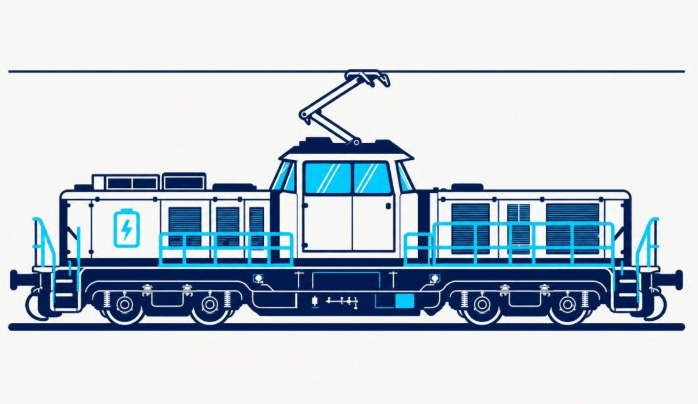
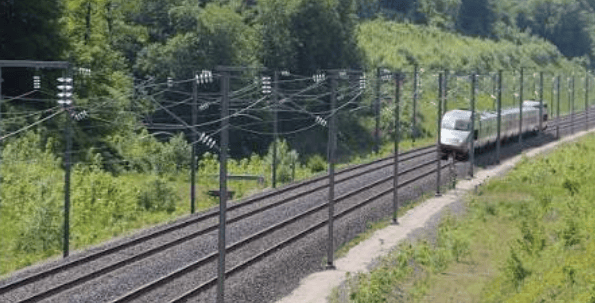
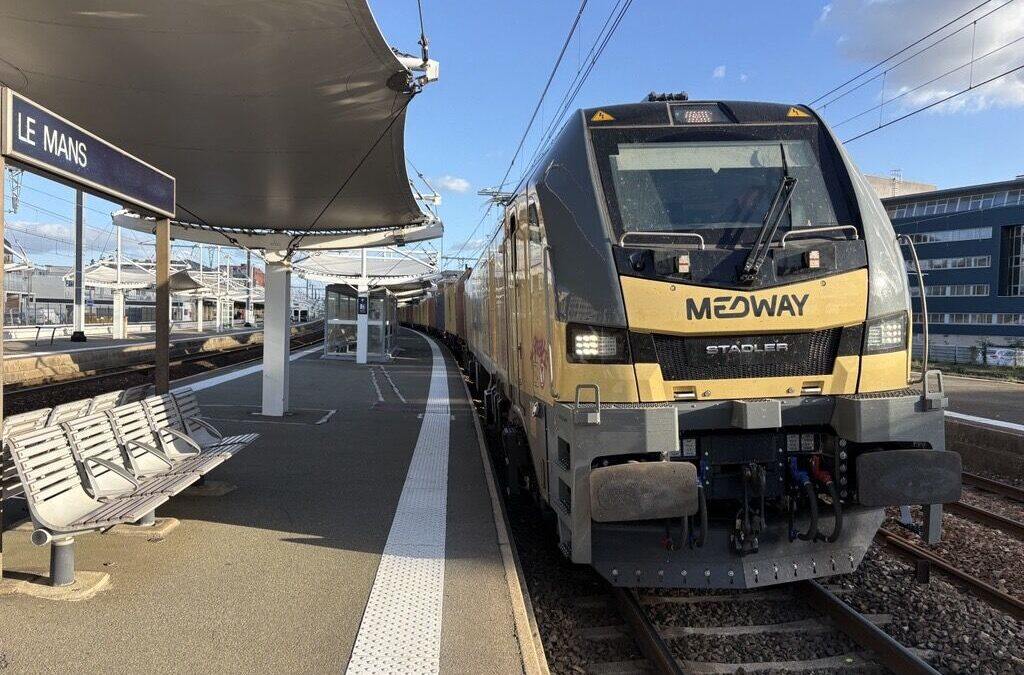
The new locomotives adopt a dual-power configuration combining catenary power supply and battery drive, using catenary power on electrified lines and relying on onboard batteries in sections without catenary. The locomotives will also be equipped with the European Train Control System (ETCS), enabling them to perform shunting and auxiliary traction tasks on relevant lines and reducing the use of conventional diesel locomotives on electrified railway sections.
The procurement plan allocates 3 locomotives each to the Bratislava Region and the Žilina Region. Specific tasks include marshalling trains composed of multiple passenger cars within stations, transferring vehicles to platforms, hauling trains to maintenance and cleaning facilities, and providing auxiliary traction services during railway operational disruptions or emergencies.
According to the country's railway transport safety action plan, starting from 2031, ETCS-only operation will be implemented on lines including Bratislava–Žilina and Žilina–Čadca–the Slovak-Czech border. Currently, none of the locomotives used by ZSSK for auxiliary operations are equipped with this system, necessitating vehicle renewal to ensure that shunting operations on relevant lines and at stations can continue.
The aging of the existing fleet is another reason for this procurement. ZSSK currently has 45 auxiliary operation locomotives, but actual normal operations require approximately 24; the existing locomotives have an average age of over 40 years, with some having been in service for more than 60 years. After the new locomotives are put into operation, the company plans to gradually retire 8 old locomotives through fleet redeployment, including 2 Class 210 electric locomotives and 6 Class 721 diesel locomotives.
An investment assessment report published in October 2026 by the value assessment department of the Slovak Ministry of Finance compared two options: diesel-electric and battery-electric. The report concluded that diesel-electric locomotives have procurement costs approximately 15% to 20% lower than battery-electric locomotives, but operating expenses approximately 11% to 18% higher. Since a large number of auxiliary operation tasks occur on already electrified lines, locomotives using catenary power supply and battery drive can reduce diesel consumption and related emissions; therefore, the assessment department recommends prioritizing the battery-electric option.
The procurement plan is intended to be funded through Slovakia's 2021–2027 special fund program, with implementation expected to be completed by the end of 2030. The Ministry of Finance assessment department also recommends that ZSSK further study the economic viability of purchasing an additional seventh locomotive as a backup vehicle, to avoid relying again on diesel locomotives for certain non-electrified section tasks when new locomotives experience failures or are out of service.
Related Products


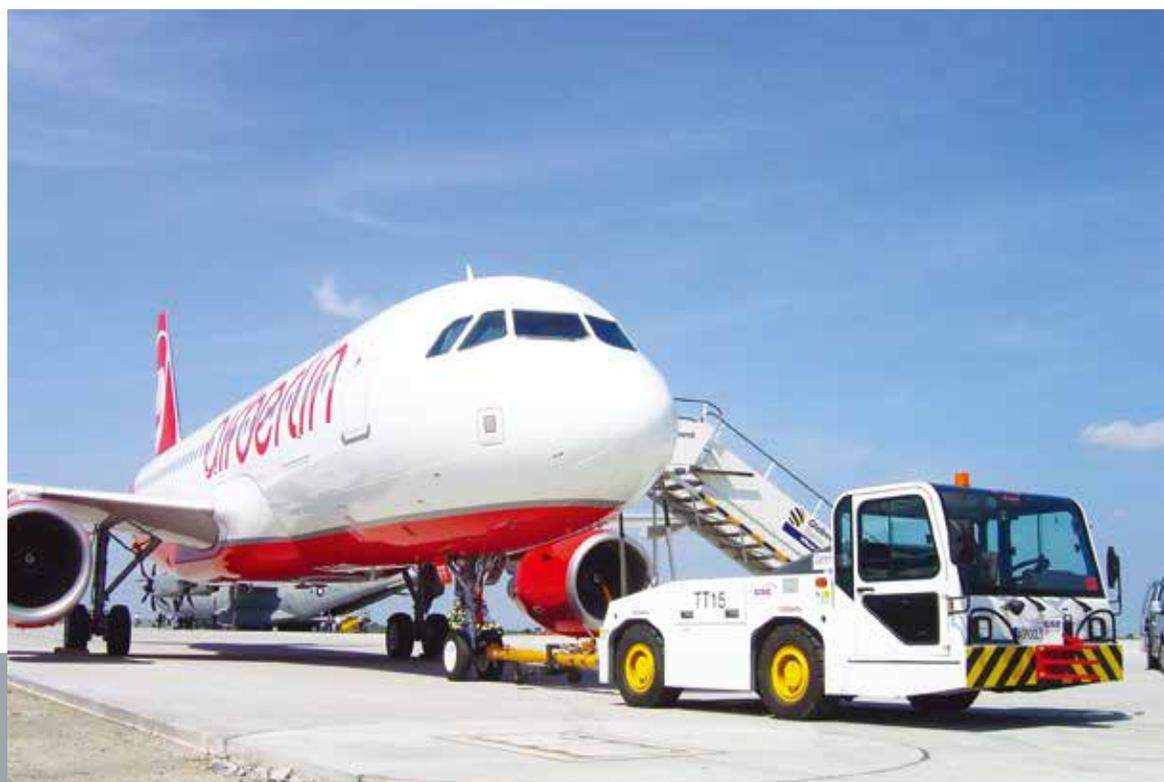
WGQY Series Aircraft Tow Tractor-WGQY15, WGQY27
Weihai Guangtai Airport Equipment Co., Ltd.
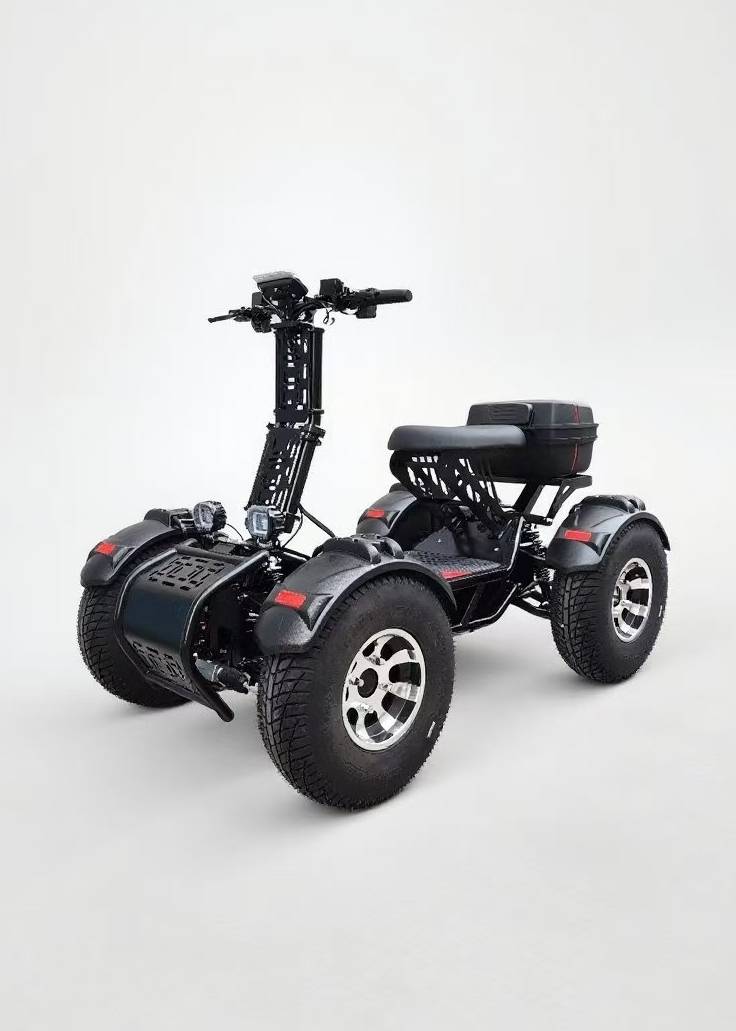

D12 Humanoid Robot
Automation Research Institute Co., Ltd. of China South Industries Group Corporation
XC-6000e Type Aviation Catering Truck (Fuel Type)
Shenzhen CIMC-TianDa Airport Support Ltd.