Evonik Deploys AI Process Optimization System at Chemical Plants in Germany and Belgium
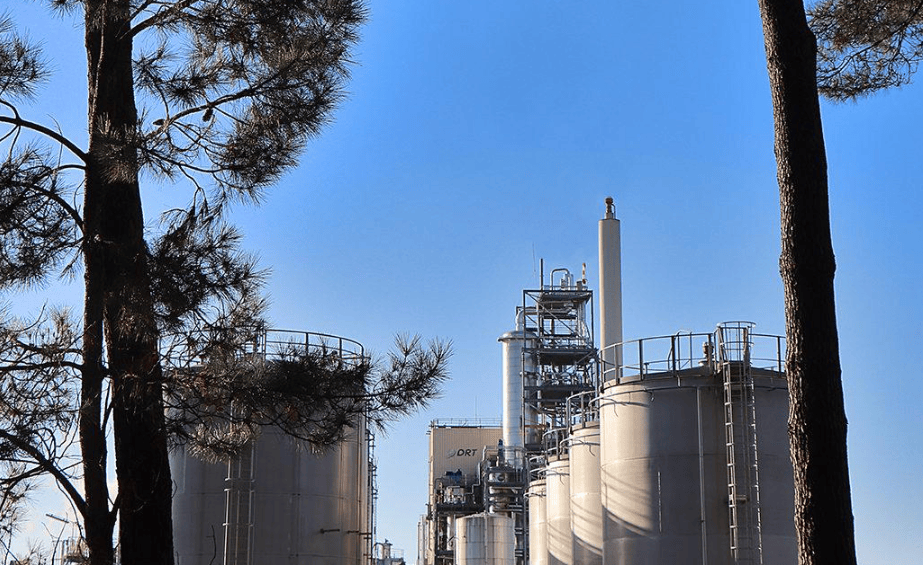
en.Wedoany.com Reported - On November 9, Oxeno, a business unit of German specialty chemicals company Evonik Industries, commissioned an artificial intelligence-based process optimization model at its two C4 chemical production sites in Marl, Germany, and Antwerp, Belgium. The system was developed by the COMPAS project team and is based on simulations of more than 1 million pre-calculated production conditions, enabling it to generate process control recommendations within seconds. The models have now been applied to actual production processes and have achieved initial results in reducing energy consumption per unit of product, lowering carbon dioxide emissions, and accelerating response times to raw material changes.
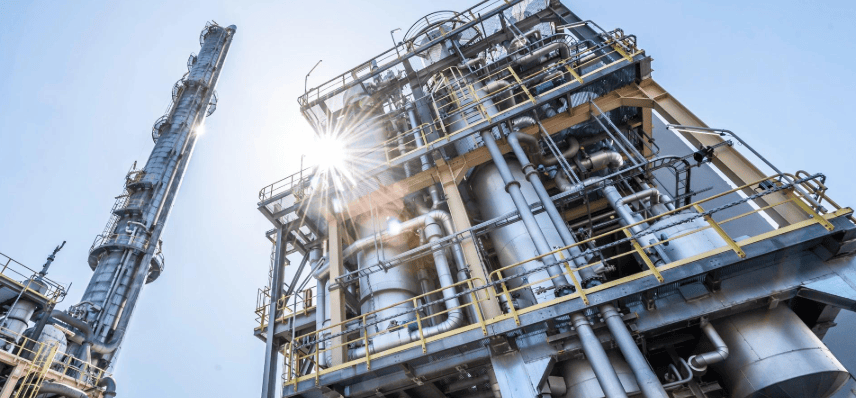
The COMPAS project employs grey-box modeling technology, combining the thermodynamics and reaction kinetics mechanisms of chemical plants with trained artificial intelligence models. The project team pre-calculated more than 1 million sets of different production conditions to form a callable dataset of operating scenarios. Upon receiving new production conditions, the system can rapidly generate corresponding operating parameter optimization recommendations using existing calculation results, transforming complex process simulations into operational decision-making references usable in production.
The two C4 chemical production sites in Marl, Germany, and Antwerp, Belgium, have already applied the technology to actual production operations. Initial application data show that the AI model's calculation results are highly consistent with actual plant operating data. Production teams have used these results to adjust process operating conditions, reduce the energy consumption required for target product manufacturing, and improve the carbon emission performance of production processes. When the composition or supply conditions of raw material streams change, the model can also help operators evaluate different operating scenarios more quickly.
The project team is currently implementing the next phase of application development, which includes automatically transmitting optimization results generated by the AI model to the plant control system. This work represents a further expansion of the existing model's application scope, with a focus on advancing data integration between process optimization recommendations and digital control systems.
Evonik Oxeno has published the technical methodology and recent research findings of the COMPAS project in two professional journals, Chemie Ingenieur Technik and Chemical Engineering & Technology. The project team is expanding the scope of application of this technology, assessing the feasibility of transferring it to other chemical and petrochemical production processes, while also advancing related technology patent applications.
Related Products

Nitrogen Export, Nitrogen Manufacturer, High-purity Nitrogen Supplier
Foshan Yuexin Industrial Gas Co., Ltd.

AC low voltage three-phase asynchronous motor-YE3 series three-phase asynchronous motor
Xi‘an Simo Motor Co., Ltd.
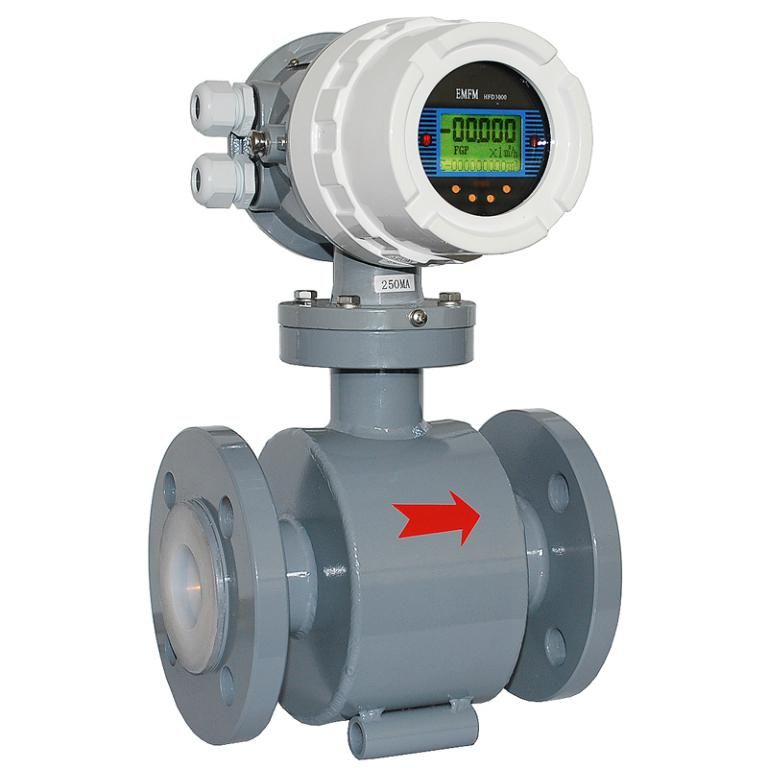
ZDL91 Electromagnetic Flow Meter
Tianjin Zhongdian Celestial Science and Technology Co., Ltd.