
The ZDL91 Electromagnetic Flow Meter consists of two parts: the sensor and the converter. It operates based on Faraday’s law of electromagnetic induction and is used to measure the volumetric flow of conductive liquids with a conductivity greater than 5μs/cm. It is an inductive instrument designed to measure the volumetric flow of conductive media. In addition to measuring the volumetric flow of general conductive liquids, it can also be used to measure the volumetric flow of highly corrosive liquids such as strong acids, strong bases, and uniform liquid-solid two-phase suspensions like slurries, mine slurries, and pulp. It is widely used in industries such as petroleum, chemical, metallurgy, textiles, paper-making, environmental protection, and food, as well as in municipal management, water conservancy projects, and river dredging for flow measurement.
1/1


ZDL91 Electromagnetic Flow Meter
Negotiable
China
Building 10, Zhonglian Industrial Park, Zhongbei Town, Xiqing District, Tianjin
+86 18526430909
18526430909@163.com
Product Introduction
Product Parameters
Technical parameters:
①Accuracy grade: pipeline type: 0.5 grade, 1.0 grade.
②Flow measurement range: flow measurement range corresponding to the flow rate range is 0.1-15 m/s.
③ Conductivity range: Conductivity of the measured fluid ≥ 5us/cm.
④ Current output load resistance: 0-10mA: 0-1.5kΩ, 4-20mA: 0-750kΩ.
⑤ Digital frequency output: the upper limit of the output frequency can be set within 1-5000HZ with photoelectric isolation transistor set
Open electrode bidirectional output, external power supply ≤ 35V conduction when the maximum current collector 250mA.
⑥Power supply: 85-265V,45-63HZ.
⑦ Length of straight pipe section: pipeline type: upstream ≥ 5D, downstream ≥ 2D.
⑧ Explosion-proof mark: Exdia[iaGa]IICT5Gb.
⑨ Ambient temperature:-25 ℃~+60 ℃.
⑩Attending environmental humidity: 5% RH-95 RH.
⑪Total power consumed: less than 20W.
Schedule: Table 1: Nominal Diameter Code
|
Encoding |
DN |
Encoding |
DN |
Encoding |
DN |
|
010 |
10 |
125 |
125 |
700 |
700 |
|
015 |
15 |
150 |
150 |
800 |
800 |
|
020 |
20 |
200 |
200 |
900 |
900 |
|
025 |
25 |
250 |
250 |
10A |
1000 |
|
032 |
32 |
300 |
300 |
12A |
1200 |
|
040 |
40 |
350 |
350 |
14A |
1400 |
|
050 |
50 |
400 |
400 |
16A |
1600 |
|
065 |
65 |
450 |
450 |
18A |
1800 |
|
080 |
80 |
500 |
500 |
20A |
2000 |
|
100 |
100 |
600 |
600 |
22A |
2200 |
Table 2: Lining Selection Instructions
|
Lining material |
Main performance |
Maximum medium temperature |
Scope of application |
|
|
Integrated type |
Split type |
- |
||
|
Polytetrafluoroethylene (F4) |
It’s the most chemically stable plastic, capable of withstanding boiling hydrochloric acid, sulfuric acid, nitric acid and aqua regia, as well as concentrated alkali and various organic solvents. However, it is not resistant to the corrosion of chlorine trifluoride, high temperature chlorine trifluoride, high flow liquid fluorine, liquid oxygen, and self-oxidizing substances. |
70 ℃ |
100 ℃ 150 ℃ (special order required) |
1.Strong corrosive medium such as concentrated acid and alkali. 2.Sanitary medium. |
|
Perfluoroethylene propylene (F46) |
Same as F4, wear resistance, anti-negative pressure capacity is higher than F4. |
Same as above |
- |
|
|
Polyfluoroethylene (Fs) |
The upper limit of applicable temperature is lower than that of PTFE, but the cost is also lower. |
80 ℃ |
- |
|
|
Polychloroprene rubber |
1.Excellent elasticity, high breaking force, good wear resistance. 2.It is resistant to the corrosion of low concentration acid, alkali and salt medium, and is not resistant to the corrosion of oxidation medium. |
80 ℃ 120 ℃ (special order required) |
Water, wastewater, and weak abrasive slurries and mine slurries. |
|
|
Polyurethane rubber |
1.Strong wear resistance. 2.Poor corrosion resistance. |
80 ℃ |
Neutral strongly worn slurries, coal slurries, mud slurries |
|
Table 3: Electrode Selection Instructions
|
electrode material |
Corrosion resistance and wear resistance |
|
Stainless steel 0Crl8Nil2M02Ti |
Used for industrial water, domestic water, sewage and other weak corrosive media, suitable for petroleum, chemical, steel and other industrial sectors, municipal, environmental protection and other fields. |
|
Hastelloy B |
It has good corrosion resistance to all concentrations of hydrochloric acid below the boiling point, and is also resistant to sulfuric acid, phosphoric acid, hydrofluoric acid, organic acids and other non-chlorinated acids, alkalis, and non-oxidizing salt solutions. |
|
Hastelloy C |
It can resist the corrosion of non-oxidizing acids, such as nitric acid, mixed acid, or mixed medium of chromic acid and sulfuric acid, and also resist the corrosion of oxidizing salts such as Fe, Cu or containing other oxidants, such as the corrosion of hypochlorite solution and seawater higher than normal temperature. |
|
Titanium |
It can resist the corrosion of seawater, various chlorides and hypochlorites, oxidizing acids (including fuming sulfuric acid), organic acids and alkalis. It is not resistant to the corrosion of relatively pure reducing acids (such as sulfuric acid, hydrochloric acid), but if the acid contains oxidants (such as nitric acid, Fe ++, Cu ++), the corrosion is greatly reduced. |
|
Tantalum |
It has excellent corrosion resistance and is very similar to glass. In addition to hydrofluoric acid, oleum, alkali, almost resistant-cut chemical medium (including boiling point of hydrochloric acid, nitric acid and sulfuric acid below 150 ℃) corrosion. Alkali corrosion resistance. |
|
Platinum/Titanium Alloy |
Almost resistant to all chemical media, but not suitable for aqua regia and ammonium salts. |
|
Stainless Steel Coated with Tungsten Carbide |
For non-corrosive, strong wear media. |
|
Note: Due to the wide variety of media, its corrosivity is affected by temperature, concentration, flow rate and other complex factors, so this table is for reference only. Users should make their own choices according to the actual situation, and if necessary, they should do the corrosion resistance test of the materials to be selected, such as the hanging piece test. |
|
Table 4: Selection Table
|
ZDL91 |
Selection code |
Specific Description |
|
Instrument grade |
A B |
High precision, high stability High stability |
|
Sales mode |
C, D, W (The selection personnel can be ignored) |
|
|
Nominal diameter |
See Nominal Path Coding Table |
|
|
Structure form |
Y F |
Integrated structure Split structure |
|
Nominal pressure |
PO P1 P2 P3 P4 T1 |
PN≤0.25mpa(DN2200) PN≤0.6mpa(DN1200-2000) PN≤1.0mpa(DN200-1000) PN≤1.6mpa(DN100-150) PN≤4.0mpa(10-80) SPECIAL REQUIREMENTS |
|
Power |
A D T2 |
AC220VAC(90-245V 50-60HZ) DC24V(20-30V) SPECIAL REQUIREMENTS |
|
Output signal |
A B H T3 |
4-20mA 1kHz base configuration MODBUS Protocol HART protocol SPECIAL REQUIREMENTS |
|
Explosion-proof requirements |
1 2 |
Flameproof No flameproof |
|
Medium temperature |
1 2 T4 |
≤ 120 ℃ ≤ 160 ℃ SPECIAL REQUIREMENTS |
|
Lining material |
A B C T5 |
PTFE ≤ 120 ℃(DN10-600) Polytetrafluoroethylene propylene ≤ 80 ℃(DN10-150) Meltability PTFE ≤ 160 ℃ SPECIAL REQUIREMENTS |
|
Electrode material |
1234T6 |
Stainless steel Hastelloy C Titanium Tantalum Special requirements |
|
Material of grounding ring |
J J1 T7 |
304 stainless steel grounding ring 316L Ground Ring SPECIAL REQUIREMENTS |
|
Companion flange option |
B X |
No need Requires companion flanges and fasteners |
|
Display mode |
X M |
On-site Display No Display |
|
Selection example |
ZDL91-C025YP1DA21A1JBM |
|
Other products from this supplier


Negotiable
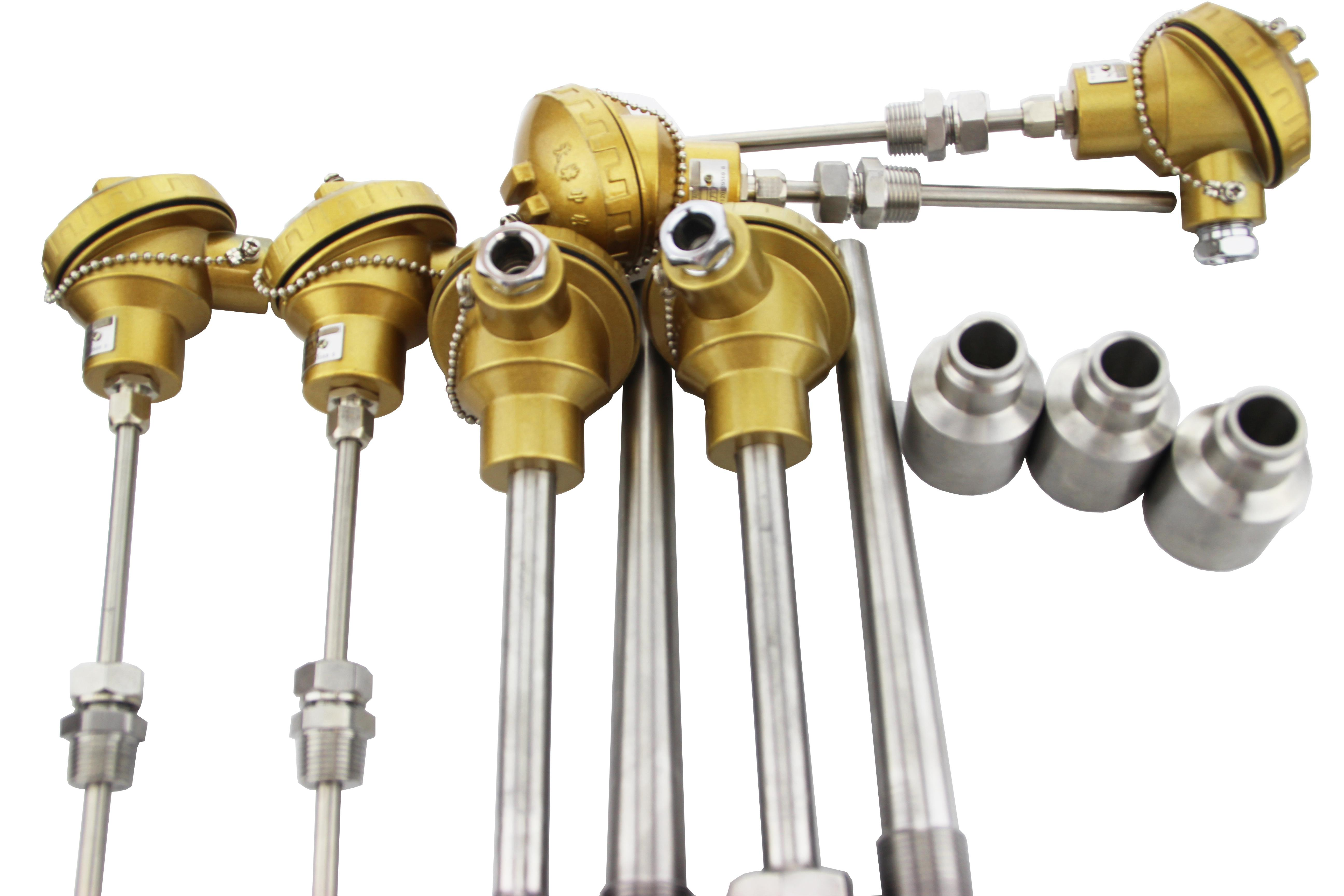
ZDTC9105/9205 series on-site display type thermistor and thermocouple
Negotiable
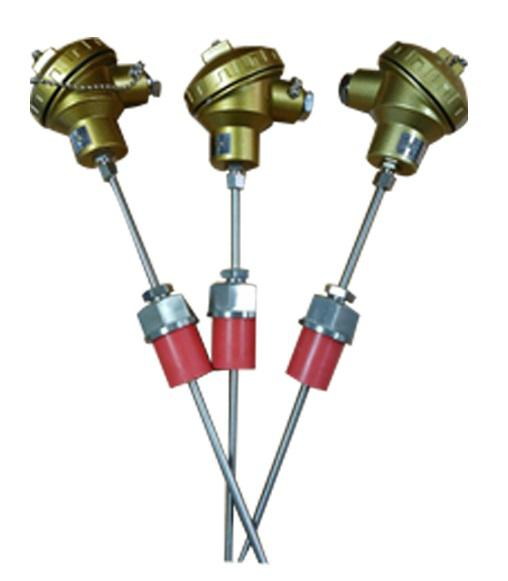
ZDTC9103/9203 series corrosion-resistant thermocouples and resistance temperature detectors
Negotiable
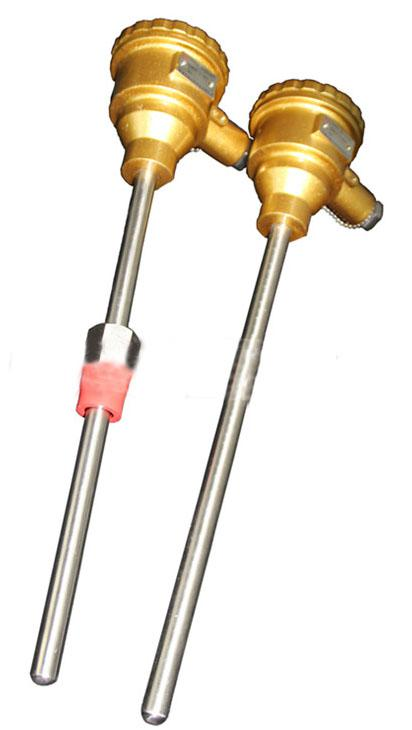
ZDTC9104/9204 series independent armored thermocouples and resistance temperature detectors
Negotiable
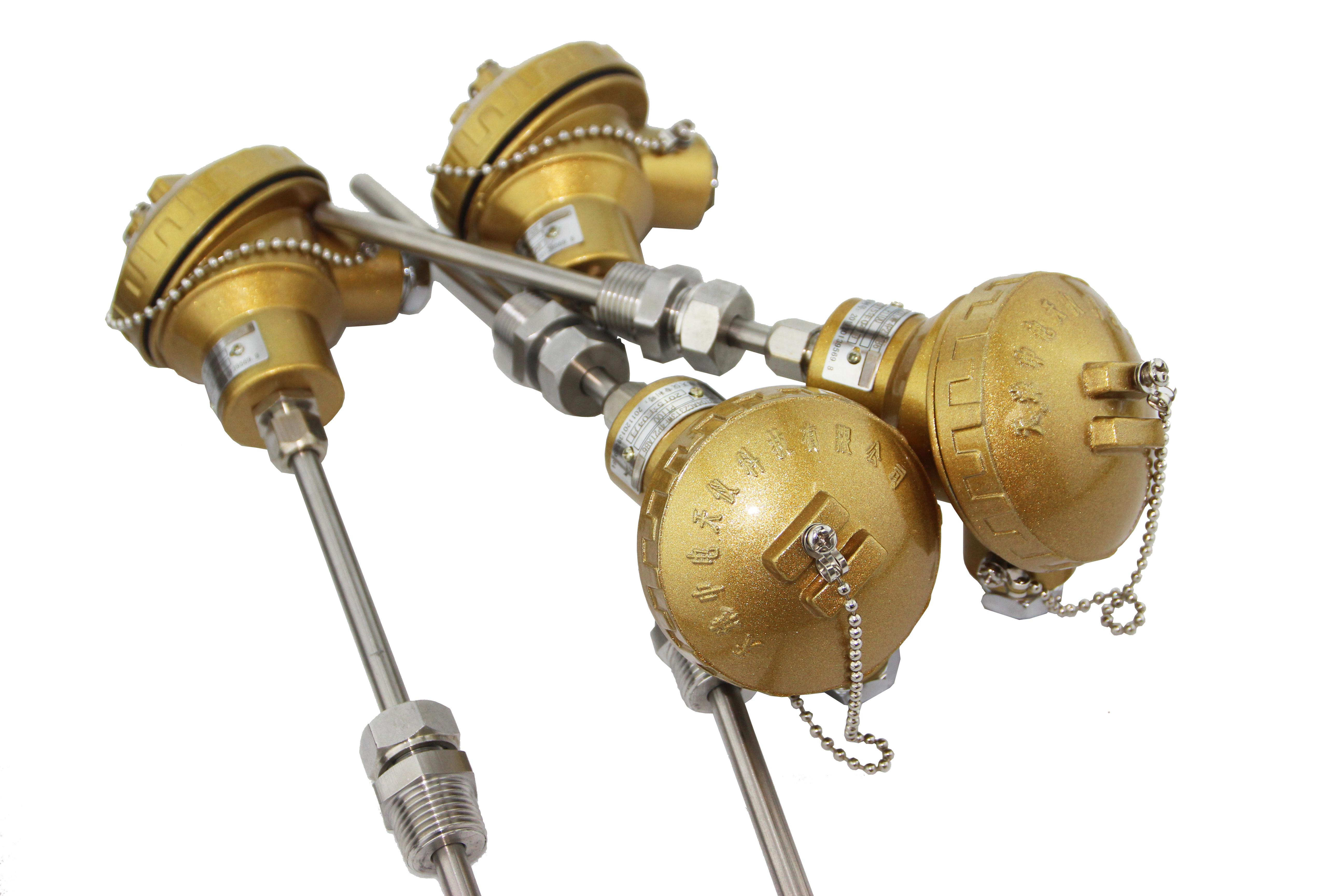
ZDTC9102/9202 series explosion-proof thermocouples and resistance temperature detectors
Negotiable
ZDTC9101/9201 series conventional assembled thermocouples and resistance temperature detectors
Negotiable
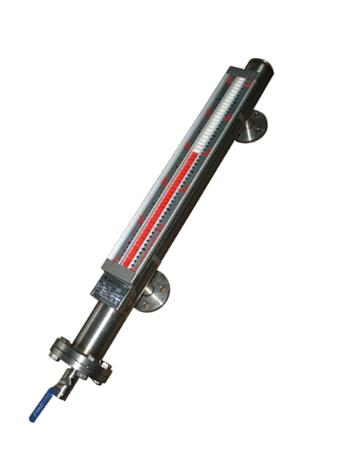
ZDW96 series magnetic float level gauge
Negotiable
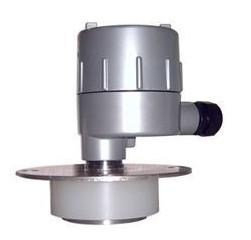
ZDW95 RF admittance level switch.
Negotiable
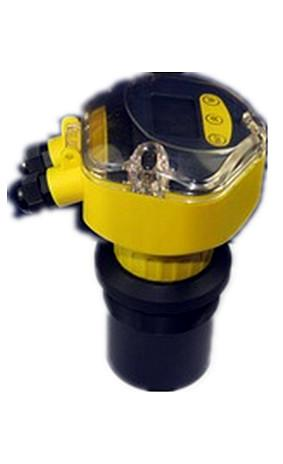
ZDW93 Integrated ultrasonic level transmitter.
Negotiable
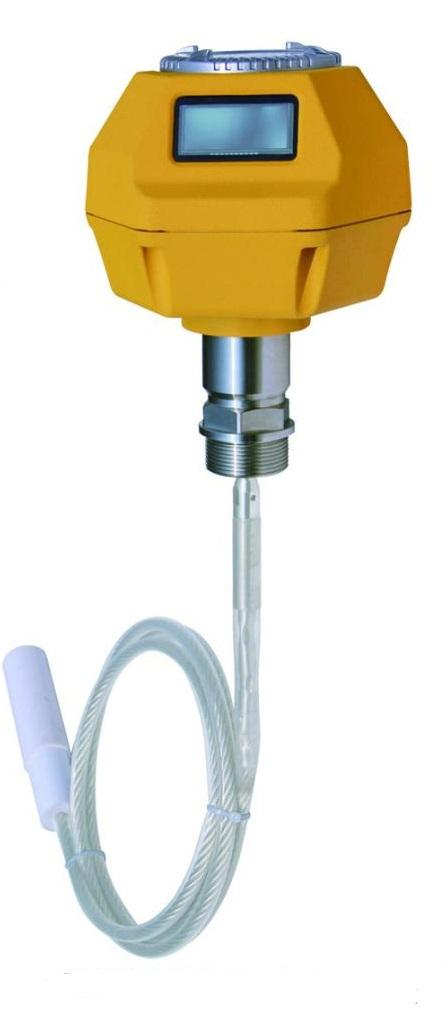
ZDW921 Guided wave radar level transmitter.
Negotiable
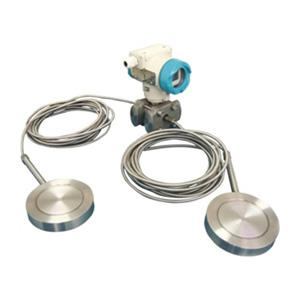
ZDS4833 Remote differential pressure transmitter.
Negotiable
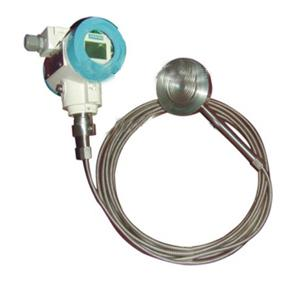
ZDS4733 Remote pressure transmitter (flat diaphragm type).
Negotiable
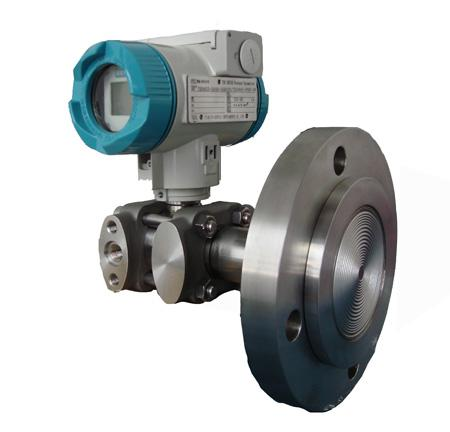
ZDS4633 level transmitter
Related Products
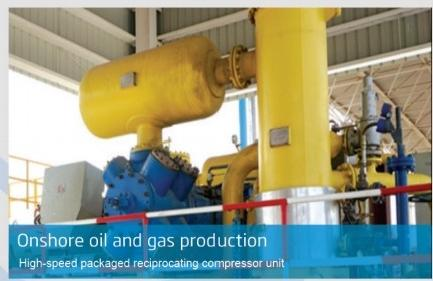
Onshore oil and gas production
Negotiable
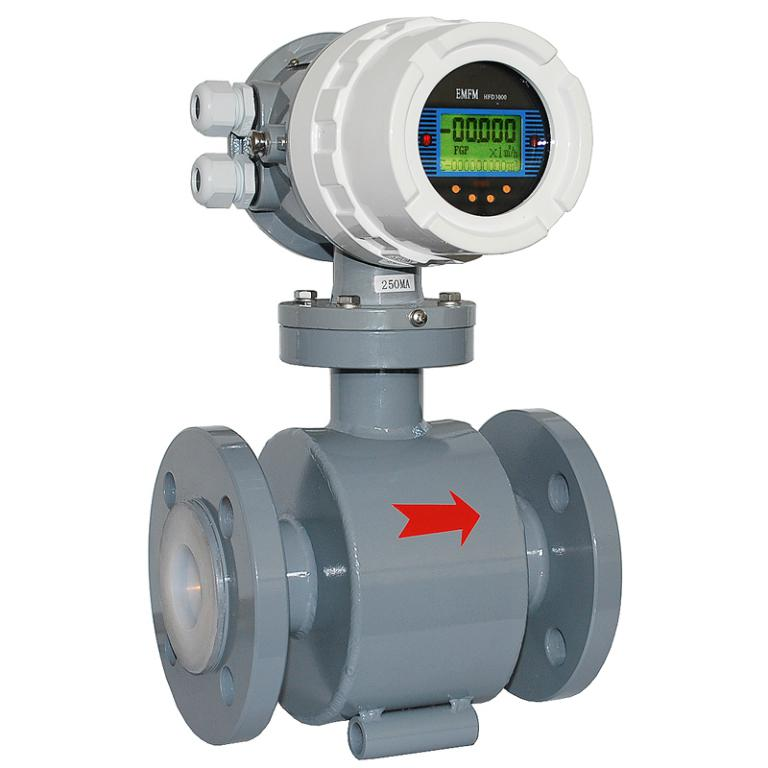
ZDL91 Electromagnetic Flow Meter
Negotiable

Multifunctional Parameter Logging Tool (PLT)
Negotiable
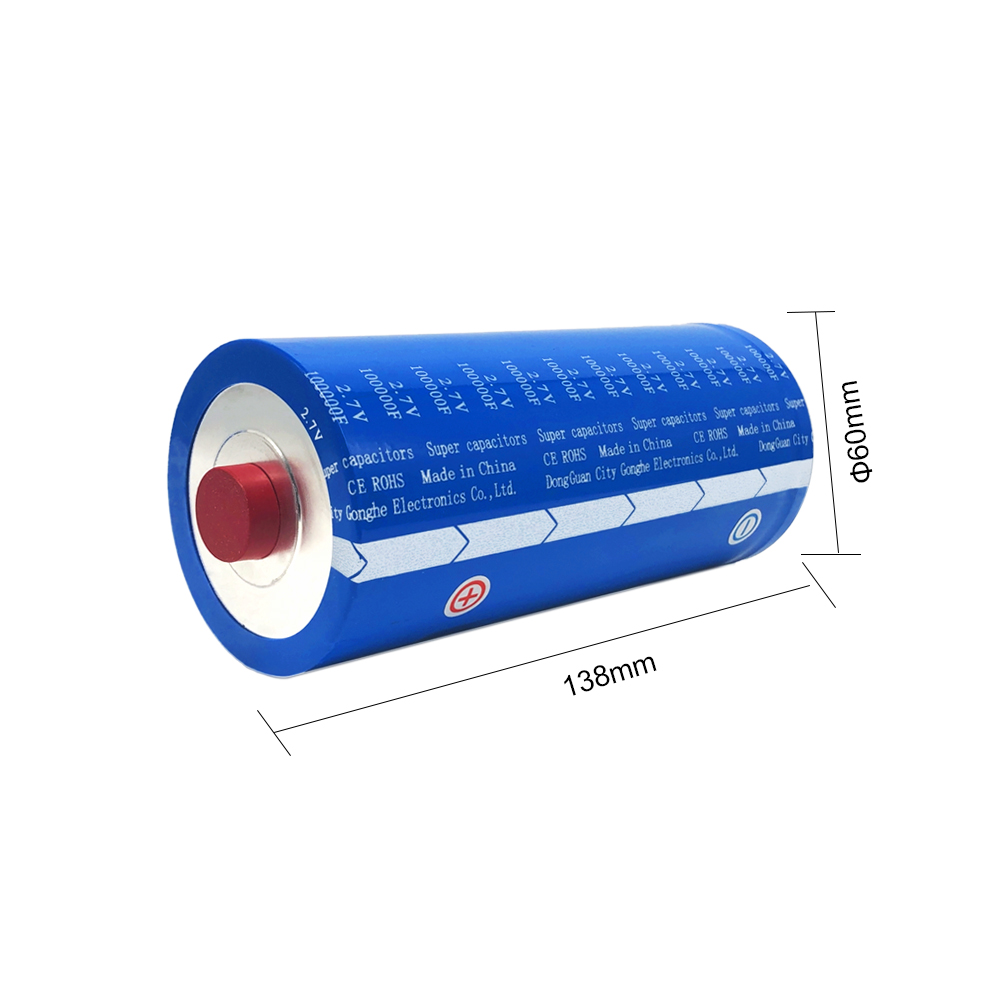
2.7V 100000F (60wh) 60138 high-power energy storage power starting power supply (instantaneous high current), low-temperature discharge, long service life, 100000 times of use
70 /PCS/sample
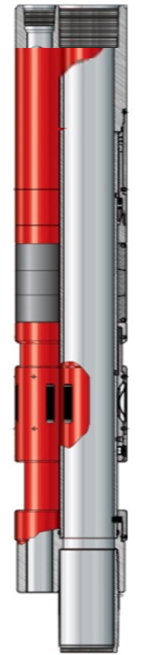
690W Recyclable ESP Packer
Negotiable
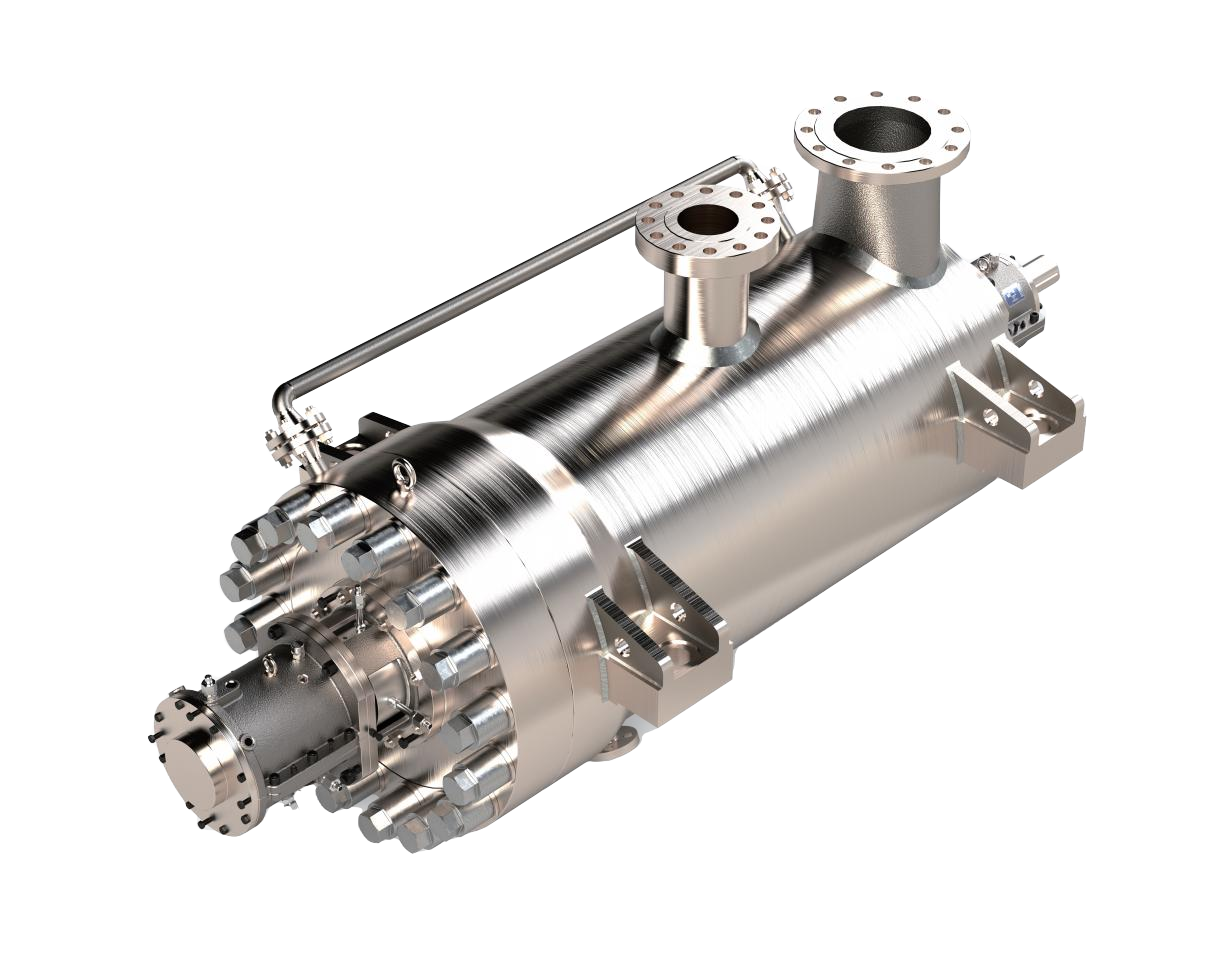
HB Series BB5 Horizontal Double Casing (Cylinder) Multistage Pump
Negotiable
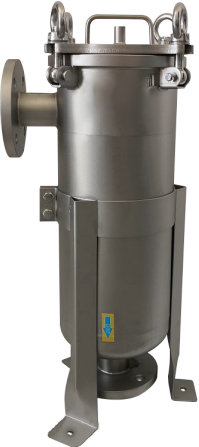
SGD-D series standard single bag filter
Negotiable
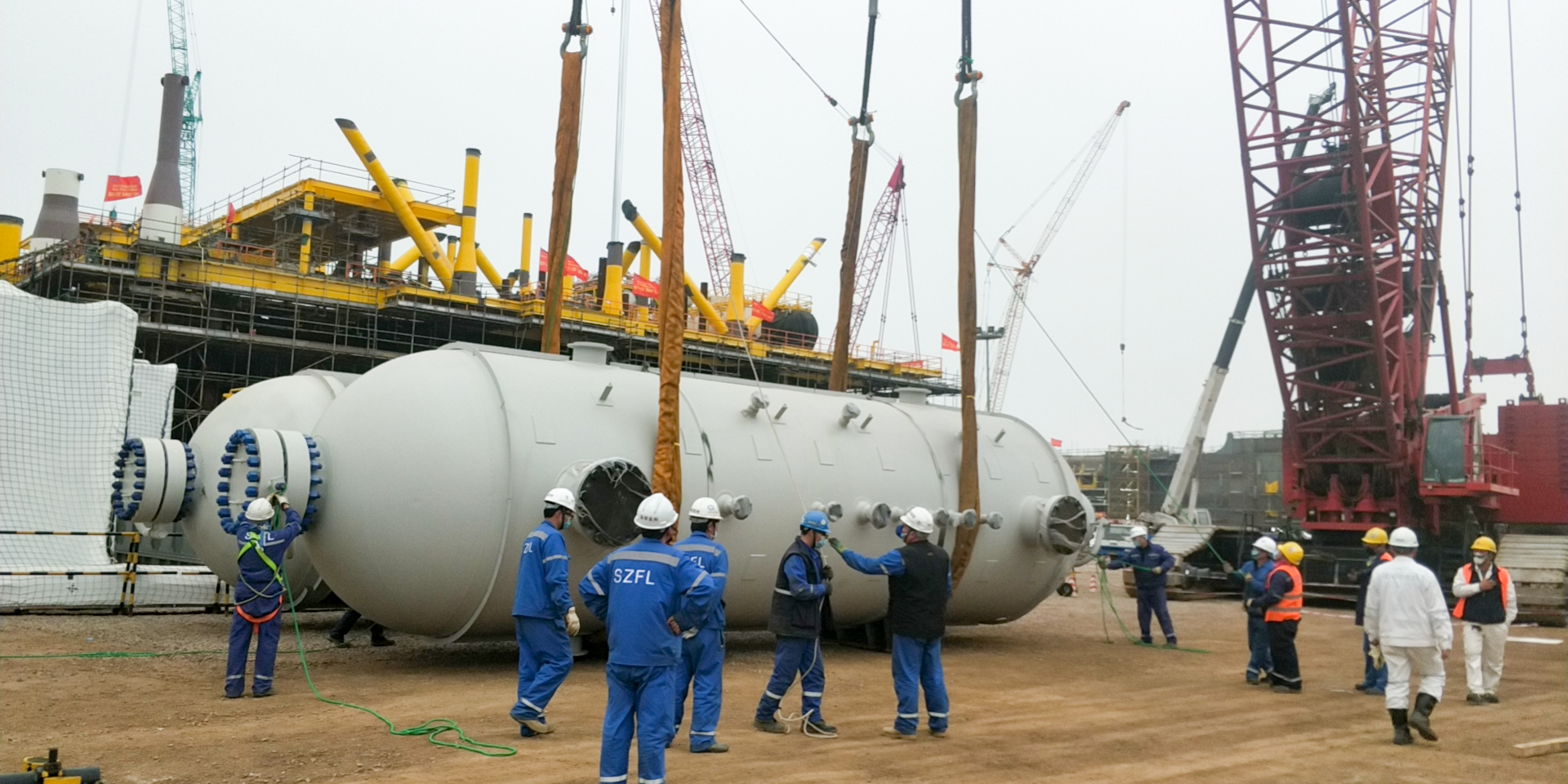
Segmental flow collector
Negotiable