
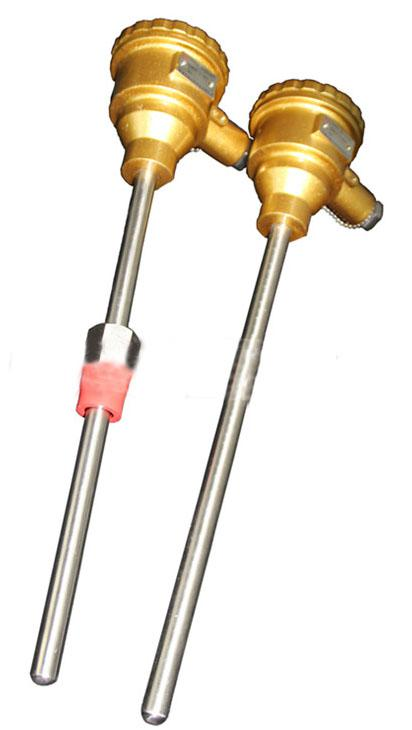
The ZDTC9102/9202 series explosion-proof thermocouples and resistance temperature detectors are primarily used in production sites where various flammable, explosive, and chemical gases or vapors are present. They comply with the general requirements for explosion-proof electrical equipment for explosive environments and are equipped with explosion-proof certification.
1/1


ZDTC9102/9202 series explosion-proof thermocouples and resistance temperature detectors
Negotiable
China
Building 10, Zhonglian Industrial Park, Zhongbei Town, Xiqing District, Tianjin
+86 18526430909
18526430909@163.com
Product Introduction
Product Parameters
Main technical parameters:
|
Kind |
Indexing number |
Measurement range (℃) |
Protection level |
|
Explosion-proof thermocouple |
K |
-40 to 1200 |
IP65 |
|
E |
-40 to 900 |
||
|
J |
-40 to 750 |
||
|
T |
-40 to 350 |
||
|
Explosion-proof thermal resistance |
Pt100 |
-200~500 |
Main technical indicators
|
Kind |
Indexing number |
Measurement range (℃) |
Accuracy Class |
Allowable Value |
Protection level |
Flameproof grade |
Insulation resistance |
|
Flameproof thermocouple |
K |
-40 to 1200 |
1 |
±1.5℃/±0.4%t |
IP65 |
dIICT4 dIICT4 dIICT5 dIICT6 |
≥100MΩ.m |
|
2 |
±2.5℃/±0.75%t |
||||||
|
E |
-40 to 900 |
1 |
±1.5℃/±0.4%t |
||||
|
2 |
±2.5℃/±0.75%t |
||||||
|
J |
-40 to 750 |
1 |
±1.5℃/±0.4%t |
||||
|
2 |
±2.5℃/±0.75%t |
||||||
|
T |
-40 to 350 |
1 |
±0.5℃/±0.4%t |
||||
|
2 |
±1.0℃/±0.75%t |
||||||
|
Flameproof thermal resistance |
Pt100 |
-200~500 |
A |
±(0.15+0.002|t|) |
|||
|
B |
±(0.30+0.005|t|) |
||||||
|
Note 1. | t | in the table is the absolute value of the measured temperature. |
|||||||
|
2. Conditions for insulation resistance value: ambient temperature 25±10 ℃, humidity ≤ 80% |
|||||||
Selection table:
|
ZDTC9202 |
Type selection code |
Description |
|
Instrument grade |
A B |
High precision, high stability |
|
High stability |
||
|
Structure form |
A1 A2 A3 B1 B2 B3 C1 C2 |
Full bore type |
|
Full reducer type |
||
|
Full cone pipe type |
||
|
Two-section full bore type |
||
|
Two-section reducer type |
||
|
Two-section cone tube type |
||
|
Two-section cone pipe type |
||
|
Cold end protection tube type |
||
|
Form of junction box |
41 42 43 44 45 46 47 48 49 50 |
Flameproof inclined cover (dIIBT4) |
|
Flat Flameproof (dIIBT4) |
||
|
Flat Flameproof (dIICT4) |
||
|
Flameproof type (dIICT4) |
||
|
Stainless steel gangzaki flameproof (dIICT5) |
||
|
Stainless steel oblate flameproof (dIICT6) |
||
|
Multi-point flameproof type (2~10 points) |
||
|
Outlet inclined cover flameproof (dIICT6) |
||
|
Flameproof outlet clamshell (dIICT6) |
||
|
Export high cover flameproof (dIICT6) |
||
|
Transmission output signal/Corresponding temperature range |
W M/ V/ |
No transmission output |
|
Transmission output 4 ~ 20mA/temperature range |
||
|
transmission output 1~5V/temperature range |
||
|
Fixed installation form |
W F1 G1 G2 T1 |
No fixing device |
|
Fixed thread |
||
|
Fixed flange |
||
|
Movable flange |
||
|
Special requirements |
||
|
Indexing number |
T J E K S P C |
T-indexing thermocouple |
|
J-indexing thermocouple |
||
|
E-indexing thermocouple |
||
|
K-indexing thermocouple |
||
|
S-indexing thermocouple |
||
|
PT100 Thermal Resistance |
||
|
Cu50 thermal resistance |
||
|
Number of components |
1 2 n |
Single-element type |
|
Dual-element type |
||
|
Multi-pair formula (n is the number of components) |
||
|
Core type |
K T G P |
Regular armored core |
|
Spring-loaded armored core type |
||
|
High temperature armored core |
||
|
Common assembly core |
||
|
Accuracy Class |
1 2 |
Industrial Class 1 |
|
Industrial Class 2 |
||
|
Material of protection tube |
B M C G Y L T2 |
1 Cr18Ni9Ti(0~1000 ℃) |
|
316L(0~1000 ℃) |
||
|
Cr25Ni20(0~1100 ℃) |
||
|
GH3030(0~1200 ℃) |
||
|
CT1(0~1600 ℃) |
||
|
CT2(0~1400 ℃) |
||
|
Special requirements |
||
|
Diameter of protection tube |
□ Two-digit direct number indicates actual diameter, such as 16, φ16 |
|
|
□□/□ The first two digits and the last one digit indicate the actual diameter before and after the diameter change, for example, 16/9 indicates φ16 to φ9 |
||
|
Product length |
User specified (full length or full length × insertion depth) |
|
|
Selection example |
ZDTC9202 A A341 W W T 1 K 1 B |
|
|
Ordering Method |
C D W the selection personnel can be ignored |
|
Other products from this supplier


Negotiable
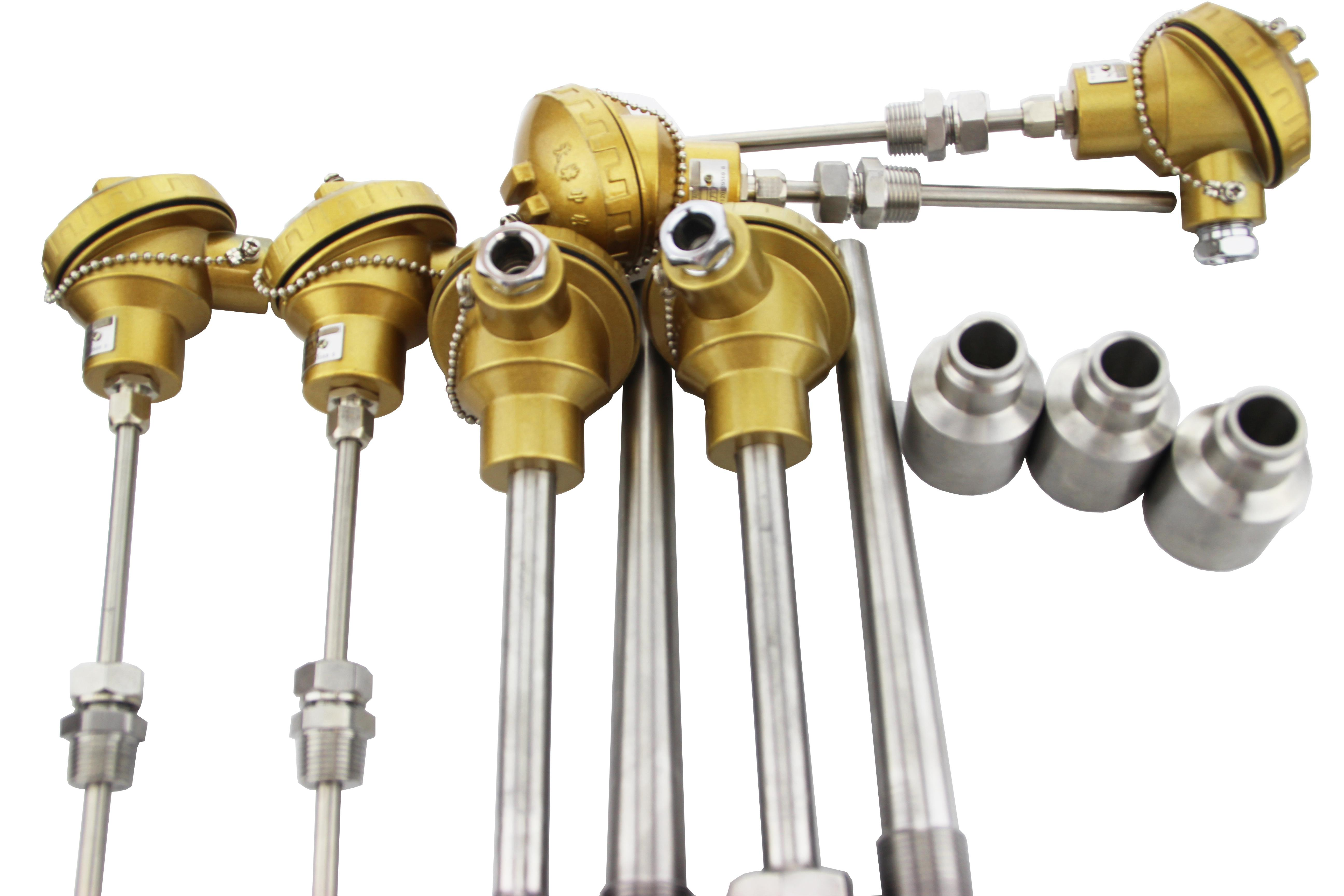
ZDTC9105/9205 series on-site display type thermistor and thermocouple
Negotiable
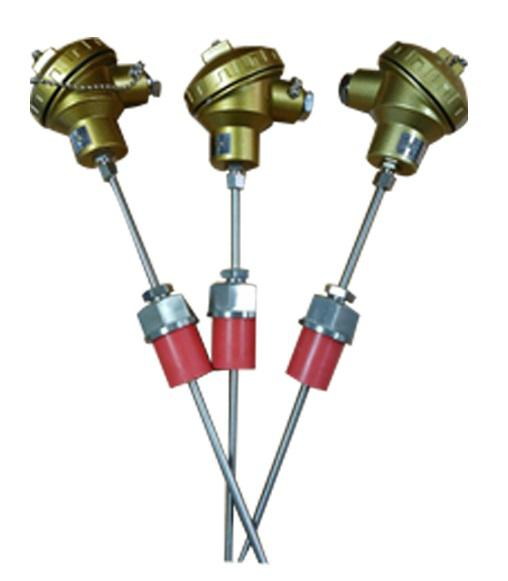
ZDTC9103/9203 series corrosion-resistant thermocouples and resistance temperature detectors
Negotiable
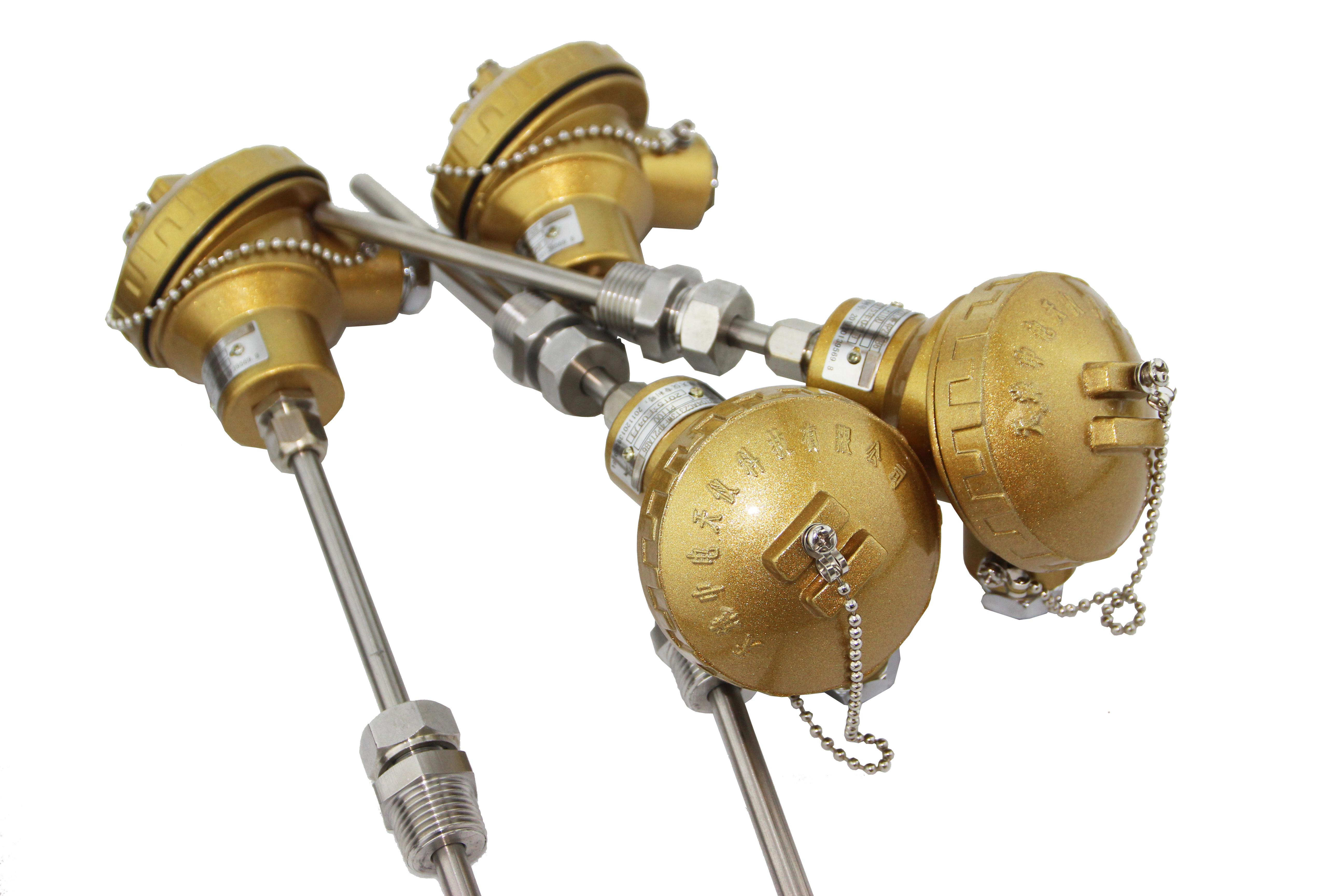
ZDTC9104/9204 series independent armored thermocouples and resistance temperature detectors
Negotiable
ZDTC9101/9201 series conventional assembled thermocouples and resistance temperature detectors
Negotiable
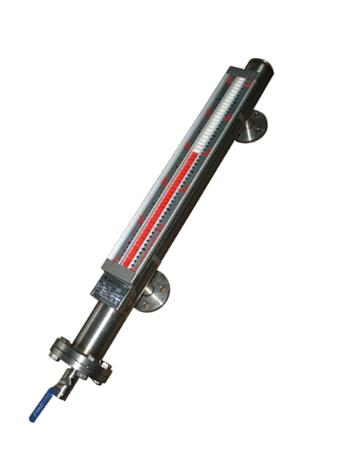
ZDW96 series magnetic float level gauge
Negotiable
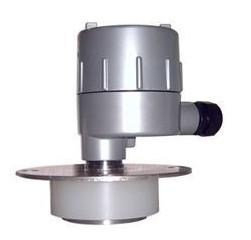
ZDW95 RF admittance level switch.
Negotiable
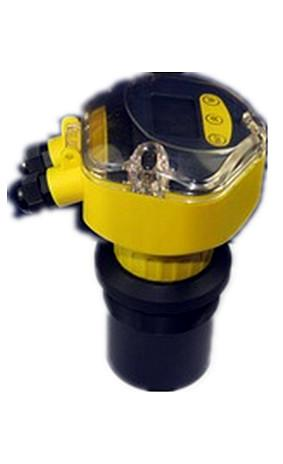
ZDW93 Integrated ultrasonic level transmitter.
Negotiable
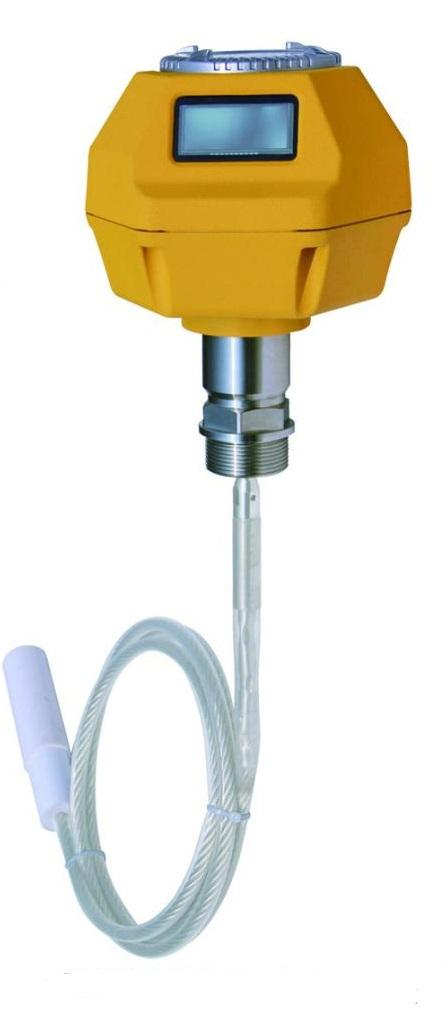
ZDW921 Guided wave radar level transmitter.
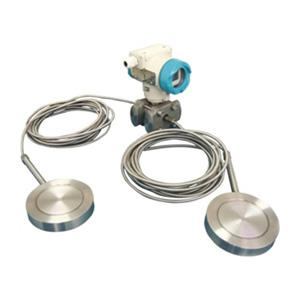
Negotiable
ZDS4833 Remote differential pressure transmitter.
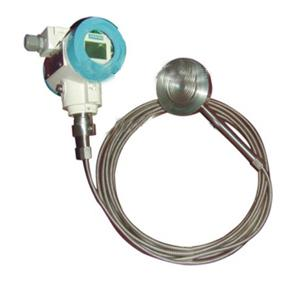
Negotiable
ZDS4733 Remote pressure transmitter (flat diaphragm type).
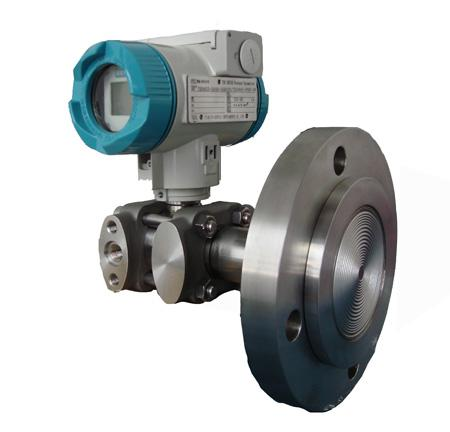
Negotiable
ZDS4633 level transmitter
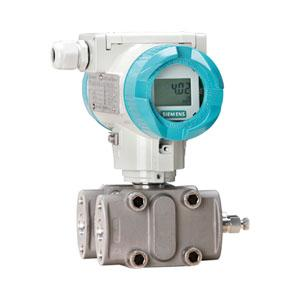
Negotiable
ZDS4433 differential pressure transmitter
Related Products
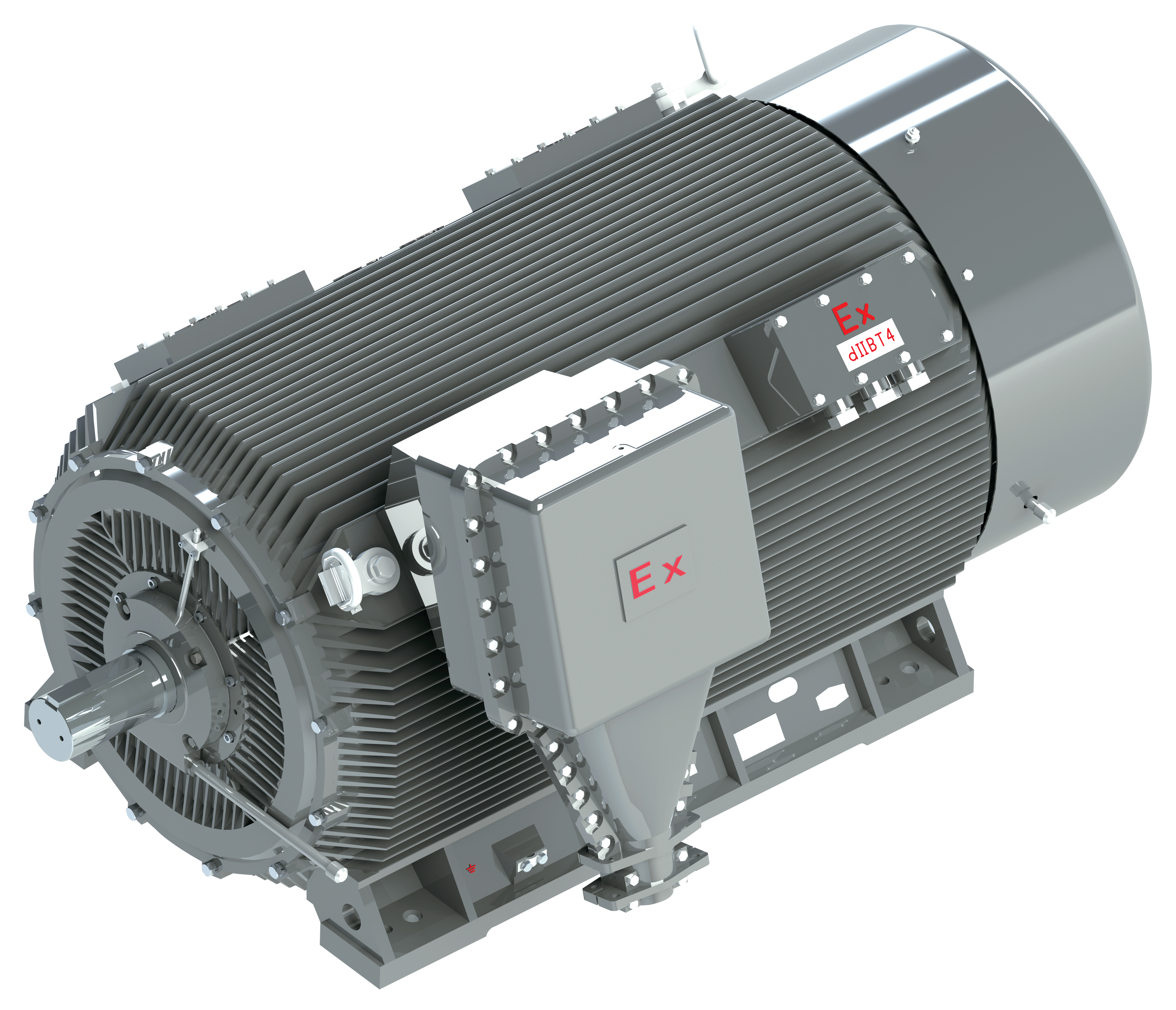
YBX3 Series (Frame Number 355-630) High-Efficiency Explosion-Proof Three-Phase Asynchronous Motor
Negotiable
Quick-Change Single-Seat Control Valve / Quick-Change High-Pressure Single-Seat Control Valve
Negotiable
Titanium/Steel Composite Tube Sheet
Negotiable

Steel Plates for Pressure Vessels
Negotiable
Ultra-high molecular weight polyethylene (UHMWPE) lined oil pipe
Negotiable
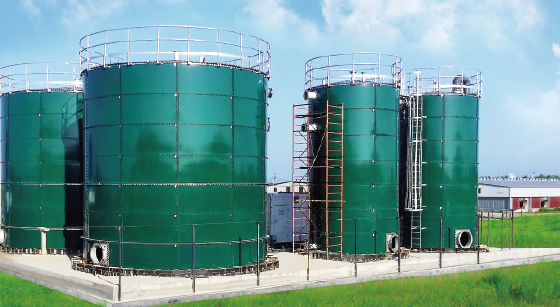
Enamel assembled tanks
Negotiable
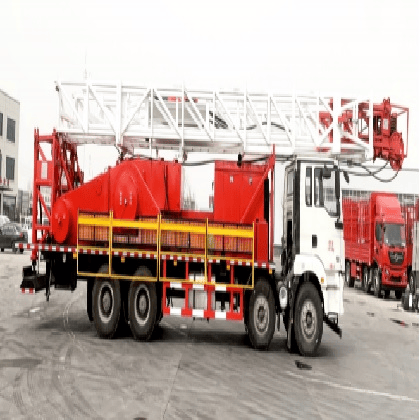
Workover Rig - XJ250, XJ350, XJ450, XJ550, XJ650, XJ750, XJ850
Negotiable
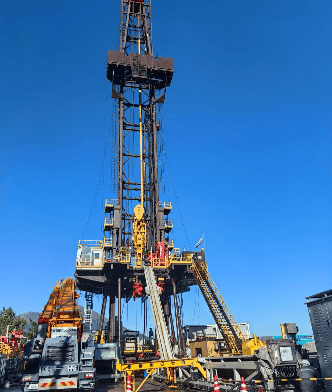
Geothermal Drilling Rig
Negotiable
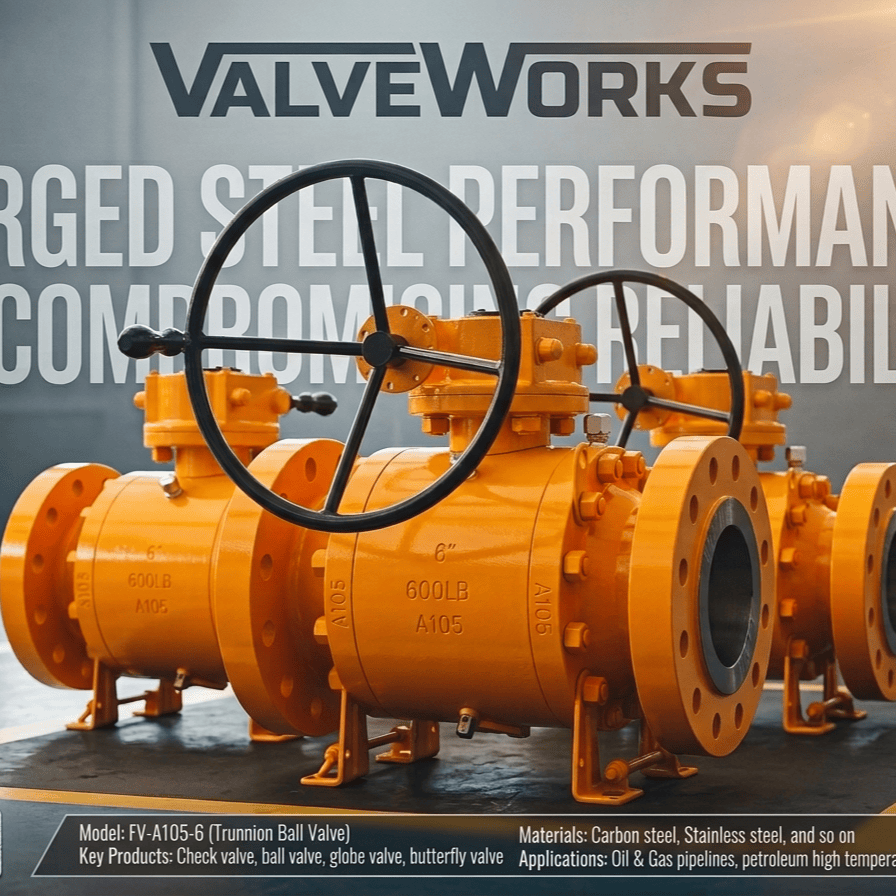
Ball Valve
200-200000 /set

Rectangular rubber duct joint
Negotiable
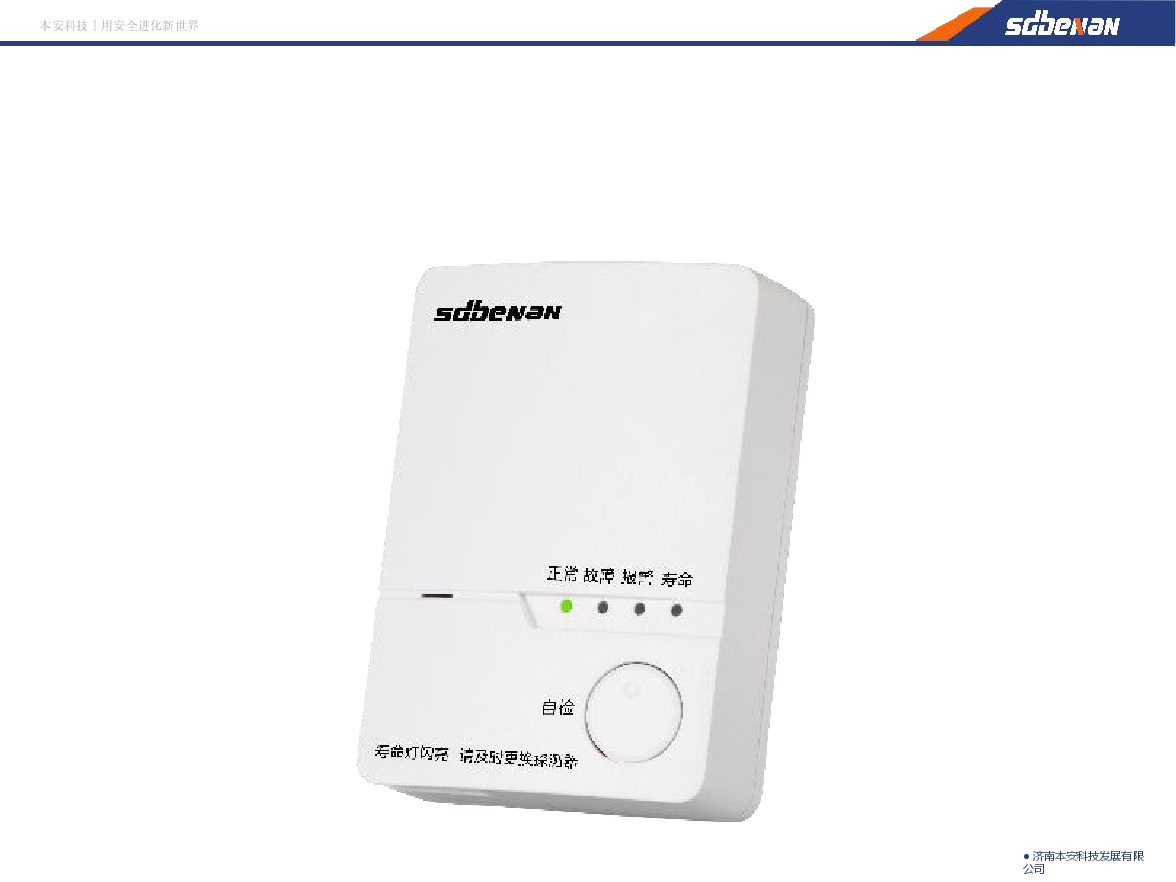
Household Natural Gas Detector CH4
Negotiable

AC low voltage three-phase asynchronous motor-YE3 series three-phase asynchronous motor
Negotiable