Canada's Galantas Gold Corporation Advances 12,500-Meter Drilling at the Indiana Gold-Copper Project
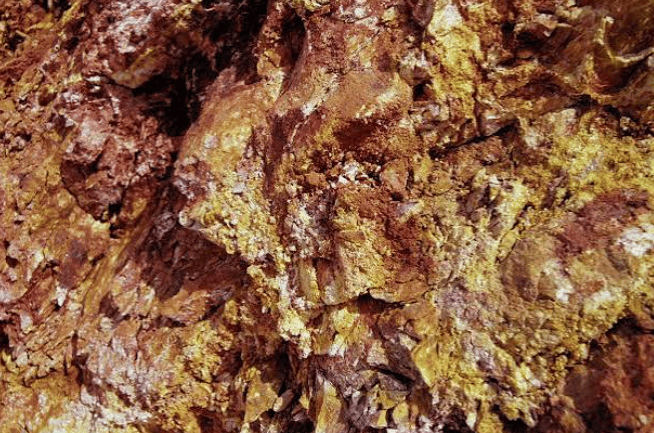
en.Wedoany.com Reported - On November 12, Canada's Galantas Gold Corporation announced the latest drilling results from the Indiana gold-copper project in northern Chile. Drill hole IN26014 intersected an 18-meter gold mineralized interval at a depth of 269–287 meters, averaging 1.18 g/t gold, including a 4-meter interval grading 2.36 g/t. The mineralization is located in an area not previously included in the mineral resource estimate and represents the project's first discovery of gold mineralization not hosted within narrow veins.
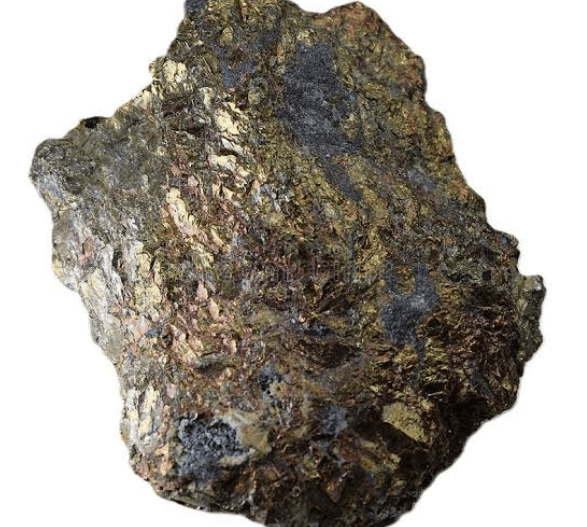
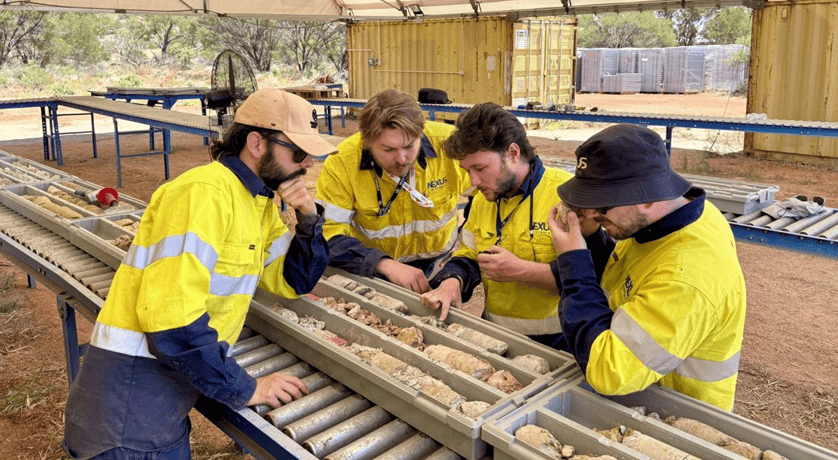
The calc-silicate alteration zone intersected by the drill hole extends from 217 meters to 430 meters, with a continuous length of 213 meters, and mainly contains minerals such as garnet, epidote, magnetite, and actinolite. Based on core logging, the company identified it as a skarn zone with gold mineralization potential and discovered three separate gold mineralized intervals within it. The drill hole reached a final depth of 495 meters. At this stage, the true thickness of the 18-meter mineralized interval cannot be determined, and the spatial geometry and continuity of the orebody still require verification through follow-up drilling.
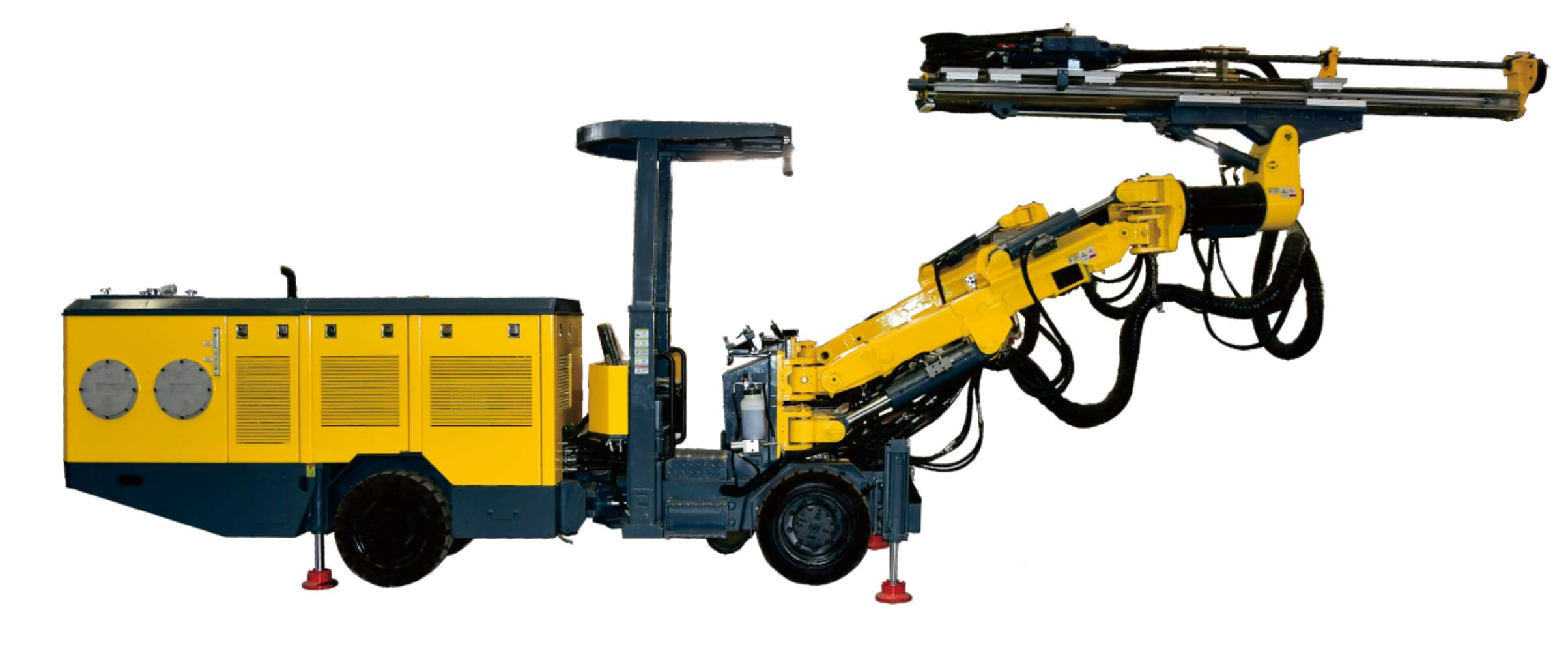
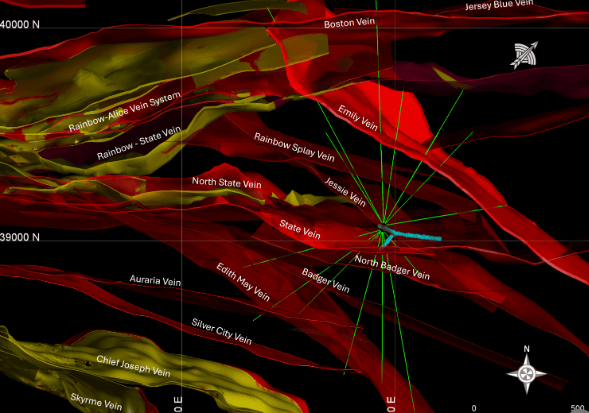
The current phase of the Indiana project is planned to complete 12,500 meters of drilling, of which 7,229 meters have been completed across 19 drill holes, with 2 additional holes currently in progress. Assay results from 7 drill holes have been previously published, of which results from 6 holes were released on October 14. This phase of work focuses on resource verification along the Bondadosa and Flor de Espino veins, while also testing the depth and strike extensions of known mineralized zones and searching for new mineralized structures.
This discovery adds an exploration target to the project that differs from the original vein-type mineralization. The company's next steps will be to study the spatial geometry and extent of the skarn zone, with emphasis on verifying its deeper and high-grade portions, and to assess whether the mineralized body extends to shallower surface positions with open-pit mining potential.