U.S. Extends Jones Act Waiver for a Third Time by 90 Days Through February 2027
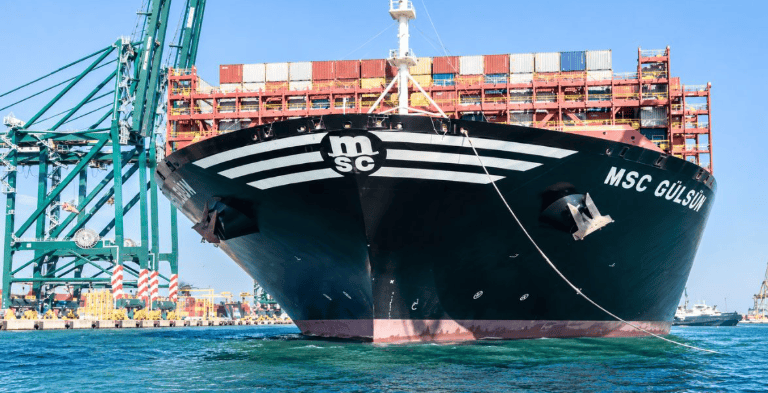
en.Wedoany.com Reported - On November 13, U.S. Customs and Border Protection (CBP) issued Guidance No. 70435180, and the U.S. Department of Homeland Security approved a third extension of the temporary Jones Act waiver, allowing eligible foreign-flag vessels to continue participating in the transportation of petroleum and certain bulk commodities between U.S. ports. The new waiver took effect at 12:00 a.m. Eastern Time on November 16 for a period of 90 days, and covered cargo must be loaded on board by 11:59 p.m. on February 14, 2027.
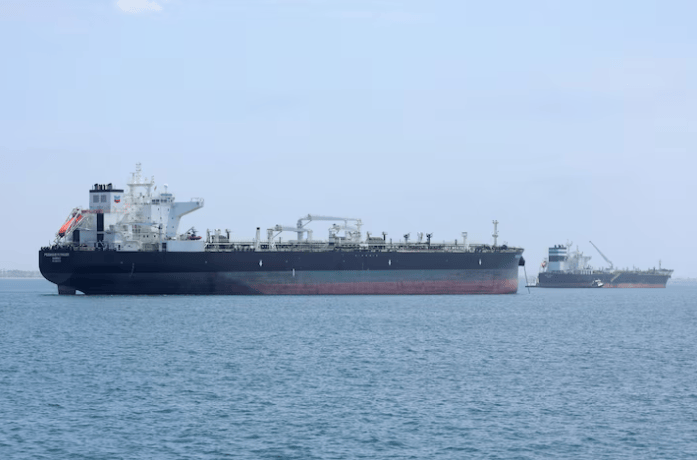
This extension continues to apply a voyage-by-voyage approval system. Companies planning to use foreign-flag vessels to carry covered cargo must submit a vessel availability application to the U.S. Department of War and the U.S. Maritime Administration (MARAD) before the voyage begins, and copy the application to CBP. The declaration shall include the vessel name and International Maritime Organization number, flag, owner and operator, carrier, voyage dates, loading and discharge ports, cargo category, U.S. Harmonized Tariff Schedule code, shipment volume and frequency, and the specific reasons why the voyage serves the national defense interest.
After receiving an application, MARAD will conduct a market survey of vessels eligible for U.S. coastwise trade. Eligible U.S. vessels shall, in principle, respond within 24 hours regarding the availability of capacity. The survey results are then submitted to the U.S. Department of War, which decides whether a specific voyage may be authorized for foreign-flag vessel transportation and notifies the applicant company, MARAD, and CBP of the decision.
Carriers of authorized foreign-flag vessels must submit to CBP information including the vessel name, cargo and tariff code, carrier, loading and discharge ports, and dates, together with the CBP Form 1302 cargo declaration. Within 10 days after the voyage ends, the vessel owner or operator and the relevant waiver applicant must submit a voyage report to MARAD specifying the cargo actually transported, voyage dates, ports involved, and national defense justification.
Statistics provided by the White House show that since the temporary waiver was first implemented in March 2026, approximately 90 million barrels of petroleum and petroleum products have been additionally transported between U.S. ports under the measure, including approximately 27 million barrels of gasoline, approximately 26 million barrels of crude oil, and approximately 6 million barrels of renewable fuels, with the remainder mainly involving other petroleum products. The U.S. government regards expanding the use of domestic shipping capacity as one of the measures to ease pressure on the transportation of petroleum, diesel, and fertilizer.