Norway's Fjord1 Receives First 120-Meter Battery Hybrid Ferry
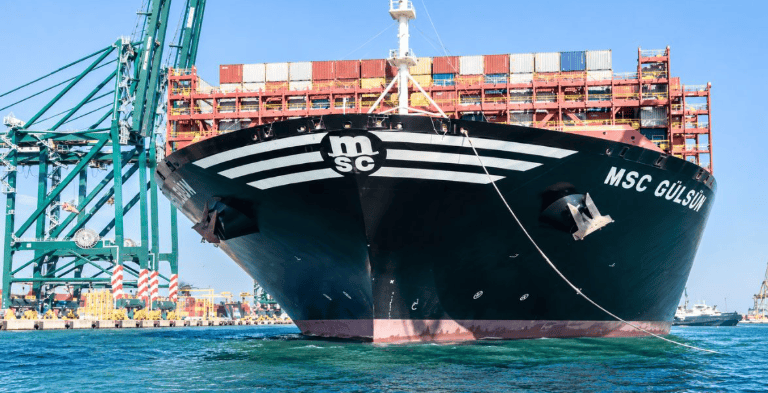
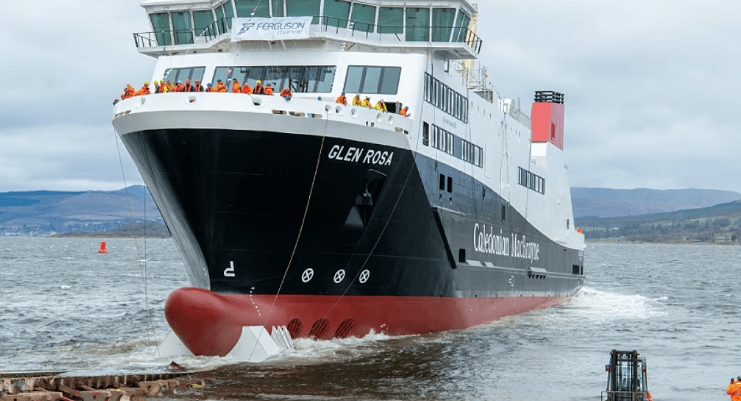
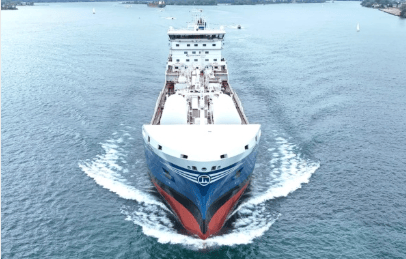
en.Wedoany.com Reported - On November 12, Norwegian ferry operator Fjord1 officially took delivery of its first battery hybrid ferry, the MF Skagastøl. Built by Turkish shipyard Tersan, the vessel is the first of four new ships Fjord1 has ordered for the Lavik–Oppedal ferry route on the E39 highway in western Norway. After delivery, the vessel set sail from Turkey for Norway on a voyage of approximately 3,700 nautical miles. Upon arrival, it will still need to complete equipment testing, crew training and operational preparations before entering service on the route.
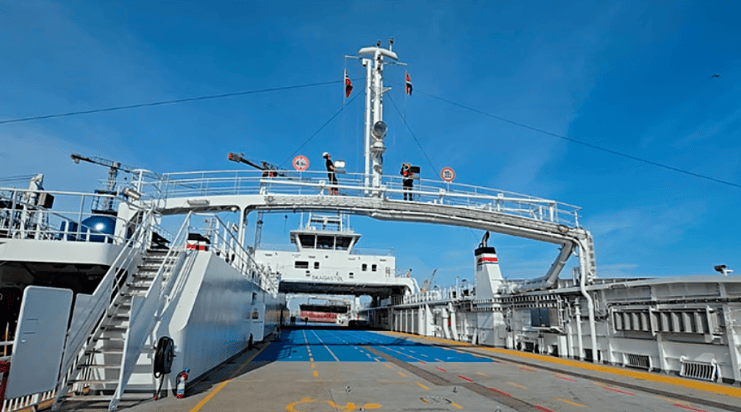
The MF Skagastøl features a plug-in battery hybrid system, with a length of 120 meters and a beam of 18.6 meters, and can carry 399 passengers and a vehicle load equivalent to 120 cars. All four new ships were designed by Norwegian firm HAV Design and will primarily serve the Lavik–Oppedal route across the Sognefjord. The route connects the two sides of the E39 highway in Norway, with a ferry crossing of approximately 5.6 kilometers and a single crossing time of about 20 minutes. The new ships will handle daily vehicle and passenger transport on the route.
The vessel deliveries are being implemented in batches, with the remaining three still under construction at the Tersan shipyard and scheduled for delivery in succession during winter and spring. After each vessel arrives in Norway, it will undergo equipment inspection, system testing, crew training and operational preparations before gradually joining the existing route.
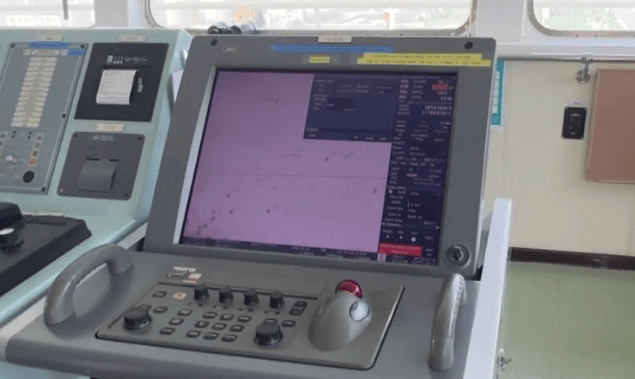
In addition to the electric propulsion system, the four new ships are also designed to accommodate the gradual application of autonomous navigation functions. Under a development contract between Fjord1 and the Norwegian Public Roads Administration, the two parties will develop, test and introduce autonomous technology using the actual ferry operating environment, with a focus on validating the automatic execution of repetitive, routine tasks in daily navigation and the ways in which autonomous systems collaborate with crew members.
The project follows a phased validation approach: the new ships will first establish stable conventional operations before autonomous functions are gradually introduced. Crew members will remain on board throughout the technology validation process, monitored by a staffed control center. The autonomous systems will primarily handle simple, repetitive and predictable tasks, while crew members will continue to be responsible for operations requiring human judgment and for handling emergencies.
Following the delivery of the first vessel, the project's focus will shift from shipyard construction to system testing and operational preparations within Norway. The construction and delivery of the remaining three ships, along with subsequent validation of autonomous functions, will proceed separately according to each vessel's readiness.
Related Products


D12 Humanoid Robot
Automation Research Institute Co., Ltd. of China South Industries Group Corporation
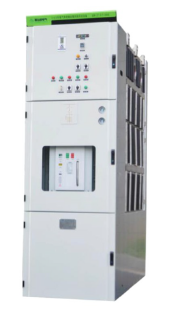
GSR6-27.5kV SF6 Free Gas-insulated Metal-enclosed Switchgear
Zhejiang Juhonkia Intelligent Electric Co., Ltd.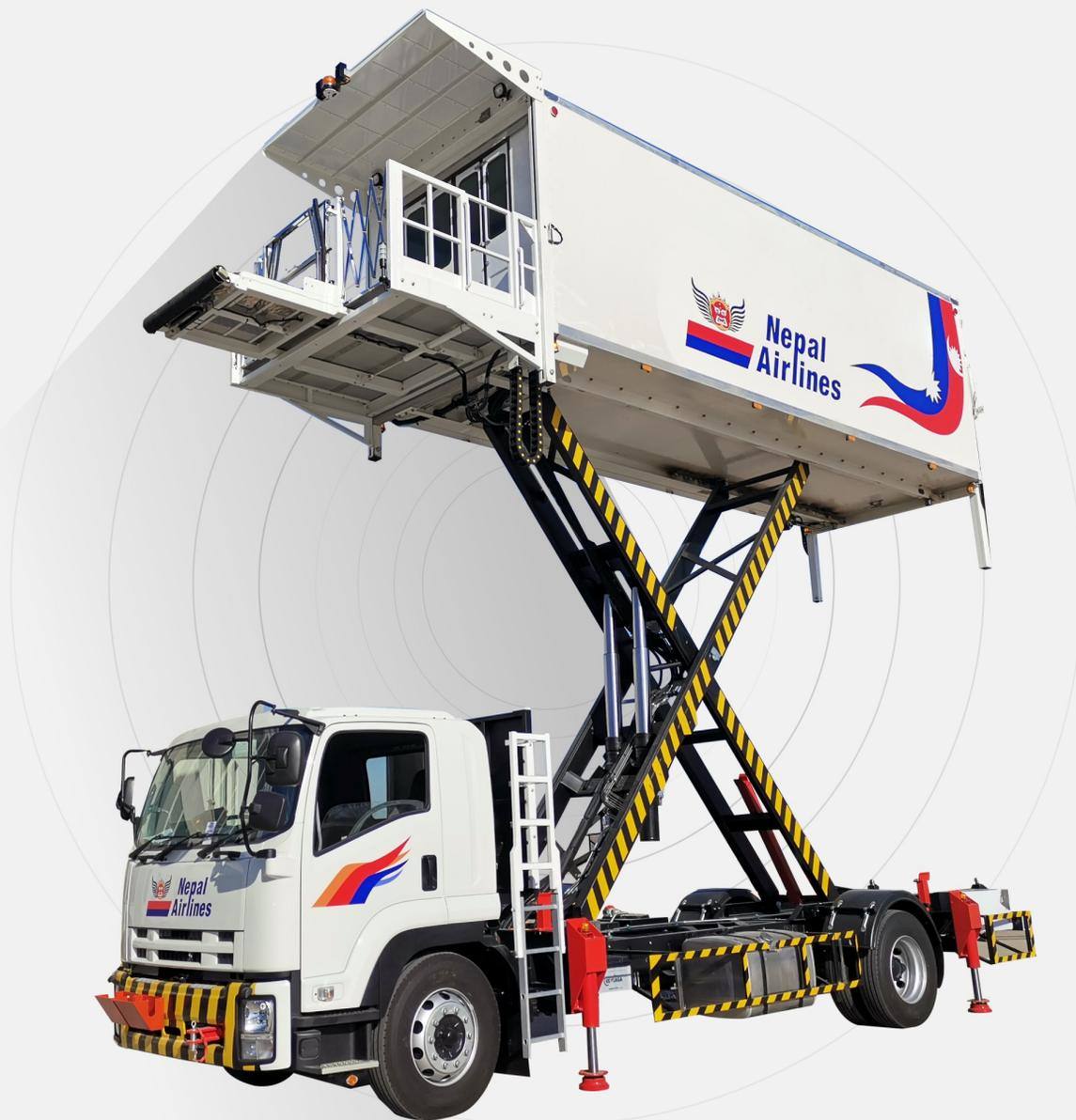
XC-6000e Type Aviation Catering Truck (Fuel Type)
Shenzhen CIMC-TianDa Airport Support Ltd.

ERW Welded Pipe (Black Pipe and Hot-dip Galvanized Steel Pipe)
Handan Zhengda Steel Pipe Co., Ltd.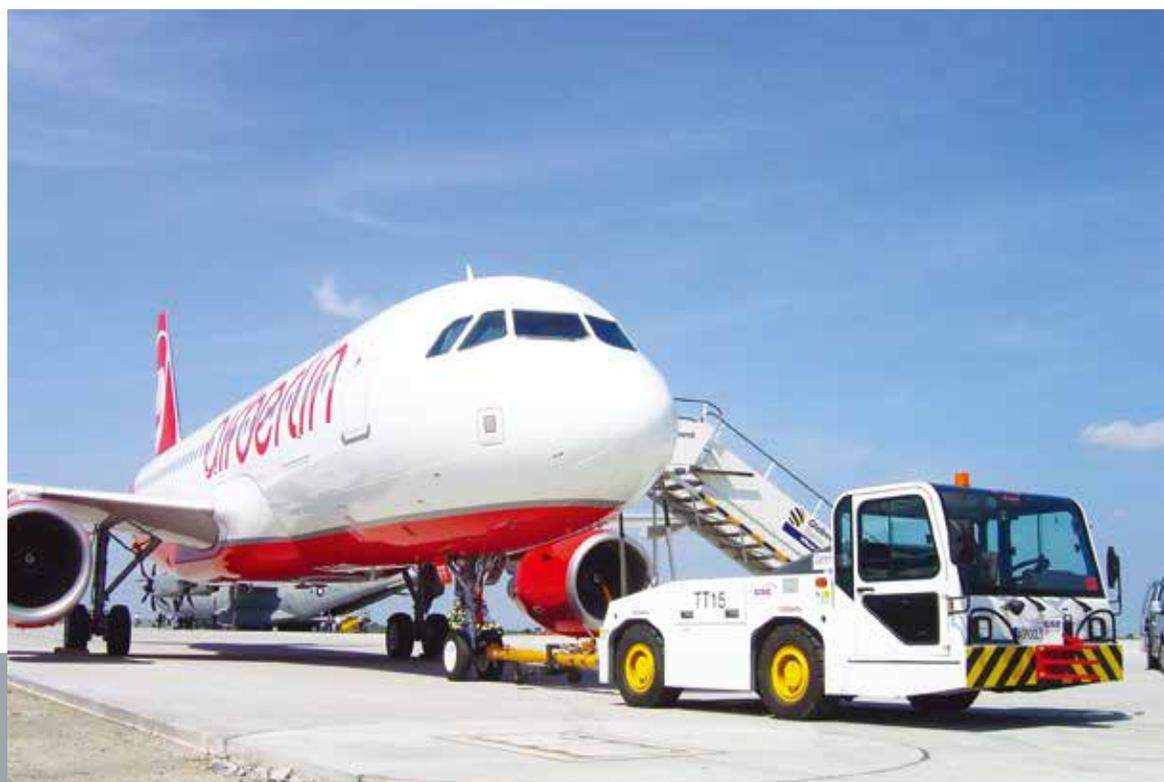
WGQY Series Aircraft Tow Tractor-WGQY15, WGQY27
Weihai Guangtai Airport Equipment Co., Ltd.