Swiss Mediterranean Shipping Company Deploys 1,400 TEU Vessel to Connect Lithuania and Finland
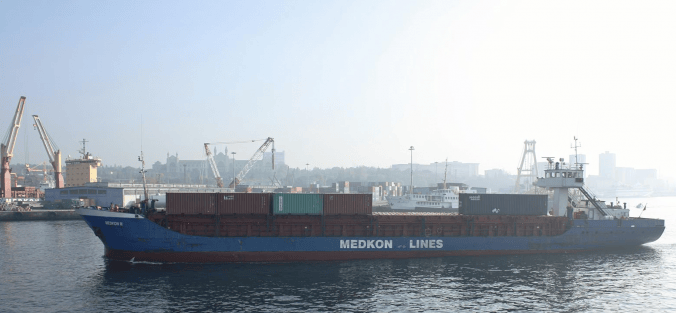
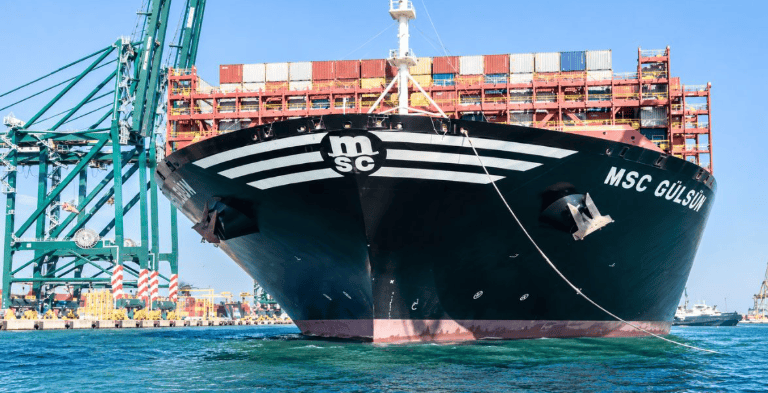
en.Wedoany.com Reported - On November 15, Container News reported that Swiss Mediterranean Shipping Company (MSC) has adjusted its Baltic Loop 07 container service, converting the original multi-port rotation service into a two-port shuttle service between Klaipeda Port in Lithuania and Kotka Port in Finland. After the adjustment, the port call sequence is Klaipeda–Kotka–Klaipeda, operated by a container ship with a capacity of approximately 1,400 TEU.
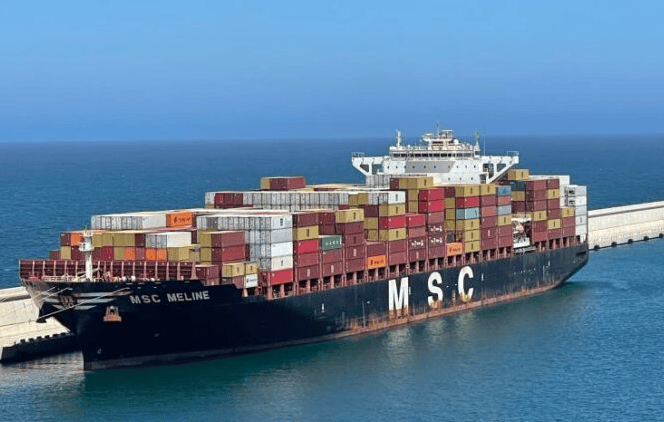
This adjustment cancels the original route's calls at Gdynia Port in Poland, Antwerp Port in Belgium, and Aarhus Port in Denmark, concentrating the service scope between Lithuania and Finland. Compared with the previous rotation model covering multiple ports in the Baltic Sea and Northern Europe, the new route shortens the port call scope and adopts single-vessel round-trip operation. M
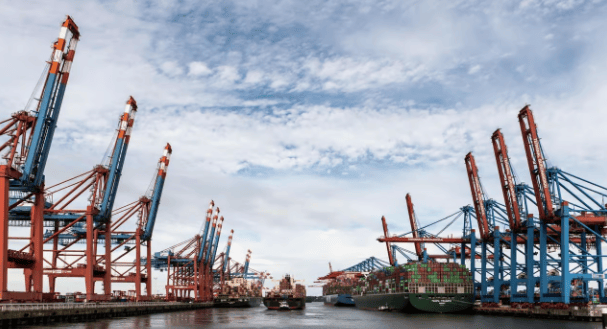
Klaipeda Port is Lithuania's main maritime gateway and an important container hub in the Baltic Sea. The port's container throughput reached 1.3087 million TEU in 2025, a year-on-year increase of 22%, maintaining a leading position among major Baltic ports. The port area has multiple container terminals equipped with shore cranes, yards, reefer plugs, and railway loading and unloading facilities, enabling connections between maritime and inland freight transport.
Kotka Port belongs to Finland's Hamina-Kotka port area. The Mussalo port area has container, bulk, and liquid cargo terminals, and also has rail and road collection and distribution conditions. After the two ports establish a fixed shuttle connection, MSC will maintain direct container transport services between Lithuania and Finland through single-vessel operation.
The three cancelled ports only involve Baltic Loop 07 and do not mean that MSC has completely stopped its operations in Gdynia, Antwerp, and Aarhus. MSC has previously deployed other European and ocean-going container services in Klaipeda, and this adjustment is an operational structural change of a specific regional route.