EU Scientific Advisory Bodies Propose Four AI Regulatory Recommendations
en.Wedoany.com Reported - On November 16, the European Commission's Group of Chief Scientific Advisors and the European Group on Ethics in Science and New Technologies jointly published a statement titled "The Next Phase of Artificial Intelligence — Governance of Safety, Security and Human Autonomy," putting forward four recommendations to the European Commission on AI regulation, covering enforcement of existing laws, the pace of high-risk AI deployment, independent model evaluation capacity, and continuous safety monitoring mechanisms. The two bodies called on the EU to strengthen its capacity for risk assessment and oversight of AI models, and to adjust deployment requirements based on technological autonomy and potential harm.

The joint statement recommends maintaining the current level of regulatory rigor in AI law and strengthening enforcement of the EU Artificial Intelligence Act and other relevant regulations. The two bodies called for making safety, cybersecurity and protection of human autonomy necessary conditions for AI development and deployment, and ensuring that regulators have the expertise and institutional resources needed to enforce existing laws.
For AI systems of different risk levels, the advisory bodies proposed differentiated development and deployment arrangements. Low-risk applications may proceed at a faster deployment pace; for systems with higher potential harm, stronger autonomous decision-making capacity, or that are difficult to reverse after deployment, pre-deployment testing, human oversight and risk mitigation measures should be strengthened, with the pace of technology application adjusted based on evaluation results.
Independent model evaluation was listed as a key recommendation of the joint statement. The two bodies called on the EU to establish autonomous AI model testing and evaluation capacity, expand its pool of scientific and technical experts and evaluation infrastructure, and reduce dependence on commercial model developers and non-European evaluation bodies. Related capacity-building would cover model risk identification, technical performance testing and the independent verification work required for regulatory purposes.
The joint statement also proposed establishing a continuously operating AI safety governance mechanism, incorporating independent evaluation, operational monitoring, incident reporting, failure and near-miss analysis, and international regulatory cooperation. The advisory bodies called for continuously updating evaluation methods based on emerging evidence of model capabilities and risks, and incorporating safety incidents and potential accidents from real-world operation into subsequent regulatory improvements.
The statement addresses the EU's current Artificial Intelligence Act (Regulation EU 2024/1689), the 2025 Code of Practice for General-Purpose AI, and the European Commission's proposed Cloud and AI Development Act. The two bodies emphasized the implementation and enforcement of existing regulations and proposed further strengthening independent regulatory capacity and risk assessment systems. This document constitutes policy advice submitted to the European Commission and has not yet formed new mandatory regulations or specific implementation deadlines.
Related Products



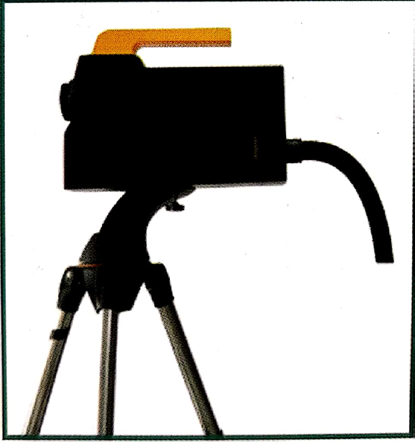
Automatic Aiming Laser Remote Obstacle Removal Robot
Pinggao Group Weihai High-Voltage Apparatus Co., Ltd.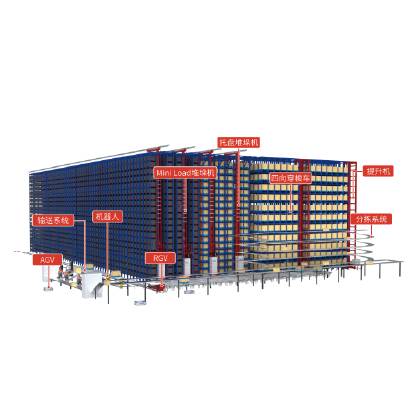
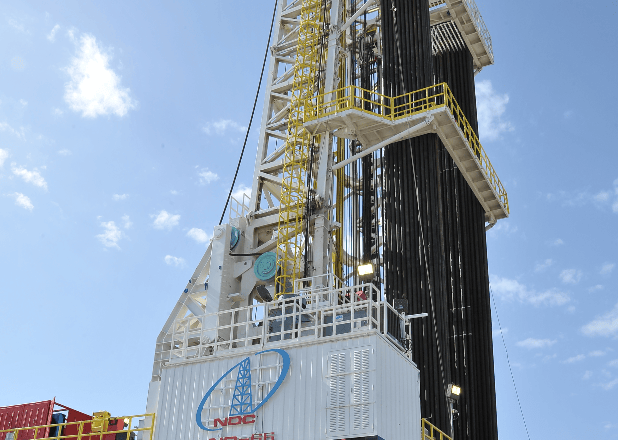

Conveyor Belt Intelligent Monitoring System
LUO YANG WIRE ROPE INSPECTION TECHNOLOGY CO., LTD.
JiuTian OneSky Pilot—Intelligent Management And Service Platform
China Times Prospect Science & Technology Co., Ltd.