ICMM (UK) Releases Ecological Data for 12,000 Mining and Metallurgical Facilities Worldwide
en.Wedoany.com Reported - On November 18, the International Council on Mining and Metals (ICMM), headquartered in London, UK, released a global biodiversity dataset for the mining and metals industry, covering approximately 12,000 mining, smelting, refining, and processing facilities. The study found that 22% of the facilities are located in areas with good or very good ecological condition, 5% overlap with Key Biodiversity Areas, and 4% overlap with protected areas or other conservation areas. The dataset combines facility geographic locations with internationally recognized ecological condition and protection status indicators, covering large-scale formal mining and metal production facilities worldwide.
There are significant differences in the distribution of facilities across different mineral commodities. The proportion of antimony, diamond, and lithium-related facilities located in areas with good ecological condition is higher than the industry average, while the proportion for platinum group metals, barite, and chromite-related facilities is relatively lower. Within Key Biodiversity Areas, the proportion of manganese, tin, and diamond-related facilities is higher than the global average, while the proportion for steel, lithium, and coal-related facilities is relatively lower. Approximately 84% of mining and metals facilities in Indonesia are located in areas with good ecological condition, predominantly thermal coal facilities.
Globally, a total of 607 mining and metals facilities geographically overlap with 359 Key Biodiversity Areas, with 12 of these areas each containing at least 6 facilities. Within the Chrissie Pans wetland in South Africa, 18 coal facilities are located, none of which fall within formally protected areas. The wetland has been identified as an area of irreplaceable importance for the global persistence of a certain species. The study also found that 73% of Key Biodiversity Areas containing mining facilities have not yet received comprehensive formal protection.
The dataset uses global data from the Integrated Biodiversity Assessment Tool (IBAT) and the WWF Biodiversity Risk Filter, conducting spatial overlay analysis of facility locations with ecological integrity, Key Biodiversity Areas, and protection status. The study uses facility point locations rather than full production footprint boundaries; therefore, the statistical proportions represent the share of facility counts, not the actual land area occupied by mining activities, nor do they directly measure the impact of individual facilities on surrounding ecosystems.
The ICMM dataset covers large-scale formal mining, smelting, refining, and processing facilities, excluding artisanal and small-scale mining, illegal mining, and closed facilities, and the statistical scope does not distinguish between ICMM member companies and other companies. The organization is also soliciting facility boundary data from companies and research institutions to further convert existing point location data into actual operational footprint areas. The released dataset and accompanying research report are part of ICMM's Global Mining Data Project.
Related Products
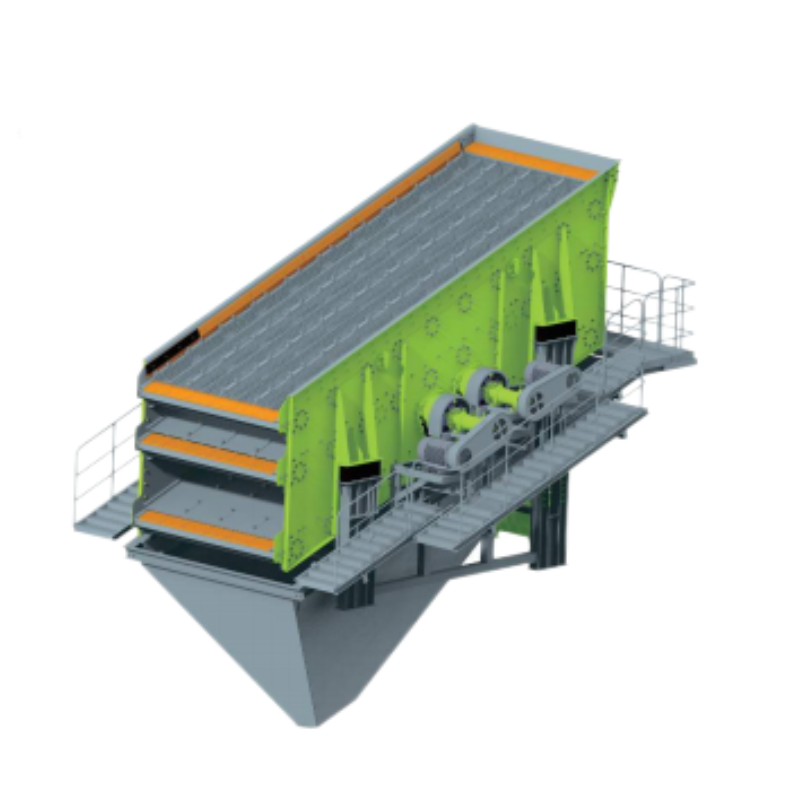

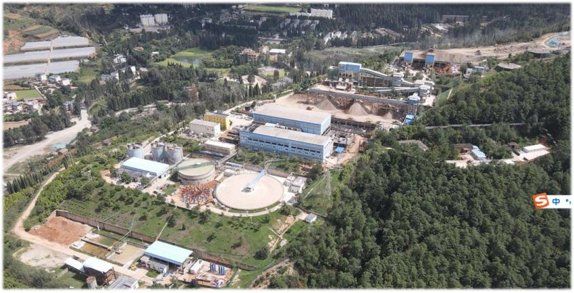
Yunnan Phosphorus Chemical Group Co., Ltd. 2 Million t/a Phosphorus Ore Mining and Beneficiation Project
China Bluestar Lehigh Engineering Corporation
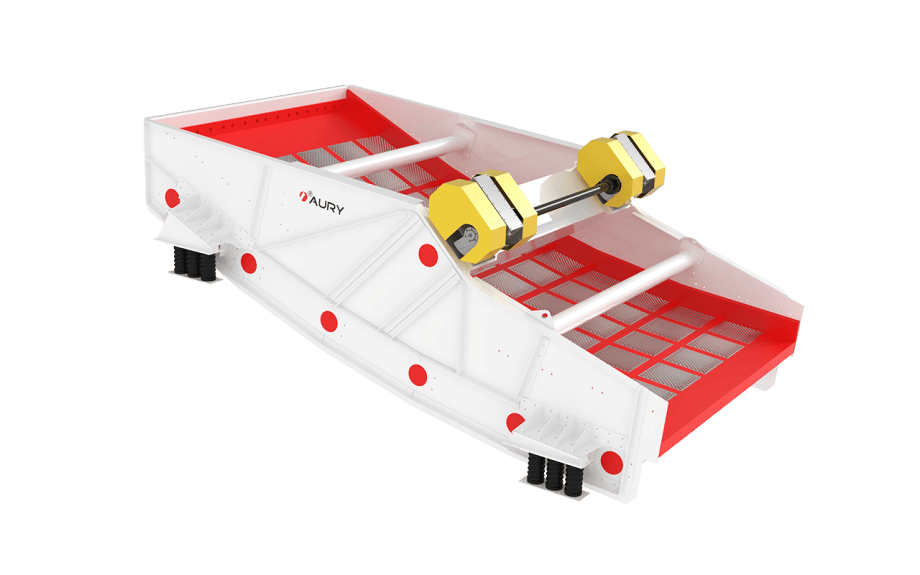
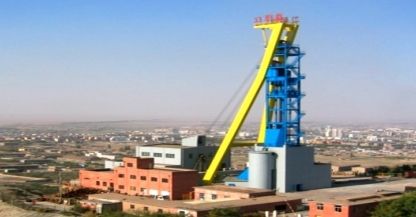
Core Technologies of the Mining Technology and Equipment Business Unit: Efficient Mining Methods and Processes
CHANGSHA INSTITUTE OF MINING RESEARCH CO., LTD.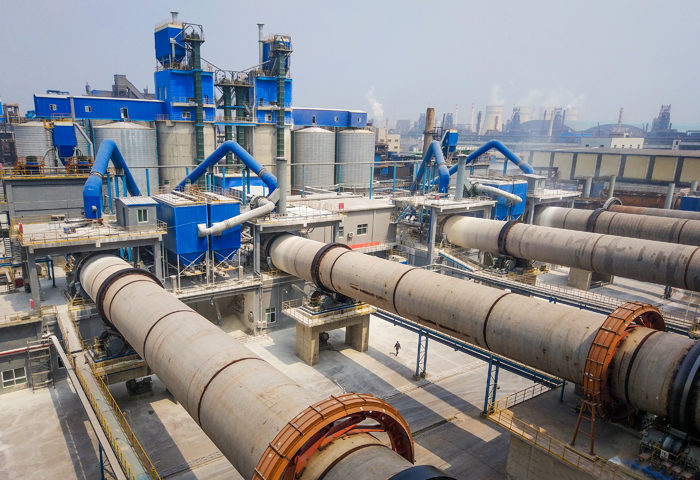
CITIC Heavy Industries Metallurgical Equipment Steel Smelting Engineering Equipment
CITIC Heavy Industries Co., Ltd.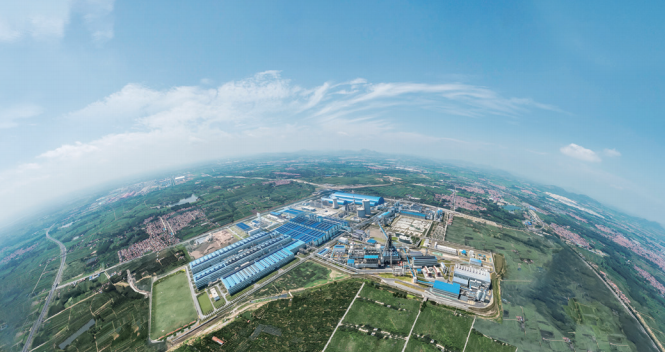
Linyi Steel Investment Special Steel 2.7 Million Tons per Year High-quality Special Steel Project
Capital Engineering & Research Incorporation Limited
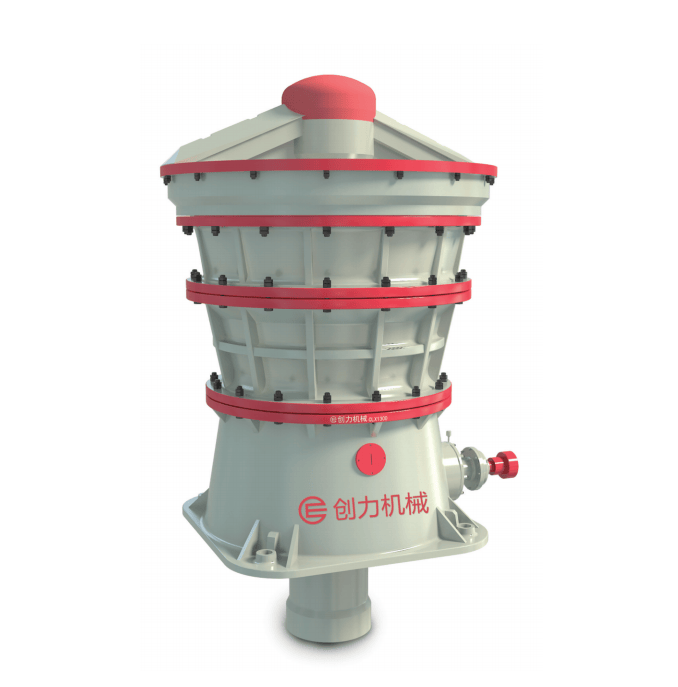
CLX Series Intelligent Hydraulic Gyratory Crusher
Guangdong CHUANGLI intelligent machinery Equipment Co., LTD