Canada Iron Ore Project Updates Pre-Feasibility Study with Annual Production of 25.9 Million Tonnes
en.Wedoany.com Reported - On November 23, Australia's Iron Bear Resources released an updated pre-feasibility study for the Iron Bear iron ore project in Labrador, Canada, raising the project's annual product output target at full capacity from 22.9 million tonnes to 25.9 million tonnes, an increase of approximately 12%. Of this, blast furnace-grade iron concentrate accounts for 7.3 million tonnes per year, and direct reduction iron pellets account for 18.6 million tonnes per year. The project's after-tax net present value increased to US$11.6 billion, with pre-production capital expenditure estimated at approximately US$4 billion.
The updated study adopts an 8% discount rate, with the project's after-tax net present value rising from approximately US$9 billion to US$11.6 billion, an increase of 29%; the after-tax internal rate of return increased from 15.2% to 17.9%. Pre-production capital expenditure decreased from approximately US$4.2 billion to US$4 billion, a reduction of 5%. The study also adjusted the mine's expected operating life from 44 years to 40 years, while the economic assessment continues to use the previously established key iron ore price assumptions.
The production system is planned for construction in three phases, with each concentrator line having a nominal annual capacity of 9.2 million tonnes of blast furnace-grade iron concentrate. The updated plan optimizes the crushing and grinding process, mine extraction schedule, and concentrator processing capacity, and advances the commissioning of the third production line from Year 9 to Year 8 of production. The first phase has a construction period of 5 years, with the subsequent two phases each scheduled for approximately 3.5 years of construction and commissioning.
In terms of product specifications, the blast furnace-grade iron concentrate targets an iron grade of 69.1%, and the direct reduction pellets target an iron grade of 68.4%. The project plans to upgrade a portion of the blast furnace-grade concentrate to direct reduction-grade concentrate with an iron grade of 71% through a reverse flotation process, which will then be sent to pelletizing facilities for processing. The estimated production cost for direct reduction pellets decreased from US$87 per dry metric tonne to US$84 per dry metric tonne, while the production cost for blast furnace-grade iron concentrate remains at US$64 per dry metric tonne.
The project's current ore reserve estimate is 3.3 billion tonnes with an average iron grade of 29.1%; the mineral resource estimate is 13.6 billion tonnes with an average iron grade of 30.03%. The development plan intends to use hydroelectric power from Churchill Falls, transport iron concentrate via existing heavy-haul railway to the Port of Pointe-Noire, and build supporting pelletizing and port facilities in phases.
Related Products
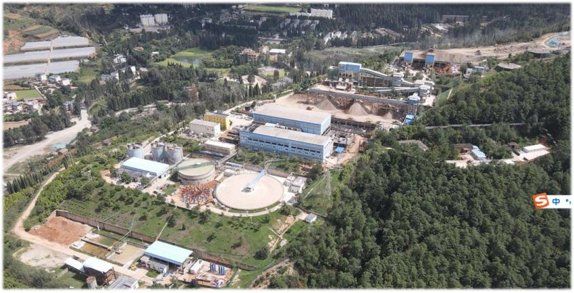

Yunnan Phosphorus Chemical Group Co., Ltd. 2 Million t/a Phosphorus Ore Mining and Beneficiation Project
China Bluestar Lehigh Engineering Corporation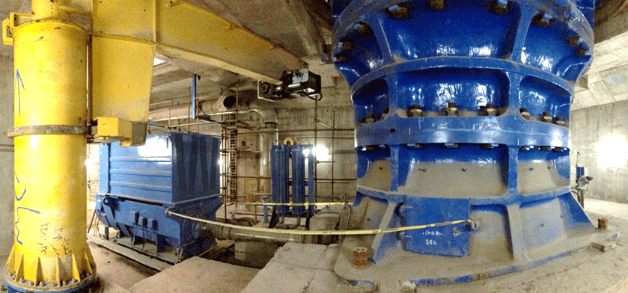
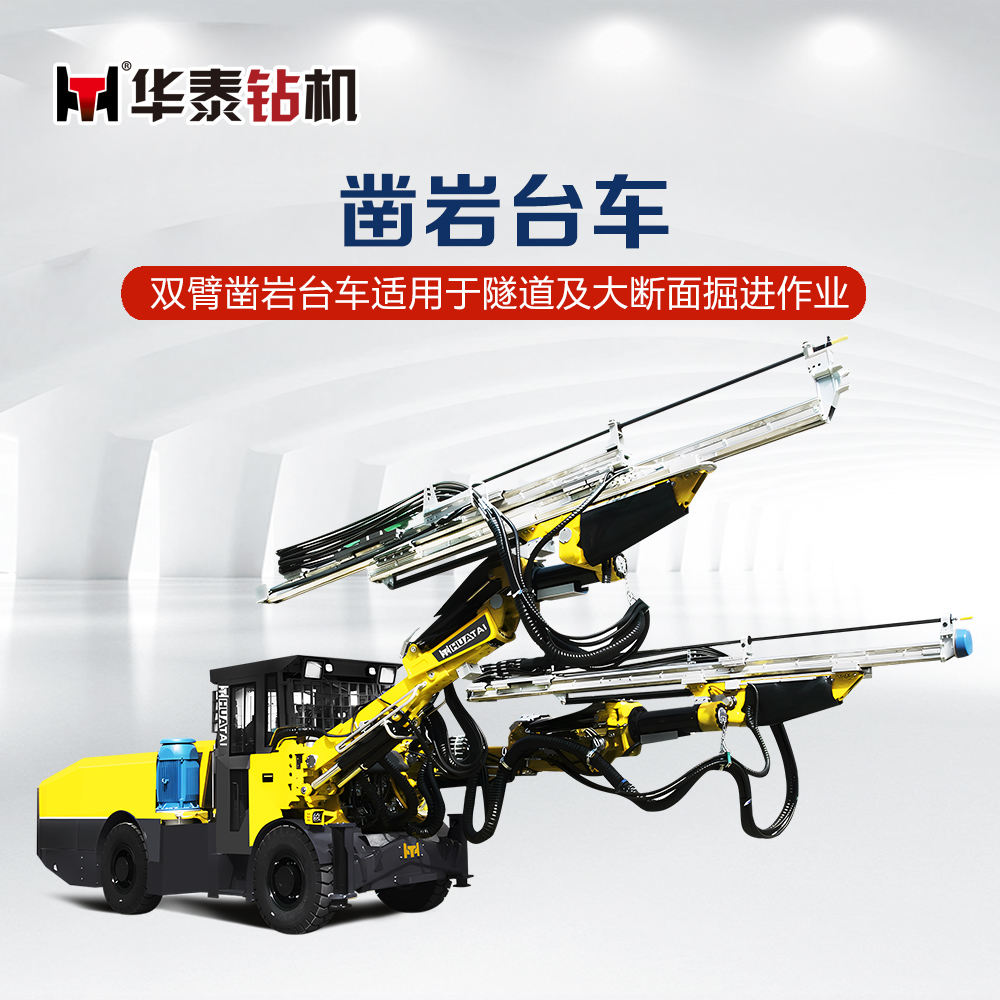
CYTJ45/2 Mining Hydraulic Tunneling Drill Rig
Zhangjiakou Xuanhua Huatai Mining and Metallurgical Machinery Co., Ltd.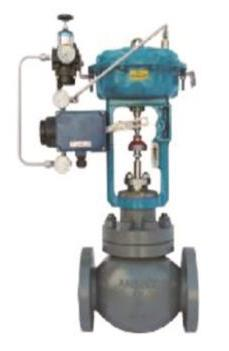
Quick-Change Single-Seat Control Valve / Quick-Change High-Pressure Single-Seat Control Valve
Beijing Consen Automation Technology Co., Ltd.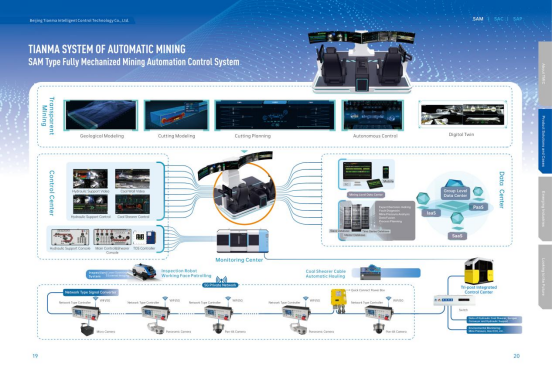
Comprehensive Mining Automation Control System
Beijing Tianma Intelligent Control Technology Co., Ltd.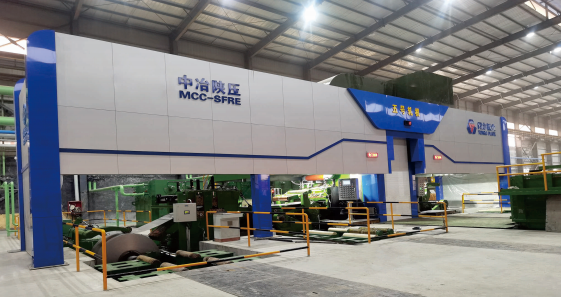
1050-1750mm Steel Strip Single-stand Reversible Cold Rolling Production Line
MCC-SFRE HEAVY INDUSTRY EQUIPMENT CO., LTD.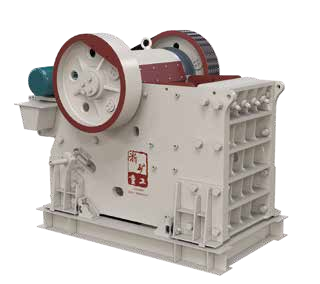
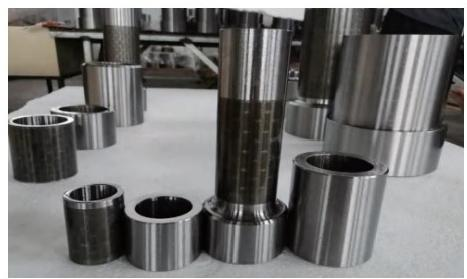
High-temperature Equal Wall Thickness High-power Screw Drilling Tool
Orient Energy & Technologies Co., Ltd.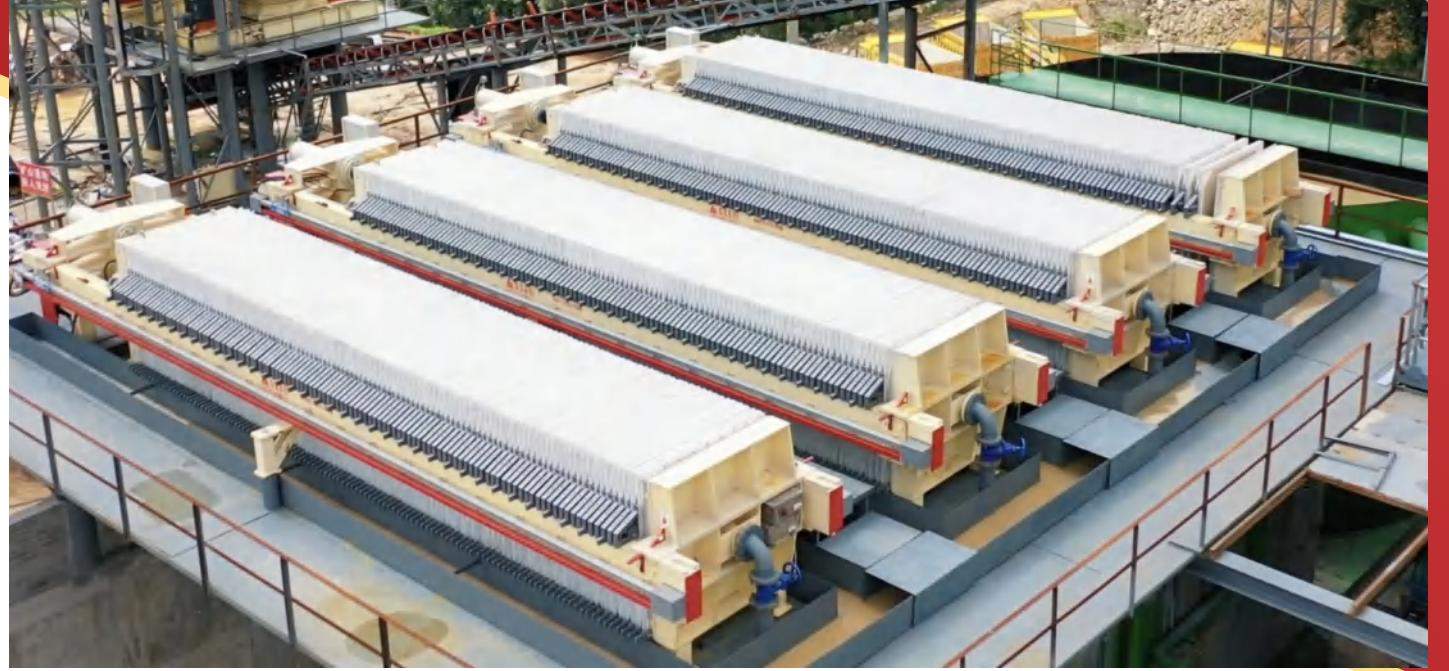
Hydraulic Plate and Frame Filter Press
Guangdong Leimeng Intelligent Equipment Group Co., Ltd.