Australian Company Discovers High-Grade Rare Earths in 2.5 km Exploration Corridor in Brazil
en.Wedoany.com Reported - On November 18, Australian mining company Brazilian Rare Earths announced exploration results for the Pelé South rare earth project in Bahia State, Brazil, with high-grade rare earth mineralization discovered at both the northern and southern ends of a priority exploration corridor exceeding 2.5 km in strike length. Among these, drill hole STU2909 returned an average total rare earth oxide (TREO) grade of 13.2% over 6 m from surface, including a high-grade interval of 16.6% average grade over 4 m from 2 m downhole depth.
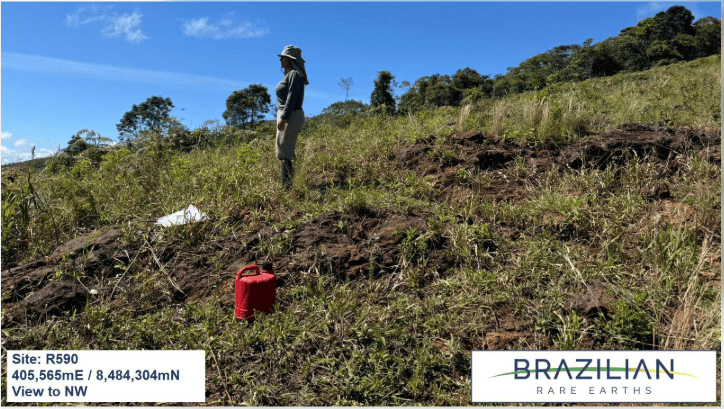
Other drill holes in the southern discovery area also returned high-grade results. Drill hole STU2831 returned an average TREO grade of 10.0% over 12 m from surface, drill hole STU2774 returned 11.4% over 6 m from 3 m downhole depth, and drill hole STU2762 returned 8.6% over 8.5 m from 2 m downhole depth. Multiple high-grade auger holes in this area remained within the mineralized zone upon reaching the mechanical drilling limit.
Diamond drilling in the northern extension area yielded further results. Drill hole TG5DD0004 returned an average TREO grade of 11.2% over 14.3 m from surface, including 13.8% over 1.2 m from 11.3 m downhole depth; drill hole TG5DD0003 returned 10.6% over 7.8 m from surface. The northern mineralized zone has been drill-verified over approximately 250 m of strike extent along a south-southwest direction.
Grade statistics show that the reported significant auger-drilled mineralized intervals at Pelé South have a length-weighted average TREO grade of 5.0%, higher than the 2.3% for comparable shallow weathered zone drill intervals at Monte Alto. The 30 reported intervals with TREO grades exceeding 1% total 207 m of cumulative drill length. Some mineralized intervals also returned combined neodymium-praseodymium content of up to 25,532 ppm and combined dysprosium-terbium content of up to 1,189 ppm; the 6 m interval in drill hole STU2774 returned scandium oxide content of 392 ppm.
Geophysical exploration covered approximately 1.6 km², with more than 5,500 ground gamma-ray spectrometry measurement points completed, identifying a high-intensity radioactive anomaly zone extending over 850 m with a maximum width of approximately 50 m. Two north-south-trending anomaly zones were also identified east of the main mineralized corridor, and preliminary auger drilling returned mineralized intervals with TREO grades exceeding 1% in the relevant areas, expanding the priority exploration target by approximately 2 km in the east-west direction.
As of this announcement, Brazilian Rare Earths has completed an additional 268 auger drill holes at Pelé South, totaling 2,837 m of drilling, of which assay results for 224 holes, approximately 2,458 m, have been included in this report. The company is also conducting inclined diamond core drilling to test primary bedrock mineralization, true thickness, and dip continuity beneath the shallow high-grade mineralized zone.
Related Products
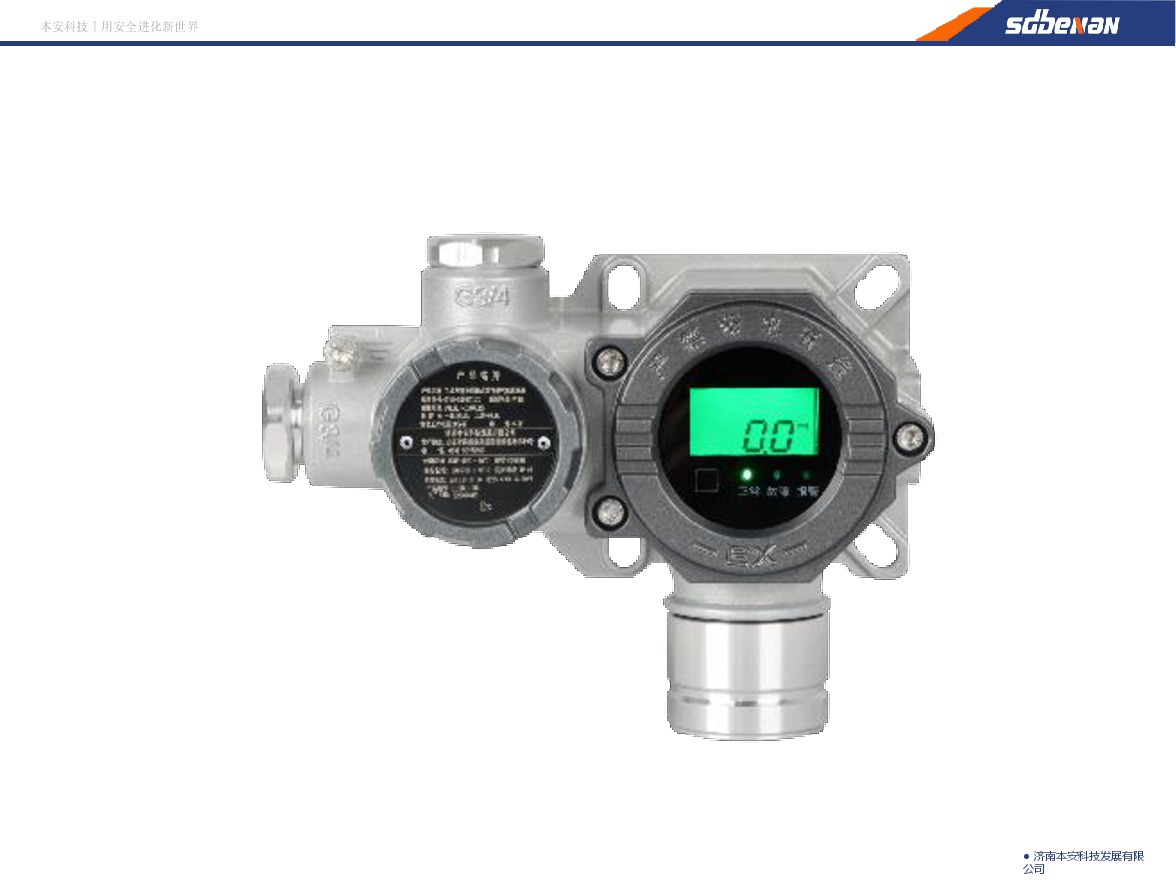

Industrial and Commercial Point-Type Gas Detector
Jinan Benan Technology Development Co., Ltd.
Hydraulic Plate and Frame Filter Press
Guangdong Leimeng Intelligent Equipment Group Co., Ltd.

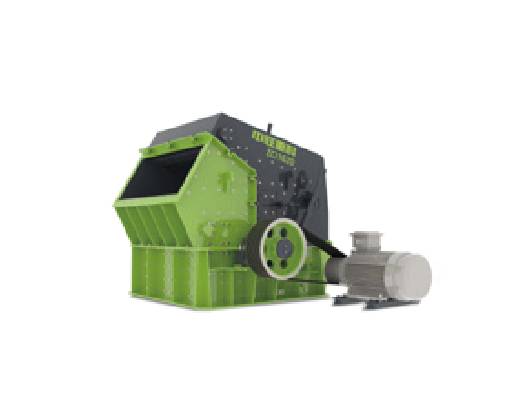
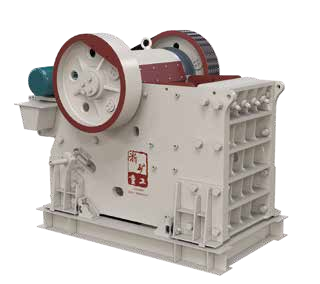
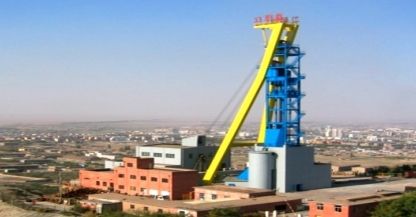
Core Technologies of the Mining Technology and Equipment Business Unit: Efficient Mining Methods and Processes
CHANGSHA INSTITUTE OF MINING RESEARCH CO., LTD.
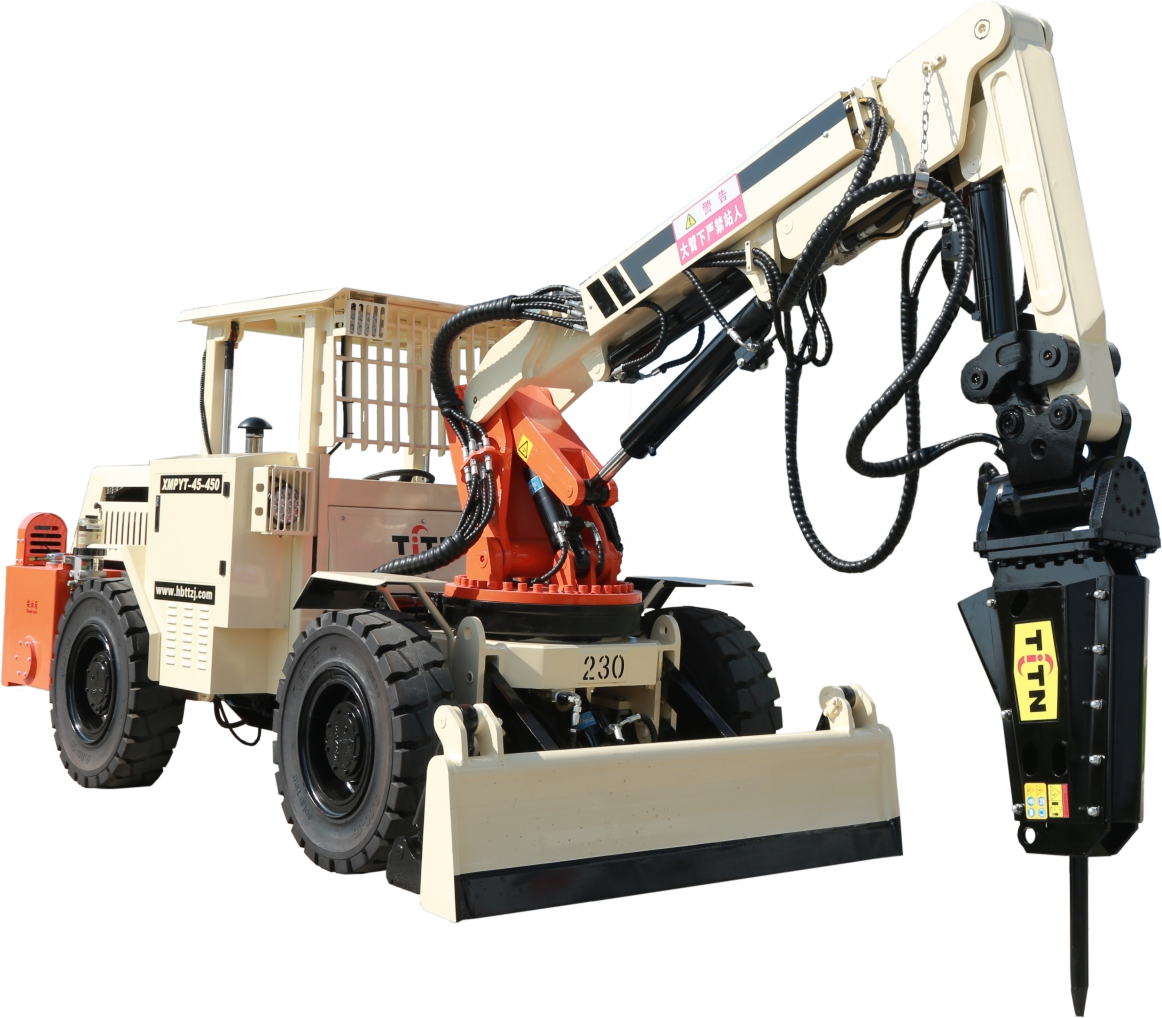
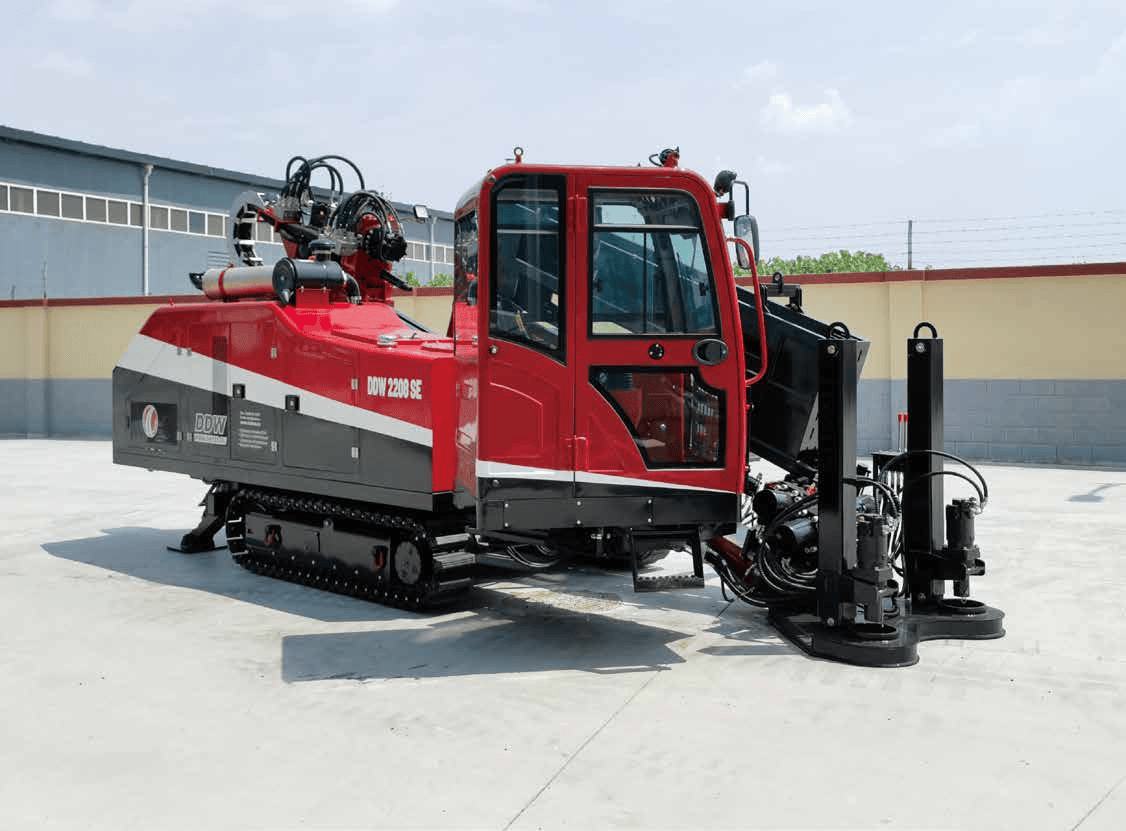
DDW22/08SE-HORIZONTAL DIRECTIONAL DRILL
DW/TXS Construction Equipment (Beijing) Co., Ltd.