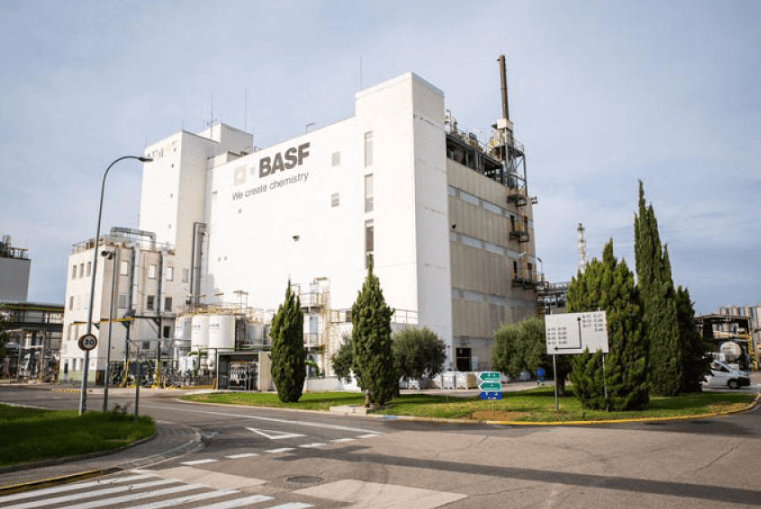
BASF Germany Launches EU CE Certification Support Program for Biodegradable Mulch Films
en.Wedoany.com Reported - On November 20, the German chemical company BASF launched an EU CE compliance support program for manufacturers of soil-biodegradable mulch films. Using its ecovio® M2351 biopolymer and accompanying material test data, the program provides technical documentation for conformity assessment and CE marking applications for finished mulch films under the EU Fertilising Products Regulation (EU 2019/1009). The material has obtained soil biodegradability certification in accordance with the EN 17033 standard. This support focuses on the regulatory compliance and European market access of finished mulch films.
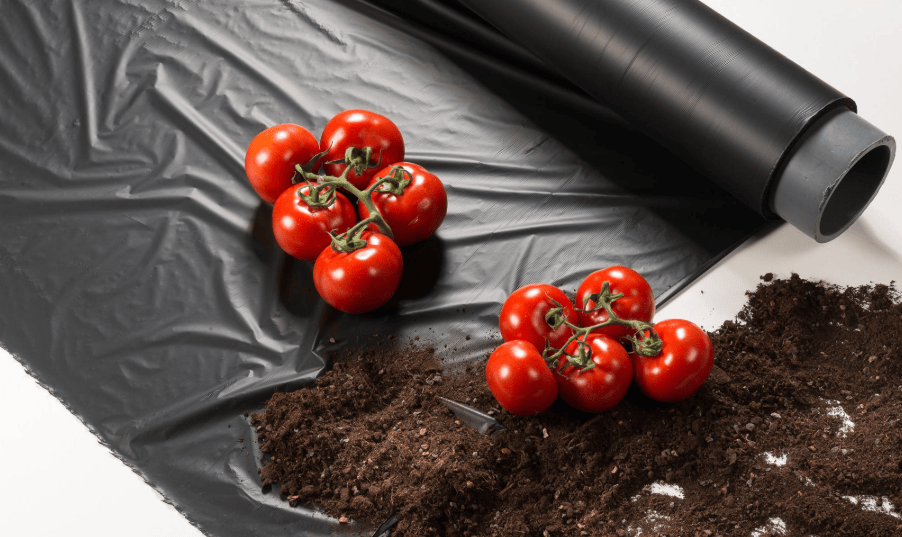
Under Regulation (EU) 2019/1009, applicable soil-biodegradable mulch film polymers must demonstrate their biodegradability in agricultural soil and aquatic environments using the prescribed test methods and timeframes. The relevant tests must also assess whether the polymer and its degradation products have adverse effects on plants, earthworms, soil, and soil microorganisms under foreseeable conditions of use.
The material test data provided by BASF covers soil biodegradability performance and ecotoxicity data. Mulch film manufacturers can use these data as supporting evidence for conformity assessment of finished products, and apply for CE marking in combination with testing and technical documentation of the final product. This program is based on ecovio® M2351, which has obtained EN 17033 certification, and does not mean that all mulch films produced using this material automatically obtain CE certification.
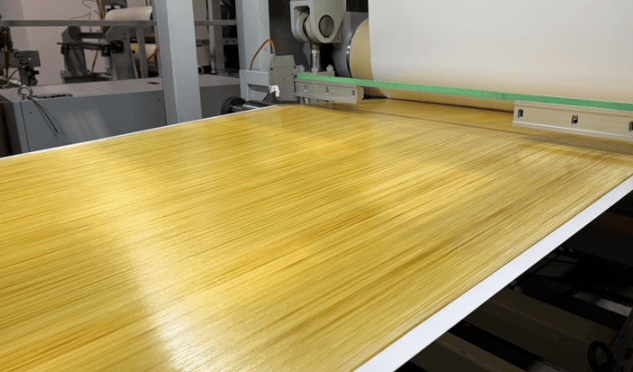
ecovio® M2351 is specifically developed for agricultural soil-biodegradable mulch films and can be processed on conventional film extrusion equipment, making it suitable for film production under different crops and climatic conditions. Mulch films made from this material and compliant with the relevant degradation standards can be left in the soil and plowed under after crop harvest, where they are gradually degraded by naturally occurring microorganisms into carbon dioxide, water, and biomass.
Related Products

Hongxing Steel Chemical Pressure Vessel Steel Plate
Gansu JISCO Group Hongxing Iron and Steel Co., Ltd.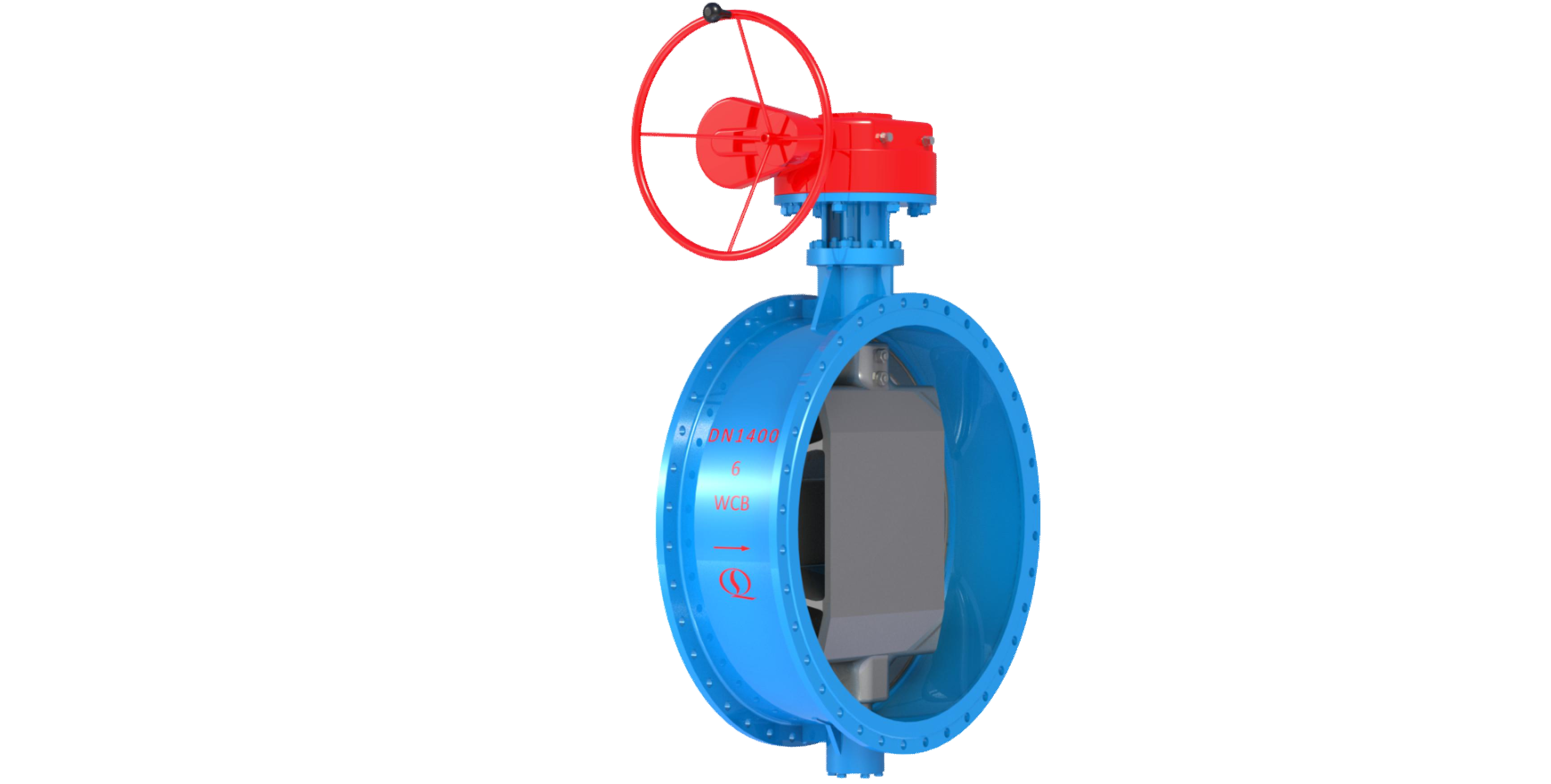
Bidirectional Metal Hard Sealed Seawater Butterfly Valve
Henan Quanshun Flow Control Science & Technology Co., Ltd.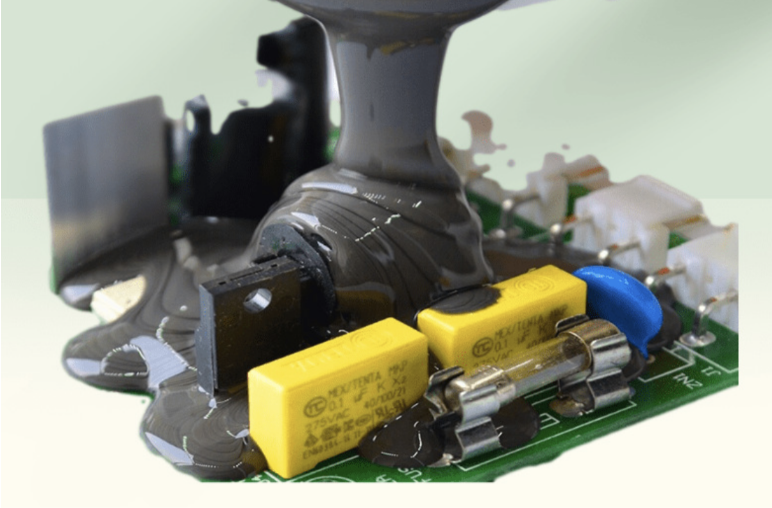
High Thermal Conductivity Encapsulating Resin
Nantong BESALL Sealing Technology Company.,Limited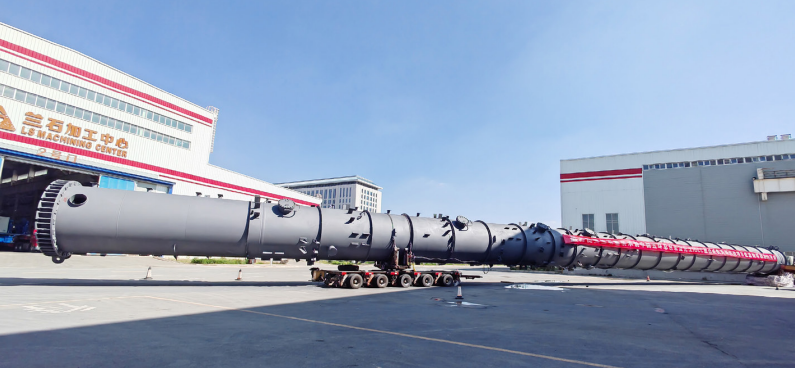

CAP1400 main feedwater flow nozzle flowmeter.
Jiangsu Hongda Instrument Technology Co., Ltd.