Swiss EPFL Proposes New Predictive Theory for High-Confinement Mode in Nuclear Fusion
en.Wedoany.com Reported - On November 20, the Swiss Federal Institute of Technology Lausanne (EPFL) released research findings on tokamak nuclear fusion plasma confinement theory, proposing a new theoretical model for predicting the heating power required for plasma to transition from low-confinement mode (L-mode) to high-confinement mode (H-mode). The research was completed by the team of Brenno De Lucca at the Swiss Plasma Center of EPFL, and the related paper was published on November 13 in Physical Review Letters. The model comprehensively considers plasma density, magnetic field direction, and particle collision effects, and predicts that the minimum heating power required for the International Thermonuclear Experimental Reactor (ITER) to enter H-mode is approximately 43 MW.
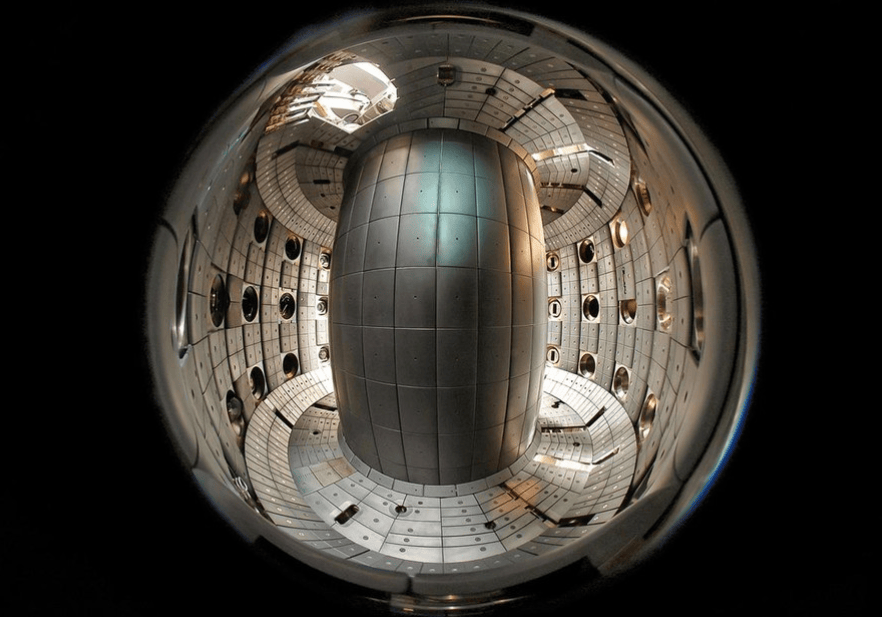
The research team used heat-flux-driven two-fluid numerical simulations to reproduce the confinement mode transition that occurs in tokamak plasma when heating power exceeds a critical threshold. Simulation results show that electromagnetic drift-wave turbulence at the plasma edge can spontaneously form electric-field drift flows with velocity shear, suppressing turbulent transport in the edge region and reducing heat loss. Based on this, the researchers established a mathematical model and compared it with existing tokamak experimental measurements.
Regarding the phenomenon that the H-mode transition threshold differs under different magnetic field directions, the study found that finite particle collision effects can alter the plasma flow state through turbulent momentum transport. The model also derived the variation patterns of the heating power threshold under high-density and low-density conditions, predicting the conditions under which heating demand reaches a minimum as density varies. The prediction accuracy of the relevant theoretical scaling relations reaches or exceeds that of existing empirical scaling models.
The research team further applied the model to two nuclear fusion devices under construction. For ITER in France, the model predicts that the minimum heating power required to enter H-mode is approximately 43 MW, below its planned heating capability of 73 MW. For the SPARC compact high-magnetic-field tokamak developed by Commonwealth Fusion Systems in the United States, the predicted minimum heating power is approximately 26 MW, close to its planned heating capability of 25 MW, with greater uncertainty in the prediction results.
Related Products

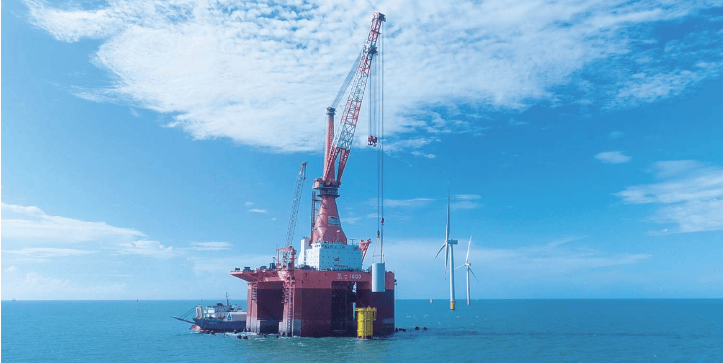
"Shunyi 1600" Deep-submerging Bottom-sitting Multi-functional Wind Power Engineering Vessel
Zhengli Offshore Engineering Co., Ltd.
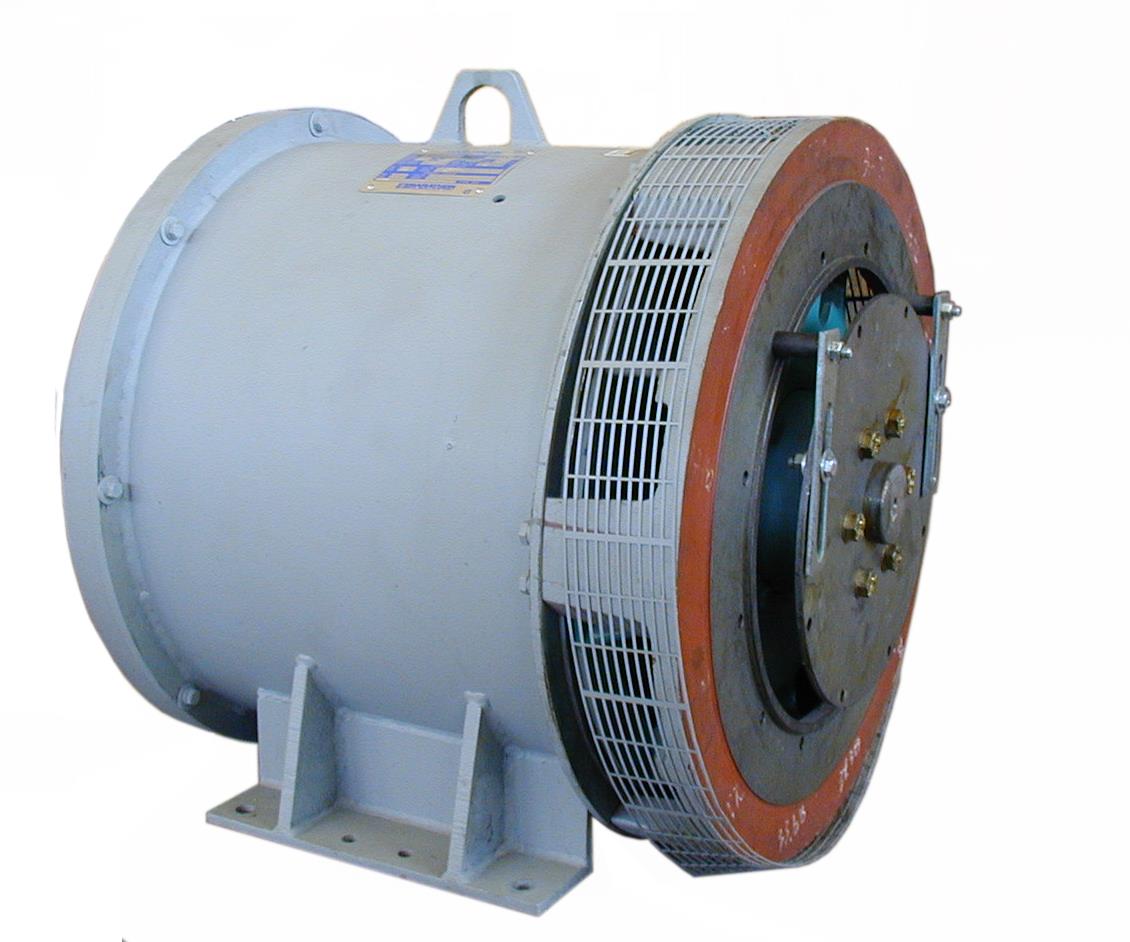

Hydraulic Turbine Genset
Dongfang Electric Corporation Dongfang Electric Machinery Co., Ltd.
Forest and Grassland Heat Source Infrared Monitor
China Huayun Meteorological Technology Group Co., Ltd.