Siemens Germany Launches 1500 V Heavy-Duty DC Contactor
en.Wedoany.com Reported - On November 20, Siemens AG of Germany released the SIRIUS 3QC1 heavy-duty DC contactor, which adopts hybrid switching technology combining semiconductors with mechanical contacts, achieves a maximum operating voltage of 1500 V and a maximum rated current of 600 A, and is designed for a switching life of at least 150,000 operations. The product targets applications such as energy storage systems, high-power charging facilities for electric vehicles, photovoltaic power plants, and marine DC power distribution, enabling arc-free switching of high-voltage, high-current DC loads.
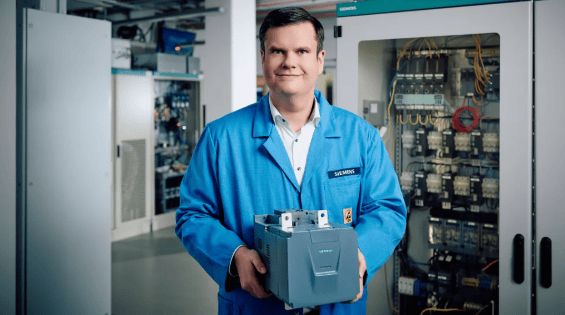
Conventional mechanical DC contactors are prone to arcing when breaking high-current DC loads, causing contact erosion and material loss. Unlike alternating current, direct current has no natural zero crossing, so switching devices require dedicated arc-extinguishing and breaking technologies. As the power levels of battery energy storage, DC charging, and industrial DC microgrids increase, switching devices are subject to higher requirements for breaking capacity, service life, and electrical isolation performance.
The SIRIUS 3QC1 uses a structure in which semiconductors and mechanical contacts work in coordination. When a switching operation is performed, the semiconductor devices handle the actual current transfer process, preventing the mechanical contacts from directly breaking high currents and generating arcs; once stable conduction is established, the mechanical contacts close to carry the current, reducing conduction losses during continuous operation. At the same time, the mechanical contacts provide electrical isolation, forming a reliable isolation path after the current is cut off.
This structure combines the fast, arc-free switching characteristics of semiconductor switches with the low-loss conduction advantages of mechanical contacts. Siemens states that the product can perform at least 150,000 switching operations and supports bidirectional current switching, meaning that the corresponding switching operation can be performed regardless of the direction of current flow. For energy storage systems that require frequent charging, discharging, and energy feedback, this function can reduce the need for switching device configurations for different current directions.
The contactor can be used in 100 kW standard-power battery racks, as well as high-power racks of up to 375 kW, 1500 V DC voltage, and 300 A current. In the field of transportation electrification, the product can be used in megawatt-level fast charging facilities for fleets, heavy trucks, and electric buses with power up to 1000 kW. In addition, it can be applied in marine DC power distribution systems and industrial DC microgrids connecting photovoltaic generation and energy storage equipment.
The product is available in four rated current specifications: 300 A, 400 A, 500 A, and 600 A. It uses a 24 V DC control voltage, can operate in environments from minus 25 degrees Celsius to plus 60 degrees Celsius, and withstands ambient humidity of up to 95%. The device integrates status and operating condition indicator lights and supports remote control, enabling equipment status monitoring and switching operations at industrial sites.
Siemens also notes that DC power distribution systems can achieve energy savings of up to 8% by reducing AC/DC conversion stages, and can reduce material usage by up to 50% by decreasing cable cross-sectional area, the number of conductors, and related electrical components. These figures are the company's estimates of the application potential of DC systems and are not energy-saving test results for a single SIRIUS 3QC1 device.
Related Products
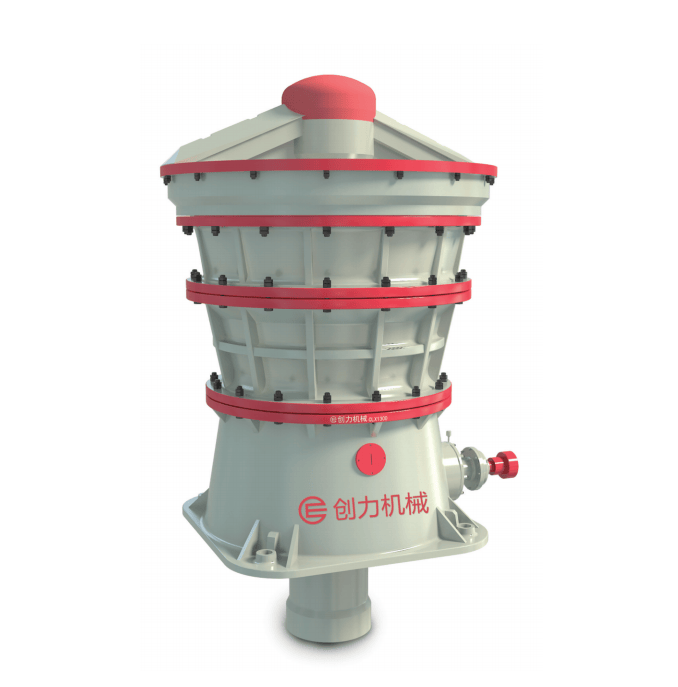

CLX Series Intelligent Hydraulic Gyratory Crusher
Guangdong CHUANGLI intelligent machinery Equipment Co., LTD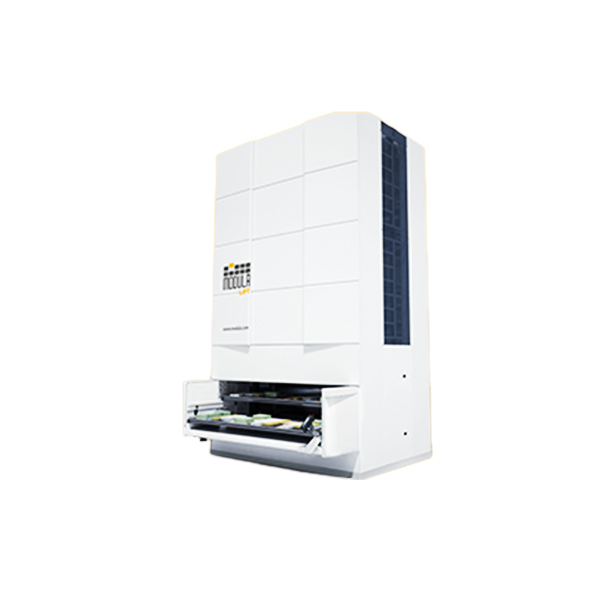
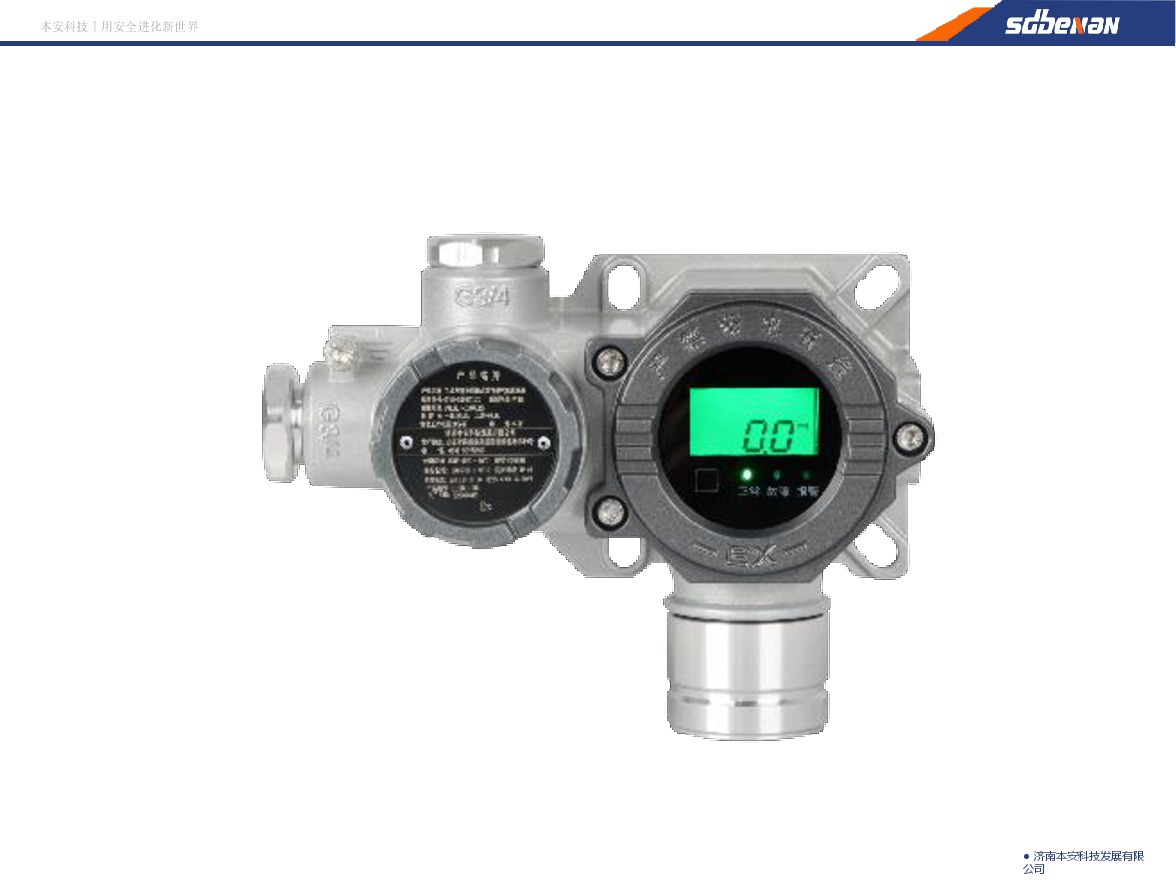
Industrial and Commercial Point-Type Gas Detector
Jinan Benan Technology Development Co., Ltd.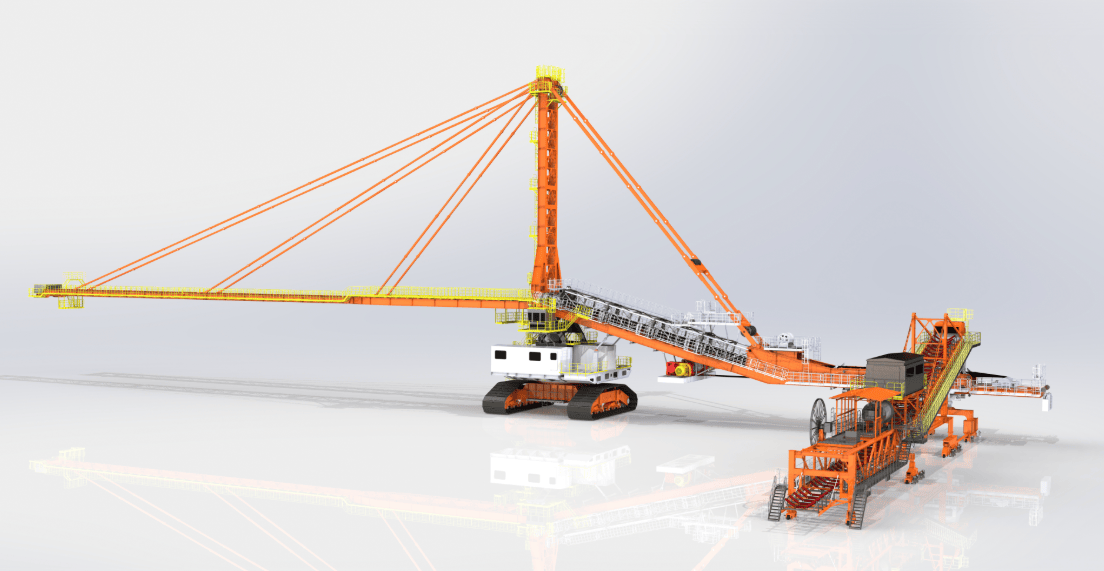
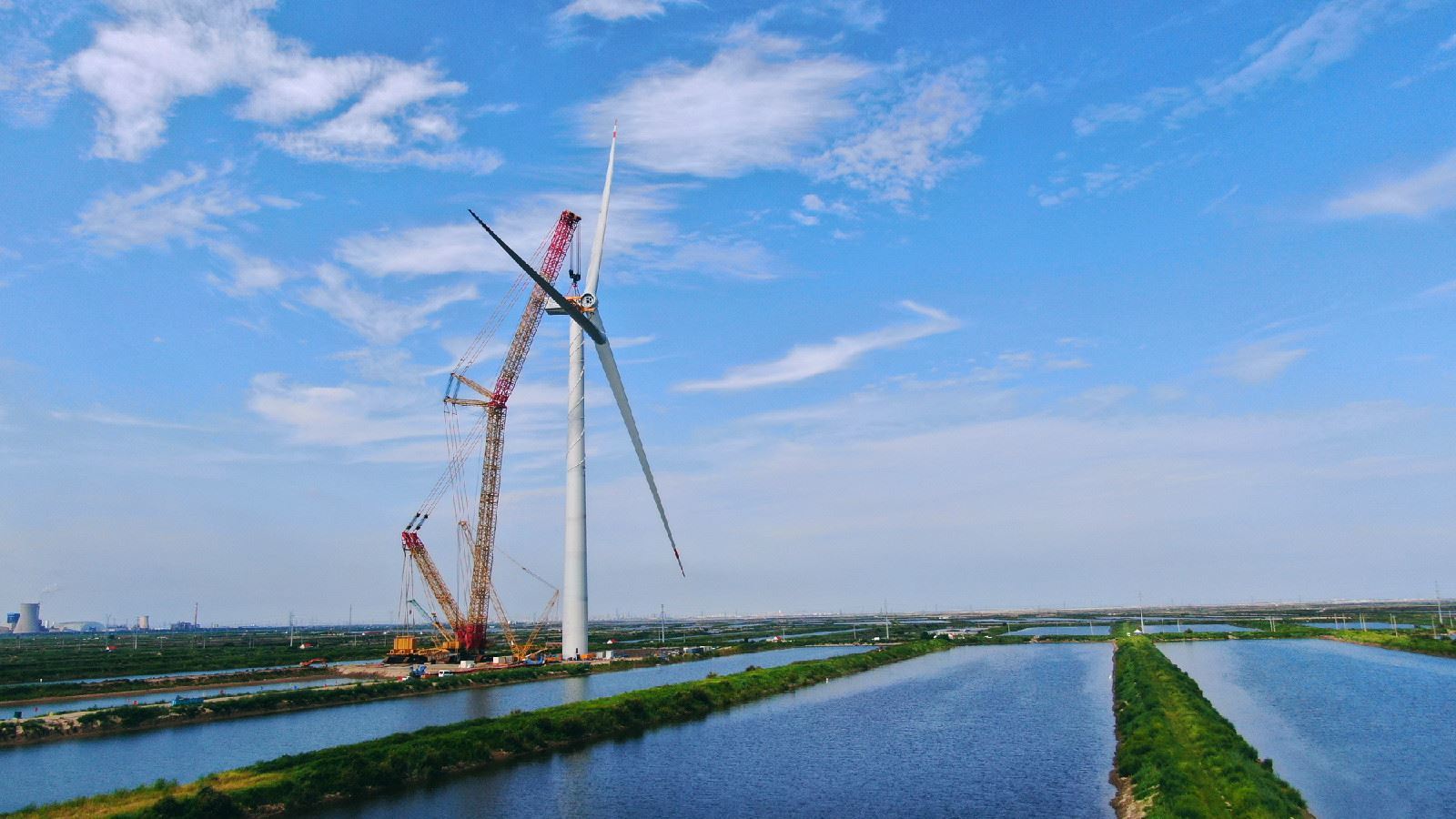
Dongying Offshore Wind Power 26MW Single-Unit Offshore Wind Turbine Installation Project
SINOPEC HEAVY LIFTING & TRANSPORTATION CO., LTD.
CAP1400 main feedwater flow nozzle flowmeter.
Jiangsu Hongda Instrument Technology Co., Ltd.
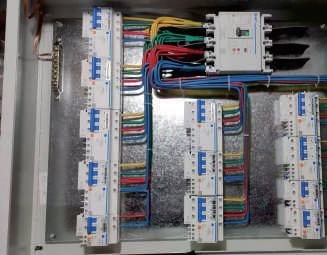
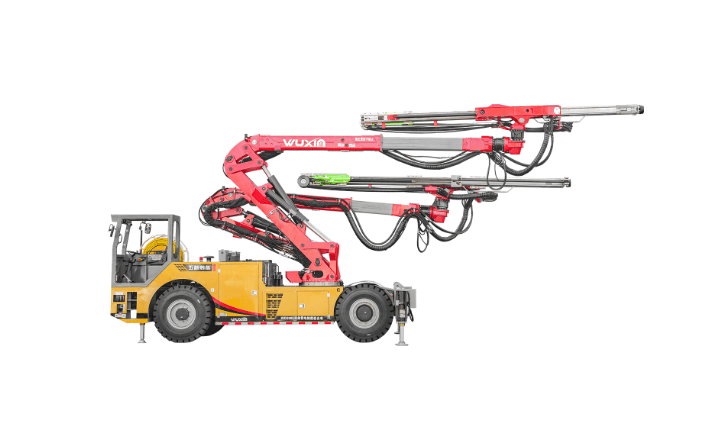
Double-Boom Computerized Rock Drilling Jumbo WD200E
Hunan Wuxin Intelligent Equipment Group Co., Ltd.
Aluminum-Magnesium Alloy High-Pressure Die-Casting Molds
NINGBO HELI TECHNOLOGY CO., LTD.