Boğaziçi University Releases Research Findings on Optimization of Aging Hydropower Unit Renewal
en.Wedoany.com Reported - On November 23, Boğaziçi University in Türkiye released research findings on turbine renewal for aging small hydropower stations. Assistant Professor Veysel Yıldız of the university collaborated with Solomon Brown and Charles Rougé, researchers at the University of Sheffield in the United Kingdom, on the study, which was published in Renewable Energy. The research proposes a turbine renewal optimization framework that accounts for climate change uncertainty, and through a case study of an actual hydropower station in Scotland, compares the power generation, economic returns, and long-term operational performance of different unit replacement schemes.
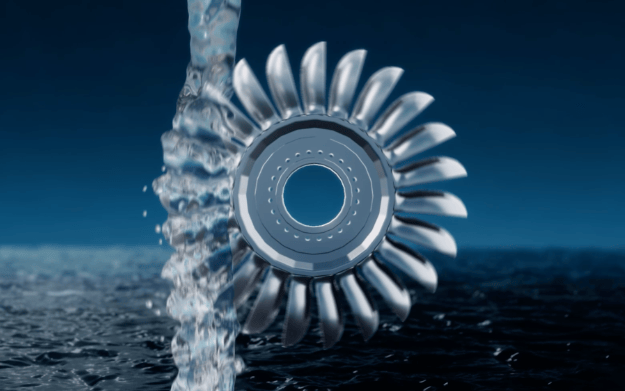
Aiming at the conventional practice in hydropower station renovation of directly replacing old equipment with units of the same model, the study established an optimization model that takes future hydrological condition changes into account. The model simultaneously considers turbine installed capacity, design operating range, and future climate scenarios, and compares the long-term power generation and net present value of investment across different equipment combinations.
In the Scottish hydropower station case, the research team conducted simulation comparisons between a same-specification unit replacement scheme and a differentiated unit configuration scheme. The results showed that employing turbines of different capacities and operating ranges and optimizing the renewal configuration based on net present value of investment outperformed the scheme of directly replacing with units of the original specifications in terms of power generation, profitability, and financial robustness under climate uncertainty.
The differentiated unit configuration scheme proposed in the study allows hydropower stations to adjust unit capacity and operating parameters during renovation, enabling different units to adapt to different flow conditions. The model tests equipment renewal schemes across multiple future climate scenarios, rather than determining replacement models and operating parameters solely based on existing hydrological data.
The research materials also noted that by 2030, more than 20% of hydropower units worldwide are expected to exceed 55 years of service. The optimization framework established in the paper targets aging run-of-river small hydropower stations, with research scope covering equipment selection, comparison of renewal schemes, and long-term economic assessment. The current results are at the stage of model research and simulation of actual hydropower station cases.
Related Products
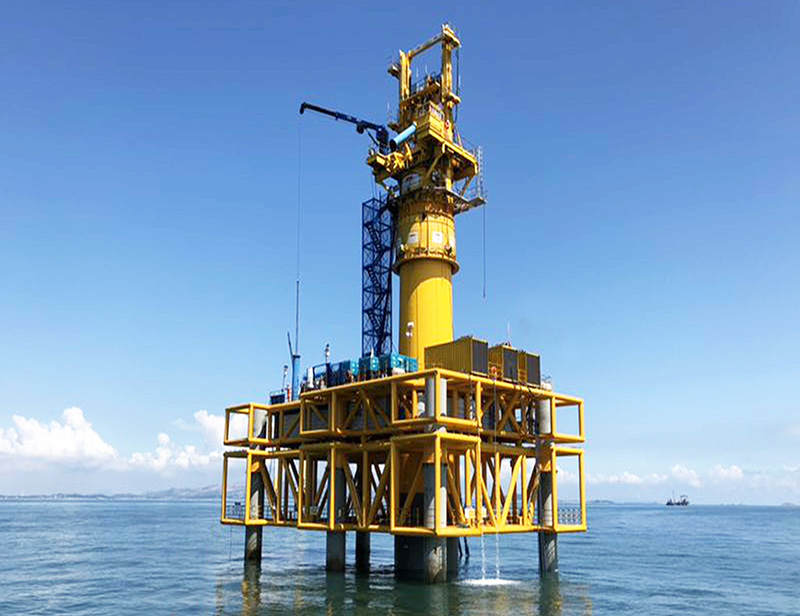

CITIC Heavy Industries Offshore Wind Power Equipment Hydraulic Pile Hammer
CITIC Heavy Industries Co., Ltd.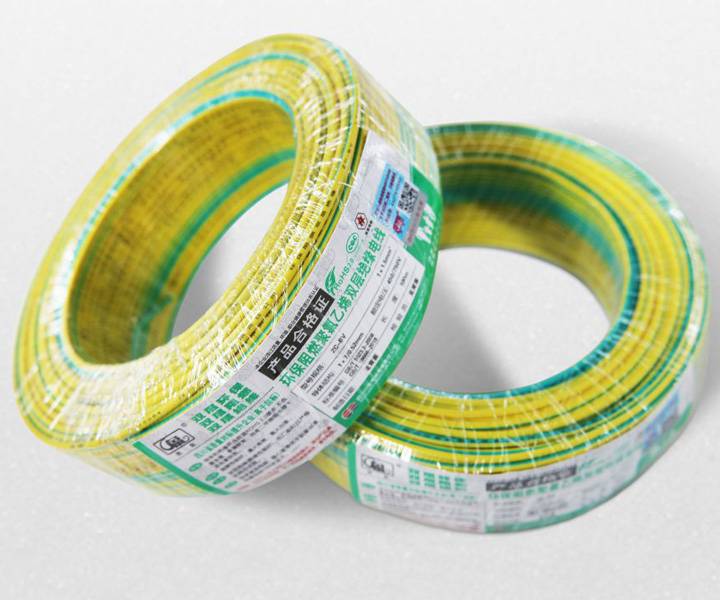
Environmentally Friendly Flame-retardant PVC Double-layer Insulated Wire
Sichuan Chndo Cable Co., Ltd.
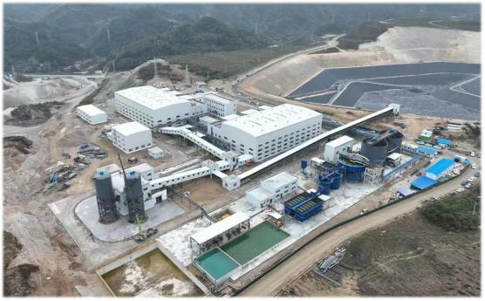
Yingping Mining Section Open-pit Tailings Backfill Treatment of Goaf Ecological Restoration EPC Project
China Bluestar Lehigh Engineering Corporation
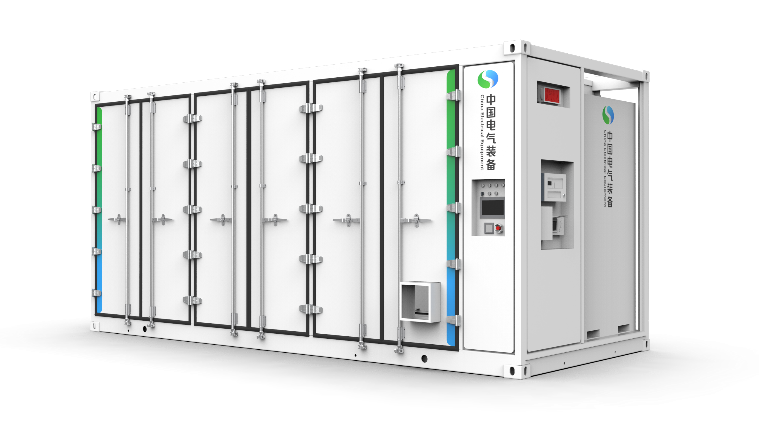
MESS8201-2507/5015-BN Prefabricated Liquid-cooled Energy Storage Battery Container
Xuchang Xuji Electric Science Energy Storage Technology Co., Ltd.
"Shunyi 1600" Deep-submerging Bottom-sitting Multi-functional Wind Power Engineering Vessel
Zhengli Offshore Engineering Co., Ltd.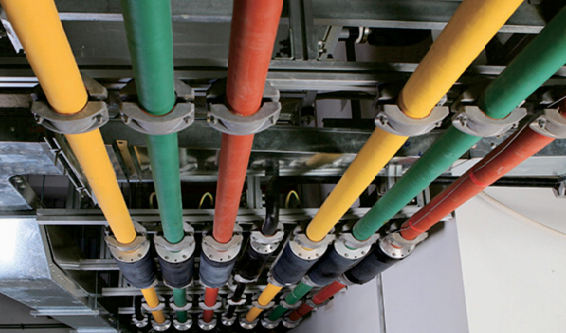
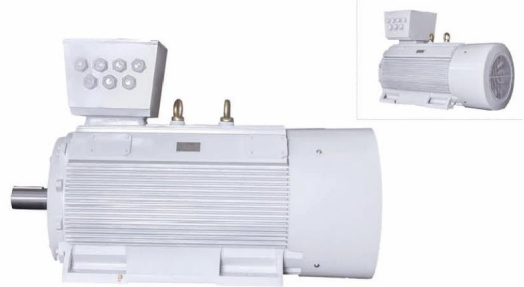
YE3 Series Low Voltage High Power Three-Phase Asynchronous Motor
Shandong Lijiu Electrical Machinery Co., Ltd.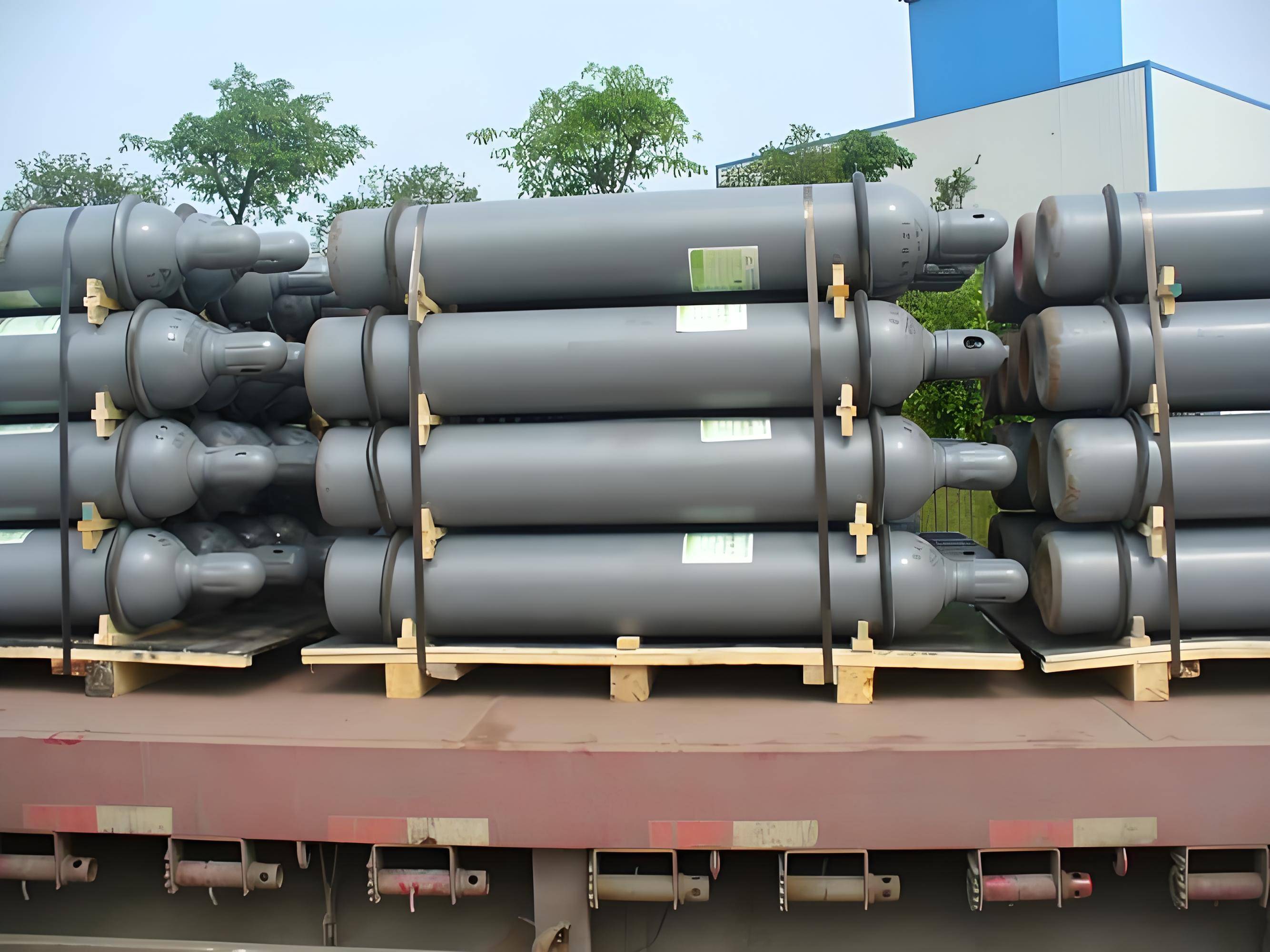
Global Sulfur Hexafluoride Gas Supply and Cylinder Export
Foshan Yuexin Industrial Gas Co., Ltd.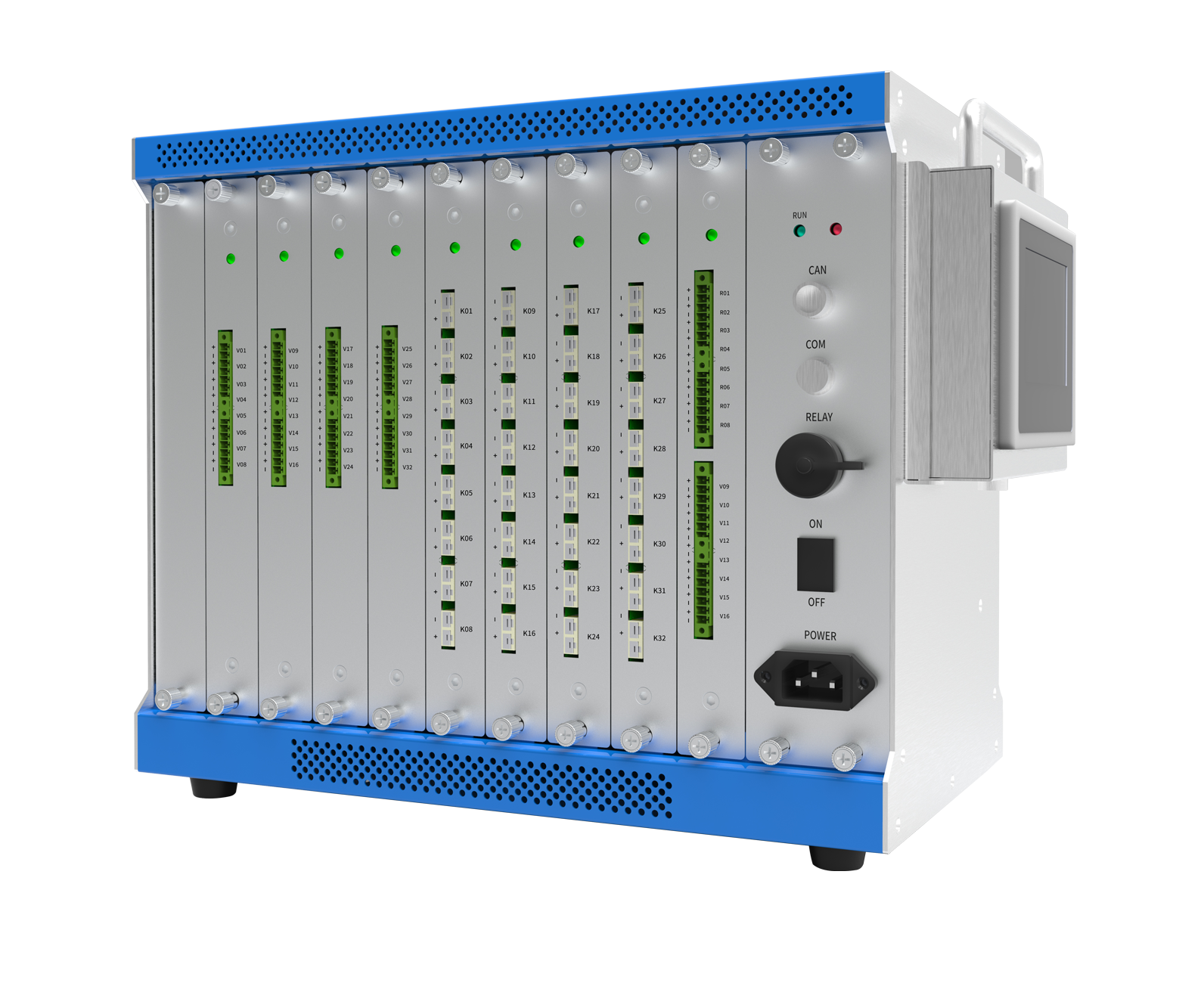
Optional Accessory - Auxiliary Sampling Module
Beijing Soaring Electric Technology Co., Ltd.