UAE Plans Additional Desalination Plants Along Gulf of Oman Coast and Water Transmission Trunk Lines
en.Wedoany.com Reported - On November 25, Suhail bin Mohammed Al Mazrouei, UAE Minister of Energy and Infrastructure, stated at the Ras Al Khaimah Energy Summit that the government is studying the addition of desalination plants on the UAE's east coast outside the Persian Gulf region, connecting related facilities through large-diameter water transmission pipelines, and expanding the storage capacity of underground reservoirs.
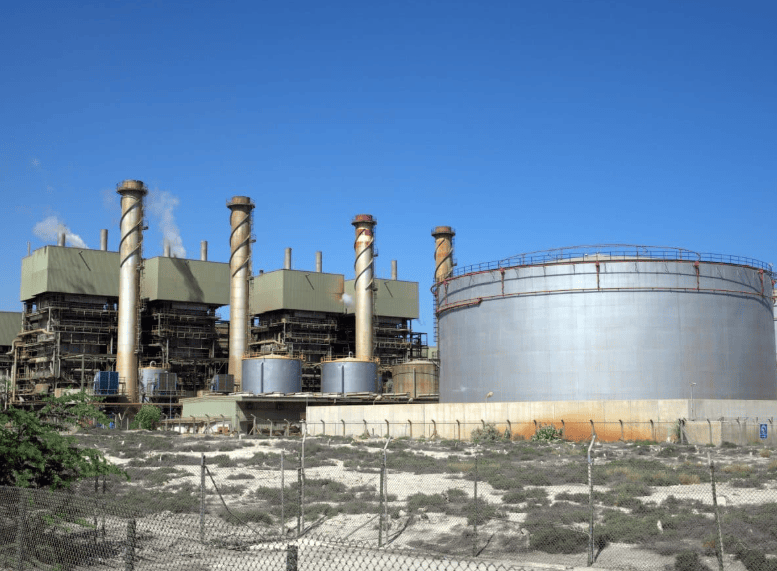
Al Mazrouei noted that the UAE's existing desalination facilities are mostly concentrated along the Persian Gulf coast, and rising seawater salinity and marine pollution may affect intake water quality and desalination plant operations. In late October 2026, an oil spill incident occurred near Umm Al Quwain in the UAE, and some northern emirates beaches were subject to precautionary closure measures. Following the incident, Etihad Water and Electricity Company (EtihadWE) developed an oil spill early warning system capable of identifying oil spills approaching desalination facilities up to 3 days in advance, providing early warning information for adjusting water intake and production operations.
The UAE's east coast already has a desalination project with a signed engineering contract. On May 7, 2026, the development and investment arm of EtihadWE signed the engineering, procurement and construction (EPC) contract for the Fujairah I Independent Water Production Project with NMDC Infra, a subsidiary of the UAE's National Marine Dredging Group, and Spain's Lantania Aguas. The project investment amounts to AED 1.046 billion (approximately RMB 1.9 billion), with the plant site located at Fujairah Port along the Gulf of Oman, adopting seawater reverse osmosis technology, with a designed daily water production capacity of 60 million imperial gallons, equivalent to approximately 272,800 cubic meters.
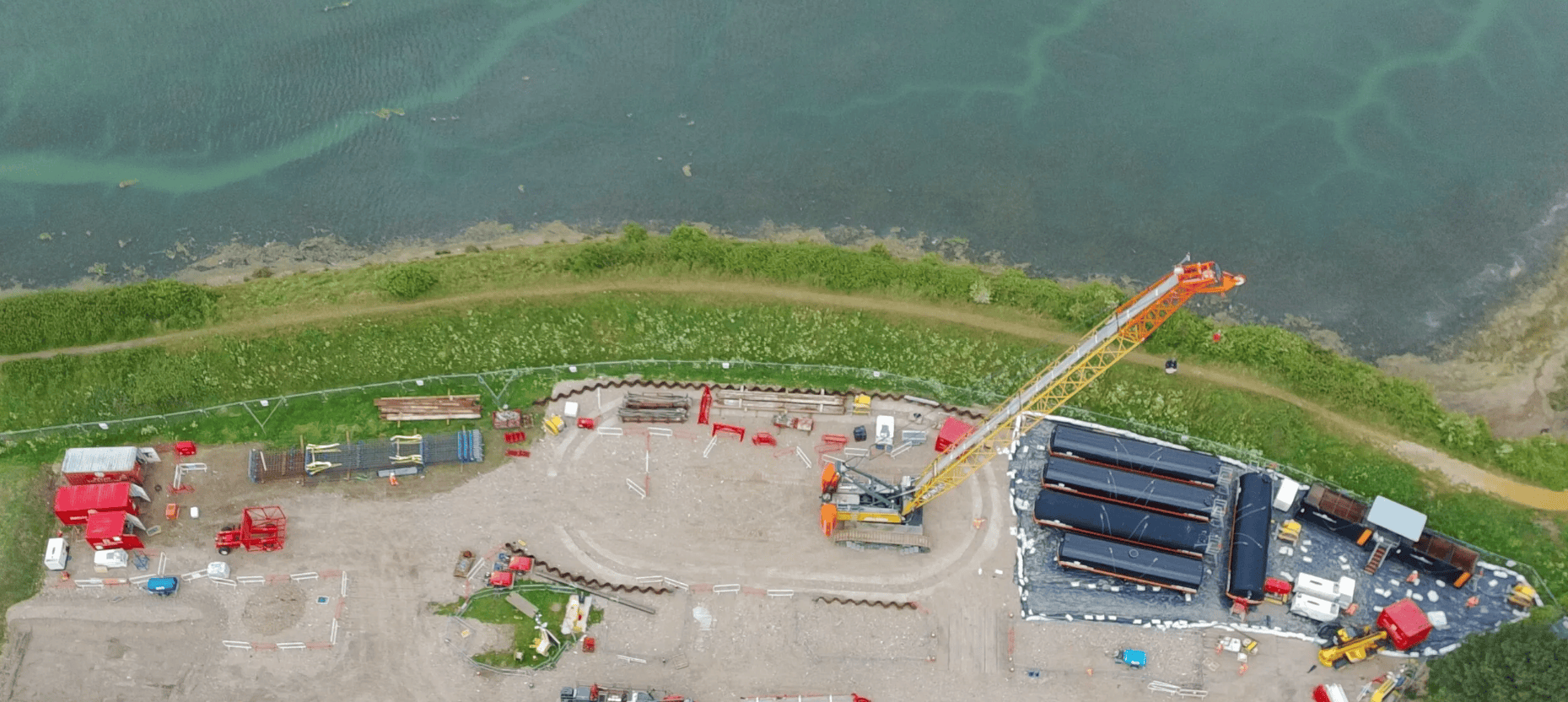
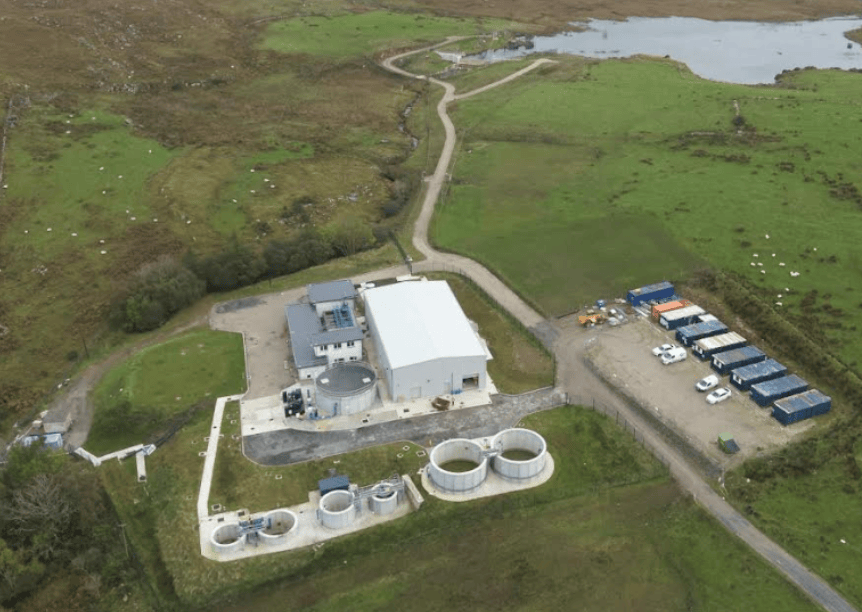
The Fujairah I project covers an area of approximately 10 hectares, with supporting facilities for seawater intake, desalination treatment, water storage and marine outfall. The seawater intake system includes a subsea intake tower, two fiberglass-reinforced plastic intake pipelines and associated intake pumps; treated freshwater is stored in two storage tanks with a storage capacity equivalent to 18 hours of full-load production. The project will also construct fiberglass-reinforced plastic marine outfall pipelines for discharging concentrated brine and treated wastewater generated from the reverse osmosis process, with a designed discharge capacity matching the seawater intake scale.
The project adopts the EPC general contracting model. NMDC Infra is responsible for civil works, marine works and related installation work, while Lantania Aguas is responsible for engineering design, supply of core process equipment, installation supervision and commissioning. The project is expected to have a construction period of approximately 30 months, with initial operation at partial capacity, subsequently ramping up to the designed capacity of 272,800 cubic meters per day.
Related Products


Ceiling light | led Ceiling Light | LED Indoor light | LED Ceiling lighting
Queendom Group Technology Co., Ltd.
YHTank8400N Solvent-Free Liquid Epoxy Coating
JIANGSU YUNHU NEW MATERIAL TECHNOLOGY CO., LTD.
RISITA explosion-proof air conditioning
Guangdong RISITA Air Conditioning Equipment Co.,Ltd.
Ultra-pure Ferritic Stainless Steel Products
Gansu JISCO Group Hongxing Iron and Steel Co., Ltd.

Acoustic Mineral Fiber Ceiling Tile 595x595x12mm
Shanxi Pano Trading Co., Ltd