Chalieco Signs EPC General Contracting Agreement for Guinea Alumina Project, with Total Contract Price of RMB 6.556 Billion
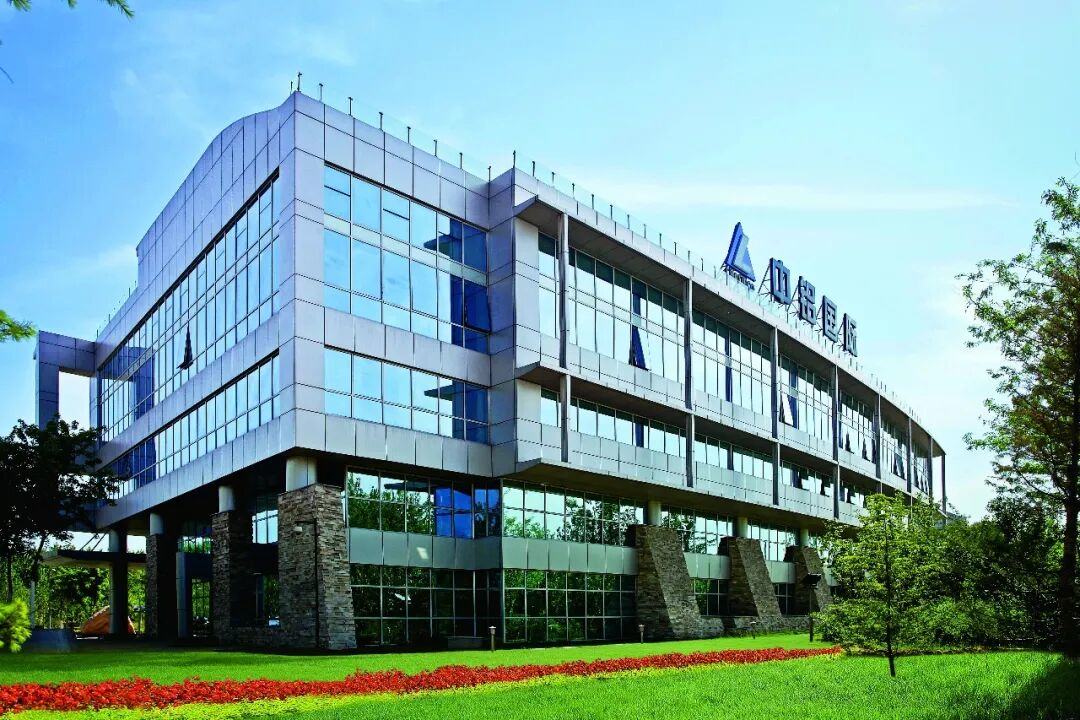
en.Wedoany.com Reported - On November 27, China Aluminum International Engineering Corporation Limited (Chalieco) and China Aluminum Guinea Co., Ltd. formally signed the engineering, procurement, and construction (EPC) general contracting agreement for the Guinea alumina project with an annual capacity of 1.2 million tonnes, with a contract value of approximately RMB 6.556 billion. Chalieco is responsible for the design, procurement, and construction of the alumina production line and supporting facilities. The project is scheduled to be put into operation by September 15, 2028, and to complete performance testing by March 15, 2029.
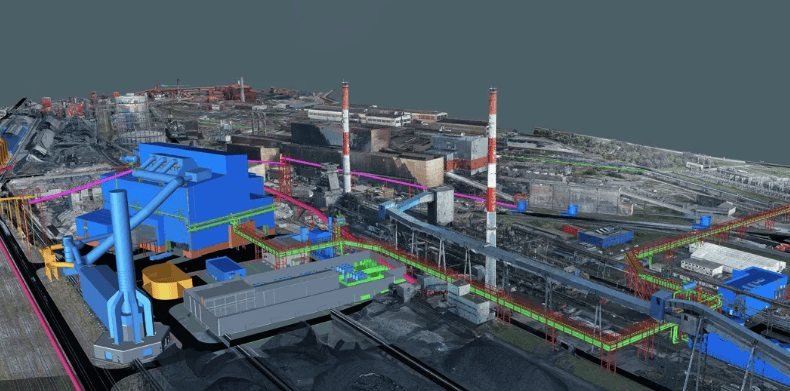
The project is located in the Boffa region of Guinea. The construction scope includes the alumina production system with an annual capacity of 1.2 million tonnes, a supporting heavy oil cogeneration system, public auxiliary systems, a red mud storage yard, and supporting infrastructure such as water intake, roads, bridges, and wharves. The defect liability period for the works is 12 months, commencing from the date of acceptance upon completion.
The total contract price includes approximately RMB 130 million in provisional taxes and fees for imported materials. Except for the agreed adjustment scenarios relating to diesel prices and taxes and fees on imported materials, the contract price remains fixed. Construction diesel is to be procured centrally by the employer, with a contract baseline consumption of 29 million liters.
The employer, China Aluminum Guinea Co., Ltd., is 85% held by China Aluminum Energy Holdings Co., Ltd. and 15% by the Government of Guinea, and is primarily responsible for the development and operation of the Boffa bauxite project.
On November 6, 2026, Chalieco and Aluminum Corporation of China completed their respective board of directors review procedures for this related-party transaction. The EPC general contracting agreement signed this time is subject to conditions precedent, and the relevant transaction still requires review and approval by the shareholders' meeting.