Wedoany.com Report-Aug. 21, Sumitomo Chemical Co., headquartered in Tokyo, Japan, has constructed and launched operations at a pilot facility for its proprietary ethanol-to-propylene process. The facility is located at the Sodegaura site of its Chiba Works. This new process is expected to contribute significantly to the petrochemical industry’s transition to alternative feedstocks and is supported by the NEDO Green Innovation Fund. Construction of the facility began in 2023. The company will accelerate its demonstration project with the goal of commercializing the process and licensing the technology to other companies by the early 2030s.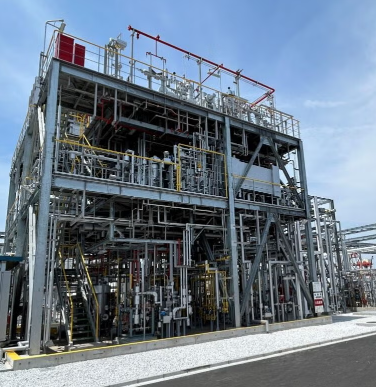
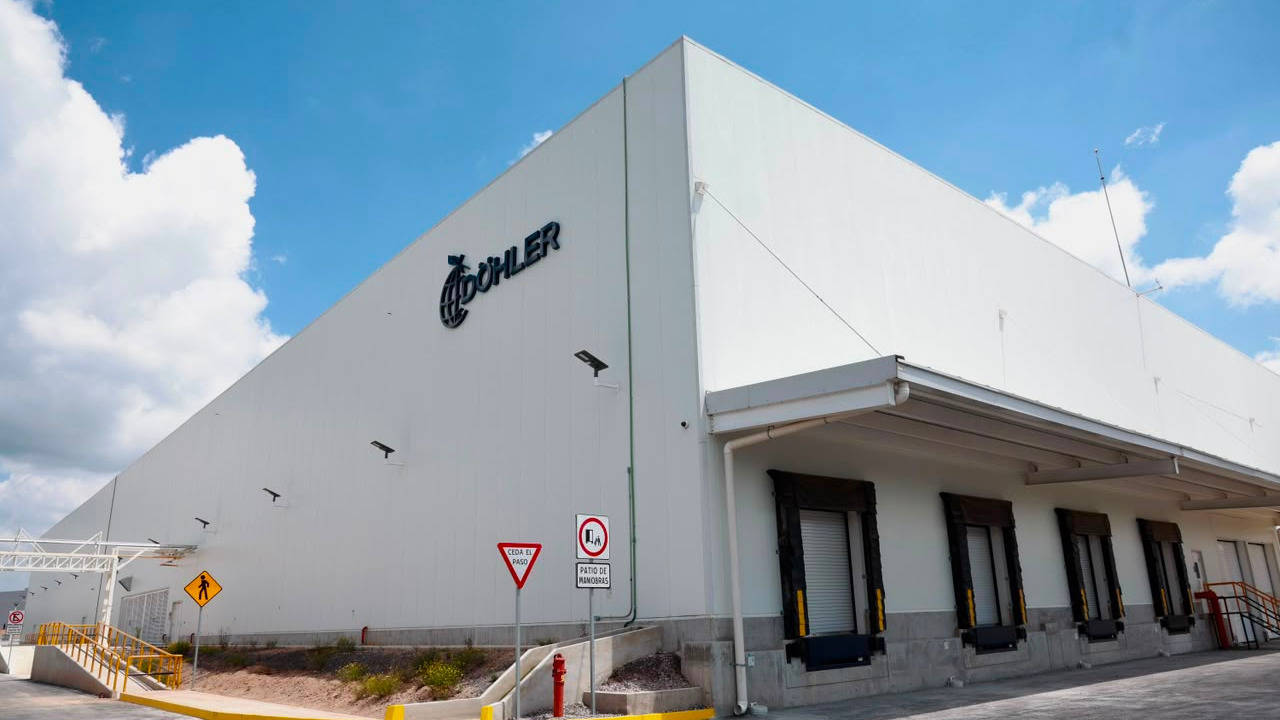
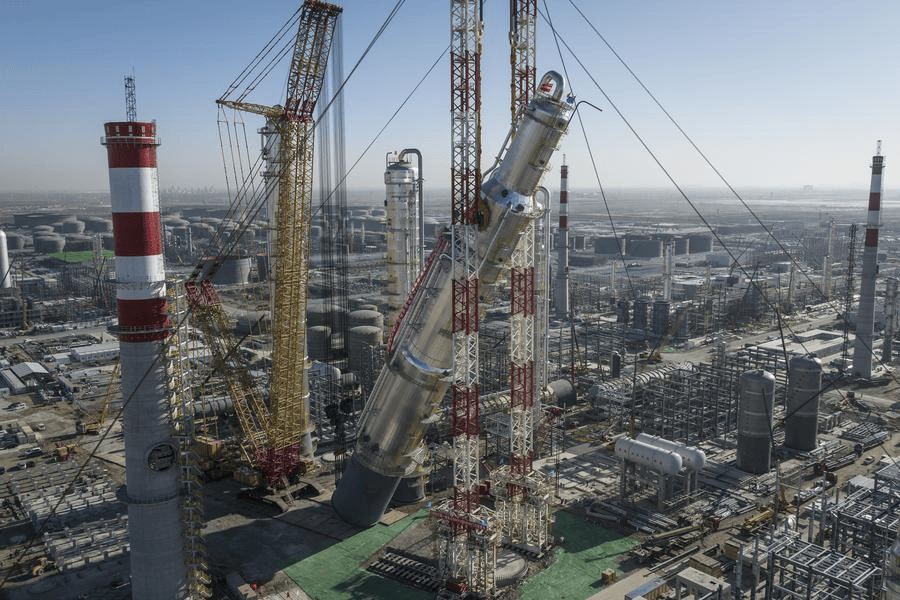
Sumitomo has begun operations at a new pilot plant at its Chiba works
Propylene is an essential chemical used in a wide range of industries, and in Japan it is currently produced mainly from naphtha, a fossil-based resource. Ethanol, however, can be derived from renewable biomass such as sugarcane and corn, as well as from non-edible resources like pulp. Recent progress has also been made in developing technologies that enable ethanol production from combustible waste on a large scale, with commercialization of such methods drawing closer. With the industry’s growing focus on sustainable chemical feedstocks, ethanol is gaining importance as a potential alternative to fossil-based resources.
The ethanol-to-propylene process developed by Sumitomo Chemical enables the direct production of propylene from ethanol in a single step, without requiring intermediates such as ethylene. This feature is expected to help lower production costs. In addition, the process produces hydrogen as a by-product, and when bioethanol is used as the feedstock, the hydrogen obtained is also bio-derived. This co-production offers an added advantage by creating opportunities for hydrogen utilization alongside propylene production.
Looking ahead, Sumitomo Chemical will gather the necessary data for the industrialization of this technology and actively promote polypropylene made from propylene produced through this process. The company has set a target to commercialize and license the technology by the early 2030s.
At the same time, Sumitomo Chemical is advancing structural reforms in Japan and abroad. The company is strengthening its technology licensing and catalyst sales, including those related to the ethanol-to-propylene process. Beyond 2030, the company also aims to establish a green transformation (GX) solutions business. This business model will focus on building a circular-resource value chain by involving raw material suppliers and product brand owners. Additionally, it plans to generate value from the CO2 reductions achieved by its customers.
Through these initiatives, Sumitomo Chemical is positioning itself to play a leading role in the development and commercialization of technologies that support a more sustainable petrochemical industry. The company’s efforts reflect its commitment to driving innovation in alternative feedstocks and contributing to long-term industrial transformation.