Indian Fertilizer Department Promotes Balanced Fertilization to Address Soil Degradation Crisis
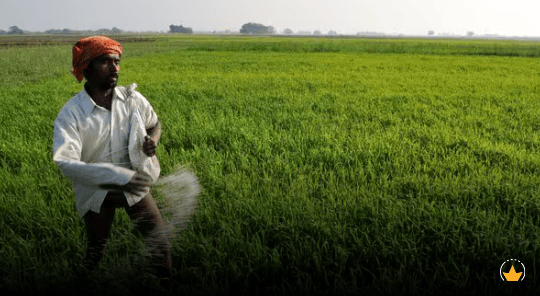
Wedoany.com Report on Feb 25th, The Indian fertilizer department is intensifying efforts to promote balanced and sustainable nutrient use practices to address the severe challenge of rapid soil degradation in the country.
Fertilizer Secretary Rajat Kumar Mishra recently held a virtual interaction with about 100 agricultural graduates serving in Hindustan Urvarak & Rasayan Ltd (HURL) and Rashtriya Chemicals & Fertilizers Ltd (RCF), aiming to draw on field experiences to tackle soil degradation caused by excessive and imbalanced urea use.
Officials acknowledged that over-reliance on fertilizers has led to deficiencies in key nutrients, a decline in soil carbon content, and deteriorating soil health in many regions. The high-level meeting made it clear that a shift from uncontrolled fertilizer use to balanced fertilization, integrated nutrient management, and enhanced grassroots awareness is imperative.
Through direct engagement with young agricultural professionals, the department hopes to bridge the gap between policy-making and on-ground realities. The goal is to incorporate field feedback and innovative practices into implementation strategies, ensuring the national objective of balanced fertilization is realized at the farm level.
In his address, the Secretary emphasized the role of youth in driving agricultural transformation. He reiterated the government's commitment to ensuring fertilizer supply while highlighting that preventing soil damage has become a top priority.
"We collect feedback day and night," the Secretary stated, describing these graduates as crucial communication bridges between the companies, farmers, and the government.
He also revealed that eight Padma awardees have been consulted to deepen the initiative's impact. Citing the Prime Minister's vision that "farmers are our esteemed guests," the Secretary said safeguarding farmer interests by raising awareness and strengthening soil conservation remains a focus.
The discussion focused on warning signs of physical soil degradation, such as increased soil hardness and declining carbon content, linked to excessive chemical use. Officials urged the graduates to document successful cases of farmers transitioning to organic agriculture and actively promote composting and green manure. Although the government plans to provide vermicompost, a lack of awareness still hinders its adoption.
The Secretary called for scaling up sustainable practices through collaboration with "Lakhpati Didis," self-help groups, and community networks to accelerate grassroots change.
Field evidence added urgency to the dialogue. For instance, Awadhesh Singh's experiment in Gorakhpur demonstrated that balanced phosphorus application not only increased yield but also improved soil structure, providing scientific backing for reforms.
The meeting, attended by senior officials including Additional Secretaries, Joint Secretaries, and top leadership from HURL and RCF, concluded with a firm commitment: future policies will be more firmly grounded in field realities.
With soil fertility under continuous pressure, the fertilizer department stressed that protecting the land and securing the future of Indian farmers is now a matter of utmost urgency.
Related Products


High Thermal Conductivity Encapsulating Resin
Nantong BESALL Sealing Technology Company.,Limited
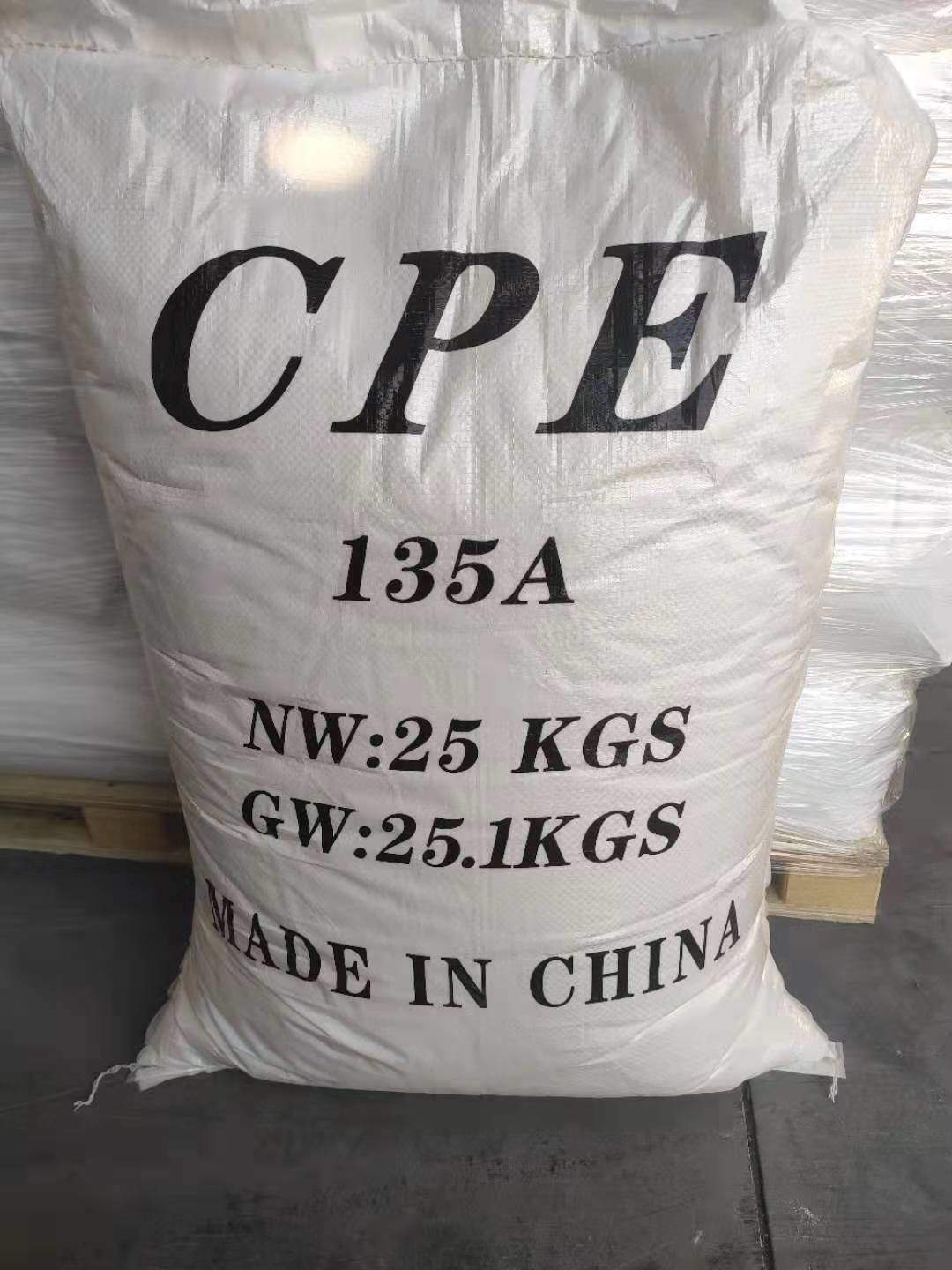
PVC Impact-Modified Chlorinated Polyethylene
Gansu Jinchuan Hengxin Polymer Technology Co., Ltd.

CAP1400 main feedwater flow nozzle flowmeter.
Jiangsu Hongda Instrument Technology Co., LTD.
Quick-Change Single-Seat Control Valve / Quick-Change High-Pressure Single-Seat Control Valve
Beijing Consen Automation Technology Co., Ltd.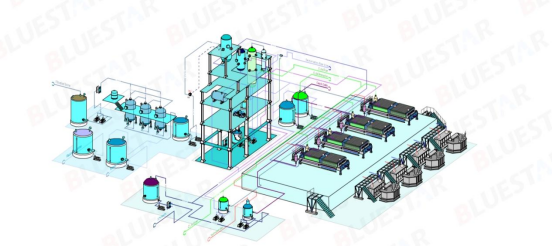
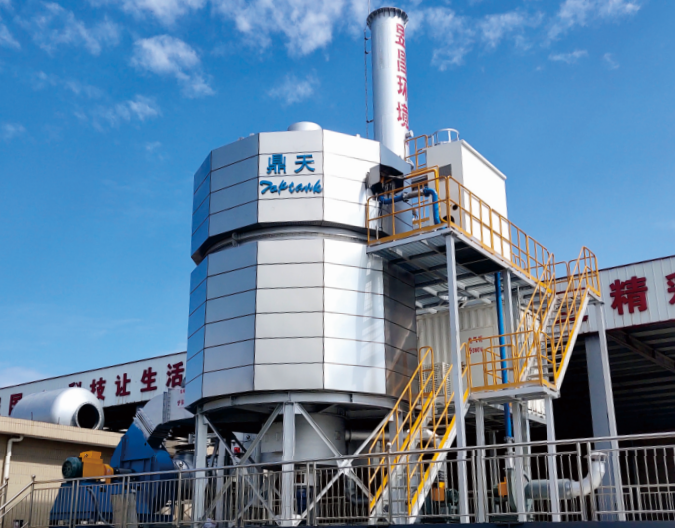


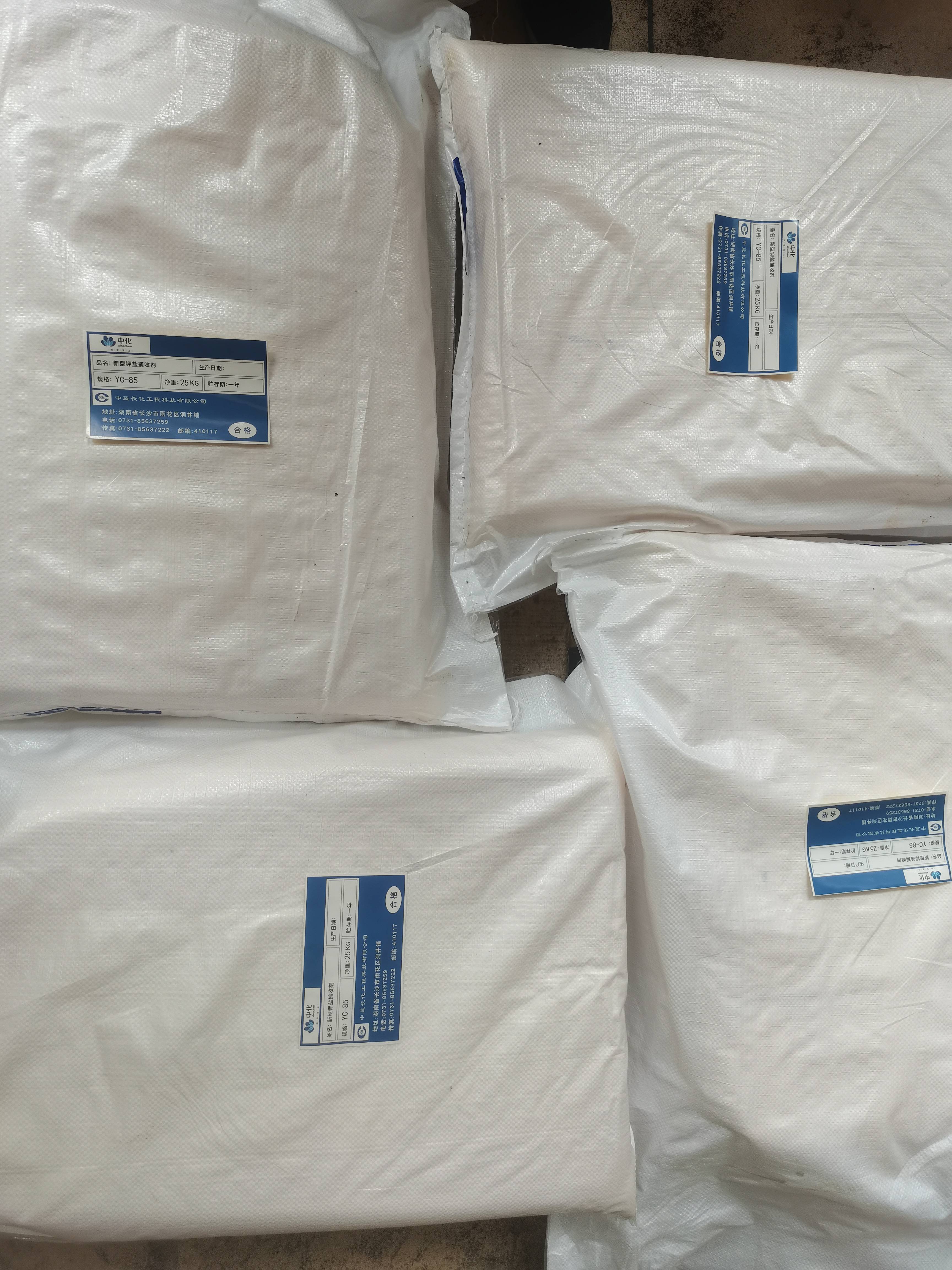
New Environmentally Friendly Green Potassium Salt Collector
Chonfar Engineering and Technology Co., Ltd.