Pan Am's Relaunch Faces Multiple Challenges
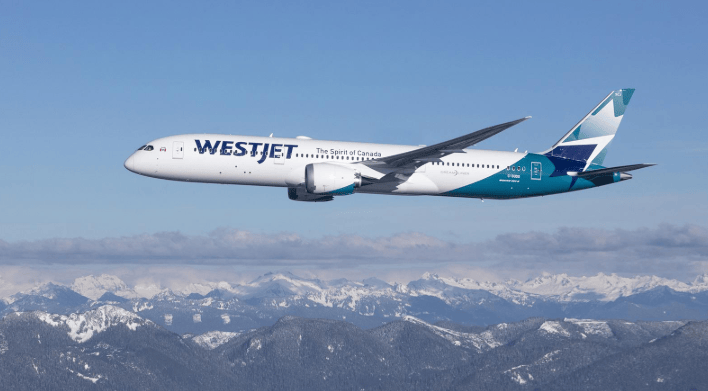
Wedoany.com Report on Feb 25th, Pan Am, officially known as Pan American World Airways, is a legendary brand in aviation history. Founded in 1927, it was once regarded as the de facto flag carrier of the United States, pioneered the jet age, and was the world's first airline to operate wide-body aircraft. However, the company has been defunct for nearly 35 years and is now planning a comeback.
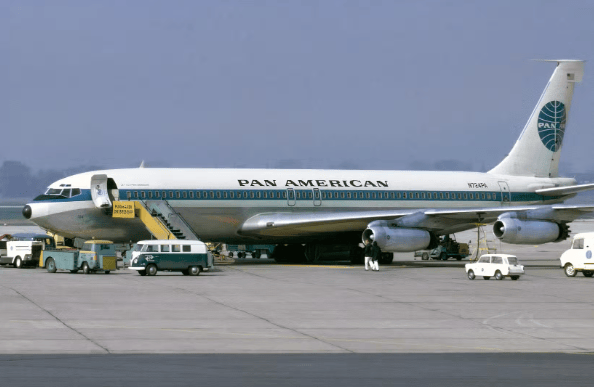
Starting in the 1970s, Pan Am faced significant internal and external challenges, severely impacted by the economic recession following the 1973 oil crisis. It had ordered too many Boeing 747 aircraft and could not compete after deregulation. The airline ceased all operations in 1991. Since then, the Pan Am brand has been revived multiple times, but none succeeded.
In June 2025, aviation commercial bank and consulting firm Avi8 Air Capital began collaborating with Pan Am Global Holdings, the owner of the Pan Am name rights, to conduct a feasibility study for a revived Pan Am. By October 2025, the entity had initiated the FAA certification process to launch Part 121 operations under the Pan Am name, which grants permission to operate scheduled flights with large aircraft.
The new Pan Am will be headquartered in Miami and announced on February 5, 2026, that it had selected Amadeus to support its IT and distribution systems. CEO Ed Wegel stated in a LinkedIn post in December 2025 that the company intends to operate Airbus A320neo aircraft "at some point in the future, when supply chain and engine issues are resolved." However, few details about the company's plans have been released, and the initial fleet may include used or leased A320ceo series aircraft.
As a startup airline, the new Pan Am has no revenue beyond its current funding sources. Obtaining certification in the United States can be an arduous task, requiring significant investment in regulatory fees, salaries, training, and aircraft acquisition. These costs add up quickly, especially before operating a single flight, and significant delays could lead to substantial cost increases.
The new Pan Am faces multiple challenges in its relaunch. American Airlines, Delta Air Lines, and United Airlines each operate close to or over 1,000 mainline aircraft and have multiple hubs across the country. Direct competition with these established carriers would almost certainly result in significant financial losses for Pan Am.
Relaunching airline operations under the Pan Am brand relies on the nostalgia associated with the name for success. But Pan Am has been defunct for nearly 35 years, and many younger customers have little to no memory of the airline. Pan Am's reputation deteriorated severely in the late 1980s and early 1990s, associated with dilapidated aircraft and outdated facilities.
The new Pan Am is truly attempting to evoke memories of the airline from the early 1970s, the 1960s, and the pre-jet era when Pan Am represented the pinnacle of American aviation. However, given that more than half a century has passed, the Pan Am name holds practical value for a relatively small number of aviation customers. The new airline will have to compete on price, product, and schedule, which will be a nearly insurmountable challenge.
Today, the airline names that resonate most with passengers are Delta Air Lines, United Airlines, Alaska Airlines, Hawaiian Airlines, Southwest Airlines, and American Airlines. While Pan Am was a significant company in aviation history, it is no longer relevant today. A Pan Am relaunch would be unique and exciting, but the new company faces an uphill battle.
Related Products





Explosion-proof lithium battery dispatching monorail crane locomotive (permanent magnet frequency conversion integrated machine)
Xiangtan Hengxin Industrial Co., Ltd.

3m intelligent buoy combining navigation safety and real-time marine monitoring integrated navigation and marine monitoring system for real-time maritime data
Chengdu Dixin Technology Co., Ltd.
Industrial and Commercial Point-Type Gas Detector
Jinan Benan Technology Development Co., Ltd.