US Retail Sales Unexpectedly Unchanged in October
Wedoany.com Report-Dec.17, U.S. retail sales remained unchanged in October, indicating steady consumer activity at the beginning of the fourth quarter, even as elevated living expenses prompted some households to adjust their expenditures.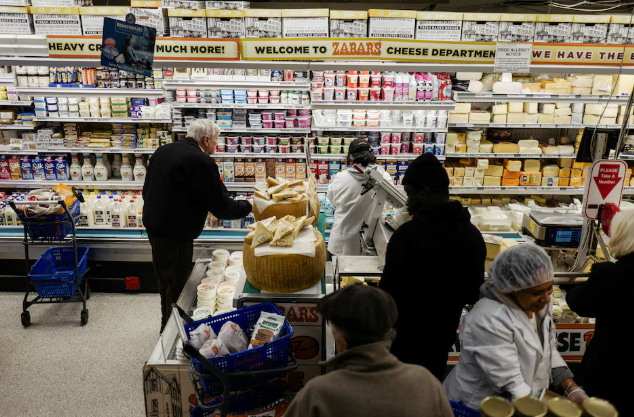
The Commerce Department's Census Bureau released this data, showing no change following a revised 0.1% increase in September. Analysts surveyed had anticipated a modest 0.1% rise in retail sales, which primarily cover goods and exclude inflation adjustments, after an earlier estimate of 0.2% growth for September.
The publication of this information, initially scheduled for mid-November, experienced a delay due to a 43-day interruption in government operations.
Consumers continue to encounter increased costs for essentials like food and furniture, as well as other imported items, stemming from broad import fees. Expenses related to healthcare and housing have also risen notably.
Economic assessments suggest that households with lower and moderate incomes have felt these cost increases more acutely.
A study from the Bank of America Institute highlighted that higher-income groups are sustaining growth in optional purchases, contributing to an economy where spending patterns vary by income level.
The report observed that individuals earning $100,000 or more annually are allocating funds toward recreational activities. Those in the upper income brackets are also increasing outlays on apparel, air transportation, and accommodations.
"However, for lower-income households ... travel and clothing are seeing stronger pullbacks, underscoring the growing gap in income groups' economic experiences," Bank of America Institute said.
Retail sales figures excluding categories such as vehicles, fuel, construction supplies, and groceries advanced 0.8% in October, rebounding from an unchanged 0.1% decline in September. These core metrics align closely with the consumer expenditure element in gross domestic product calculations.
Analysts maintain expectations that consumer outlays bolstered economic expansion in the third quarter. Before this data release, the Atlanta Federal Reserve projected GDP growth at an annualized 3.6% for the period. The economy expanded at a 3.8% rate during the second quarter. Official preliminary figures for third-quarter GDP are set for release next week.
This retail performance reflects resilience in overall consumer behavior amid varying economic pressures across different segments of the population.
Higher costs for imported products and services have influenced budgeting decisions, particularly for essential and discretionary items alike.
The divergence in spending trends by income group illustrates how economic conditions affect households differently, with affluent consumers driving certain sectors forward.
Core sales strength suggests underlying support for broader economic activity, as these figures feed into key indicators of national output.
Ongoing monitoring of these patterns will provide insights into future consumption trajectories and their implications for growth.
The delayed report underscores the importance of timely data in assessing current conditions and informing projections.
In summary, while headline retail figures held steady, components indicate continued momentum in key areas of spending that contribute to economic stability.