
| Notice Type | Tender Notice |
|---|---|
| Notice Number | 127647384 |
| Description |
Tender Project Name: Expansion of the Trąbki Wielkie Municipal Wastewater Treatment Plant Tender Number: ZP.271.1.2026 Procurement Mode: Basic procurement procedure, without negotiations (according to Article 275(1) of the Polish Public Procurement Law) Procurement Content: Expansion of the existing wastewater treatment plant to increase its average daily treatment capacity from the current 600 m³/day to 1200 m³/day. Works include construction of new reactors, storage tanks, a technical building; renovation of pipeline networks; construction of power supply and control systems; necessary demolition works; site development; expansion of the administrative and welfare building; and landscaping and road works, etc. It also requires obtaining a usage permit and submitting as-built documentation. New Reactors Technical Specifications and Interfaces: The reactor type must strictly adhere to the design documents: Sequencing Batch Reactor (SBR), Membrane Bioreactor (MBR), or an improved activated sludge system based on the existing process. Key Implementation Points: Precise calculation and implementation of hydraulic and process connections between the new reactors and the existing influent distribution system, sludge return system, aeration system (if using activated sludge process), and the final effluent channel are mandatory. This requires developing a detailed phased switching plan during construction to ensure continuous operation of the existing treatment line. Materials and Construction: Reactor tanks are typically of reinforced concrete structure. Key control points include leakage prevention, corrosion resistance (especially parts in contact with sewage and chemicals), and durability. All linings, pipe interfaces, and mounting bases for mixers or aerators must be precisely pre-set. New Storage Tanks and KSTO Functional Clarification: Storage Tank: Most likely serves as an influent equalization tank to balance flow and quality fluctuations from the sewer network, protecting subsequent biological treatment processes. It should be equipped with level control, mixing (to prevent sedimentation), and lift pumps. KSTO: In the Polish context, typically refers to a sludge thickening and pumping station. Its function is to gravity-thicken excess sludge from secondary clarifiers, reducing volume, and then pump it to sludge dewatering equipment or storage facilities. This unit is crucial for the cost and efficiency of subsequent sludge treatment. Implementation Focus: Needs integration with the existing sludge treatment line. During construction, the existing sludge treatment path must remain uninterrupted, potentially requiring temporary bypasses or scheduling plans. New Technical Building Functional Zoning: Electrical Room: Houses medium/low voltage switchgear, variable frequency drives, and control cabinets for backup generator (diesel or gas) grid connection. Automation Control Room: Central monitoring station, PLC cabinets, network communication equipment, uninterruptible power supply (UPS). Process Auxiliary Equipment Room: May house control parts for chemical phosphorus removal dosing systems, carbon source dosing systems, or advanced treatment units (e.g., UV disinfection equipment). Building Requirements: Beyond structural safety, key considerations include: explosion-proof requirements (if biogas areas are involved); air conditioning and ventilation (to ensure operating environment for electronic equipment); moisture prevention; rodent and pest prevention; and sufficient cable tray entry points and space for future expansion. Renovation of Pipeline Networks (Process and Electrical) Complexity and Challenges: Working on a "Live" System: This involves performing "surgery" on an operational "organism." Precise investigation of each existing pipeline to be modified or connected is required, along with detailed plans for hot tapping, plugging, or short-duration shutdown switching to minimize service disruption risks. Materials and Technology: May involve joining different materials (PVC, HDPE, steel pipe, cast iron pipe), requiring certified connection techniques. All underground pipeline construction must be accompanied by precise underground detection to avoid damaging unknown existing lines. Cable Works: Installation of new power and control cables requires distinguishing between cable tray, direct burial, or conduit methods. Critical signal cables need shielding and must be separated from power cables to prevent interference. All cables must have permanent identification. Construction of Power Supply and Control Systems Depth of Power Supply System: Load Calculation and Classification: Precise electrical load calculation for new equipment, distinguishing between critical loads (blowers, lift pumps, automation systems) and non-critical loads. The capacity of backup power (generator set) and its automatic start-up and switching time (typically required <15 seconds) are key technical points. Energy Efficiency and Protection: Design should reflect energy efficiency considerations, such as using high-efficiency motors and power factor correction equipment. Protection systems (relays, circuit breakers) must coordinate with upstream grid protection. Depth of Control System: System Architecture: Should adopt a distributed control system where, in case of main control room failure, local substations (e.g., PLC in the new technical building) can maintain basic operation. The network should use an industrial ring topology for higher reliability. Functional Requirements: Should not only achieve monitoring but also possess potential for advanced process control, such as automatically adjusting aeration volume and recirculation ratio based on influent load for energy-saving optimization. The system must reserve data interfaces for the municipal supervision platform. Cybersecurity: Must comply with industrial control system cybersecurity standards, including firewalls and access rights management to prevent unauthorized access. Demolition and Site Development Refined Management of Demolition: Classification and Resource Recovery: Demolished concrete and bricks can be crushed for use as backfill or roadbed material on-site; scrap metal should be recycled. A "Waste Management Plan" must be prepared, specifying the destination and compliance documents (waste transfer notes) for all types of waste. Environmental Control: Demolition may involve sludge from old tank bottoms, which needs to be identified and treated as potentially contaminated soil. Comprehensiveness of Site Development: More than just fencing and site offices. Requires Planning: Construction logistics routes (separated from operational vehicle traffic), material storage areas, pre-treatment ponds for construction wastewater (to prevent silt from entering existing processes), dust and noise reduction measures (especially important near residential areas). Expansion of Administrative and Welfare Building and Landscaping Works Integration of Expansion: Architectural style and façade materials should harmonize with the original building and the plant's new appearance. Internal functions need re-planning, potentially adding new areas like a control room display area, training room, or laboratory space. Combining Ecology and Function in Landscaping: Landscaping should use local, low-maintenance plants. Permeable pavement for roads could be a plus. Lighting should use LED energy-saving fixtures and consider illumination assistance for plant security monitoring. Core Dimensions of Project Management Integrated Project Management: The contractor must establish a full-process management system covering design review, procurement, construction, and commissioning, especially daily communication and coordination mechanisms with the existing facility's operational team. Health, Safety, and Environment (HSE) Management: Construction within an operational wastewater treatment plant presents extremely high HSE risks (confined spaces, hazardous gases, work at height, electrical safety). A "Project-Specific HSE Plan" far exceeding conventional standards must be developed, with full staff training and drills. Schedule Planning: Develop a detailed schedule based on the critical path method, clearly defining all critical nodes and float time related to shutdowns and switching of existing processes. The schedule must be approved by the client's operations side. Commissioning, Trial Operation, and Training Phased Commissioning: Proceed in steps: "Single Equipment Commissioning -> Subsystem Commissioning -> Full Plant Integrated Commissioning -> Clean Water Trial Operation -> Activated Sludge Cultivation -> Gradual Load Increase Trial Operation." Each phase requires detailed plans and acceptance criteria. Performance Testing: Ultimately, the expanded plant must stably achieve the designed capacity of 1200 m³/day and the contractually specified effluent quality standards (e.g., BOD5, COD, Total Nitrogen, Total Phosphorus, etc.) during an agreed testing period. This is the most important contract acceptance milestone. Comprehensive Training: Provide full-range training from theory to practical operation for the client's operational, maintenance, and management personnel, and deliver complete technical documentation (drawings, manuals, software backups) in both Polish and Chinese. Contract and Commercial Aspects Risk Management under "Lump Sum" Contract: The contractor must thoroughly digest the design documents, self-identify and bear risks related to geological conditions, underground obstacles, and any ambiguities or errors potentially present in the design documents. Any issues discovered must be formally notified to the client immediately. Supply Chain Management: Strict control over the selection, procurement, factory testing, and site acceptance of key equipment (blowers, pumps, membrane modules, PLCs, instruments). The tender documents allow submission of equivalent performance products, but prior approval is required, proving they fully meet or exceed all key performance parameters of the specified products. Payment Milestones: Payments are deeply linked to the client's own fund disbursement and EU fund grant progress. The contractor needs strong cash flow management capability to cope with potential grant disbursement delays. Contract Type: Lump Sum Contract Funding Source: Government "Polish Deal" Strategic Investment Fund program, preliminarily committed to providing up to 40% of the investment value or no more than PLN 8,000,000 in funding. Bidders must self-finance no less than 60% of the total investment value before grant payment. Project Location: Trąbki Wielkie Municipality, Poland, Plot No. 107/1. Planned Construction Period: Bidders should state the construction period in their bid, but it must not exceed 30 months from the contract signing date. During bid evaluation, the shortest evaluable period is 18 months, and the longest acceptable period is 30 months. Bid Security: PLN 100,000.00. Forms can be cash, bank guarantee, insurance guarantee, or guarantee provided by an entity recognized by the Polish Development Agency. Performance Bond: A performance guarantee of 3% of the total contract value is required before contract signing. Warranty and Quality Guarantee Requirements: Bidders must provide warranty and quality guarantee. The shortest acceptable period is 36 months, and the longest evaluable period is 60 months. During evaluation, longer periods score higher. Qualification Requirements: Economic Capacity: Possess civil liability insurance related to the tender subject, with a sum insured not less than PLN 5,000,000; possess credit capacity or own funds of at least PLN 3,000,000. Technical Capacity: Successful completion of at least two wastewater treatment plant construction, renovation, or expansion projects in the past five years, each contract value not less than PLN 5,000,000 (including VAT). Personnel Requirements: Must assign personnel with appropriate unrestricted construction qualifications as Project Manager (building structure specialty), two Construction Managers (one electrical specialty, one HVAC and plumbing specialty), and one Technical Engineer with experience in wastewater treatment plant construction. Tender Language: Polish Tender Submission Method: Electronic bidding via the designated procurement platform. Key Dates: Bid Submission Deadline and Opening Date: February 26, 2026 Bid Validity Period: 30 days from the bid submission deadline, until March 27, 2026. The contracting authority may request an extension. Estimated Contract Signing: No earlier than 5 days after issuing the award notification. |
| File |  Attachment.pdf (1.49 M) Attachment.pdf (1.49 M) |
Expired Tender for the Expansion Project of the Trąbki Wielkie Municipal Wastewater Treatment Plant
| Organization | Gmina Trąbki Wielkie | Country | Poland |
|---|---|---|---|
| Contact | Leszek Filipski | Tel. | View more |
| View more | Address | ul. Gdańska 12, 83-034 Trąbki Wielkie, Poland | |
| Release Date | 2026-02-03 | Validity | 2026-02-26 |
Details
The tender information on this website is provided for reference only. If you intend to bid, please verify the authenticity and accuracy of the information with the tendering party. Our company reserves the right to adjust website content at any time and assumes no direct or indirect liability for it.Email: news@wedoany.com
Related Tenders
Related Products
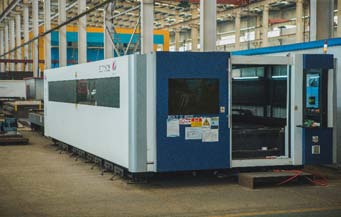
CNC Fiber Laser Cutting Machine
Negotiable
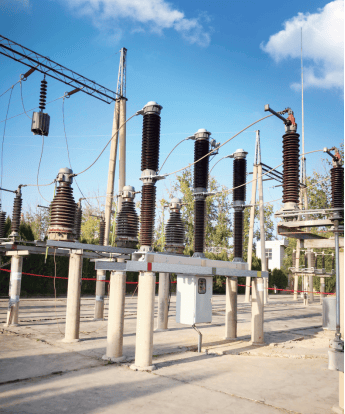
145kV Porcelain Column Type Sulfur Hexafluoride Circuit Breaker
Negotiable
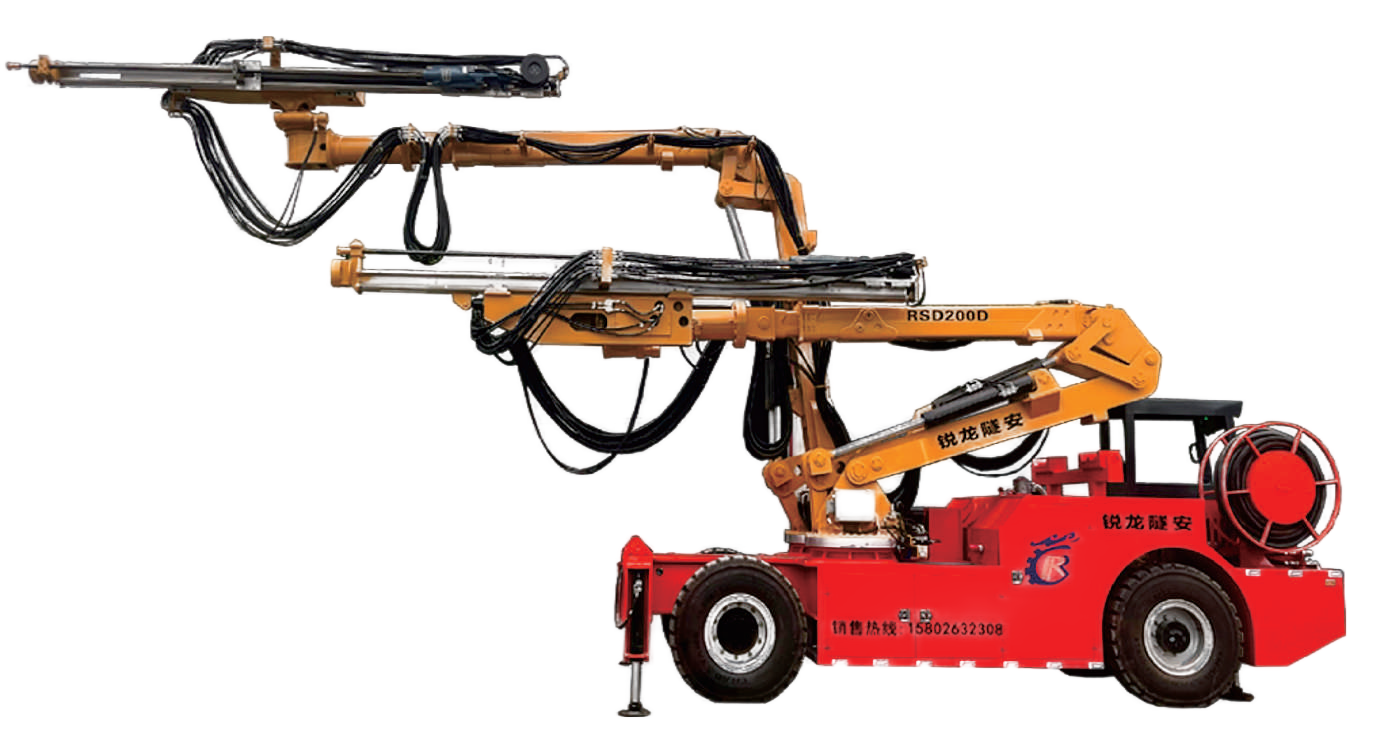
Dual-curved Arm Rock Drilling Trolley RSD200D
Negotiable
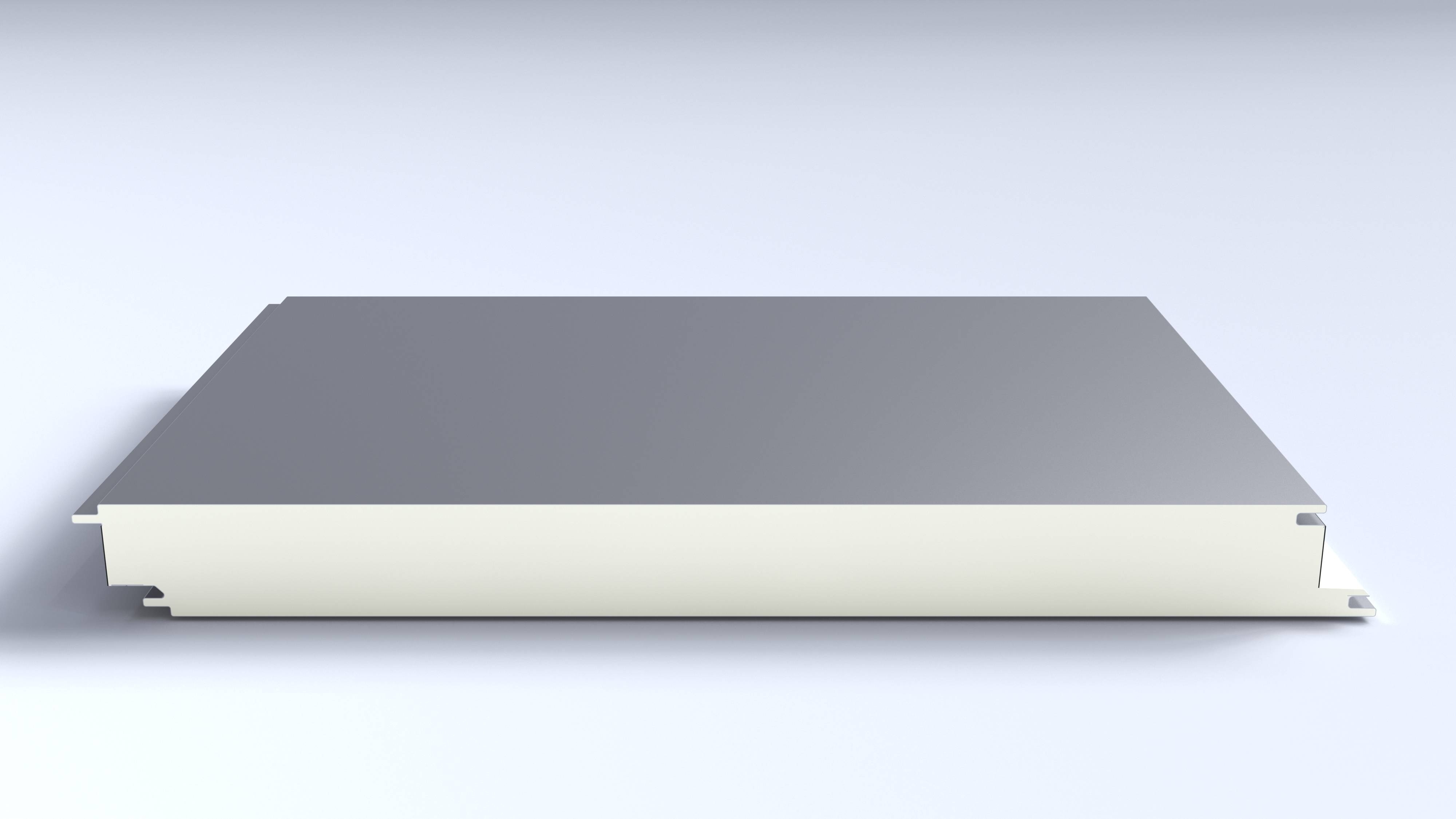
Pure Polyurethane Wall Panel BD-AEF-PIR-01
Negotiable
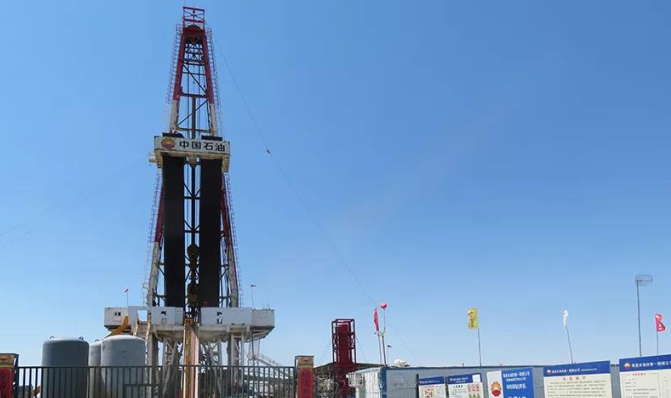
API Series Casing
Negotiable
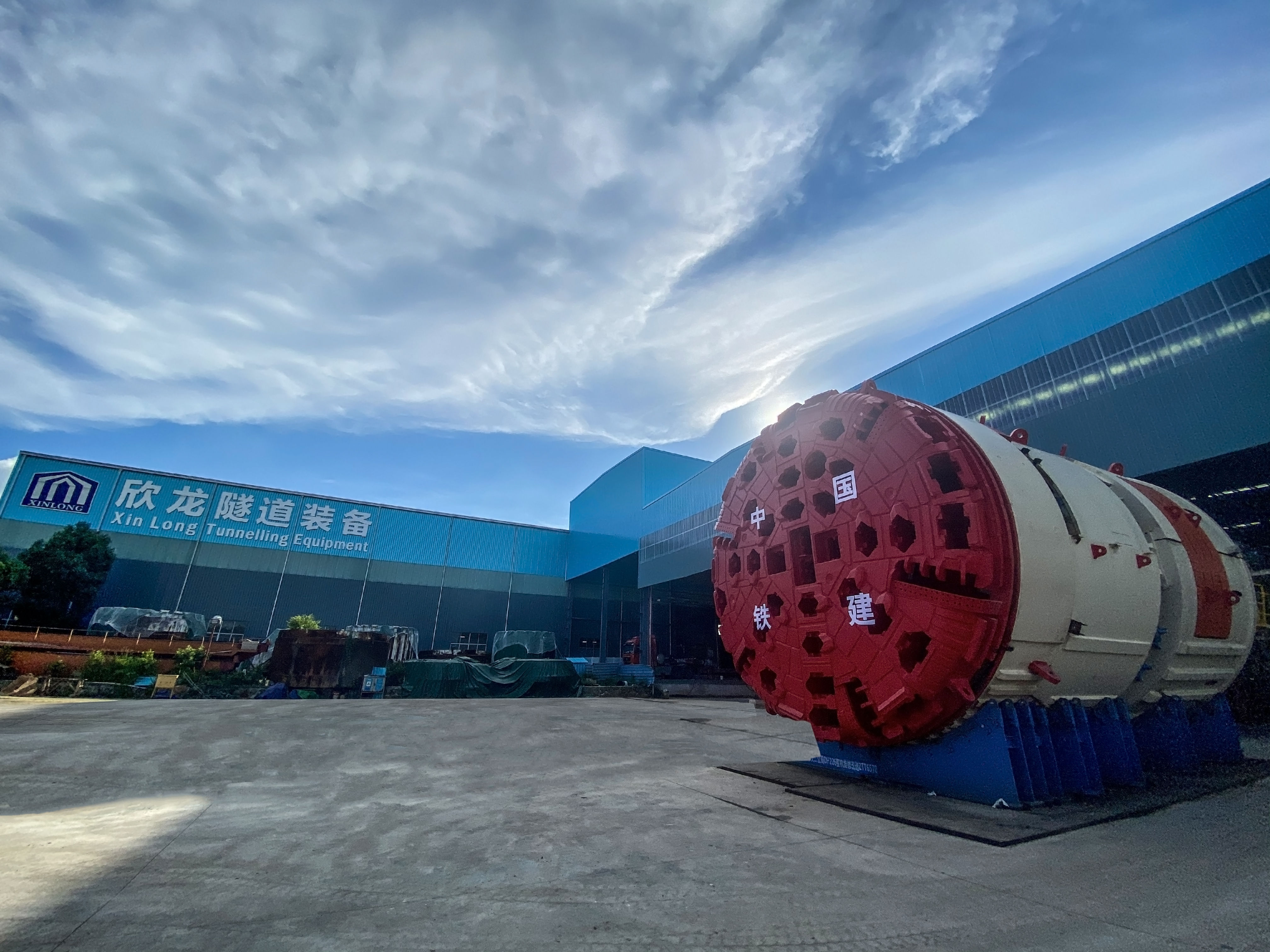
Shield Machine Remanufacturing DH226
Negotiable
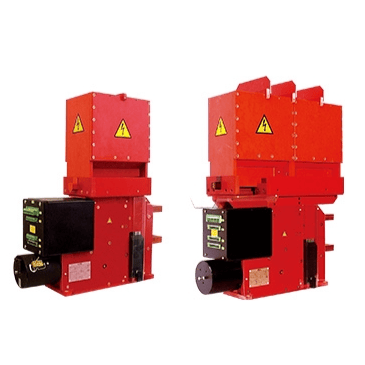
Gerapid DC Circuit Breaker
Negotiable
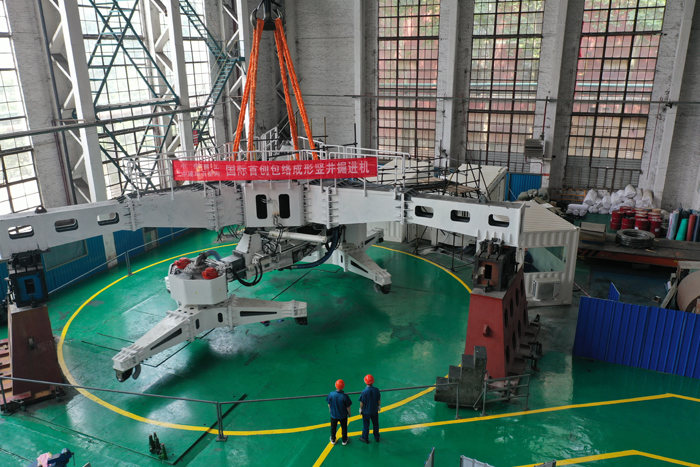
CITIC Heavy Industries Tunneling Equipment Tunnel Engineering Shield Machine
Negotiable
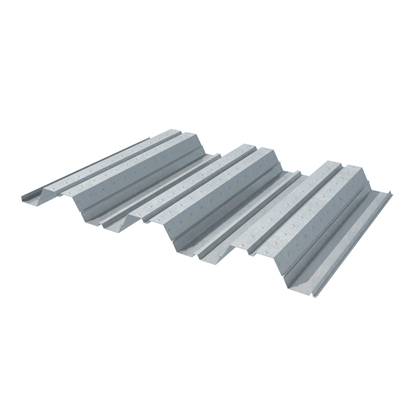
Profiled Steel Composite Floor Deck
Negotiable /m²
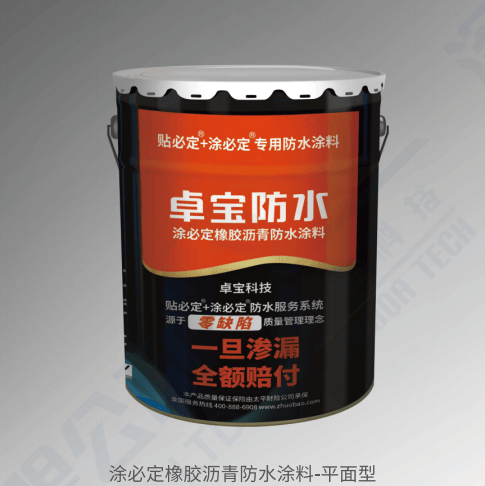
"Tiebiding + Tubiding" Waterproofing Service System
Negotiable
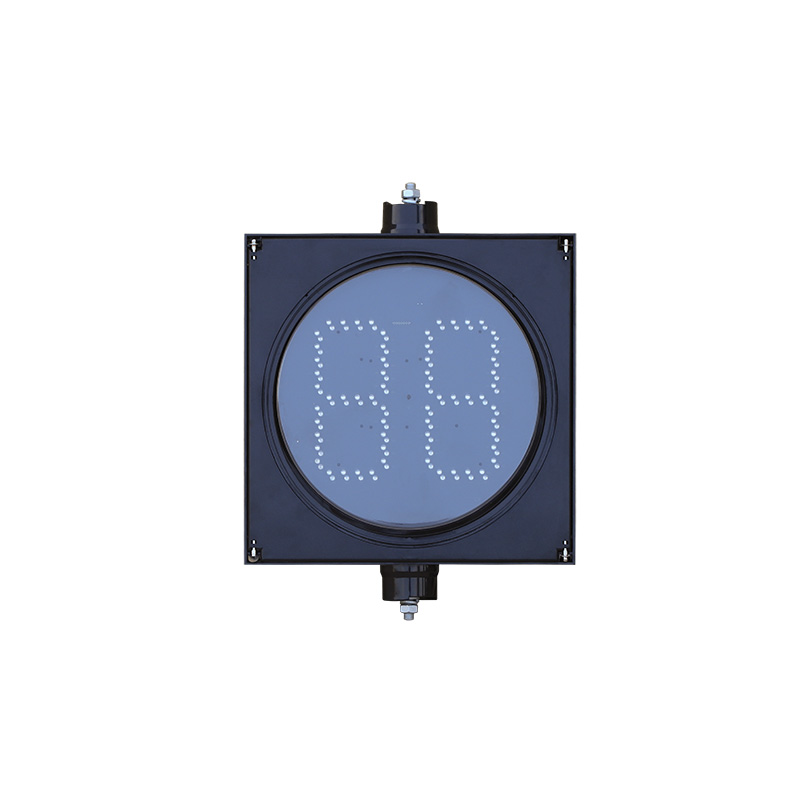
300mm Segment Type Countdown Traffic Light (Core Type)
Negotiable
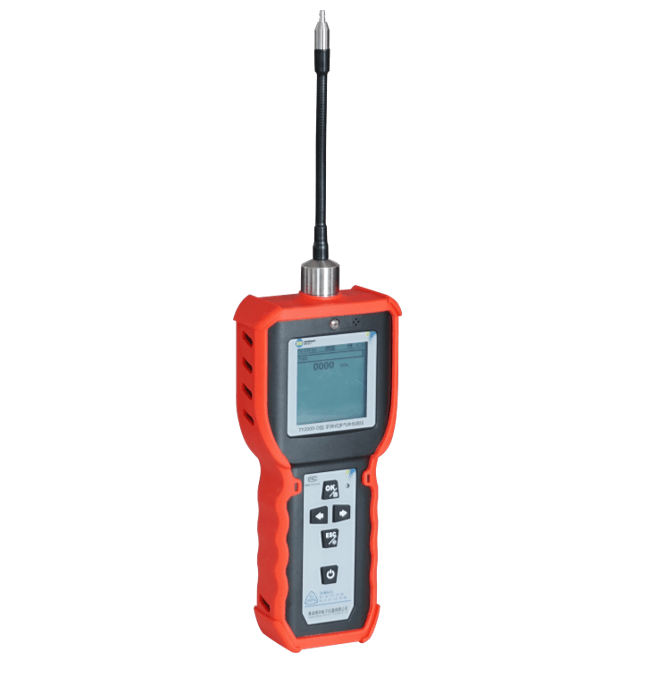
TY2000-D Portable Multi-Gas Detector
Negotiable