
| Notice Type | Tender Announcement |
|---|---|
| Notice Number | 127627526 |
| Description |
Project Name : SPECYFIKACJA WARUNKÓW ZAMÓWIENIA Procurement Method : Open, unrestricted tender Project Overview and Lots : The project is divided into five independent parts. Bidders may tender for any part or all parts. Part I : Construction of water supply network and gravity sewerage network at ul. Pojezierze in the Gwdzie Wielka area. Part II : Construction of water supply network at ul. Kosińskiego and ul. Wileńska in Szczecinek. Part III : Construction of water supply network and sewerage network at ul. Wypoczynkowa, Rekreacyjna, Spokojna, Łąkowa in Szczecinek. Part IV : Construction of water supply network from ul. Wypoczynkowa in Szczecinek towards Parsęcko. Part V : Construction of water supply network at ul. Zwycięzców in the Barwice area. CPV Code : 45231200-8 (Construction work for water and sewage pipelines) Design and Planning Design Basis : All works must strictly comply with current Polish law, building regulations, technical standards (e.g., PN-EN series), industry best practices, and detailed design documents provided by the contracting authority. Designs must fully consider topography, geological survey reports, existing underground utilities (requiring prior detection and verification), hydrological conditions, and future regional development plans. Network Layout and Hydraulic Calculations : Water Supply Network : Detailed hydraulic model analysis is required to ensure network pressure meets specification requirements under maximum design flow and most unfavorable point conditions (typically not less than XX bar at the endpoint). Pipeline routing should be optimized to reduce head loss, with appropriate placement of valves (isolation valves, air valves, drain valves), fire hydrants, and meter chambers to facilitate future operation, maintenance, and district metering. Gravity Sewerage Network : Design must ensure sufficient self-cleansing velocity (typically not less than 0.7 m/s) to prevent sedimentation. Pipe slopes must be precisely calculated based on terrain and pipe diameter. Manhole locations, spacing, and depths must be rationally planned for ease of cleaning and inspection. For low-lying areas or obstacle crossings, lifting pump stations must be designed, including backup pumps, control systems, and emergency power. Pipe Type and Specification : Water Supply Pipes : Primarily high-density polyethylene pipes (PE-HD/PE 100) or ductile iron pipes, must comply with PN-EN standards. All pipes, fittings, and valves must bear CE marking, sanitary approval (for potable water), and relevant strength and durability certifications. Sewer Pipes : Primarily polyvinyl chloride pipes, polypropylene pipes, or reinforced concrete pipes, must comply with relevant PN-EN standards. Joints must use socket-type rubber ring seals to ensure tightness. Auxiliary Facility Design : Structural design of valve chambers, fire hydrant chambers, meter chambers, manholes, septic tanks (if applicable), air valve chambers, drop manholes, etc. Manholes should be precast concrete or brick masonry structures with smooth inner walls; manhole cover load-bearing capacity must meet the requirements of the road class. Materials and Equipment Procurement and Approval : Brands, models, and technical parameters of all major materials (pipes, fittings, valves, manhole covers, etc.) and equipment (pumps, control systems) must be submitted for the contracting authority's written approval before construction. Original manufacturer's certificates of conformity, test reports, sanitary permits (for water supply parts), and durability proofs must be provided. Material Storage and Handling : Materials shall be stored on level, solid ground away from chemicals and sharp objects. Pipe stacking layers must not exceed specified limits to prevent deformation. Dedicated tools shall be used for handling to avoid dragging and impact. Material Traceability : A traceability system shall be established for all critical materials, recording batch numbers, production dates, supplier information, and the location used in the works. Construction and Installation Site Preparation and Survey : A detailed site survey must be conducted before construction to verify the location and depth of all existing underground utilities (cables, telecommunications, gas, other water and drainage pipes, etc.) and coordinate with relevant management authorities. Complete construction fencing, warning signs, nighttime warning lights, and a temporary traffic management plan must be established to ensure public safety and smooth traffic flow. Earthworks : Trench excavation must strictly follow design levels and slopes. Excavation width must meet requirements for pipe installation, jointing operations, and backfill compaction. Appropriate slope support or sheet piling measures shall be taken based on soil conditions to prevent collapse. Trench bottom shall be level, compacted, and laid with a specified thickness of gravel bedding layer and leveled. Excavated soil shall be sorted and stockpiled; soil suitable for backfilling shall be stored separately. Surplus soil and waste shall be transported off-site for disposal according to local regulations. Pipe Installation : Water Supply Pipes : PE pipes shall use butt fusion or electrofusion connections, and operators must be certified. Key parameters (temperature, pressure, time) during connection must be recorded. Visual inspection is required after connection. Ductile iron pipes shall use socket-type T-type push-in joints with dedicated rubber rings. Installation must ensure correct positioning of the rubber ring and that the insertion depth meets standards. Sewer Pipes : Plastic pipes must be inspected for intact pipe ends and rubber rings before installation. Dedicated lubricant shall be used during installation, applying even force to push the spigot into the socket to the marked line. A feeler gauge shall be used after installation to check rubber ring position. Pipes shall be laid straight with uniform slope; reverse slope is strictly prohibited. Chamber Construction : Chamber masonry or precast component installation must be accurate in location, with internal diameter and depth conforming to design. Special sealing treatment is required at the connection between the chamber wall and the pipe to prevent leakage. The chamber bottom shall have a channel with smooth corners. Steps shall be securely installed. Backfilling and Compaction : The area on both sides of the pipe and a certain range above the pipe crown (typically ≥95% Standard Proctor Density for pipe sides, ≥90% for above crown) must be backfilled in layers with selected sand or crushed stone. Each layer thickness shall not exceed 20-30cm, carefully compacted using plate compactors or impact rammers. Soil containing frozen clods, large stones, or organic matter is strictly prohibited from direct contact with the pipe. Backfilling with original soil above the pipe crown also requires layer-by-layer compaction, restoring to original ground level. Backfilling under roads must meet road sub-base compaction requirements. Pavement and Surface Restoration : Upon completion of works, all excavated areas must be restored to their original standards, including pavement (asphalt/concrete), sidewalks, curbs, green belts, etc. Restored areas shall be level, stable, and harmonious with the surrounding environment. Quality Control and Testing Construction Process Inspection : The supervisor or contracting authority's representative will conduct on-site spot checks and acceptance of trench excavation, bedding laying, pipe installation, joint quality, backfill material, and layer compaction density, and sign concealed works acceptance records. Pressure Testing (Water Supply Network) : After installation and backfilling of pipeline sections (joints may be left exposed initially), strength tests and leak tightness tests shall be conducted. Strength Test : Test pressure is typically 1.5 times the design working pressure, stabilized for not less than 1 hour, pressure drop shall not exceed specified value, and no leakage or visible deformation of pipes and joints qualifies as pass. Leak Tightness Test : Test pressure is the design working pressure, stabilized for not less than 2 hours, visual inspection is conducted and allowable leakage is calculated. Actual leakage shall not exceed the allowable value specified in the code. Watertightness/Airtightness Test (Sewerage Network) : Gravity sewer pipes require watertightness tests. Seal both ends of the test section, fill with water to the specified level, and observe the water level drop in the manhole. Actual leakage shall not exceed the allowable value specified in the code. For small-diameter sewer pipes, airtightness tests may also be used. Disinfection and Flushing (Water Supply Network) : Pipes must be thoroughly flushed before being put into service until the discharged water runs clear. After flushing, disinfection shall be carried out, typically using chlorinated disinfectant solution with an immersion time ensuring not less than 24 hours contact time. Subsequently, flush again until the water quality at the endpoint, upon testing, complies with Polish drinking water sanitary standards. Final Acceptance Testing : Upon completion of the entire system, integrated testing shall be conducted, including valve operation, fire hydrant water discharge, pump station automatic start/stop, control system functions, etc., to ensure the system operates normally as designed. Health, Safety and Environmental Management Safe Construction : Strictly comply with Polish health and safety regulations. All site personnel must wear personal protective equipment. Protective railings and warnings shall be set up for excavated areas. Ensure safe distances when using machinery and equipment. Before confined space work (e.g., deep manholes), gas detection must be performed, a permit-to-work system followed, and a watchman assigned. Environmental Protection : Control construction dust and noise. Properly handle construction wastewater to prevent soil and water pollution. Restore disturbed vegetation as much as possible after construction. Waste shall be sorted and collected for compliant disposal. Community Relations : Announce construction information in advance to minimize disturbance to residents and businesses. Set up clear instructions and contact information, and respond promptly to reasonable concerns. Document Delivery and Training As-Built Documentation : Upon project completion, the contractor must submit a complete as-built documentation package, including: Full set of as-built drawings (including all changes). Material certificates of conformity, test reports. Construction records, concealed works acceptance forms, test reports (pressure, watertightness, disinfection, etc.). Photographic and video records during construction. Accurate Geographic Information System data (GIS data) for the pipeline network, including coordinates, levels, and attribute information for all pipelines, valves, and chambers. Operation and Maintenance Manuals : Provide detailed operation manuals, maintenance guidelines, and spare parts lists for all equipment (e.g., pumps, control systems). Defects Liability Period Services After final acceptance of the works, a 24-month defects liability period begins. During this period, the contractor is responsible for repairing any defects arising from material or workmanship quality issues. Provide 7x24 emergency response service. Upon notification from the contracting authority, the contractor shall arrive on site within X hours to handle emergencies (e.g., pipe bursts, pump station failures). Technological Innovation and Sustainability Suggestions Contractors are encouraged to propose innovative or more sustainable solutions within budget and design requirements, for example: Adopting more energy-efficient network monitoring equipment (e.g., smart water meters, pressure/flow sensors). Using pipes with longer lifespan and lower leakage rates. Optimizing pump station design using variable frequency drives for energy savings. Proposing rainwater harvesting and utilization schemes during construction. Providing preliminary data architecture suggestions for a GIS-based asset management system. Key Tender Requirements : Qualification Requirements : The bidder must demonstrate having successfully completed at least two water supply or sewage pipeline construction, renovation, modernization, or repair projects in the past 5 years, each with a value not less than 50,000 PLN (including VAT). Tender Documents : Must be submitted electronically via the designated procurement platform (https://platformazakupowa.pl/pn/pwikszczecinek) with a qualified electronic signature or trusted signature. The contracting authority's standard forms, a declaration of conformity, and a list of at least two completed projects must be filled in and submitted. Key Contract Terms : The contract must be concluded in writing. The successful bidder must submit a financial and schedule plan approved by the contracting authority before contract signing and provide proof of third-party liability insurance not less than the total tender amount. If bidders form a consortium, an authorized representative must be designated. Upon award, a consortium agreement must be provided, clearly stating joint and several liability among members, which cannot be amended without the contracting authority's consent. |
| Documents |  Attachment.pdf (586.12 K) Attachment.pdf (586.12 K) |
Expired Tender for Water Supply and Sewage Pipeline Construction Works by Polish Water Supply and Sewerage Company Limited Liability Company
| Organization | Przedsiębiorstwo Wodociągów i Kanalizacji Spółka z Ograniczoną Odpowiedzialnością | Country | Poland |
|---|---|---|---|
| Contact | Sylwia Wasylczyszyn | Tel. | View more |
| View more | Address | ul. Bugno 2, 78-400 Szczecinek, Poland | |
| Release Date | 2026-02-03 | Validity | 2026-02-11 |
Details
The tender information on this website is provided for reference only. If you intend to bid, please verify the authenticity and accuracy of the information with the tendering party. Our company reserves the right to adjust website content at any time and assumes no direct or indirect liability for it.Email: news@wedoany.com
Related Tenders
Related Products
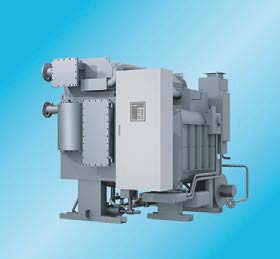
ABS Lithium Bromide Unit
Negotiable
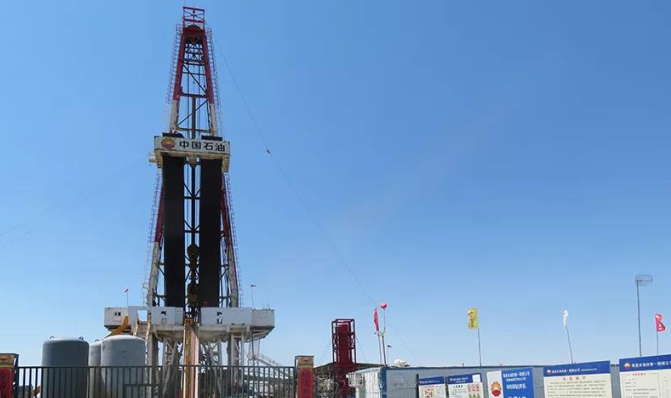
API Series Casing
Negotiable
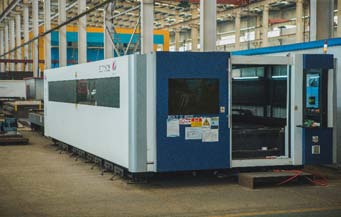
CNC Fiber Laser Cutting Machine
Negotiable
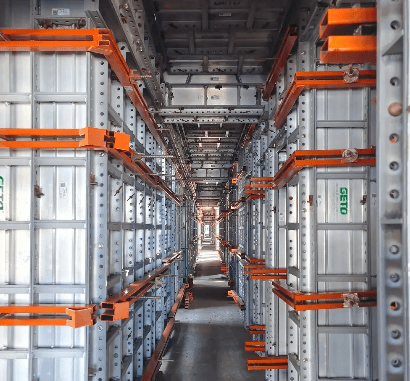
Aluminum Formwork System
Negotiable
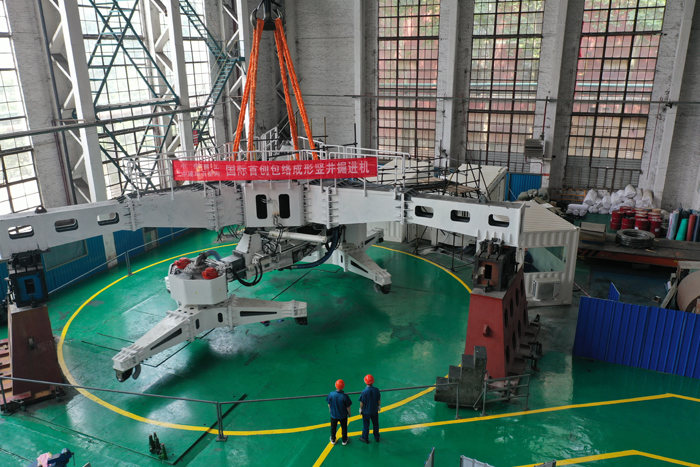
CITIC Heavy Industries Tunneling Equipment Tunnel Engineering Shield Machine
Negotiable
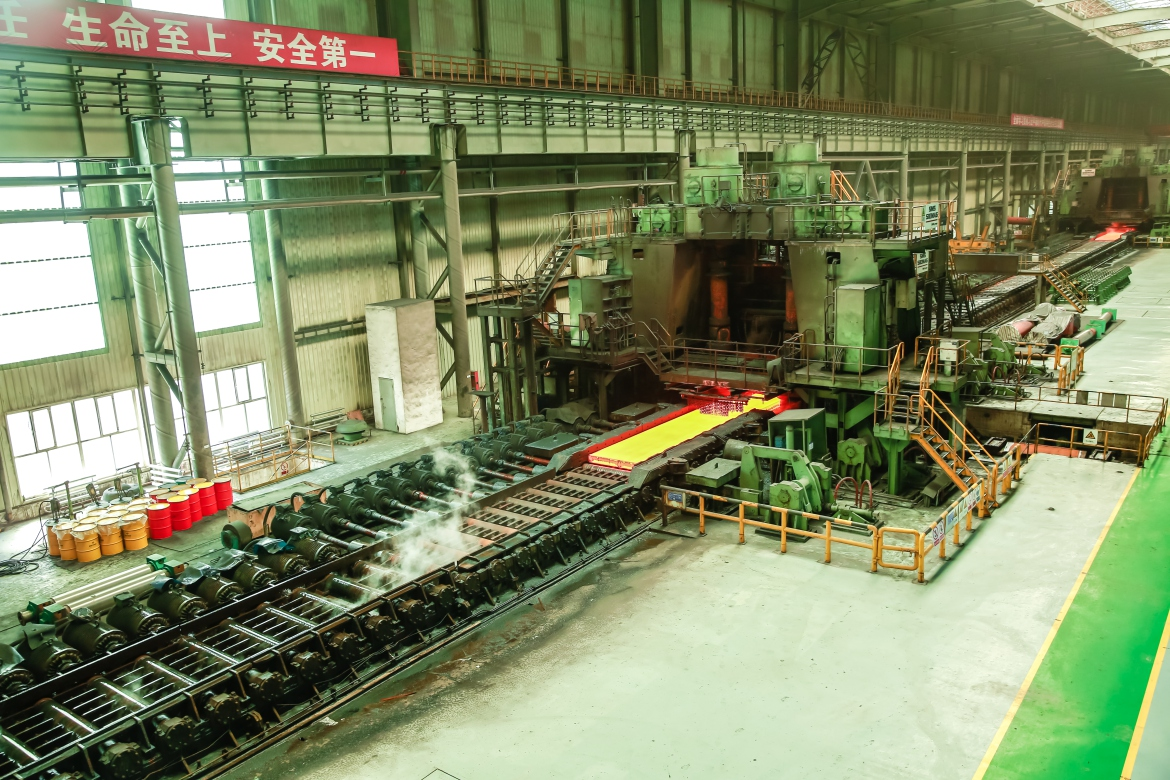
Hot-rolled Products
Negotiable

Ceiling light | led Ceiling Light | LED Indoor light | LED Ceiling lighting
Negotiable /PCS
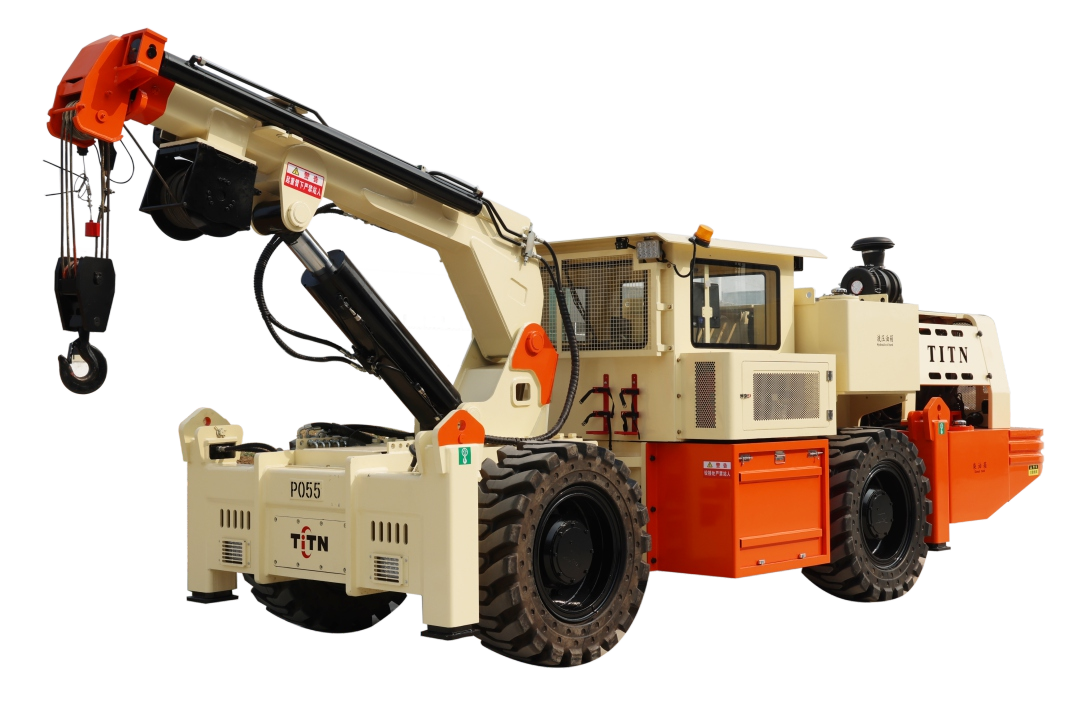
FQ-9000 Underground Crane
Negotiable
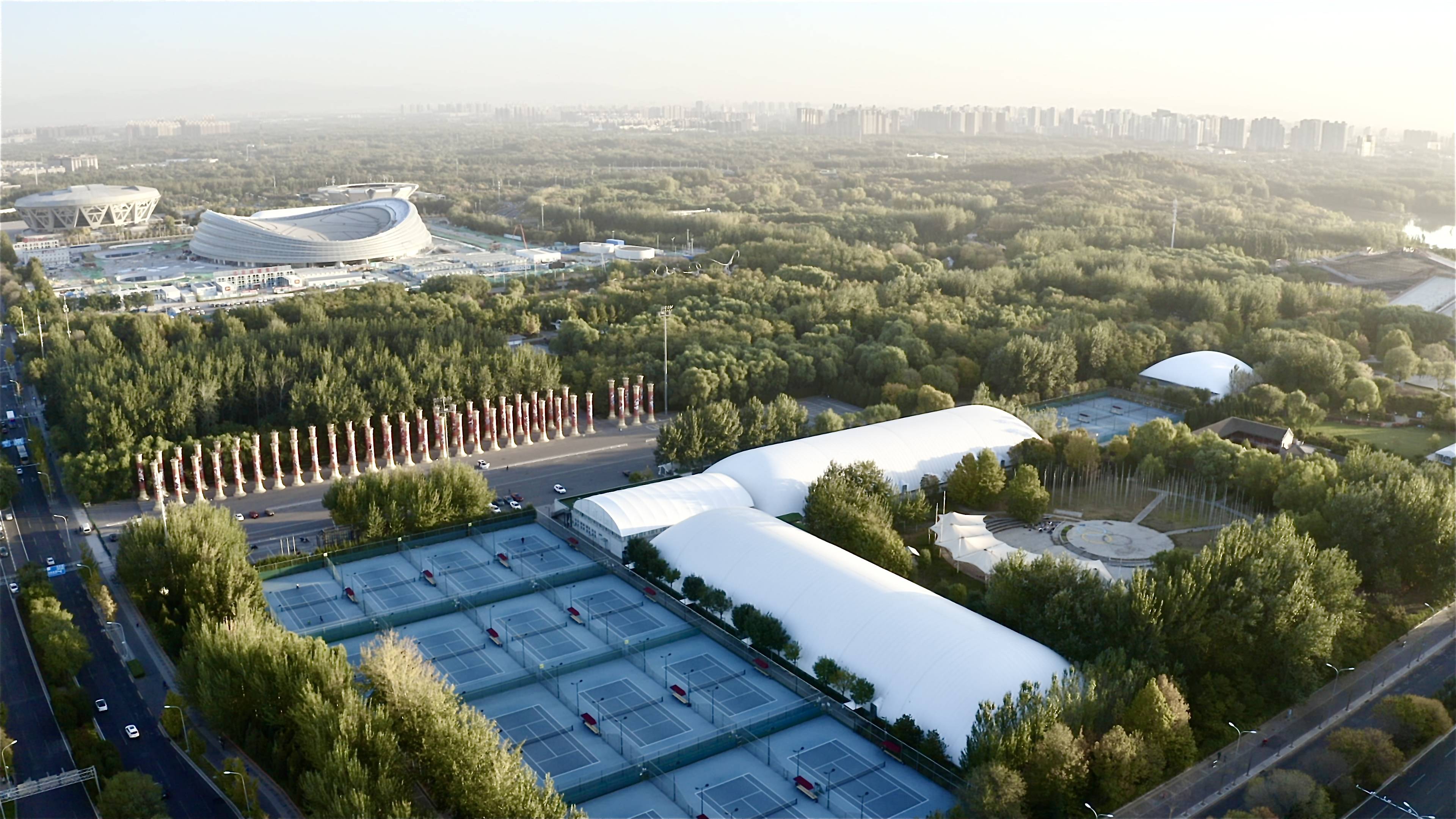
Air-supported Membrane Venue
Negotiable /m²
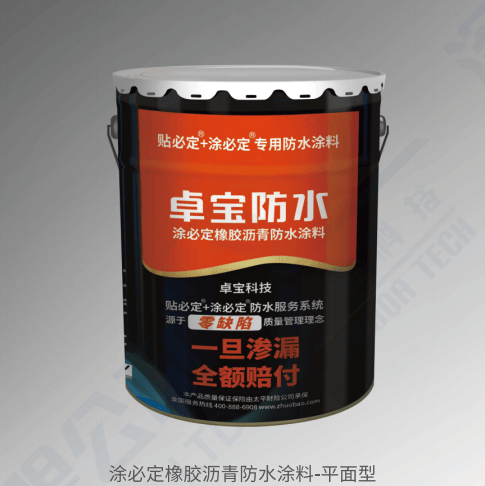
"Tiebiding + Tubiding" Waterproofing Service System
Negotiable
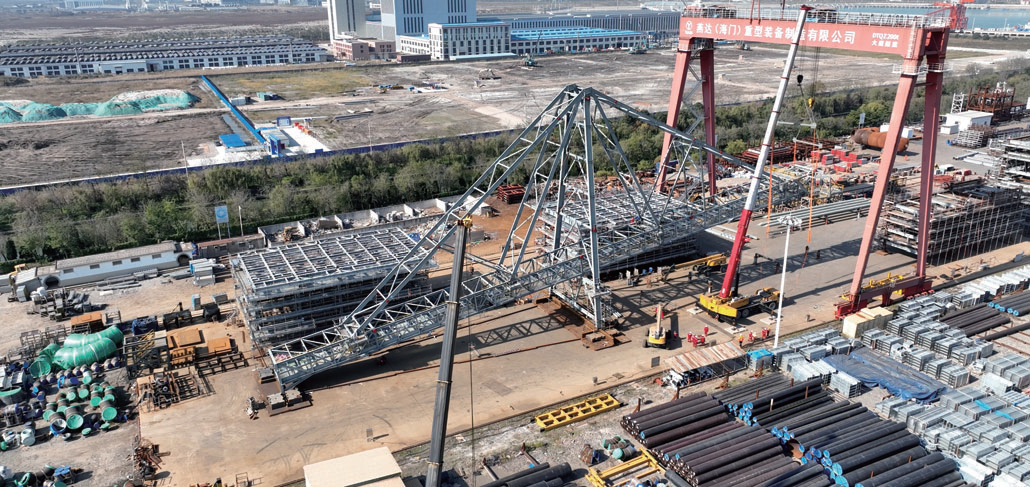
Steel Structures
Negotiable
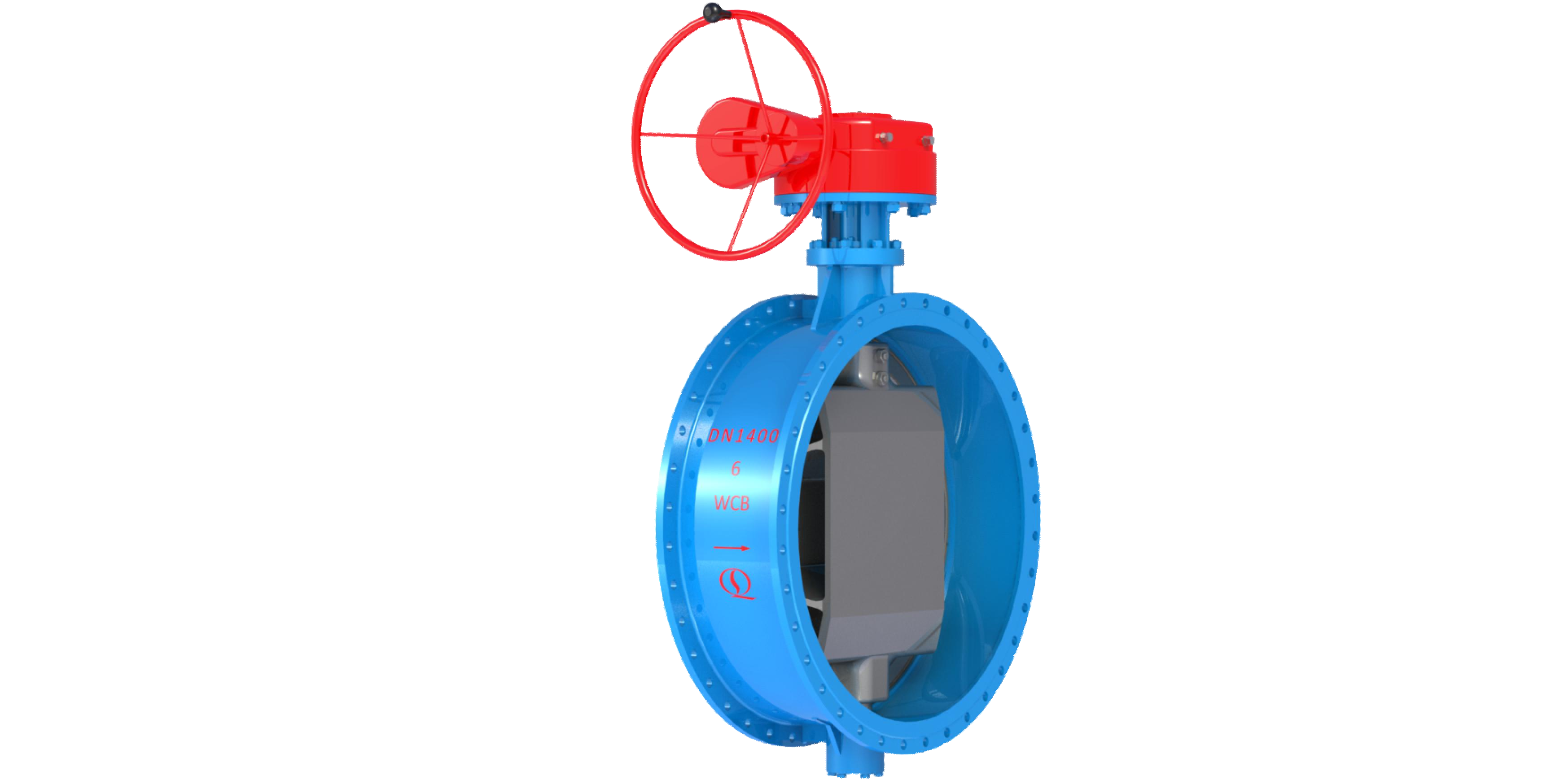
Bidirectional Metal Hard Sealed Seawater Butterfly Valve
Negotiable