
| Notice Type | Tender Announcement |
|---|---|
| Notice Number | BIP 40025451-0 |
| Description |
Bid Name: Construction Project of Puerto Aysén Bus Terminal Bid ID / Project Code: BIP 40025451-0 Bid Status: Published Bid Type: Public Tender - Amount equal to or above 5,000 UTM (LR) Project Description: Main Building Construction: The main building is not only a hub for vehicles but also serves as the urban gateway and community activity center for Puerto Aysén. Its design must balance functionality, landmark status, comfort, and sustainability. Passenger Terminal Building: Waiting Hall: Spatial Scale and Layout: The hall must adopt a high-ceiling, open design (suggested clear height not less than 6 meters), achieving column-free space through long-span structures to maximize visibility and space utilization. The layout should clearly delineate general waiting areas, priority waiting areas (for the elderly, weak, sick, disabled, and pregnant), and group waiting areas, using flexible zoning via floor finishes or partitions. Flow Organization: The design must follow clear one-way flow lines for "entrance-ticketing-waiting-boarding" and "alighting-exit," avoiding pedestrian crossing and detours. Establish a clear guidance signage system, including site plans, directional signs for various functional zones, dynamic screens at ticket counters, and departure information screens. Signage must also comply with Chilean National Standards (NCh) regarding accessibility design. Environmental Comfort: Incorporate passive energy-saving design, utilizing natural lighting (e.g., skylights or clerestory windows) to reduce daytime lighting energy consumption. Considering Puerto Aysén's rainy and windy climate, entrance areas should have windbreak vestibules or revolving doors to minimize energy loss. Waiting seats must be ergonomic, made of durable and easy-to-clean materials, with quantities calculated based on predicted peak passenger flow (suggested not less than 150 seats). Information and Technology Integration: Pre-install integrated cabling systems to support future deployment of large LED information display screens, multimedia inquiry terminals, and public address systems. Reserve space in the central or prominent area of the hall for potential setup of a tourist information center or urban cultural exhibition area. Ticket Office: Functional Zoning: Should be divided into manual ticket counter areas, self-service ticket machine areas, and online ticket pickup areas. At least 4 manual counters are required, one of which must be an accessible low-height counter. It is recommended to configure no less than 6 self-service ticket machines, supporting cash, bank cards, and mobile payments. Ticket System Integration: The terminal building must reserve interfaces for future integration with Chile's National Land Transport Integrated Ticketing System. Sufficient electrical and low-voltage power outlets and cable trays must be reserved below ticket counters for installing computers, ticket printers, currency validators, intercom equipment, etc. Information Desk: Location and Service: Should be located at the junction between the ticket hall and waiting hall or in a prominent central position for easy passenger access. The service desk should be circular or peninsula-shaped to facilitate service from multiple angles. It must be equipped internally with a public address system control terminal, internal communication phones, and lost-and-found storage lockers. Mother-and-Child Room and Accessible Restrooms: Mother-and-Child Room: At least one independent mother-and-child room must be set up, containing a changing table with safety straps, a sink, a comfortable nursing chair, an infant safety seat, power outlets, and an emergency call button. Walls and floors should use antibacterial, easy-to-clean materials. Accessible Restrooms: Accessible restrooms must be provided on each floor in main passenger activity areas. Their dimensions must accommodate wheelchair turning radius (minimum diameter of 1.5 meters), equipped with accessible handrails, low-height sinks, emergency call buttons, and toilets with handrails. Doors should be sliding or outward-opening swing doors with easy-to-open handles. Office Area: Functional Subdivision and Layout: Dispatch Center: Should be located with a good view of boarding bays or managed remotely via high-definition surveillance systems. It must integrate vehicle dispatch management systems, real-time monitoring screens, two-way communication base stations, and charging/management equipment for wireless intercom systems. Administrative Offices: Provide independent or open-plan office space for station managers, finance, human resources, logistics, and other administrative staff. Requires comprehensive network and communication interfaces to ensure efficient daily operations. Driver Lounge and Meeting Room: Provide a dedicated rest area for bus drivers equipped with seating, water dispensers, and microwaves. Also, a multi-function meeting room accommodating 20-30 people is needed for daily briefings, safety training, and temporary business negotiations. Commercial Facilities: Business Planning and Space Reservation: Convenience Store/Supermarket: Plan an area of approximately 50-80 m² along the main passenger corridor or at the edge of the waiting hall for a convenience store or small supermarket. Independent water supply/drainage points, high-power electrical supply, and space for refrigeration equipment heat dissipation must be reserved. Food and Beverage Services: Plan 2-3 food and beverage units of 30-50 m² each for fast food, cafes, or local specialty snacks. Special attention must be paid to solving issues of kitchen exhaust (must comply with environmental standards), grease separation, and gas/electricity supply for the dining area. Local Specialty Sales: Reserve an area of approximately 20 m², which can be designed as an open exhibition and sales area for showcasing and selling characteristic handicrafts and agricultural products of the Aysén Region, promoting cultural and tourism integration. Vending Machine Locations: Reserve power and network interfaces for vending machines in locations such as the waiting hall and entrances/exits. Structural Form: Scheme Selection and Considerations: The final structural form will be determined by the geotechnical investigation report and design drawings in the "Project Technical Documents," but the following schemes are typically considered: Reinforced Concrete Frame Structure: Suitable for the main terminal building, offering advantages of moderate cost, good fire resistance, and strong durability. Allows for flexible internal space partitioning. Long-Span Steel Structure (e.g., Space Frame, Truss): Suitable for areas requiring large spaces like the waiting hall, providing an open, column-free visual effect with fast construction speed. However, it has higher requirements for fireproof coatings and corrosion protection, especially in coastal, humid environments like Puerto Aysén. Foundation Type: Based on geological conditions, independent footings, strip footings, or pile foundations may be used. Detailed geotechnical investigation review is mandatory before construction. Station Yard and Road Works: Station yard and road works are the core for ensuring efficient bus operation and passenger safety. Boarding Bays and Alighting Area: Quantity and Layout: The number of boarding bays must be determined based on long-term planned routes and departure frequency (suggested initial capacity not less than 8-10 bays), using sawtooth or parallel layouts. Each boarding bay should be clearly numbered and equipped with safety islands or guardrails to protect waiting passengers. Alighting Area: Should be an independent area near the exit for quick passenger dispersal. Designed as a bus bay to prevent alighting vehicles from occupying the main road. Infrastructure: Pavement: Use high-strength, wear-resistant, and anti-slip concrete paving, with clear bay markings, directional arrows, and pedestrian crosswalks. Drainage: The pavement of boarding bays and alighting areas must have proper drainage slopes (not less than 0.5%) and efficient linear drainage channels to prevent water accumulation. Lighting and Surveillance: Area illumination must meet safe operation requirements, with full coverage by high-definition surveillance cameras. Bus Parking Lot: Capacity and Zoning: The parking lot must accommodate all overnight parked vehicles and some reserve vehicles. It can be zoned for vehicles from different companies, with reserved areas for maintenance and washing. Supporting Facilities: Charging Facilities: In response to the trend of transport electrification in Chile and globally, the parking lot should have pre-buried cable conduits and reserve installation locations and electrical capacity for electric bus charging piles according to a certain proportion (suggested initial 20%, expandable). Washing Area and Maintenance Pits: Set up a dedicated washing area equipped with high-pressure washing equipment and wastewater recycling/treatment systems. Provide at least 1-2 maintenance pits with lighting and power supply for routine simple vehicle maintenance. Internal Roads: Flow Design: Follow the "right-in, right-out" principle, designing a one-way circulation route for vehicles to eliminate head-on conflicts completely. Pedestrian-Vehicle Separation: Strictly separate vehicle lanes from pedestrian walkways through physical barriers, different pavement levels, or clear ground markings. Passenger crossings of vehicle lanes must be via crosswalks or pedestrian bridges/underpasses. Road Surface Structure: Vehicle lanes should use asphalt concrete pavement capable of supporting heavy-duty bus traffic, offering advantages of low noise, high smoothness, and easy maintenance. Pedestrian Plaza and Walkways: Station Forecourt: As a transitional space between the city and the station, the forecourt design should combine aesthetics (e.g., local plant landscaping, urban sculptures) and functionality (providing seating, bicycle parking areas, temporary drop-off/pick-up zones for taxis and private vehicles). Accessible Pathways: Continuous accessible pathways must be constructed from the city sidewalk to the station entrance and to all facilities inside the station. Curb ramps must be provided at curbs, and tactile paving must be installed to guide visually impaired persons. Supporting Facilities Engineering: A modern bus terminal relies on a robust network of equipment and facilities. Equipment Procurement: Passenger Seats: Procure a batch of high-quality, weather-resistant, ergonomic public seating with vandal-resistant design, to be installed in the waiting hall and boarding bay waiting areas. Ticketing System: Includes servers, workstations, ticket printers, backend management software, etc. The system must have strong data processing capabilities, supporting multi-channel ticketing and real-name management. Dispatch Communication Equipment: Includes base stations, vehicle-mounted terminals, handheld radios, etc., to establish a dedicated wireless communication network covering the entire station and a certain range of routes. Surveillance System: Deploy high-definition network cameras to achieve full coverage of indoor/outdoor station areas, perimeter, boarding bays, and parking lots without blind spots. Surveillance data must be stored for not less than 90 days. LED Display Screens: Install comprehensive information screens above the ticket office to display routes, fares, and schedules; install smaller screens in the waiting hall and at boarding bays to show specific line boarding and departure information. All display screens must connect to a central control system for synchronized information release. Public Utilities: Lighting System: Use high-efficiency, energy-saving LED fixtures inside the terminal building, combined with natural lighting for intelligent dimming control. Use high-mast lights or courtyard lights for the forecourt and station yard to ensure uniform illumination at night without dark spots. Ventilation and Air Conditioning System: Use all-air systems or fan coil units with fresh air systems for large spaces like the waiting hall to ensure comfortable indoor temperature and fresh air. Use split-system air conditioners or Variable Refrigerant Flow (VRF) systems for office areas for flexible control. Fire Protection System: Must be strictly designed according to Chilean fire codes, including automatic fire alarm systems (smoke/heat detectors, manual call points), automatic sprinkler systems, indoor/outdoor fire hydrant systems, and portable fire extinguishers. Key areas (e.g., electrical room, dispatch center) require gas suppression systems. Water Supply and Drainage System: Design a complete cold/hot water supply system and a separate stormwater and sewage drainage system. Domestic sewage must be treated in septic tanks before discharge into the municipal network. Collect roof rainwater for landscaping irrigation and vehicle washing, reflecting green building concepts. Network Communication Infrastructure: Install high-speed fiber optic network covering the entire station, supporting full Wi-Fi coverage. Establish independent logical networks for office, ticketing, surveillance, commercial, and other systems to ensure data security and stability. External Connections: Power Connection: Based on the project's total electrical load (considering future expansion of charging piles), apply to the local power company for capacity increase and construct a dedicated substation. Introduce dual-circuit power supply from the municipal grid to ensure power supply reliability for critical loads (e.g., surveillance, emergency lighting). Water Supply and Drainage Connection: Coordinate with the municipal water company to determine the water supply connection point and pipe diameter, and complete relevant procedures. Confirm the location and elevation of municipal connections for stormwater and sewage discharge to ensure smooth integration of the station's drainage system. Network Communication Connection: Coordinate with telecommunications operators to bring high-speed fiber optics into the station's network core equipment room. Bid Process: Single-stage bid opening. Bid Document Requirements: Must submit administrative documents (e.g., decree approving general administrative clauses, administrative annexes) and technical documents (containing up to 107 project technical documents). Subcontracting: Permitted Supplier Qualification Requirements (Post-Award): Must be registered and qualified in the National Supplier Registry (Registro Nacional de Proveedores), with no adverse records regarding criminal, tax, bankruptcy, or labor issues. Both individual and corporate bidders must meet specific conditions regarding no criminal record, no tax/pension debts, non-bankruptcy, etc., and provide corresponding documents (e.g., certified identification, sworn statement, company existence certificate, etc.). |
| Documents |  Attachment.pdf (717.94 K) Attachment.pdf (717.94 K) |
Expired Tender Announcement for the Construction Project of Puerto Aysén Bus Terminal by the Municipality of Aysén, Chile
| Organization | I MUNICIPALIDAD DE AYSEN | Country | Chile |
|---|---|---|---|
| Contact | SEBASTIAN VILLAGRA ESPINOZA | Tel. | View more |
| View more | Address | Cementerio Municipal, Aysén, Aysén del General Carlos Ibáñez del Campo Region | |
| Release Date | 2026-03-07 | Validity | 2026-04-07 |
Details
The tender information on this website is provided for reference only. If you intend to bid, please verify the authenticity and accuracy of the information with the tendering party. Our company reserves the right to adjust website content at any time and assumes no direct or indirect liability for it.Email: news@wedoany.com
Related Tenders
Related Products

Industrial and Commercial Point-Type Gas Detector
Negotiable
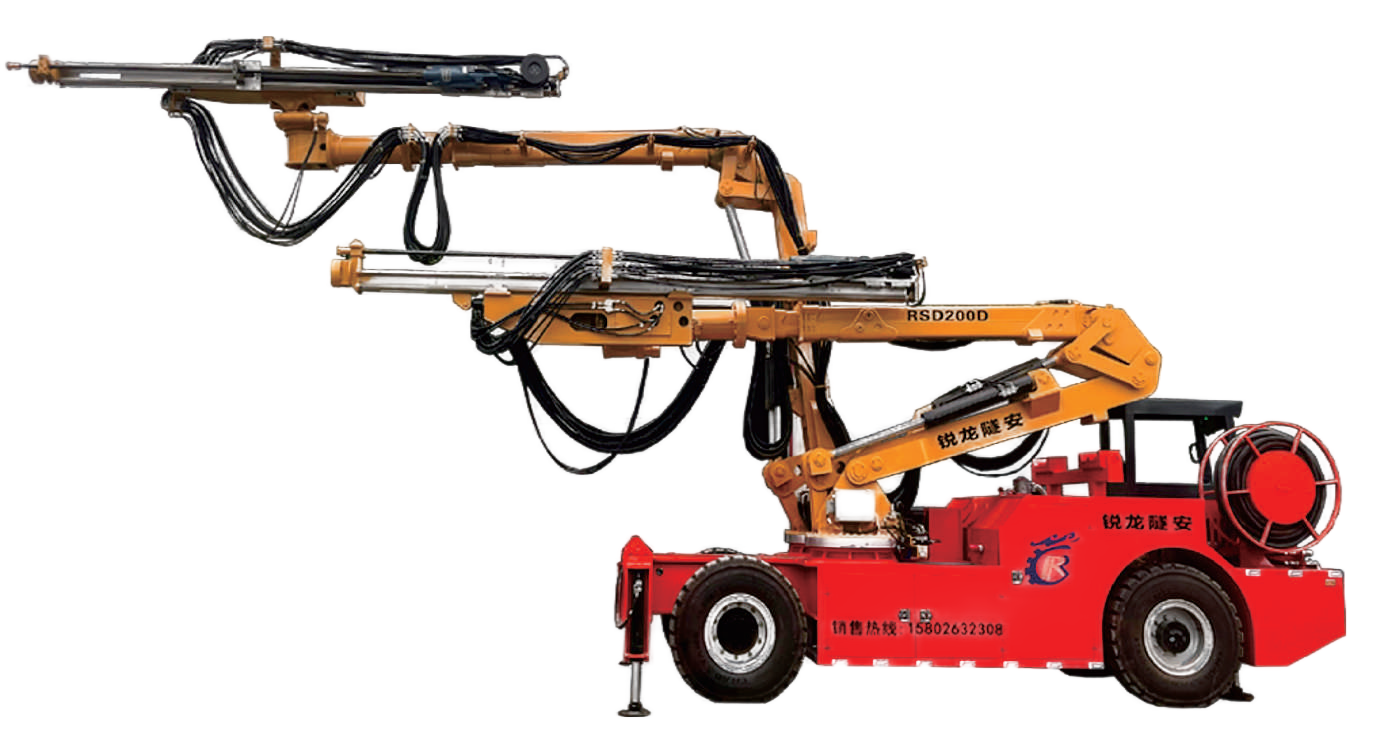
Dual-curved Arm Rock Drilling Trolley RSD200D
Negotiable
Bus Facial Payment All-in-One Machine
Negotiable
China World Trade Center Project
Negotiable
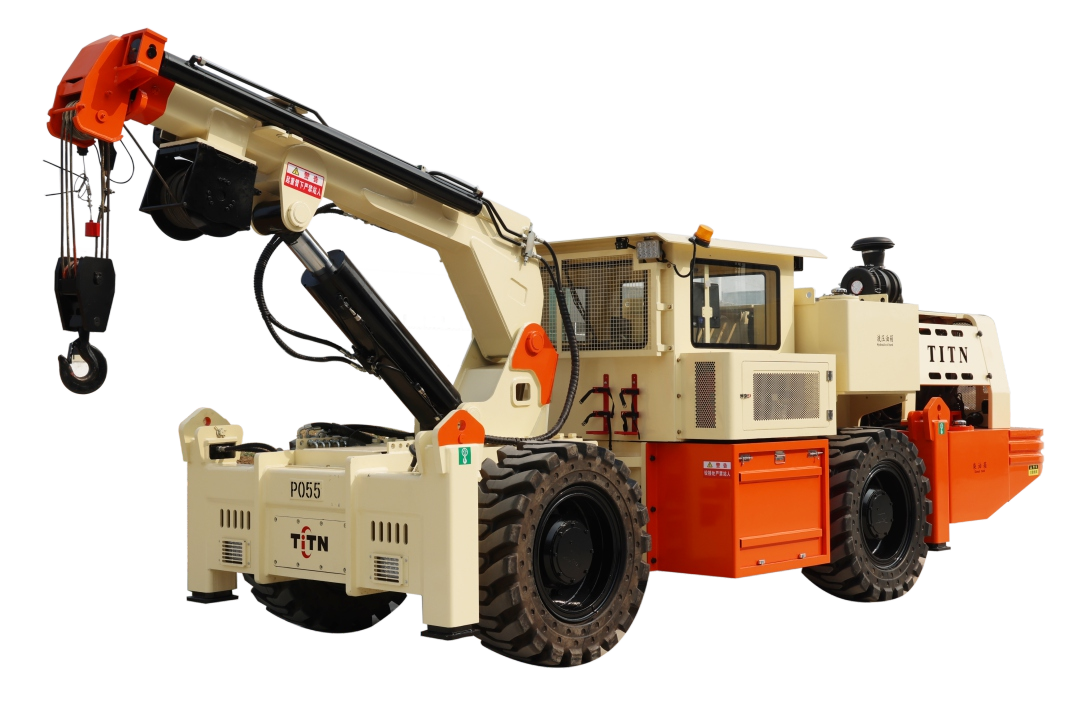
FQ-9000 Underground Crane
Negotiable
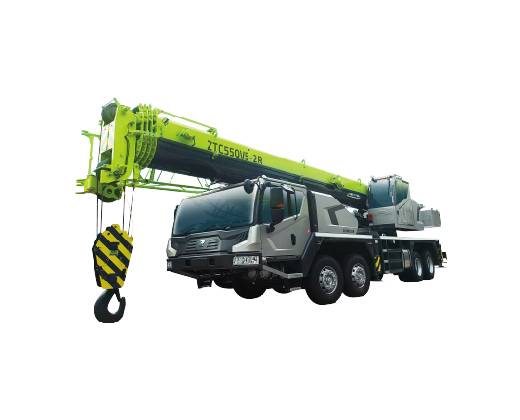
Crane
Negotiable
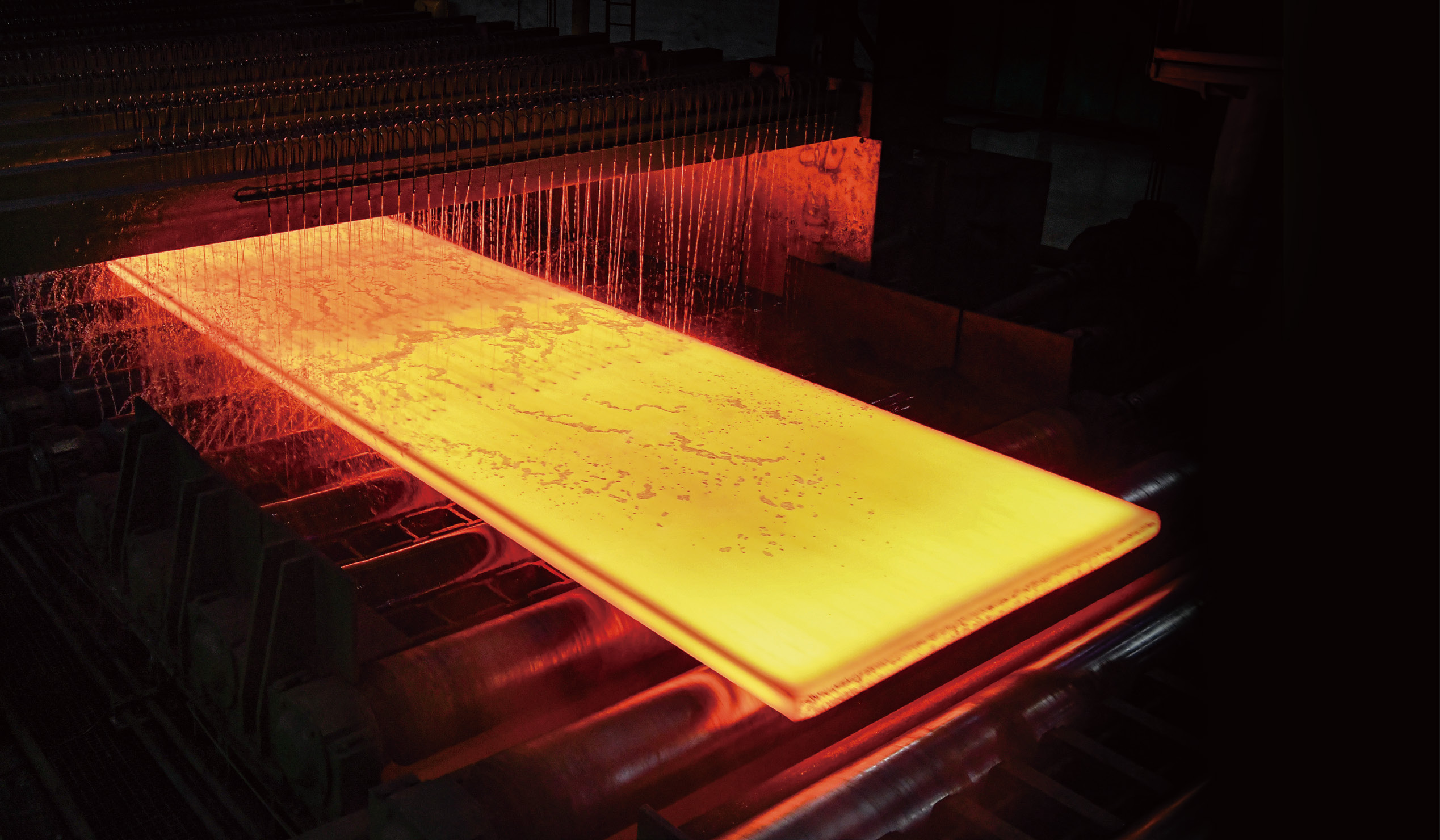
Wide and Heavy Plate
Negotiable
Ultra-Pure Ferrite Stainless Steel Products
Negotiable
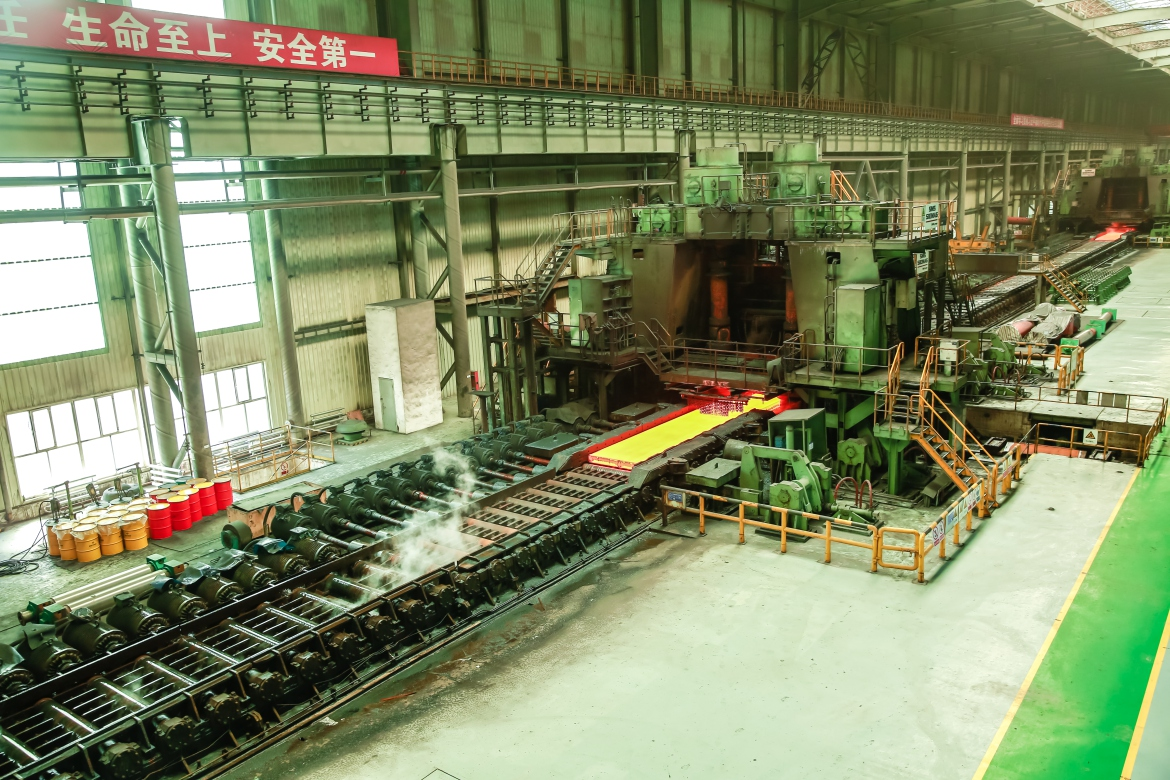
Hot-rolled Products
Negotiable
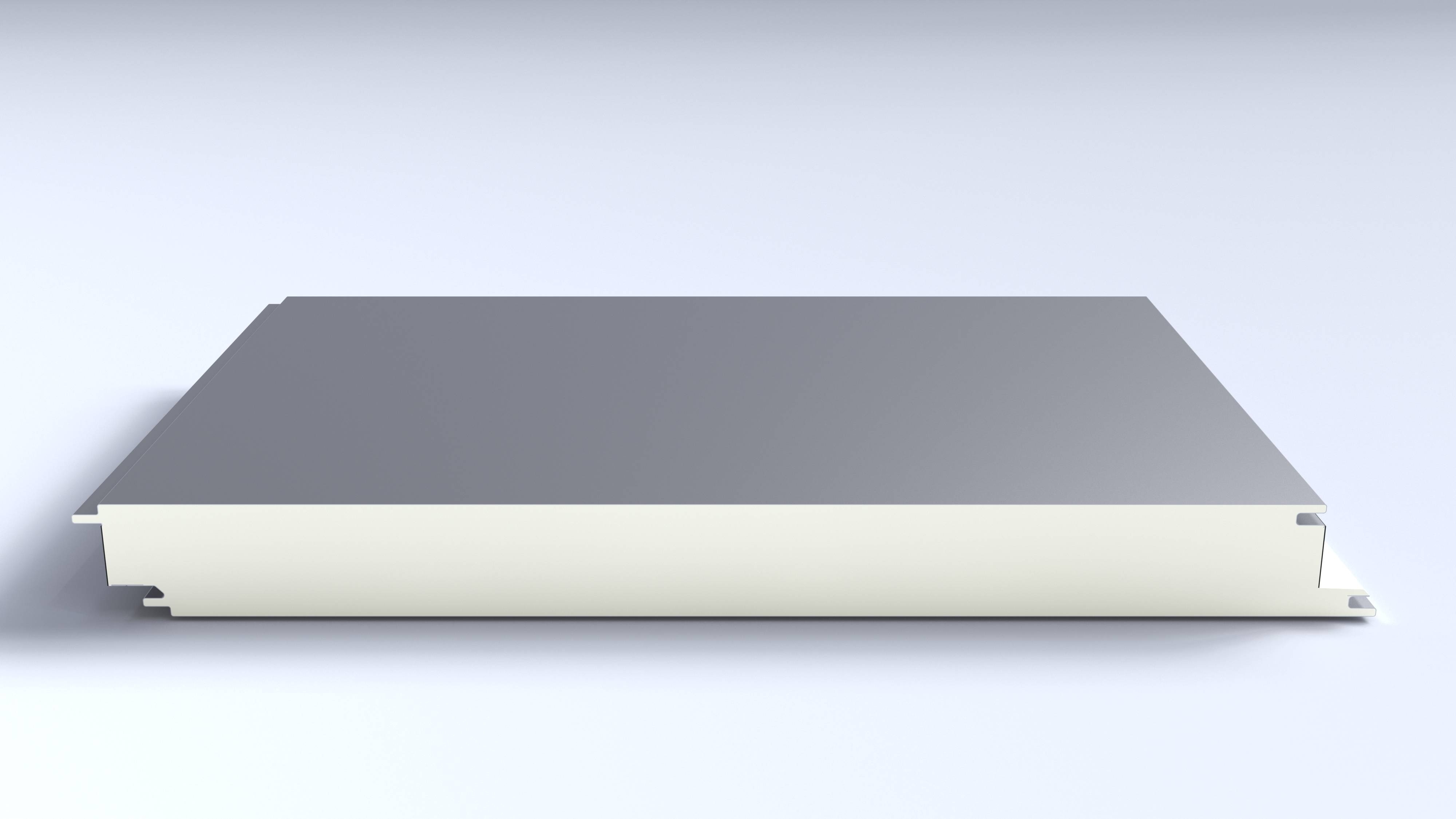
Pure Polyurethane Wall Panel BD-AEF-PIR-01
Negotiable
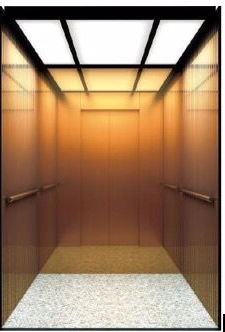
Hotel Elevator
Negotiable
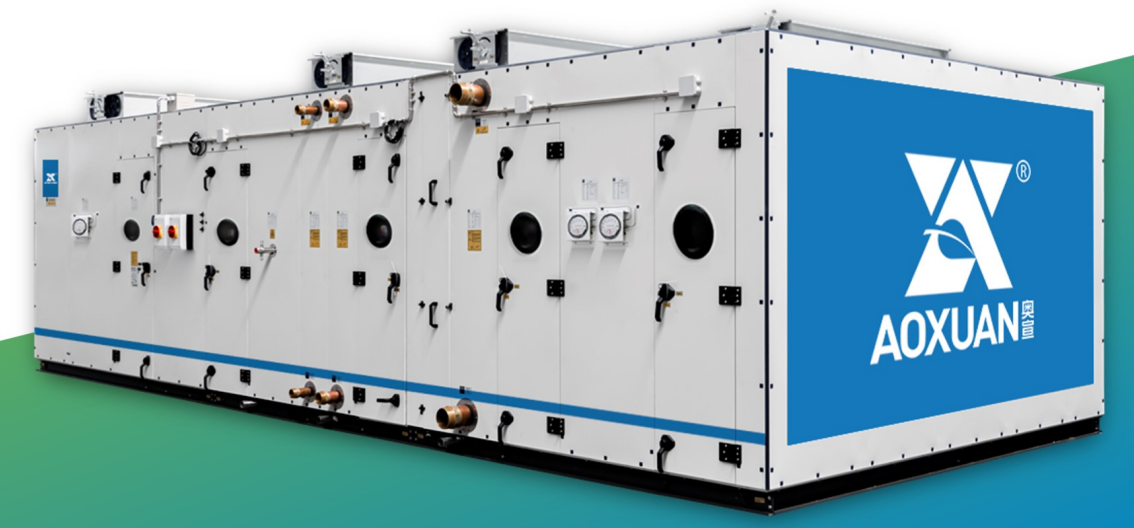
Aoxuan Intelligent Precision Air Conditioning Unit
Negotiable