
| Notice Type | Tender Announcement |
|---|---|
| Notice Number | 12982794 |
| Description |
Project Name: Construction of an Archive Building (for the operation of public administration offices) Tender Type: Public Procurement Contract Nature: Construction Works Location of Works: Plot No. 89/22, Szczytyniki Commune, Greater Poland Voivodeship, Poland (Szczytyniki Registration Area 0023) Scope of Works: Demolition Works Site Survey and Protection: Before commencing demolition, a comprehensive survey of existing facilities on and around the site must be conducted, including the specific locations and depths of underground utilities (water, electricity, telecommunications, gas). Relevant municipal companies must be contacted to confirm the status of utilities, which may require temporary relocation or protective disconnection to prevent damage or safety incidents during construction. Additionally, any trees or greenery on the site must be transplanted or legally approved for felling. Demolition of Existing Buildings/Structures: For old foundations, walls, or simple sheds on the plot, demolition shall primarily use mechanical methods, supplemented by manual demolition. The demolition sequence must follow the principle of "top-down, layer by layer, section by section" to ensure structural safety. For parts connected to buildings to be retained, cutting techniques must be used for separation to avoid vibration damage to the retained structure. Construction Waste Management: Strictly classify, temporarily store, and remove waste generated from demolition (concrete, bricks, metal, wood, etc.) in accordance with Polish environmental regulations. Recyclable crushed bricks and concrete blocks may be considered for on-site crushing and reuse as sub-base fill material to reduce transportation costs and environmental impact. Scrap metal must be handled by licensed recycling companies. Proof of disposal must be retained for all waste transported off-site for environmental inspection purposes. Site Hardening Site Leveling and Earthwork Balancing: After demolition, precise site surveying shall be performed. Based on the architectural design elevations, cut and fill volumes shall be calculated to achieve earthwork balance as much as possible, minimizing the need to transport soil off-site or import soil. Bulldozers and graders shall be used for rough leveling, removing unsuitable weak soil layers such as tree roots and topsoil. Sub-base and Base Course Construction: Design a suitable site hardening structure based on the archive's load requirements and the geotechnical report. This typically includes: compacted subgrade (compaction degree must reach 0.95 or higher) → graded crushed stone or slag base course (approx. 20-30cm thick, for drainage and frost protection) → cement-stabilized crushed stone base (approx. 15-20cm thick, to improve bearing capacity). Each layer must pass compaction tests before proceeding to the next. Surface Course Construction: Determine surface materials based on functional zones. Fire Access Roads and Main Roads: Use C30/37 grade concrete pavement, approx. 20-25cm thick, with single or double-layer bidirectional reinforcement mesh. Expansion joints must be installed, and the surface shall be roughened or grooved to increase friction. Pedestrian Walkways and Parking Spaces: Porous concrete pavers or porous asphalt may be used, meeting modern environmental requirements and facilitating rainwater infiltration. The base course must have a drainage slope (typically 1%-1.5%) to direct water towards catch basins. Archive Entrance Ramp: Must be constructed strictly according to accessibility design standards, with a slope not exceeding 1:12. The surface material must be slip-resistant, with handrails and curbs installed on both sides. Earthworks Setting Out: Based on the site plan and building control points, use a total station or GPS-RTK for precise building layout, determining the excavation boundary lines, and setting up batter boards or reference stakes as control points during construction. Foundation Pit Excavation: Considering the archive's likely strict requirements for moisture protection, the excavation depth must be determined based on the geotechnical report and foundation design drawings. Use mechanical bulk excavation, leaving a 30cm layer for manual final leveling to prevent mechanical disturbance of the natural soil. Strictly control the base elevation during excavation and implement dewatering measures. If the groundwater level is high, a light wellpoint system or deep well dewatering system must be installed to ensure a dry base. Probing and Foundation Pit Inspection: After excavation reaches the design elevation, perform manual probing to check for adverse geological conditions such as old wells, tombs, or weak interlayers below the base. A joint inspection by the surveyor, designer, supervisor, and contractor must confirm that the foundation bearing capacity meets design requirements before proceeding to the next stage. Foundation Works Base Slab Construction: After passing the foundation pit inspection, immediately pour a C15 plain concrete base slab, typically 10cm thick, to prevent prolonged exposure of the base and waterlogging. The surface of the base slab must be leveled to provide a smooth working surface for the subsequent waterproofing layer and foundation reinforcement work. Foundation Type: Based on the design, strip footings, isolated footings, or raft foundations may be used. For archives with basements, a waterproofing slab combined with a raft foundation is more likely. Reinforcement Work: Process and install foundation reinforcement strictly according to drawings, focusing on controlling rebar specifications, spacing, anchorage length, and lap positions. For raft foundations, spacer bars must be installed to support the upper reinforcement mesh. After reinforcement installation, concrete spacer blocks must be placed to ensure proper concrete cover. Formwork: Use prefabricated steel forms or high-quality plywood for foundation side forms, securely fastened to prevent bulging or misalignment. Formwork joints must be tight to prevent grout leakage. Concrete Work: Use ready-mixed concrete, strictly controlling slump and mix proportions. Pouring must be done in layers continuously, using internal vibrators for thorough compaction. For mass concrete pours, a specialized plan must be developed to control hydration heat and prevent thermal cracking. After pouring, promptly cover with plastic sheeting and insulating materials for curing. Foundation Waterproofing: On the exterior of foundation walls or basement walls, install polymer self-adhesive waterproofing membranes or SBS modified bitumen waterproofing membranes. Details such as lap widths and additional layers at internal/external corners must be meticulously handled. Polystyrene board (XPS board) must be laid on the exterior of the waterproofing layer as protection. Masonry Works Wall Materials: As a public building, archive wall materials must meet thermal insulation, soundproofing, and fire resistance requirements. Aerated concrete blocks, solid clay bricks, or ceramic hollow blocks may be used. Exterior walls typically employ composite wall structures. Masonry Techniques: Use the "three-one" bricklaying method to ensure full mortar joints, level courses, and plumb alignment. Locations for structural columns, ring beams, and lintels must be strictly reserved as per design. Tie bars must be embedded at junctions with concrete structures to ensure overall wall stability. During wall construction, openings for doors, windows, and utility chases must be pre-reserved to avoid later cutting that damages the wall. Reinforced Concrete Works Main Structure: Includes construction of frame columns, beams, floor slabs, and stairs. This part is similar to foundation works but at higher elevations, making verticality control key. High Formwork Support System: For areas with floor heights exceeding 8m or spans exceeding 18m, a specialized construction plan must be prepared and subjected to expert review, using a full-scaffold support system. Prestressing Technology: If the archive has large-span spaces, post-tensioned prestressed beams may be used, requiring special processes such as duct reservation, tendon threading, tensioning, and grouting. Roof Works Structural Layer: Could be a cast-in-place reinforced concrete roof or a steel structure roof. Slope Layer: Use lightweight aggregate concrete or cement perlite mortar to create a slope, ensuring rainwater flows quickly towards drains, with a minimum slope of 2%. Insulation Layer: Lay high-strength extruded polystyrene (XPS) boards or rigid polyurethane foam boards to meet building energy efficiency standards of 65% or higher. Insulation boards must be laid in staggered joints. Waterproofing Layer: Install weather-resistant waterproofing membranes, such as TPO or PVC membranes. Reinforcement detailing is required at parapet walls, drains, roof penetrations, etc. After waterproofing installation, a 24-hour watertightness test must be performed. Protection Layer and Finishing Layer: For accessible roofs, install anti-slip floor tiles or concrete slabs. For non-accessible roofs, a cement mortar protection layer or gravel ballast may be used. External Joinery (referring to external doors/windows, curtain walls, etc.) External Windows: Use thermally broken aluminum frames or high-performance PVC-U frames, fitted with triple-glazed insulating glass units, providing excellent thermal insulation, heat resistance, and soundproofing. During installation, pay attention to filling gaps between frames and walls with expanding foam and applying external sealant to prevent water leakage. External Doors: Main entrance doors may use steel security doors or revolving doors equipped with door closers and access control systems. Curtain Walls: If glass curtain walls are designed, they require detailed design by a specialized curtain wall company, involving installation of embedded parts, mullions, glass panels, and sealant application. Façade Works External Wall Insulation System (EWIS): Apply an External Thermal Insulation Composite System (ETICS), adhering rock wool boards or graphite polystyrene boards, fixed with mechanical anchors. Then apply polymer mortar, embedding alkali-resistant fiberglass mesh. Finishing Layer: Depending on the design effect, sand-textured paint, textured coatings, dry-hung stone, or ceramic thin panels may be used. Sand-textured paint must be sprayed evenly with straight division lines. Dry-hung stone requires mullion welding and stone panel installation. Sealing of Existing Partial Walls Interface Treatment: Clean loose dust and debris from the junction between new and old concrete/masonry, and apply a bonding agent. Rebar Connection: Drill holes in the old wall according to design, clean holes, inject epoxy, and implant rebar to ensure effective connection between old and new structures, preventing settlement cracks. Pouring/Masonry: For large sealing volumes, formwork can be erected to pour micro-expansive concrete. For small volumes, masonry or plastering using materials identical to the original wall can be used for leveling. Flooring Installation Subfloor Preparation: The floor subbase must be dry, level, and free of dusting. It must be cleaned thoroughly before applying a primer. Screed Layer: Use cement-sand screed or self-leveling compound for precise leveling, achieving a flatness tolerance within ±2mm over a 2-meter straightedge. Moisture Barrier: Archives are extremely sensitive to humidity. A moisture barrier isolation layer (e.g., PE film) must be installed under the flooring, with overlaps sealed with tape. Flooring Installation: Archive Storage Rooms: May use anti-static, dust-free, wear-resistant PVC flooring or epoxy self-leveling floors. PVC flooring requires full-spread adhesive application and seam welding. Epoxy flooring requires multiple application steps. Office and Public Areas: May install laminate flooring, ceramic tiles, or carpet. Laminate flooring requires expansion gaps. TG1 Distribution Board Configuration Location and Function: TG1 is typically the main incoming distribution board, the primary power source for the entire building. Located in the transformer room or main distribution room. Main Components: Configured with main incoming circuit breaker, surge protection device, main energy meter, current transformers, and several outgoing circuit breakers feeding various sub-distribution boards (e.g., DB1, lighting panel, HVAC panel, etc.). Technical Requirements: The enclosure must be metal-clad with a protection rating of at least IP4X. Internal busbars, circuit breakers, contactors, etc., must be from reputable brands compliant with IEC standards, with precise thermal and dynamic stability verification performed. DB1 Distribution Board Power Supply Cable Laying: Lay main power cables from the TG1 distribution board to the DB1 distribution board. Cable type (e.g., YJV or mineral-insulated cable) and cross-section are determined based on calculated load, with allowance for future capacity. Cables are laid along cable trays or in protective conduits, with proper termination, jointing, and labeling at both ends and intermediate points. DB1 Distribution Board Configuration Location and Function: DB1 may be a floor distribution board or a power distribution board serving a specific area (e.g., archive storage rooms). Configuration: Contains incoming isolator switch, multiple outgoing circuit breakers (for lighting, sockets, HVAC, fresh air systems, archive shelving power, etc.), residual current devices (RCDs), and earth terminal bars. Smart Modules: As a modern building, DB1 may be equipped with smart meters and communication modules, connecting to the building energy monitoring system and Building Management System (BMS) for remote meter reading and energy analysis. Electrical Installation (Wiring and Fittings) Conduit/Pipe Laying: Primarily use concealed wiring, embedding PVC or steel conduits/pipes in walls and floors. Routes should be straight and level, avoiding crossovers, with conduit ends protected. Maintain a minimum spacing of 30cm between power and data/communication cables to avoid signal interference. Wire Pulling: Wire specifications must comply with design requirements (generally copper core). Use color coding (yellow/green/red for phases, blue for neutral, green/yellow for earth). Apply talcum powder during pulling to avoid damaging insulation. Termination: All connections must be made inside junction boxes, using wire connectors or tinning techniques to ensure good contact and reliable insulation restoration. Switch and Socket Outlet Installation: Install at correct heights and positions. Faceplates must be aligned, secure, and flush with the wall surface. In archive storage rooms, sockets should be of a moisture-proof and dust-proof type. Lighting Fixture Installation: Select LED grid lights, panel lights, downlights, etc., based on functional zones. Emergency lighting and exit sign systems must comply with fire regulations, with built-in batteries or powered by a central battery system. Supplementary Works Lightning Protection and Earthing System: Utilize the building's foundation reinforcement as a natural earth electrode, forming the main equipotential bonding. All metal pipes, distribution board enclosures, cable trays, etc., must be reliably connected to the earth busbar. Install air terminals (lightning rods) or a lightning protection mesh on the roof. Low-Voltage System Pre-wiring: Coordinate with the main structure to pre-install conduits for network, telephone, security surveillance, and access control systems, facilitating subsequent intelligent system installation. Particularly in archive storage rooms, conduits for compact shelving power and temperature/humidity sensors must be pre-installed. Employment Requirement: The contractor or subcontractor must employ personnel engaged in construction work such as earthworks, demolition, sanitation, electrical, and finishing under employment contracts, excluding technical supervisory personnel like project managers. The contractor must submit proof of employment within 5 calendar days of notification. Failure to submit on time will be considered non-fulfillment of the employment obligation and subject to contractual penalties. Technical Capacity Requirements: Completion of at least one construction project with a value not less than PLN 200,000 (gross) within the past 5 years (based on the signed final acceptance protocol). Assignment of a project manager with qualifications in construction structure project management. Bid Document Requirements: Completed bid form. Declaration of qualifications (proving no grounds for exclusion and meeting participation conditions). List of personnel (including qualifications, experience, and basis for appointment). List of construction projects completed in the past 5 years (including type, value, date, location, and client reference). Letter of commitment from resource providers (if applicable). Bid Language: Polish Bid Submission Method: Electronic bids only, submitted via the https://e-propublico.pl platform. |
| Documents |  Attachment.pdf (107.55 K) Attachment.pdf (107.55 K) |
Expired Tender for the Construction of an Archive Building in the Town of Szczytyniki, Poland
Favorite
| Organization | Gmina Szczytniki | Country | Poland |
|---|---|---|---|
| Contact | Sowa Grażyna | Tel. | View more |
| View more | Address | Szczytniki 139 62-865 Szczytniki | |
| Release Date | 2026-03-07 | Validity | 2026-03-18 |
Details
The tender information on this website is provided for reference only. If you intend to bid, please verify the authenticity and accuracy of the information with the tendering party. Our company reserves the right to adjust website content at any time and assumes no direct or indirect liability for it.Email: news@wedoany.com
Related Tenders
Related Products
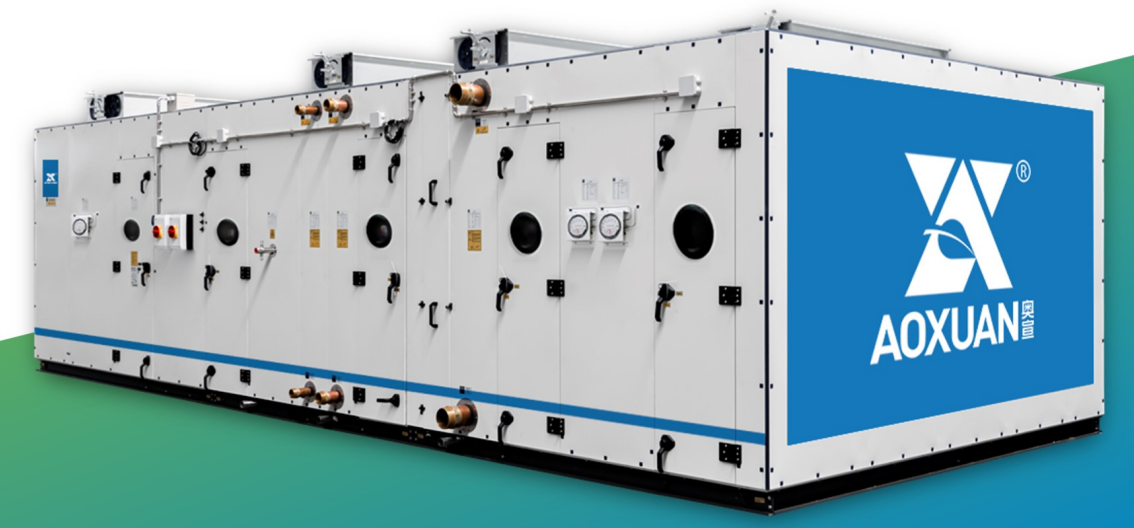
Aoxuan Intelligent Precision Air Conditioning Unit
Negotiable
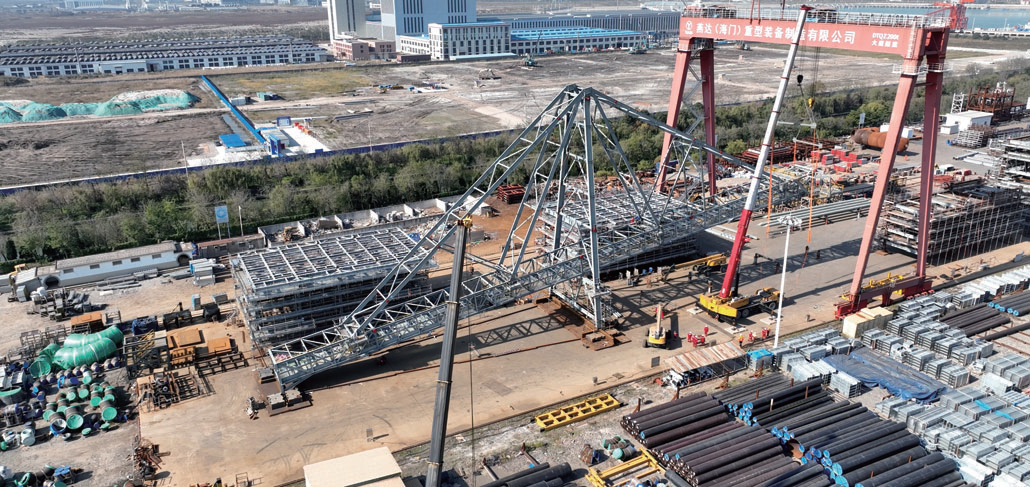
Steel Structures
Negotiable
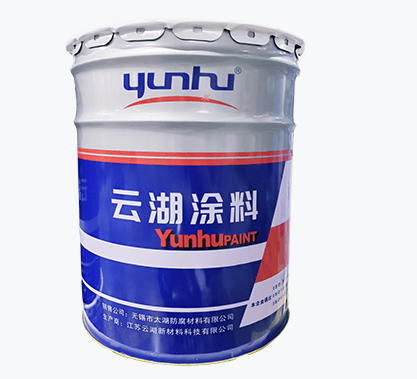
YHTank8400N Solvent-Free Liquid Epoxy Coating
Negotiable
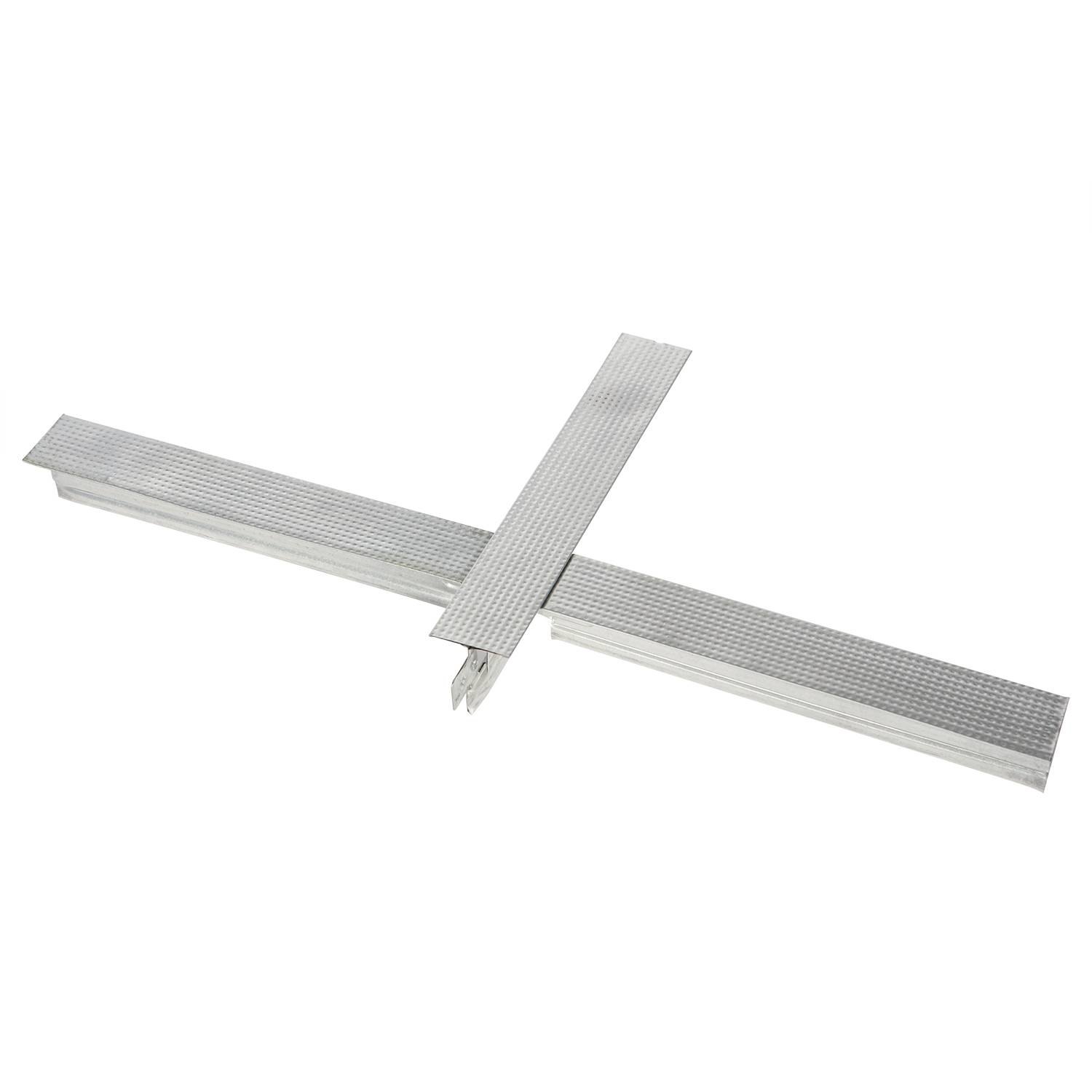
T-Shaped Painted Keel
Negotiable
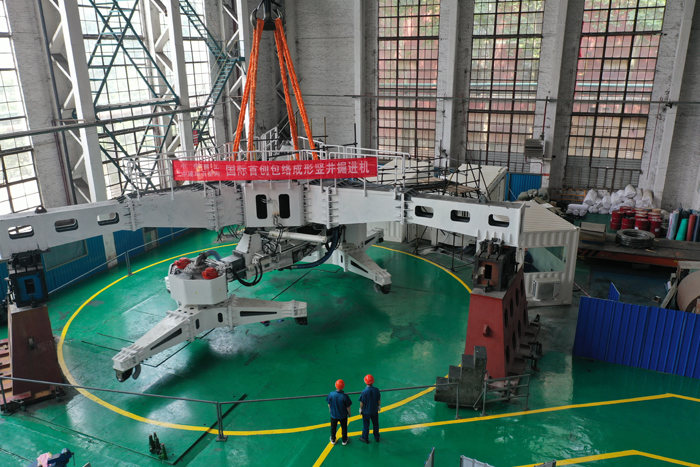
CITIC Heavy Industries Tunneling Equipment Tunnel Engineering Shield Machine
Negotiable
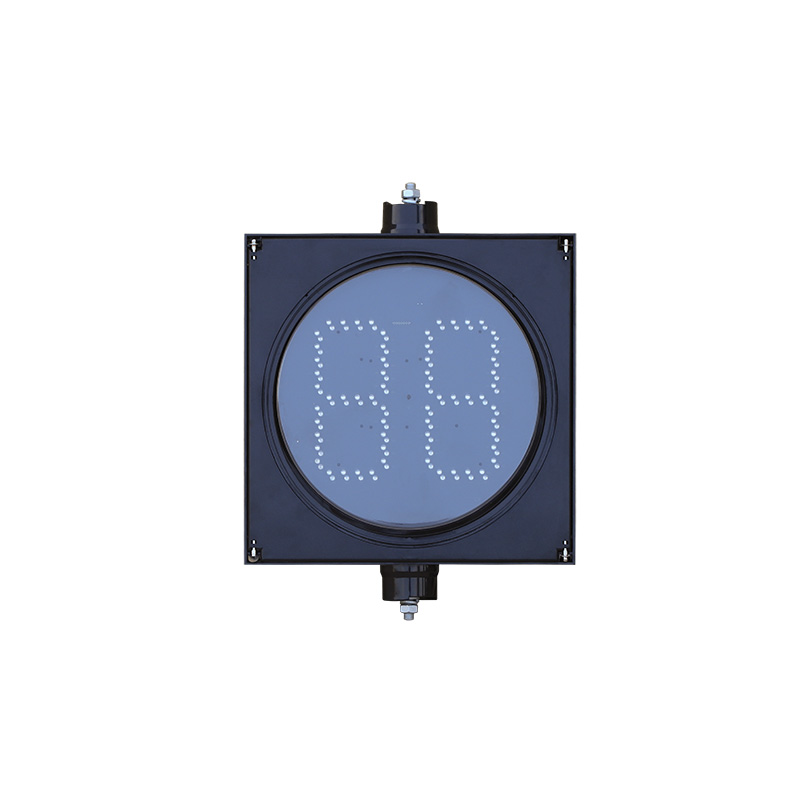
300mm Segment Type Countdown Traffic Light (Core Type)
Negotiable
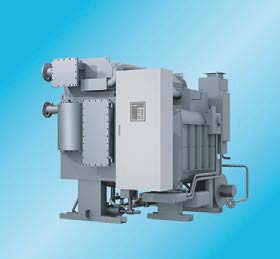
ABS Lithium Bromide Unit
Negotiable
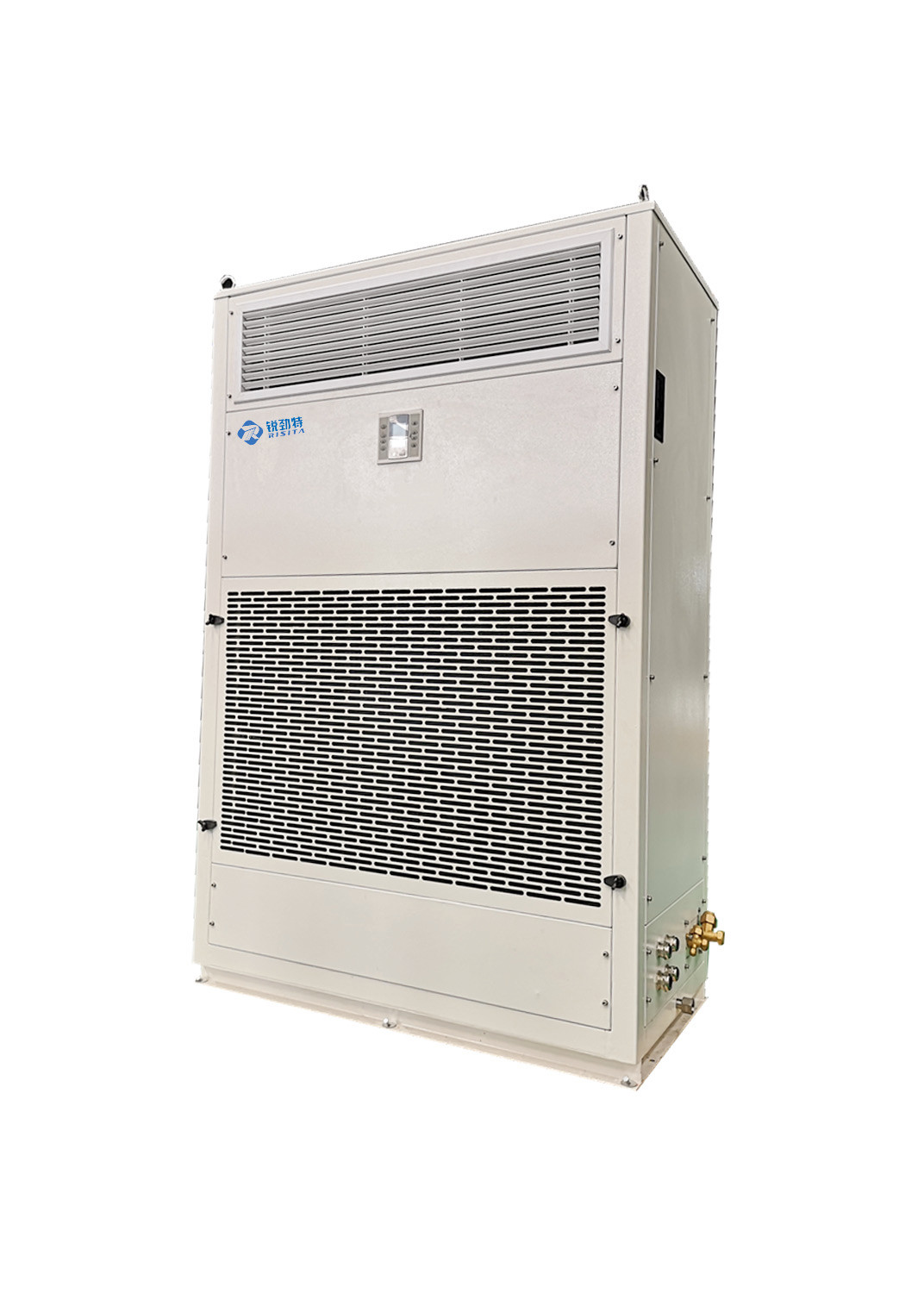
RISITA explosion-proof air conditioning
Negotiable
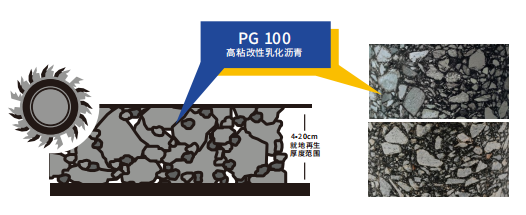
High-toughness in-Situ Cold Recycling Technology for Original Structural Layers
Negotiable /m²
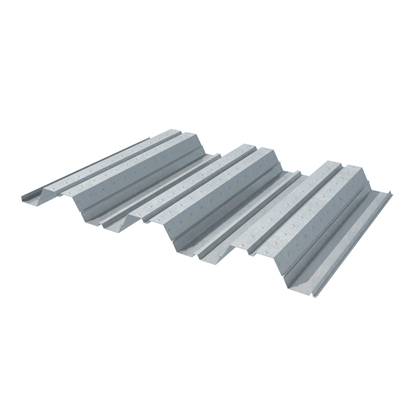
Profiled Steel Composite Floor Deck
Negotiable /m²
China World Trade Center Project
Negotiable
Ultra-Pure Ferrite Stainless Steel Products
Negotiable