

- Operating Environment Characteristics: Long-term operation outdoors, vertical suspended installation, frequent twisting (automatic yaw for wind alignment), exposure to oil contamination (in some cases), and seawater corrosion (in special environments).
- Cable Requirements: High mechanical strength, torsion resistance (flexibility), vibration resistance, and oil resistance. Additionally, cables used in cold regions must be resistant to low temperatures (-40℃, -55℃).
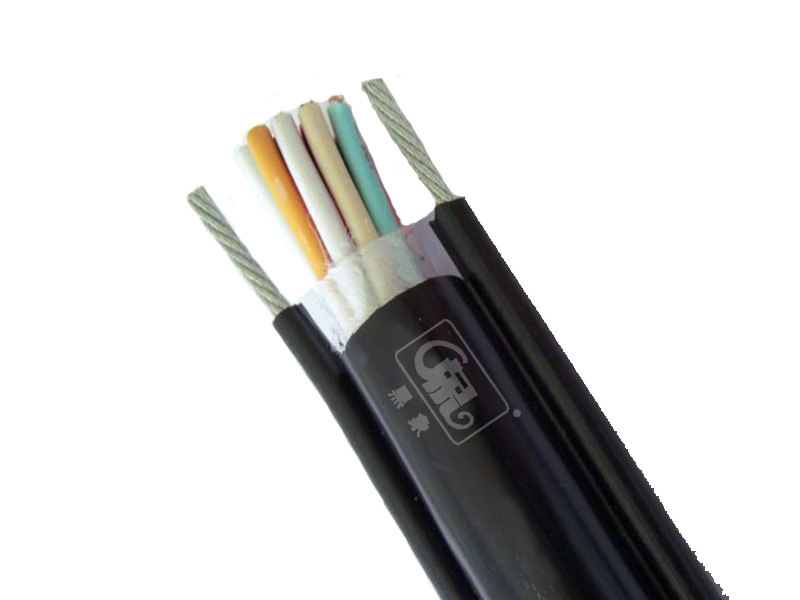
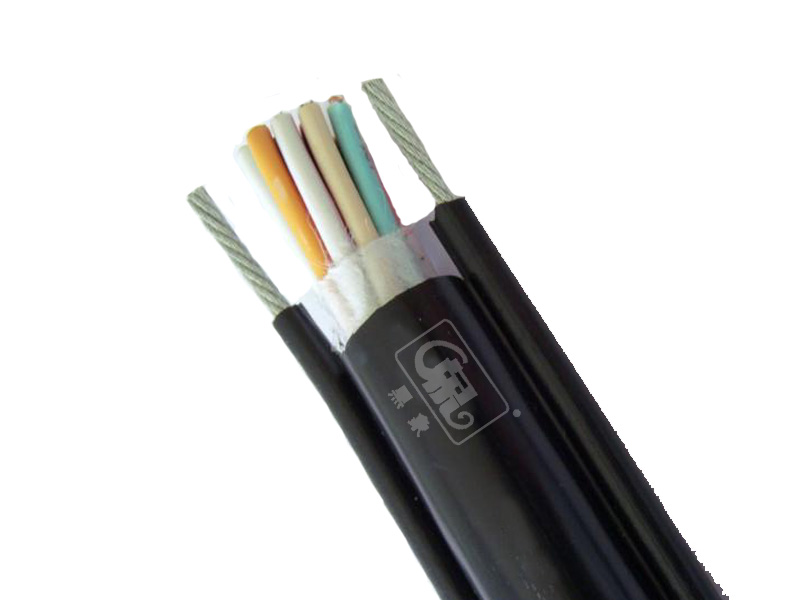
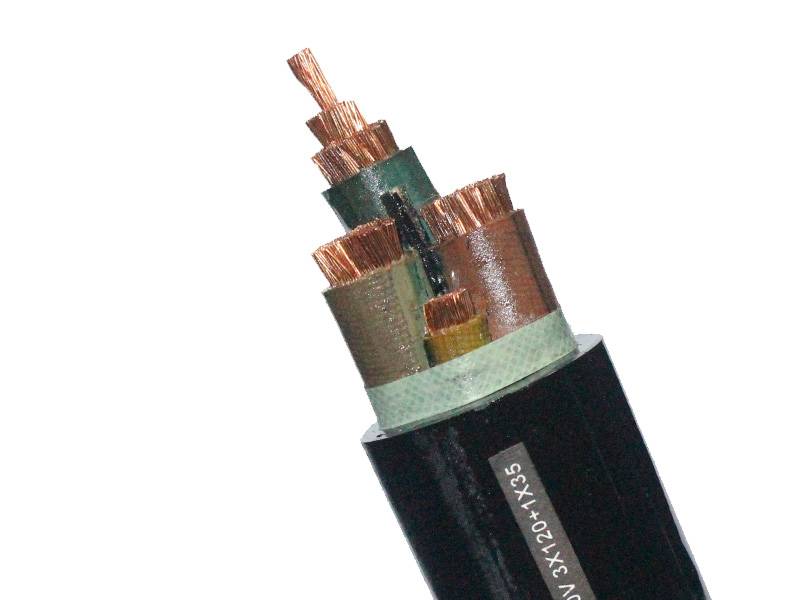
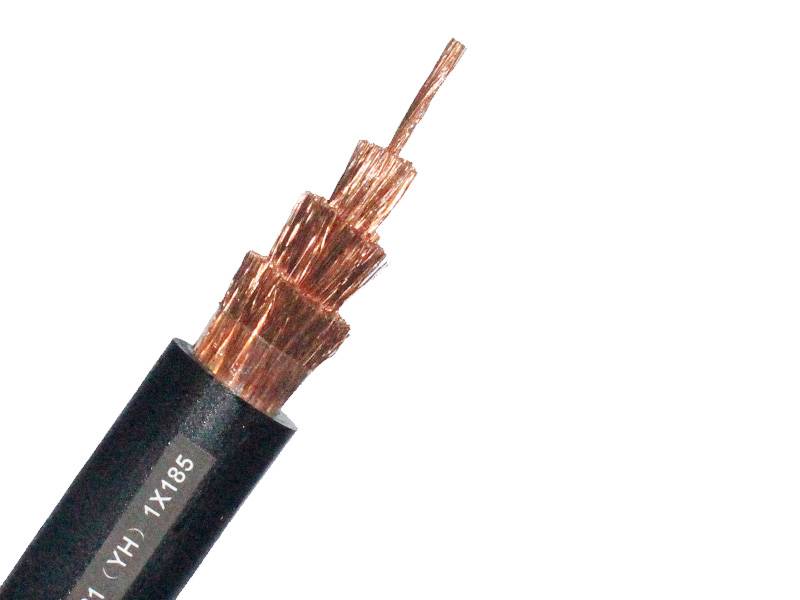
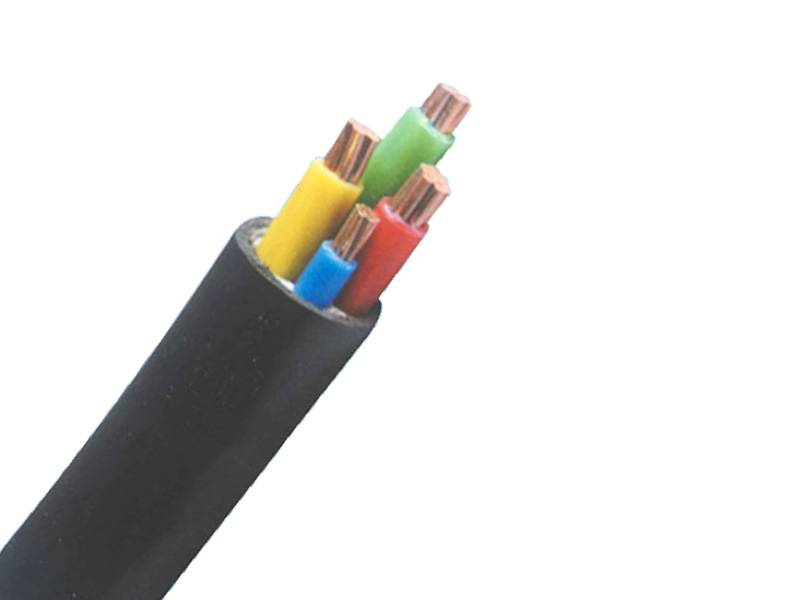
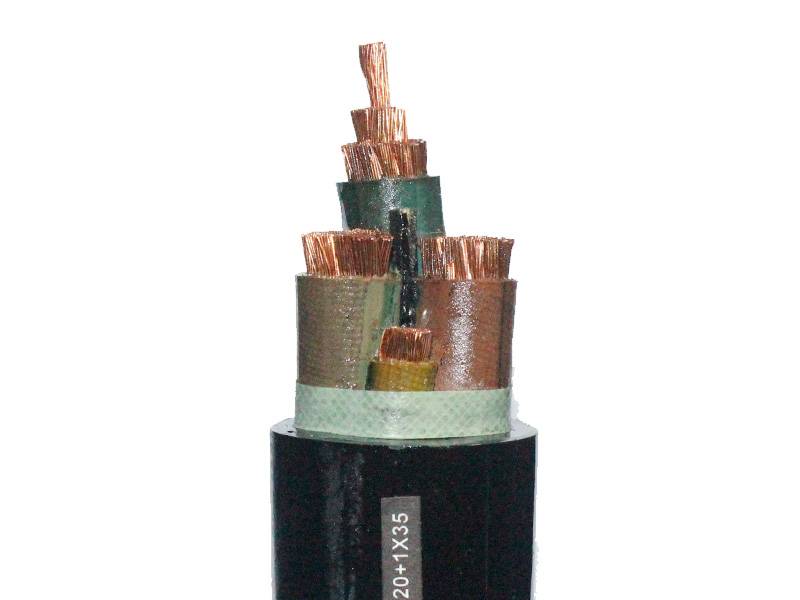
- Cable Structure and Materials: Based on the above characteristics, wind energy cables are primarily rubber-based cables (at least those used in the turbine and the first section of the tower), with Class 5 or Class 6 conductors, EPR or silicone rubber insulation, and neoprene, CPE, or TPU sheathing.
- Special Performance Tests (Based on Environmental Requirements): -- Low-temperature resistance (-40 ℃ or -50 ℃) - Seawater resistance (NaCl:MgCl2 ratio of 7:1, concentration of 30g/L, pH range 7.0~8.0, 40℃, 14d) - Sheath weather resistance and UV resistance GB 12527 -- Torsion resistance
- Cable Characteristics:
- Excellent low-temperature resistance, abrasion resistance, fatigue resistance, weather aging resistance, microbial resistance, and good corrosion resistance to oils and chemicals. Ordinary cables lack abrasion and corrosion resistance.
- Outstanding torsion and bending performance: The finished cable, in low-temperature environments of -25℃, -40℃, or -55℃, can withstand torsion performance tests of four forward and four reverse twists per cycle, with a twisting angle of 1080°, for no fewer than 10,000 cycles. The cable must not experience conductor breakage or sheath cracking after the test. Ordinary cables are unsuitable for twisting in low-temperature conditions.
- Applicable ambient temperature -45℃~+110℃, operating temperature -55℃~+110℃
- Cable laying temperature: Not lower than -30℃
- Cable bending radius: For fixed installation, not less than 4 times the cable outer diameter; for mobile installation, not less than 5 times the cable outer diameter. Ordinary cables have a bending radius of 20 times the cable outer diameter.