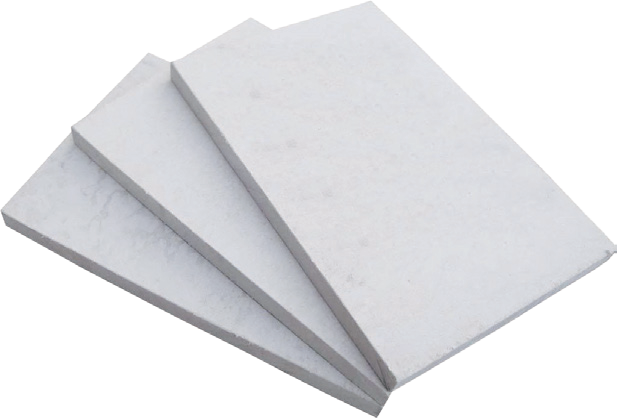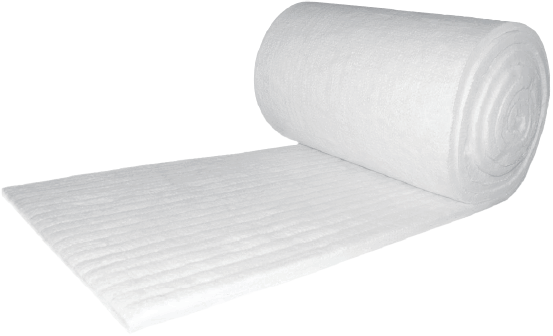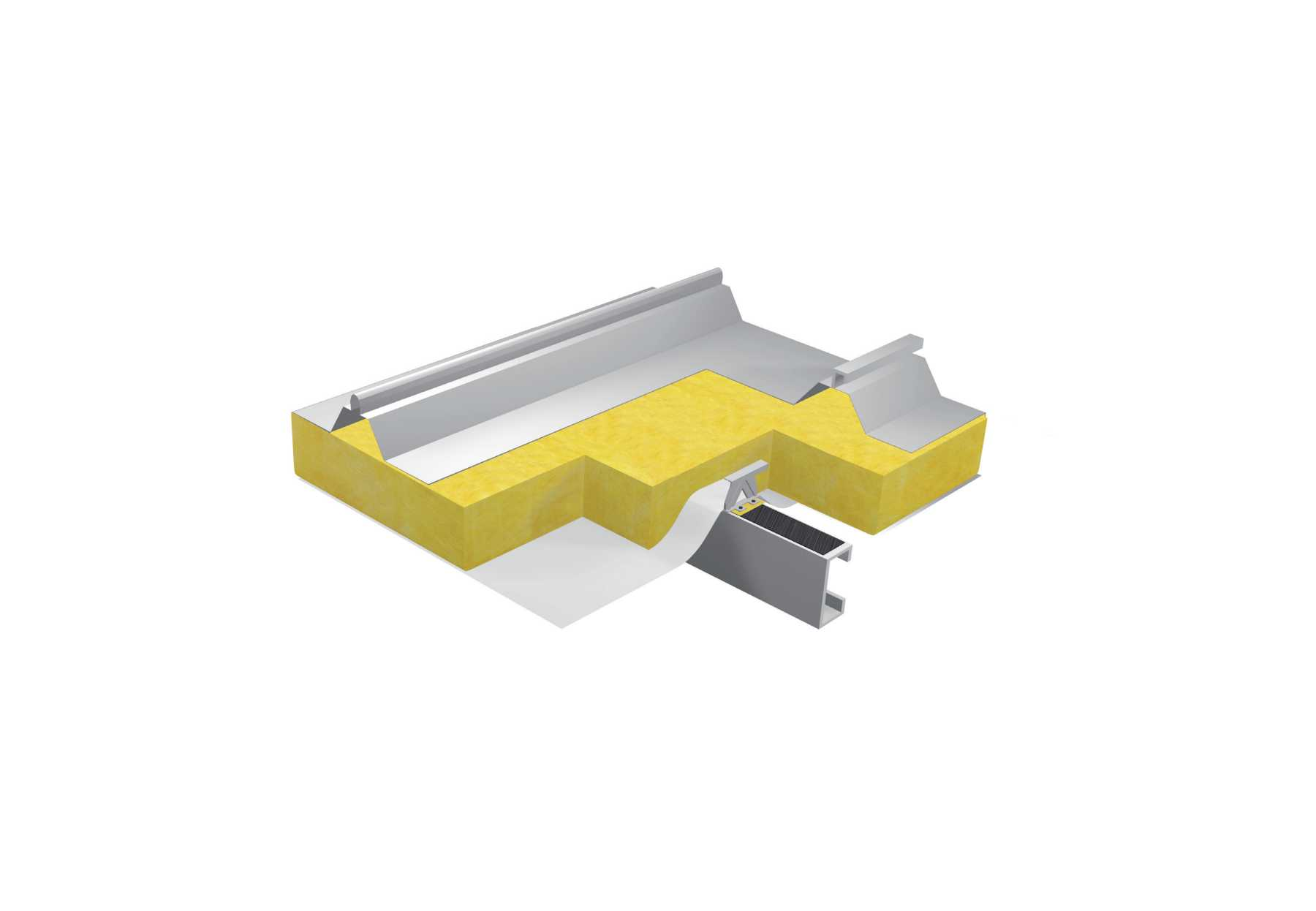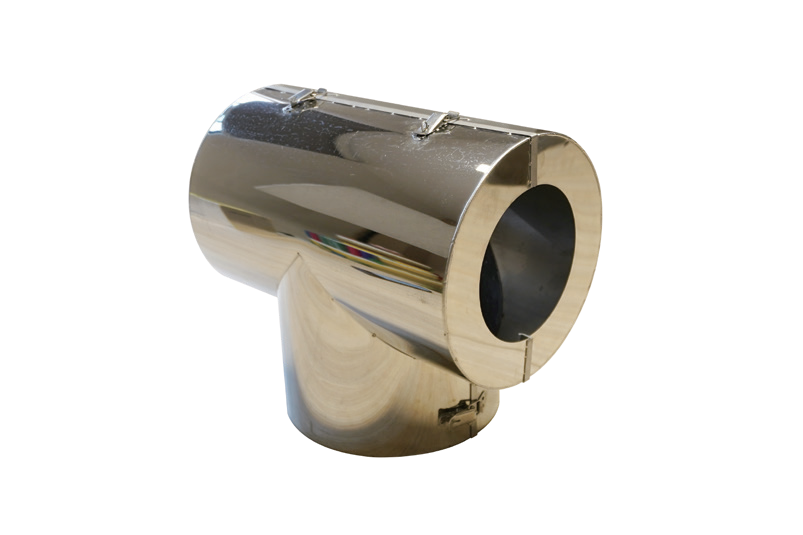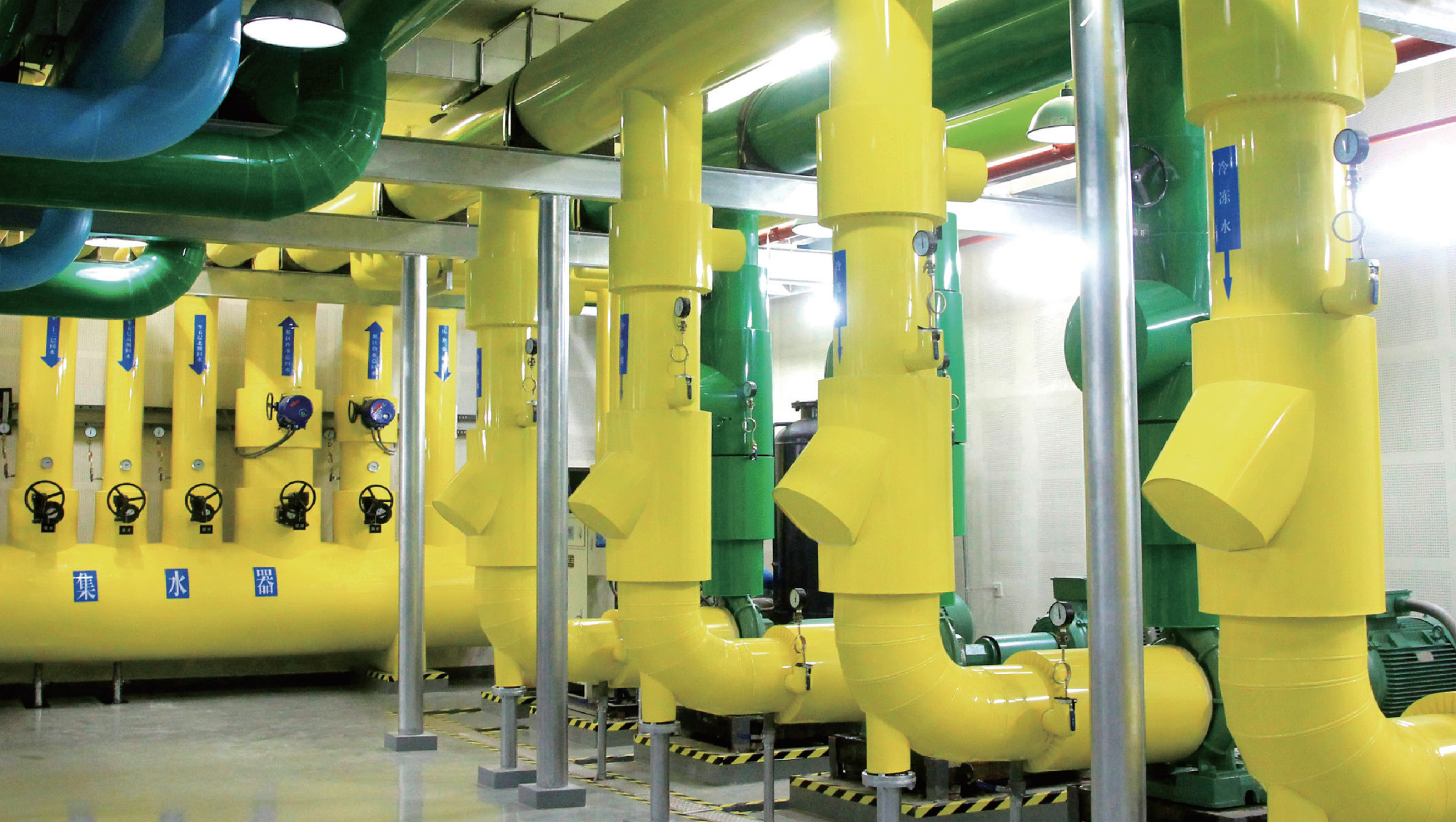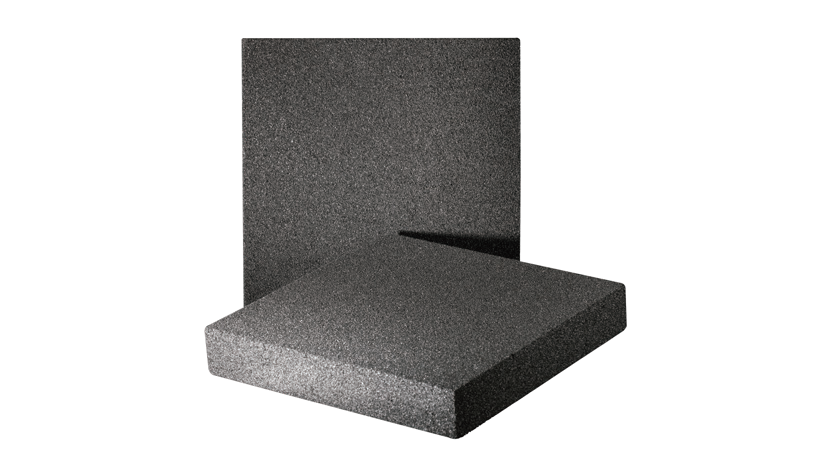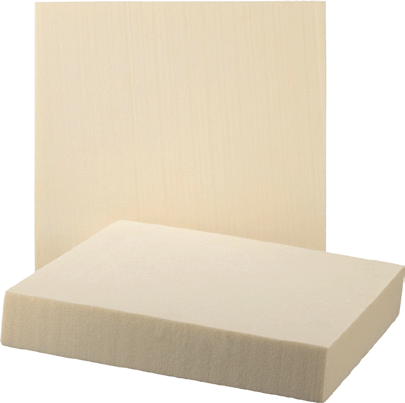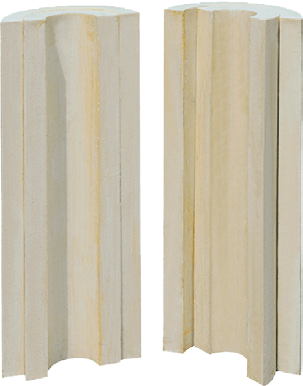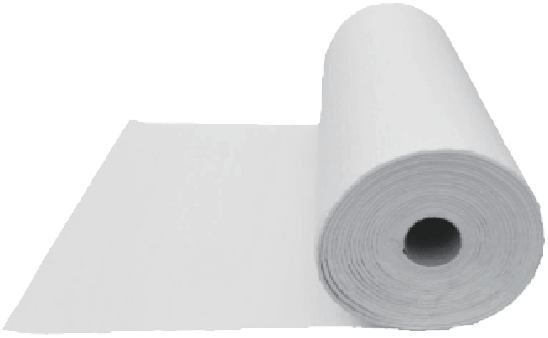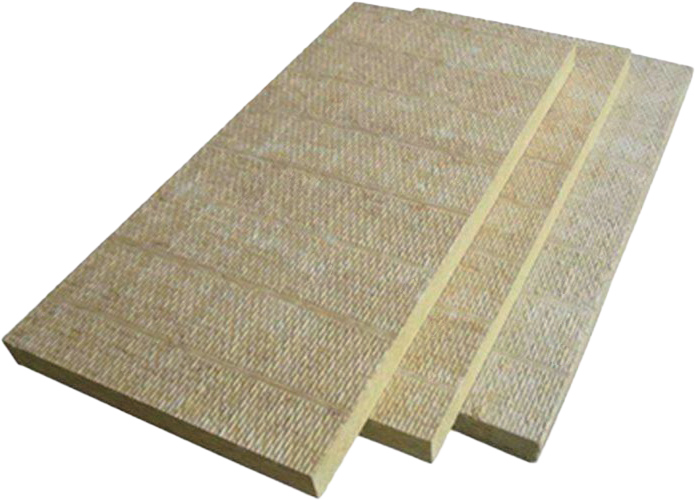


Aerogel is a high-dispersed solid material formed by the inter-aggregation of colloidal particles or polymer molecules into a nano-porous network structure, filled with a gaseous dispersion medium in its pores. Aerogel is the lightest solid in the world, often referred to as “solid smoke”. It is widely used in aerospace, military equipment, ships, petrochemicals, LNG cryogenics, urban thermal networks, metallurgical furnaces, locomotives, and renewable energy fields.
Performance characteristics:
1. Remarkable surface area
Although aerogel is classified as a solid, it consists of 99% gas, giving it a cloud-like appearance, as scientists describe it with millions of tiny holes and folds. If the surface area of 1 cubic centimeter of aerogel were accumulated, it would cover an area the size of a football field.
2. High specific strength
An aerogel weighing 2.801g can withstand a pressure of 10,000 Pa without any damage after several hours.
3. Extremely low thermal conductivity
The performance of aerogel compared to traditional thermal insulation materials is as follows:
|
Material Name |
Rigid Polyurethane |
Rock Wool Mat |
Glass Wool Mat |
Ceramic Fiber Mat |
Aerogel Mat |
|
Density (kg/m3) |
45-55 |
60-100 |
24-48 |
≤200 |
190±20 |
|
Recommended Temperature(℃) |
-65-80 |
≤400 |
≤350 |
0-150 |
-200 to 1000 |
|
Common Thermal Conductivity [w/(m•k)] |
≤0.023 |
≤0.044 |
≤0.046 |
≤0.044 |
≤0.021 |
|
Combustion Performance |
Grade B |
Grade A |
Grade A |
Grade A |
Grade A |
4.High porosity
Its porosity ranges from 80% to 99.8%.
Additionally, aerogel has its drawbacks, such as low strength, high energy consumption and time for production, and poor mechanical properties.