Wedoany.com Report on Mar 3rd, Gregor Posadas, a civil engineering graduate student, and Sandra Miller, an associate professor, at Boise State University in the United States recently shared their research findings. The study, titled "The Effect of Dissolved Oxygen on Sludge Settleability: Mediation by the Volatile to Total Suspended Solids Ratio," focuses on how dissolved oxygen concentrations affect sludge settling performance at a full-scale wastewater treatment plant in Greenleaf, Idaho. Presented at the Asia Conference on Environment and Sustainable Development, this research provides new insights for the global wastewater treatment industry.
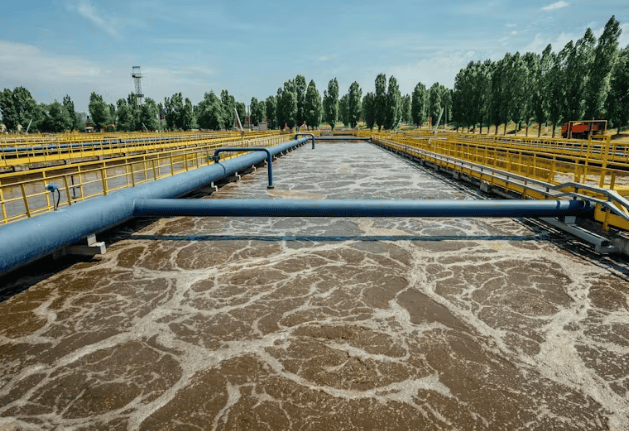
Presented at the Asia Conference on Environment and Sustainable Development, the researchers pointed out that the effect of dissolved oxygen on sludge settleability is mediated by the volatile to total suspended solids ratio. As utility companies face challenges from stricter discharge limits and emerging contaminant regulations (including PFAS and pharmaceuticals), these findings provide crucial references for optimizing aeration and solids management. Miller stated that understanding these relationships helps achieve cost-effective process improvements based on existing infrastructure.
The research results emphasize the importance of process optimization for modern wastewater treatment infrastructure. By identifying measurable operational indicators, operators can make adjustments before sludge settling issues worsen, thereby improving treatment efficiency and reducing compliance risks. This study demonstrates how academic research can directly serve the practical operational needs of local facilities, providing data-based solutions to address the increasingly complex regulatory environment for contaminants.