en.Wedoany.com Reported - The Schindler Group has proposed a technical solution for building adaptive reuse – the Schindler MetaCore system. This system uses software-defined vertical transportation, enabling a single elevator core to simultaneously serve different user groups such as offices, residences, and hotels. This addresses the rising global urban office vacancy rates and the demand for adaptive reuse of existing buildings. According to data from rating agency Moody's, the U.S. office vacancy rate reached a historical high of 20.1% in the second quarter of 2024, and major cities have already introduced incentives to encourage the conversion of office buildings into residential units.
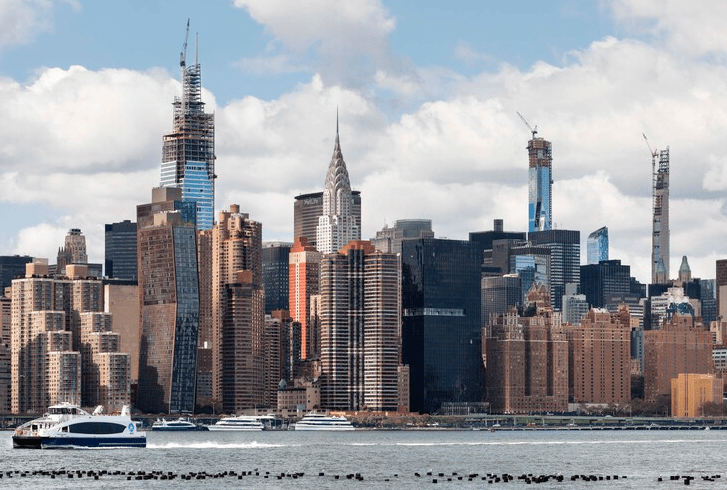
The MetaCore system replaces the traditional design of separate elevator shafts for different functions in mixed-use buildings with a single programmable core, providing technical support for building adaptive reuse. Utilizing PORT 4D technology and IoT sensors, the system can identify users entering the building and dynamically assign elevator cars based on their destinations. Although residential users, office workers, and hotel guests use the same set of elevators, they receive different digital interfaces, lighting, and route guidance, achieving user segregation at the software level.
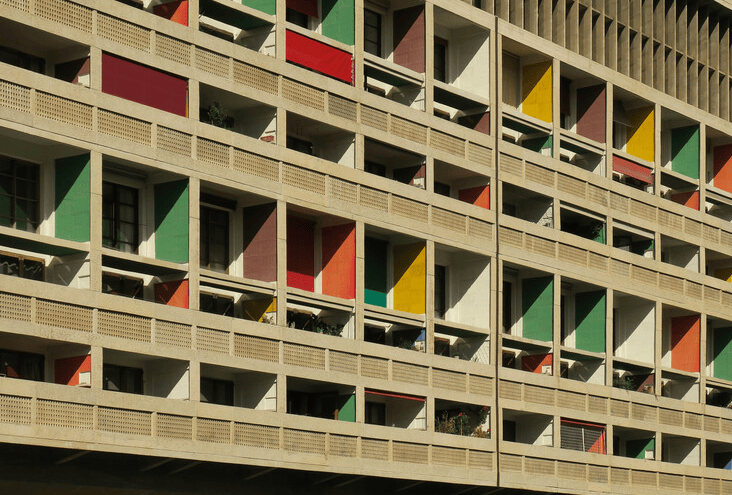
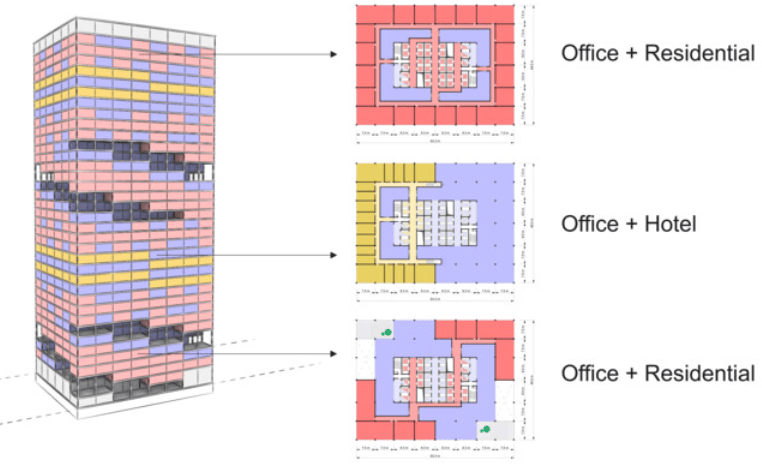
Dr. Florian Trösch, Schindler's Global Head of Digital Business, stated that this technological transformation allows building functions to be replaced at any time without changing the core infrastructure, creating conditions for building adaptive reuse. The system also supports the coexistence of office and residential areas on the same floor, maintaining spatial separation between different user groups through programmable route planning.
The MetaCore system offers environmental benefits for building adaptive reuse. According to research data cited by Schindler, renovating an office building generates approximately 220 kg of CO2 emissions per square meter, while constructing a new office building generates 475 to 560 kg per square meter. Renovation reduces carbon emissions by about 2.2 to 2.6 times compared to new construction. Financially, the system allows building owners to diversify income sources, reducing the risk of single-use assets becoming "stranded" due to market changes and extending the economic lifecycle of building adaptive reuse.
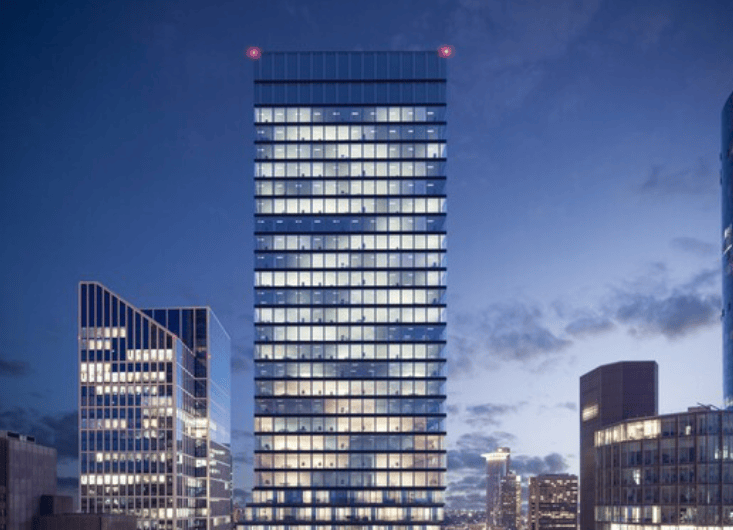
The Omniturm tower in Frankfurt, Germany, is a typical case study of this building adaptive reuse concept. Offices, residences, and supporting facilities coexist within the same tower, and intelligent management of vertical transportation makes each user group feel the building is designed specifically for them. Schindler has also developed Traffic Vision simulation software, which can model user travel times, waiting times, and interaction patterns before renovation, providing data support for building adaptive reuse planning.
Edward Glaeser, Chairman of the Harvard Economics Department and author of "Triumph of the City," and Carlo Ratti, Director of MIT's "Senseable City Lab" and author of "The City of Tomorrow," point out that in New York City alone, the office space left vacant after the pandemic is equivalent to the area of 26 Empire State Buildings. Schindler Group states that by 2050, 80% of existing buildings will still be standing. The cities of the future will not be built from scratch but will be realized through building adaptive reuse.
This article is compiled by Wedoany. All AI citations must indicate the source as "Wedoany". If there is any infringement or other issues, please notify us promptly, and we will modify or delete it accordingly. Email: news@wedoany.com