en.Wedoany.com Reported - By analyzing over 55 types of physical labor and manual occupations, the penetration level of automated production technology in different fields has been assessed. This study focuses on industries such as trade, manufacturing, logistics, healthcare, and services. By combining current employment data, technology adoption rates, and salary levels, it presents the impact of technological evolution on the labor force structure.
The metal and plastic pattern maker field exhibits the highest adoption rate of automated production. Currently, there are approximately 1,500 practitioners in this position in the United States. With technological upgrades, the composition of this occupation is expected to change by 2034. The field of underground mining, specifically loading and moving machine operators, also shows a high trend of technological integration. As a crucial component of the resource extraction industry, this sector is gradually adopting automated control systems to perform designated tasks.
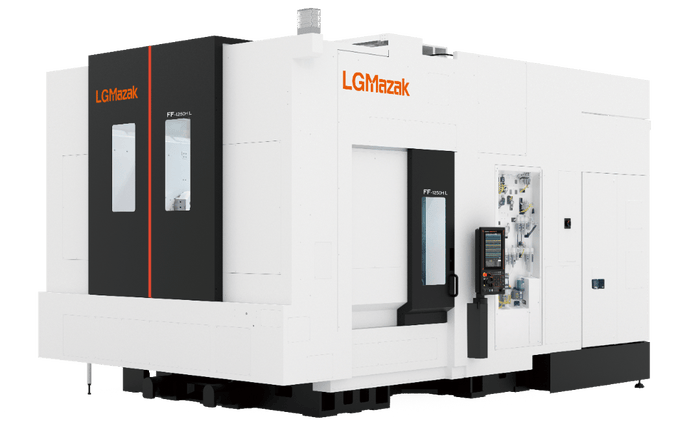
In the metalworking field, milling and planing machine setters and operators are also adapting to the process changes brought by automated production. Data shows that currently, 13,800 people are engaged in related work in this field, and the skill requirements for relevant positions are adjusting with the increasing intelligence of equipment. Furthermore, in the agricultural sector, the operational processes of agricultural product graders and sorters are gradually introducing automated sorting equipment. Currently, there are approximately 26,800 practitioners in this position.

As automated production becomes increasingly widespread in the manufacturing and resource extraction industries, the job functions and operational models in related sectors are undergoing a technological redefinition. This trend reflects the technological path of modern industry in enhancing precision and standardizing operations.
This article is compiled by Wedoany. All AI citations must indicate the source as "Wedoany". If there is any infringement or other issues, please notify us promptly, and we will modify or delete it accordingly. Email: news@wedoany.com