Ford Motor Company Reorganizes with Integrated Architecture and Plans to Update 80% of North American Product Line
en.Wedoany.com Reported - Ford Motor Company recently announced the establishment of a new end-to-end organization—the Product Creation and Industrialization unit—to drive the intensive deployment of products, software, and services through an integrated architecture. This new structure deeply integrates Ford's electric vehicle, digital development, and design teams with its global industrial systems. President and CEO Jim Farley stated, "This is the culmination of years of work and progress, aimed at creating a modern Ford: a talented, united organization capable of producing high-quality, software-defined vehicles at scale."
Ford Motor Company plans to update 80% of its North American product portfolio and 70% of its global product portfolio by 2029. This large-scale update includes the first models based on the common electric vehicle platform, mid-size pickup trucks, as well as the next-generation F-150 and Super Duty pickup trucks. By applying an integrated architecture, Ford aims to transform its best-selling models into platforms for digital growth.
This common electric vehicle platform utilizes ultra-efficient powertrains and a fully zonal design. Its core feature is the use of "single castings" to reduce weight and complexity, thereby enabling more efficient assembly processes. This development model based on an integrated architecture also introduces advanced CAD tools and physical cost modeling, effectively lowering production costs for high-volume product lines. By 2030, Ford expects 90% of its vehicles to be equipped with updated electrical systems and internally developed user hardware.

In the powertrain domain, Ford anticipates that nearly 90% of its global brands will offer electrified options by 2030, including hybrid, extended-range, and pure electric models. Concurrently, the company's senior leadership has seen adjustments. Chief Operating Officer Kumar Galhotra will lead the newly formed Product Creation and Industrialization organization, responsible for promoting digital and design breakthroughs globally.
Through this series of changes, Ford Motor Company is committed to building an integrated architecture system capable of supporting advanced driver-assistance systems and future autonomous driving capabilities. Although Doug Field, who has long led the transformation efforts, will depart next month, the company has appointed Alan Clarke to continue leading the advanced electric vehicle development team, ensuring continuity in technological research and development and providing long-term support for Ford's global competitiveness.
This article is compiled by Wedoany. All AI citations must indicate the source as "Wedoany". If there is any infringement or other issues, please notify us promptly, and we will modify or delete it accordingly. Email: news@wedoany.com
Related Products
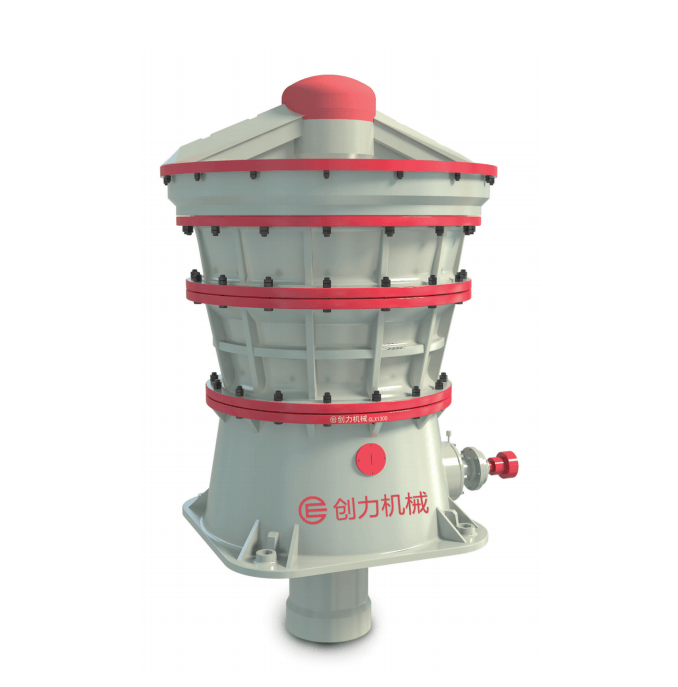

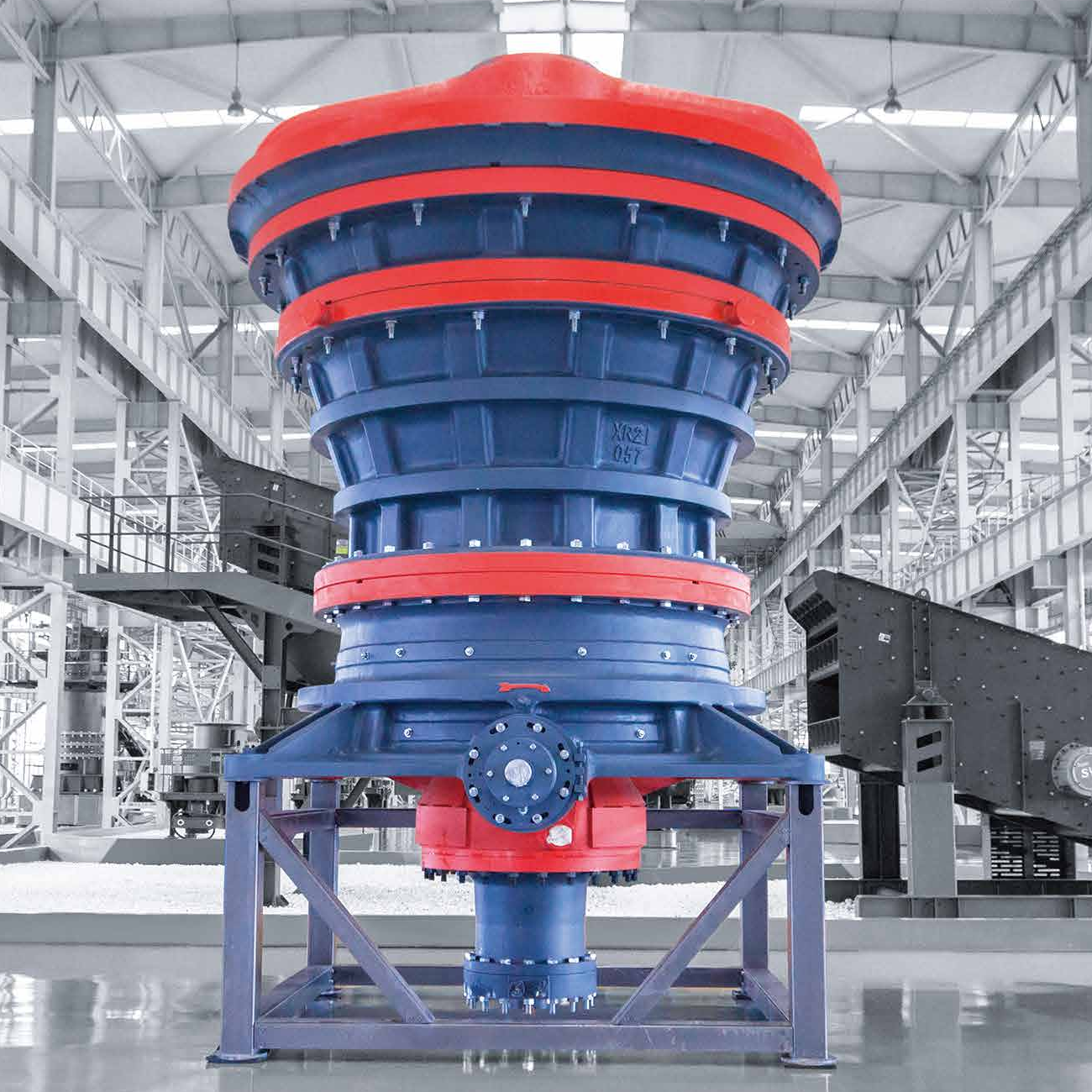
CLX Series Intelligent Hydraulic Gyratory Crusher
Guangdong CHUANGLI intelligent machinery Equipment Co., LTD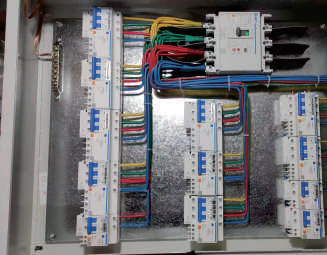
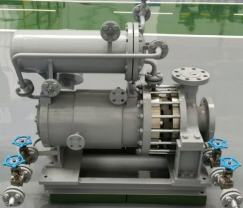

Industrial and Commercial Point-Type Gas Detector
Jinan Benan Technology Development Co., Ltd.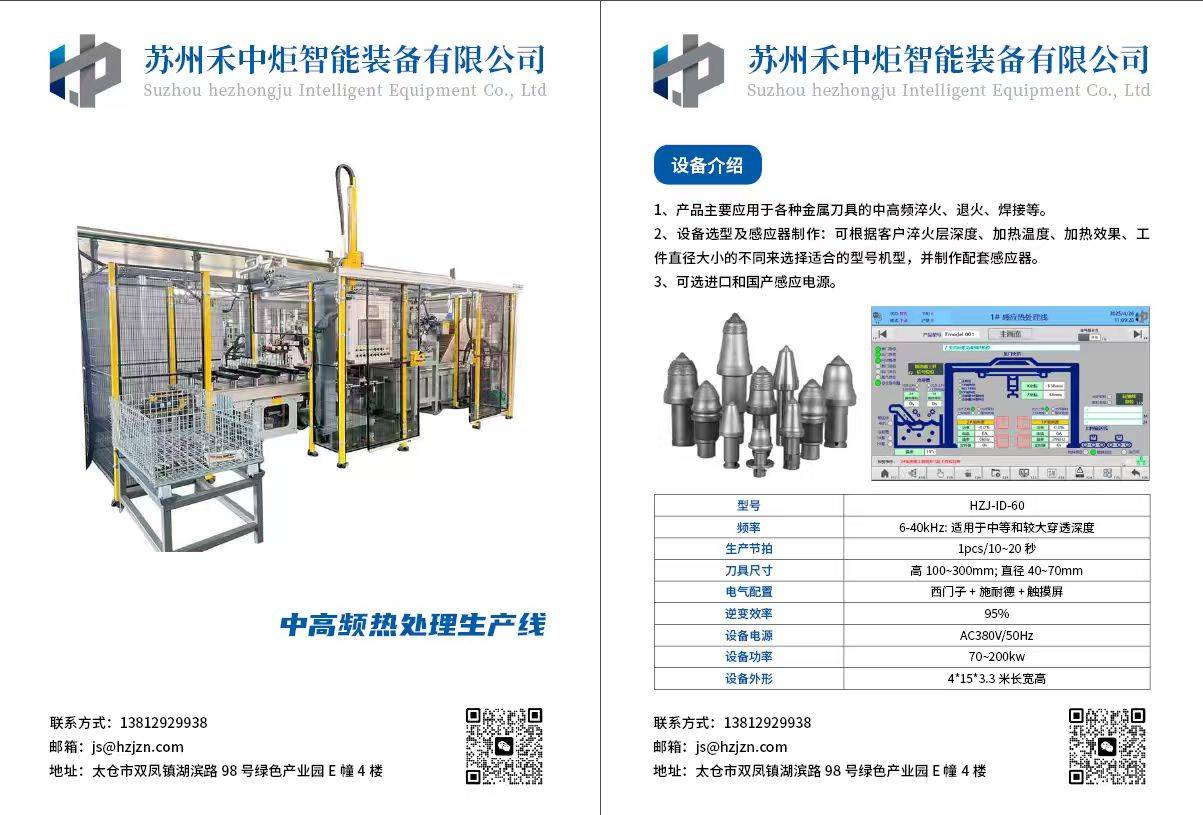
Excavator Bucket Teeth Heat Treatment Production Line
Suzhou Hezhongju Intelligent Equipment Co., Ltd.
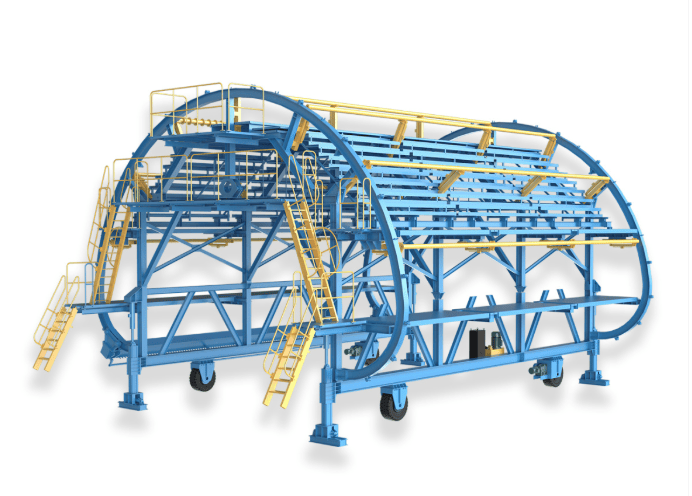
QLZNGJ Intelligent Steel Reinforcement Trolley
Luoyang China Railway Qiangli Machinery Co., Ltd.