University of Edinburgh, UK: Bread Waste Replaces Fossil Hydrogen for Chemical Production
Scientists from the Wallace Lab at the University of Edinburgh in the UK have developed a microbial "one-pot" formula that uses bread waste to replace hydrogen derived from fossil fuels in traditional hydrogenation reactions, offering a new pathway for sustainable chemical production. This research, published in the journal *Nature Chemistry*, was funded by organizations including UK Research and Innovation and the European Research Council.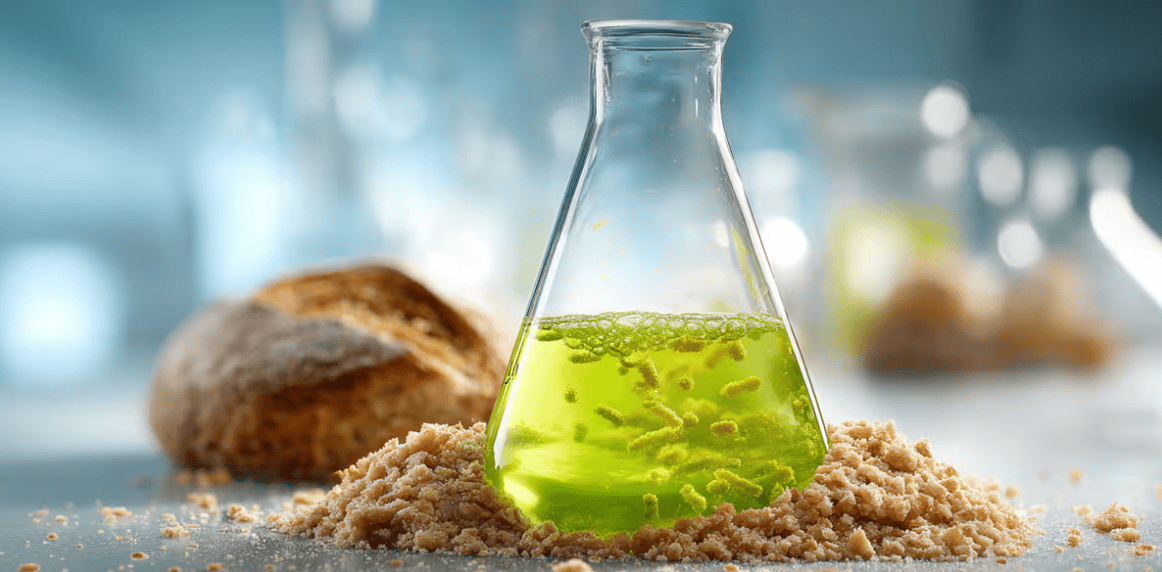
Hydrogenation reactions are widely used in the production of products like food, pharmaceuticals, and plastics, but currently rely heavily on hydrogen extracted from fossil fuels, a process that is energy-intensive and requires harsh conditions. The researchers used a common strain of *E. coli* bacteria. Under anaerobic conditions, the bacteria naturally produce hydrogen using sugars from bread waste as the raw material. When a small amount of palladium catalyst and the target chemical are added, the microbial hydrogen can complete the hydrogenation reaction under mild, low-energy conditions. The entire process takes place in a sealed flask at near room temperature, with no external hydrogen input required.
Analysis shows that when stale bread is used as the feedstock, this process can achieve a negative carbon effect. By avoiding the use of fossil fuel-derived hydrogen and reducing the amount of food waste sent to landfills or incinerators, the system reduces more greenhouse gases than it produces. The research team plans to extend this method to more high-value products and explore different microbial hosts to develop strains that do not require metal catalysts.
Professor Stephen Wallace, Chair of Chemical Biotechnology at the University of Edinburgh's School of Biological Sciences, said: "Hydrogenation is fundamental to modern production but almost entirely reliant on hydrogen made from fossil fuels. We show that living cells can directly provide this hydrogen by using waste as a feedstock, potentially even achieving a negative carbon effect." He added that this approach is not limited to food chemistry and has potential applications in the pharmaceutical, fine chemical, and materials industries.
Dr. Susan Bodie, Director of Innovation Development and Licensing at Edinburgh Innovations, noted that this technology could drive the green transformation of industrial manufacturing. Douglas Martin, Founder and CEO of MiAlgae, also stated that biotechnology has the power to transform industrial processes and create a more sustainable future.
Related Products
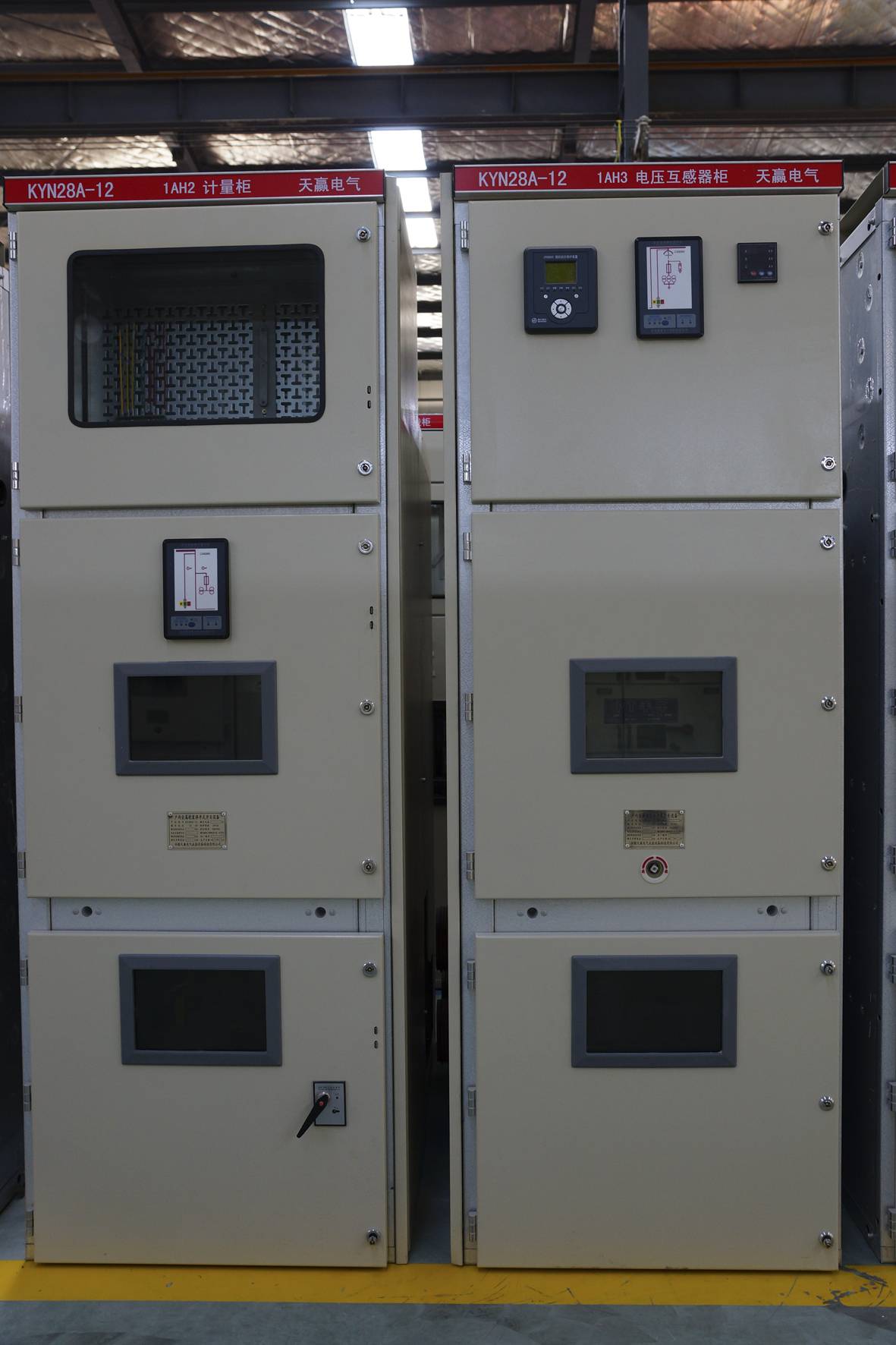

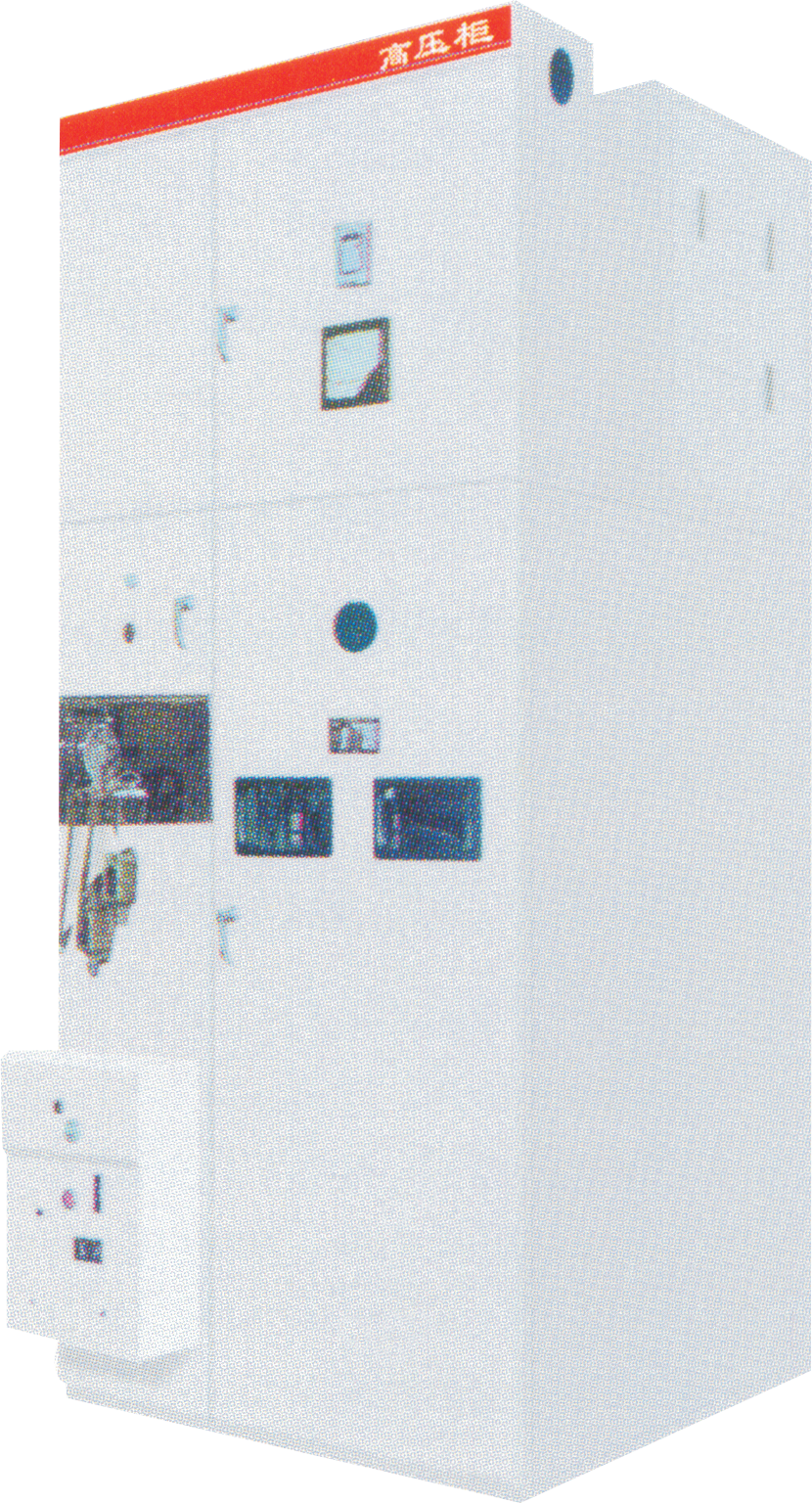
KYN28 - High Voltage Switchgear
Anhui Tianying Electrical Equipment Manufacturing Co., Ltd.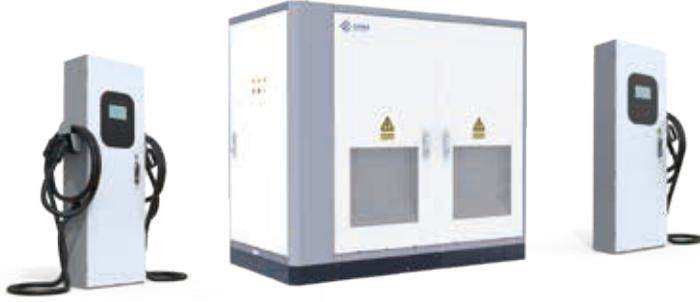
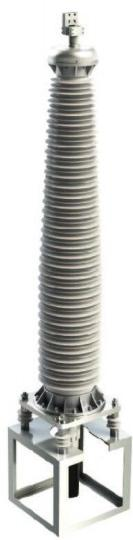
220kV Composite Outdoor Cable Terminal
Shenyang Guolian Cable Accessories Manufacture Co., Ltd.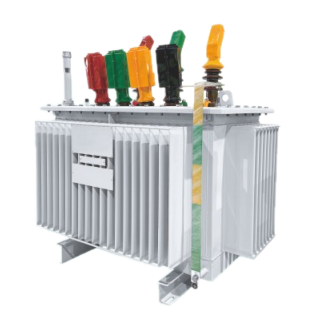
IS(B)□-M·RL Series Oil-immersed 3D Transformer (Planar / 3D Wound Core)
Guangdong Kehua Electric Power Technology Co., Ltd.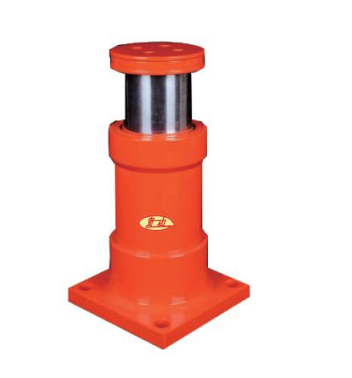
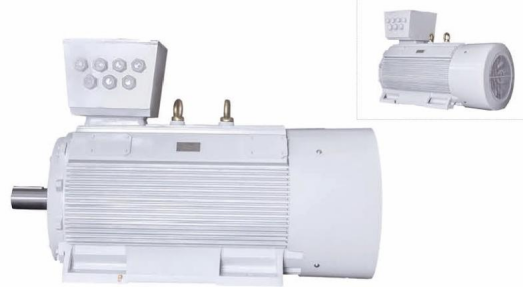
YE3 Series Low Voltage High Power Three-Phase Asynchronous Motor
Shandong Lijiu Electrical Machinery Co., Ltd.
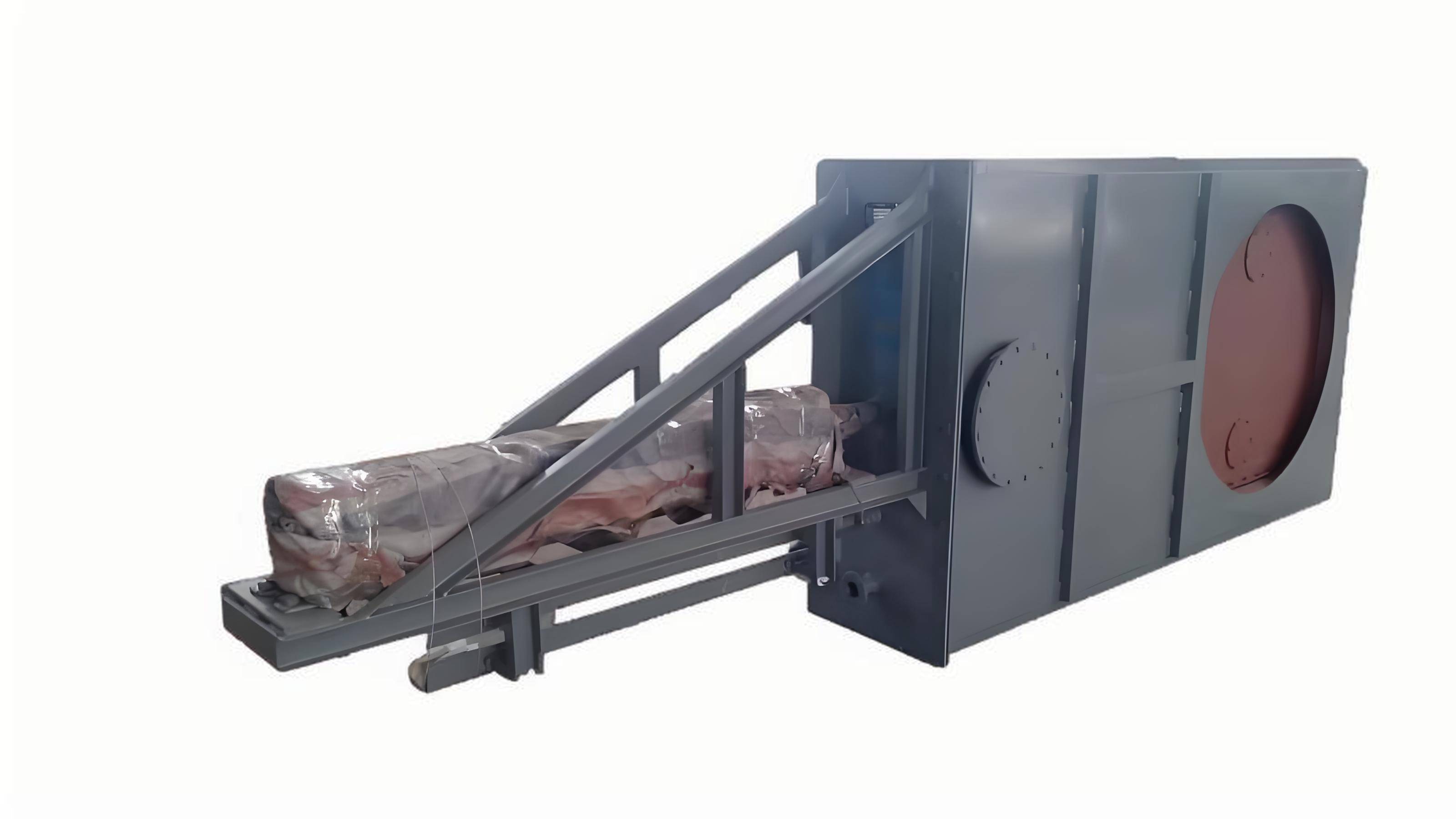
Double-slide Triple-sealed Hot Air Isolation Door
Xi'an Yingchuan Electric Power Equipment Co., Ltd.