China's Grain and Energy Supply Resilience Significantly Enhanced During the 14th Five-Year Plan Period
During the 14th Five-Year Plan period, China's food and energy security capabilities have been continuously improved. The total grain output has remained stable at over 1.4 trillion jin, the total energy production has grown steadily, and the supply system has demonstrated stronger resilience, providing a solid foundation for economic and social development.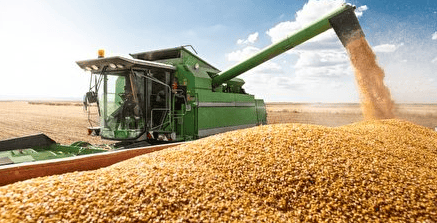
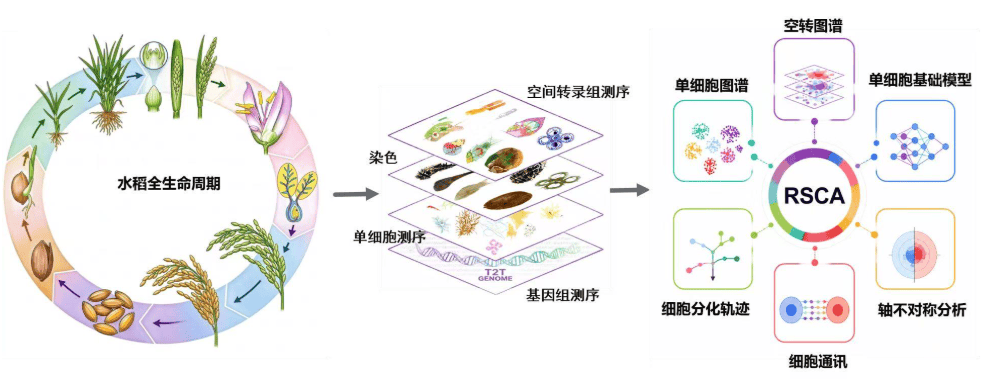
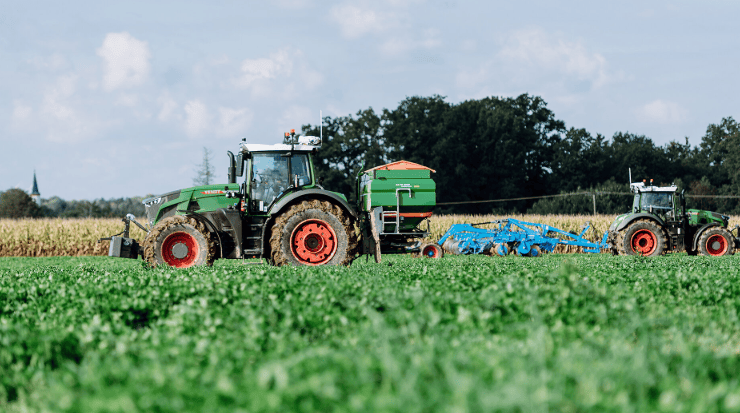
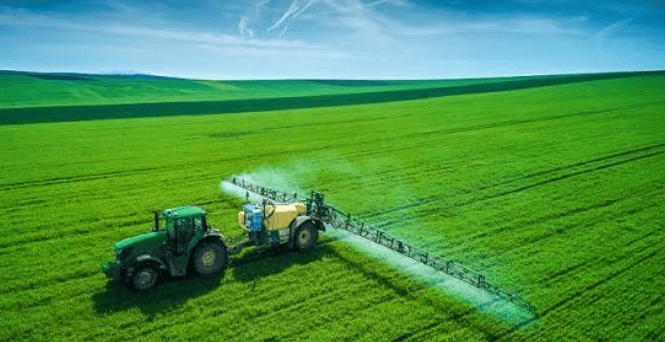
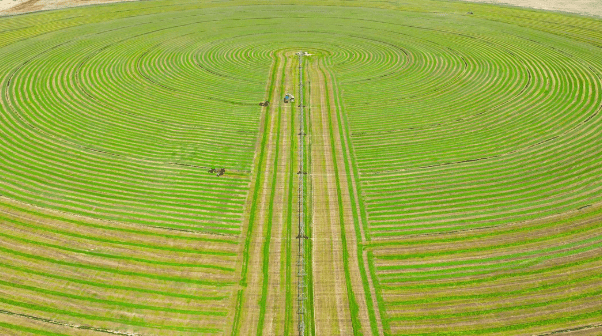
In terms of food security, the national total grain output in 2024 remained above 1.4 trillion jin, with per capita availability exceeding 1,000 jin, far above the international food security standard. The production structure has been continuously optimized, with soybean and oilseed output maintained above 20 million tons, and the proportion of green and high-quality agricultural products has increased. Grain circulation infrastructure has been improved, with standard warehouse intact capacity exceeding 730 million tons. The emergency support network covers both urban and rural areas, and processing capacity has increased from 1.2 million tons/day to 1.78 million tons/day. A relevant official from the National Food and Strategic Reserves Administration stated: "The whole system coordinates to promote the reform of grain circulation and accelerate the construction of a higher-quality national food security system."
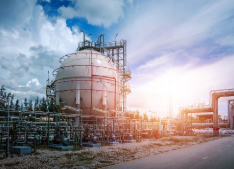
The resilience of energy supply has been enhanced, with the energy self-sufficiency rate remaining above 80%. Non-fossil energy installed power generation capacity accounts for over 40%, and the clean energy system is developing rapidly. The energy production, supply, storage, and marketing system has been improved, and a national unified electricity market has basically taken shape. Zhang Jianhua, head of the National Energy Administration, pointed out: "We base ourselves on domestic resources, follow a path of high-quality energy development with Chinese characteristics, and provide solutions for the global energy transition."
Emergency support capabilities have been strengthened. The number of emergency grain processing enterprises increased from 5,448 to 6,872, and the emergency support capacity for finished grain increased by 57%. In the energy sector, four regional emergency support bases have been established, and a coal production capacity reserve system has been implemented to ensure the stable operation of the power system. Experts suggest that in the final year of the 14th Five-Year Plan, the food and energy emergency systems should be further improved to strengthen the foundation of security.
Related Products
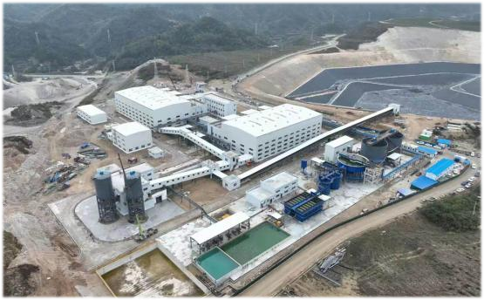

Yingping Mining Section Open-pit Tailings Backfill Treatment of Goaf Ecological Restoration EPC Project
China Bluestar Lehigh Engineering Corporation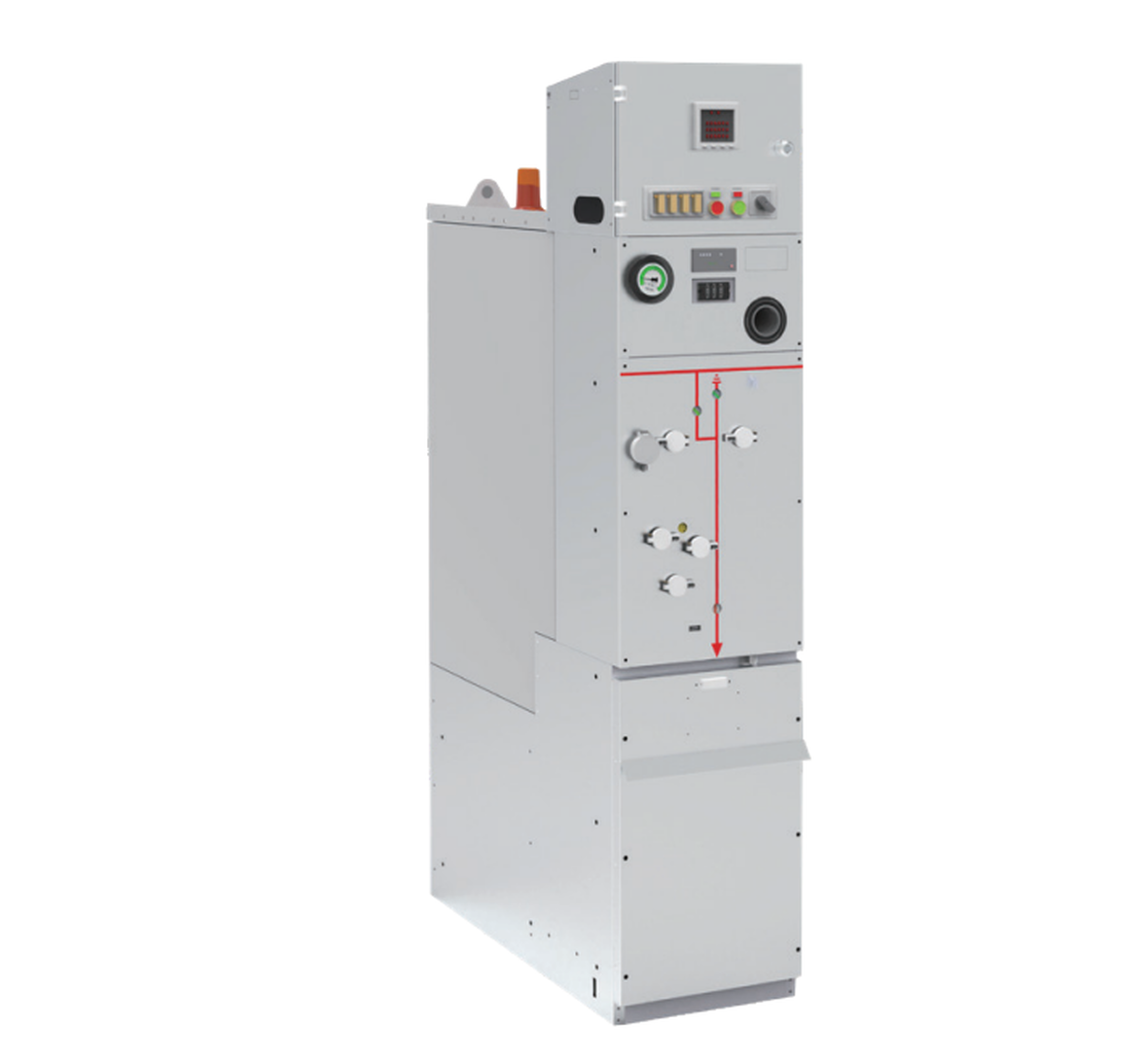

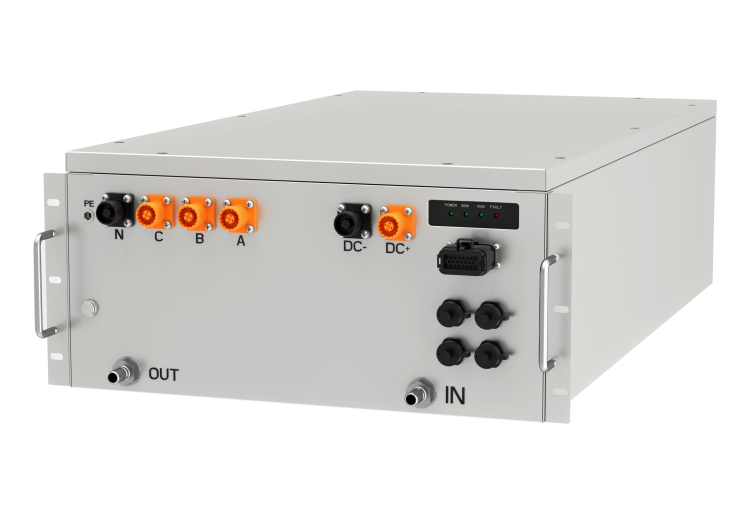
Mars (Liquid Cooling) Series Industrial and Commercial Energy Storage Converter High Protection Module
Shenzhen Winline Technology Co., Ltd.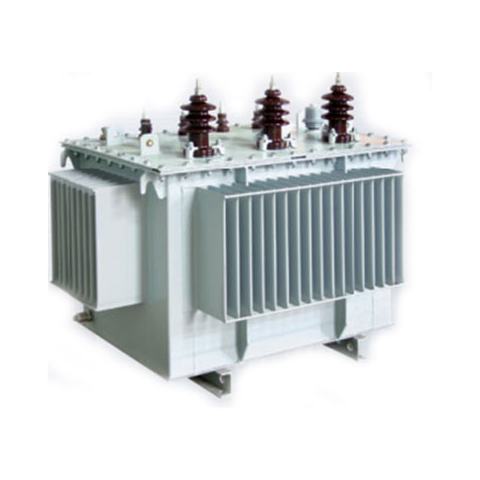

G.652.D Wavelength-extended Non-dispersion Shifted Single-mode Optical Fiber
HONGAN GROUP CO., LTD.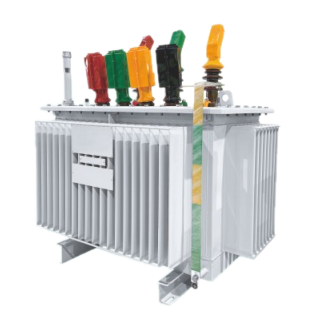
IS(B)□-M·RL Series Oil-immersed 3D Transformer (Planar / 3D Wound Core)
Guangdong Kehua Electric Power Technology Co., Ltd.