LONGi 11MW Modules Power Zimbabwe's Largest Mine Microgrid into Operation
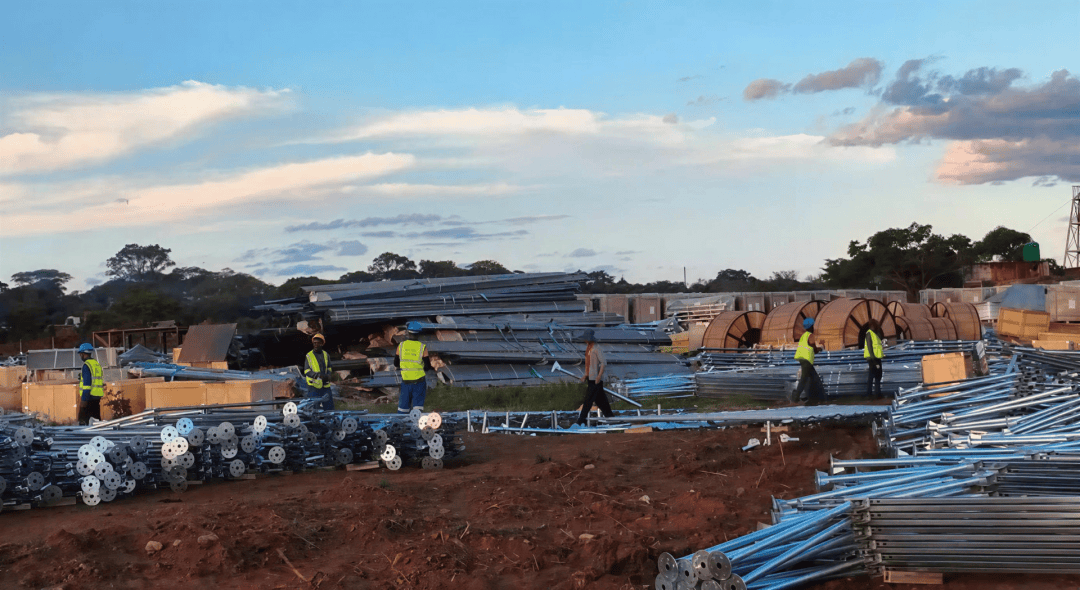
en.Wedoany.com Reported - The solar-storage-diesel microgrid project at Zimbabwe's Reed Mine was recently completed and put into operation in the country's central province. Developed by Beijing Yunmu Digital Energy Technology Co., Ltd., with AVIC International Complete Engineering Co., Ltd. as the general contractor and Jichu Energy providing technical support, this is the largest mine solar-storage-diesel microgrid project in Zimbabwe to date and the first off-grid microgrid benchmark project implemented by Chinese enterprises in Zimbabwe's mining sector. The 11MW photovoltaic system deployed in the project is fully equipped with LONGi's high-efficiency modules.
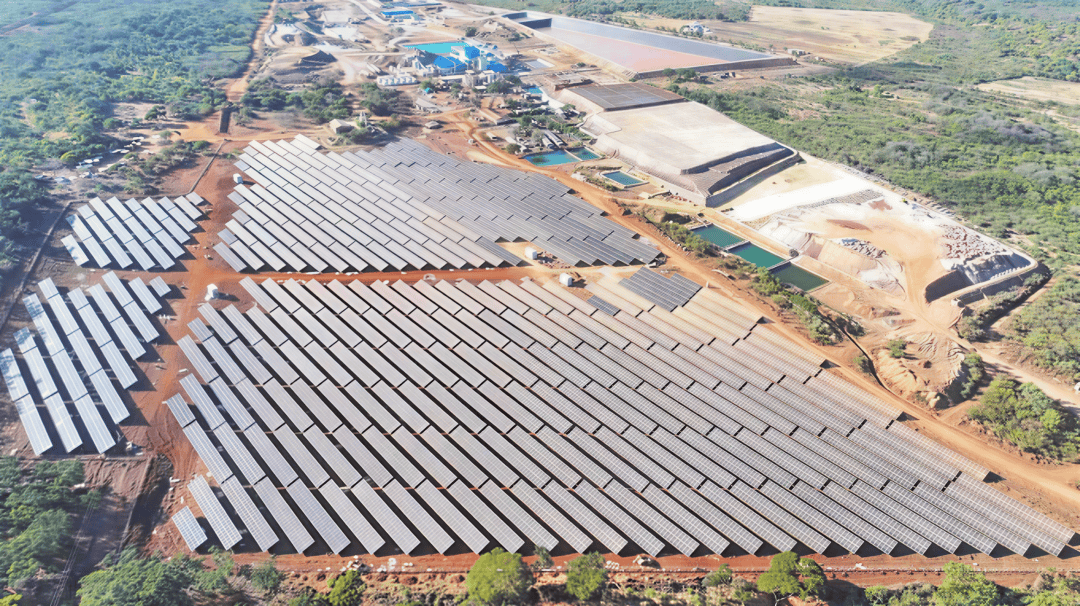
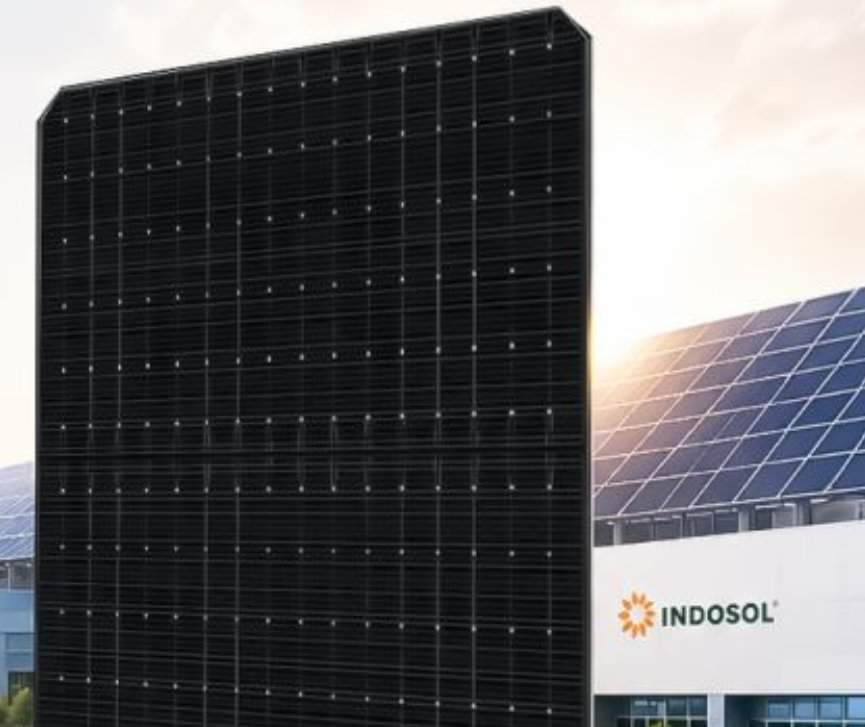
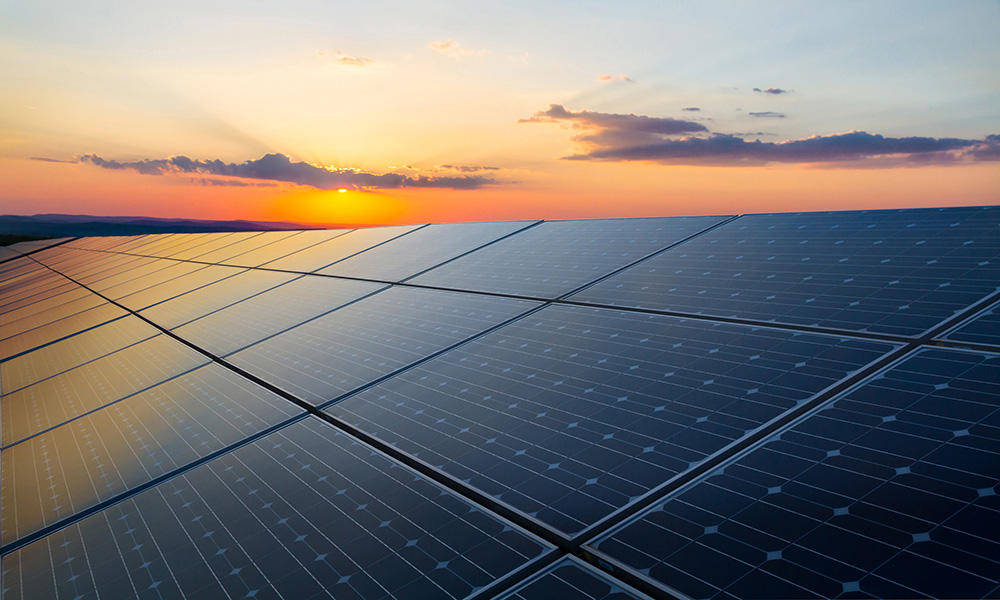
Approximately 43% of Africa's population lacks reliable electricity supply. Remote mining areas, constrained by grid coverage, have long relied on diesel generators, but high fuel costs, carbon emissions, and noise pollution are driving mining companies to shift toward green energy. The Reed Mine project has a DC-side photovoltaic installed capacity of 11MW, all utilizing LONGi's high-efficiency bifacial modules. Designed for scenarios with high surface reflectivity and limited land, these modules ensure full lifecycle reliability through process optimizations such as high-quality monocrystalline silicon wafers, customized cell pastes, module encapsulation system improvements, SMBB high-precision interconnection, and automated welding of high-reliability junction boxes. Compared to other bifacial modules on the market, these modules can achieve a power generation gain of up to 3%, with a linear degradation rate not exceeding 0.38%. The project is equipped with a 30MWh energy storage system and a 4MW (four 1MW units) diesel generator backup power supply, enabling direct 10kV high-voltage power supply, with the solar-storage power supply ratio exceeding 85%. It is estimated that the project can save the owner 50 to 60 million RMB annually in diesel fuel costs, reduce electricity costs by approximately 50% compared to traditional diesel power supply, and cut diesel consumption and carbon emissions by over 90%.
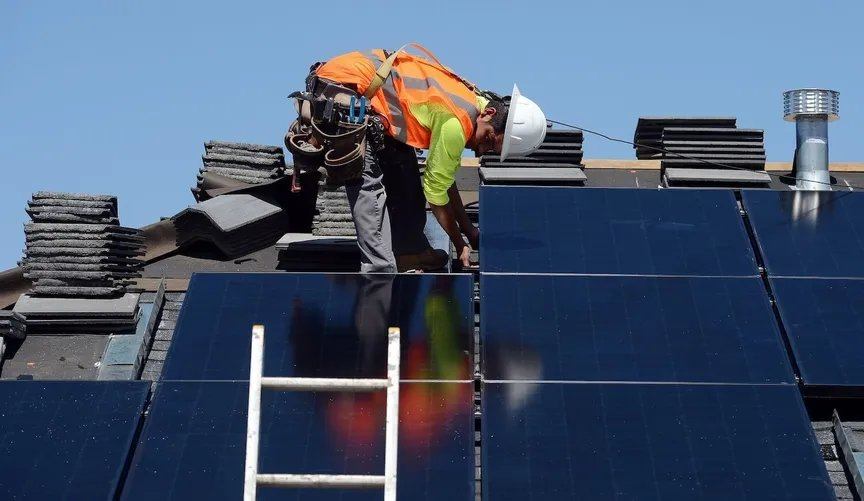
To address voltage fluctuations caused by the start-stop of mining equipment and the diurnal variation in photovoltaic output, the project employs self-developed control technology to keep voltage deviation within ±2% and frequency stable at 50Hz ±0.1Hz, ensuring continuous and stable operation even under adverse weather conditions. Despite challenges such as high temperatures, drought, difficulties in material transportation, and a short rainy season construction window in Zimbabwe, the project team completed construction in 50 days.
In response to Africa's high temperatures, dust, tree shadow shading, and extreme weather, LONGi continues to introduce scenario-based module solutions under the "5A" concept (Anti-dust, Anti-shading, Anti-glare, Fire-resistant, Anti-hail). Through its "ONE Strategy," LONGi is integrating global capabilities, technologies, and resources via an end-to-end full-stack self-developed system to provide customers with comprehensive green energy solutions.
Since 2026, LONGi has accelerated its market expansion in Africa. In March, at the Solar & Storage Live Africa exhibition in South Africa, LONGi signed framework agreements with top regional distributors and multiple EPC companies for a total capacity of 555MW of Hi-MO X10 modules. In June, at the 2026 Africa Energy Forum (AEF), LONGi launched the LONGi BLOCK modular photovoltaic shelter solution and the off-grid/microgrid flagship OneNexus for the African market, and signed a photovoltaic cooperation agreement with partner SOLA covering 300MW AC-side (440MW DC-side).
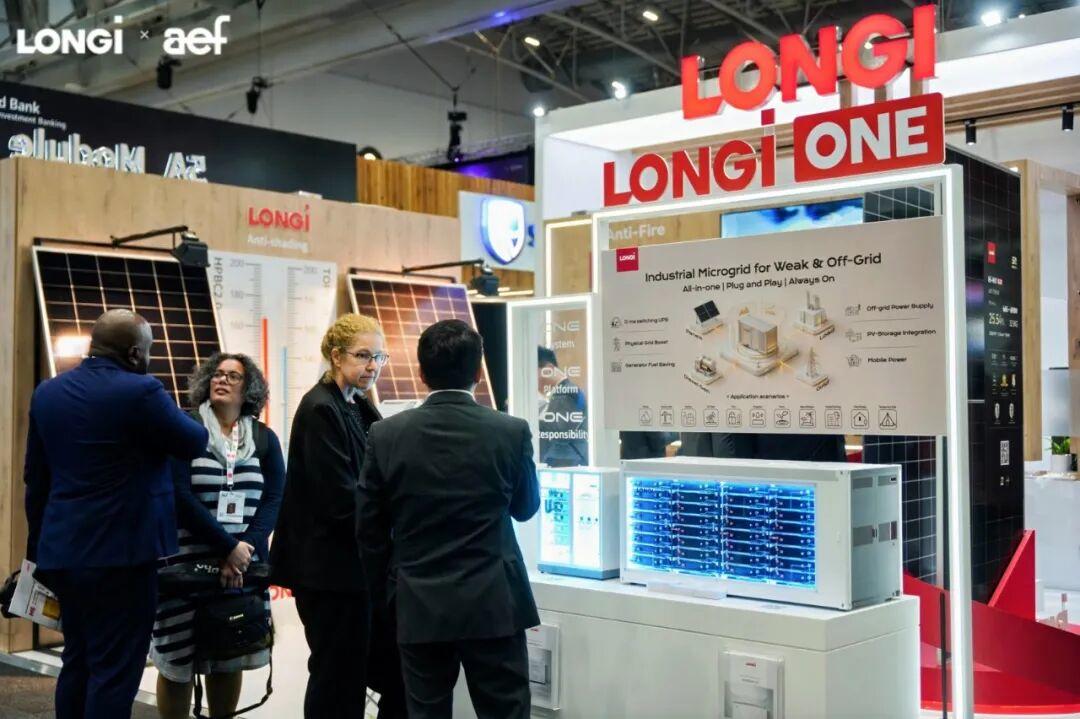
The Zimbabwe Reed Mine microgrid project represents LONGi's collaboration with Chinese partners to go global with a full-chain "product + technology + engineering + capital" capability, supporting Africa's energy transition. It is also an action to implement the "Green and Sustainable Development" initiative of the Forum on China-Africa Cooperation. LONGi will continue to provide clean, reliable, and affordable energy to Africa through photovoltaic technology and scenario-based solutions.
Related Products

Jiujiang Pinggang 125MW Subcritical Gas Power Generation Project
Capital Engineering & Research Incorporation Limited
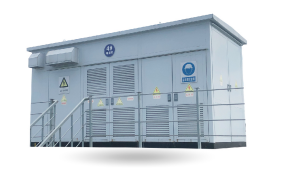
Smart Photovoltaic Prefabricated Substation
Shanghai Jinyou Jinhong Intelligent Electric Co., Ltd.
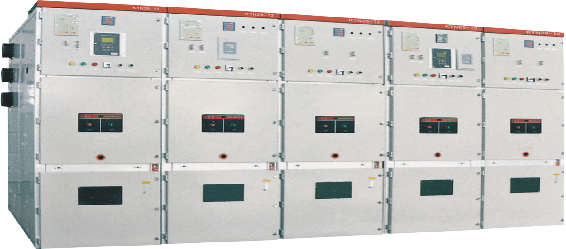
KYN28-12/24 Indoor High-Voltage Metal-Clad Removable Switchgear
Shenzhen Zhaoyang Hui Technology Co., Ltd.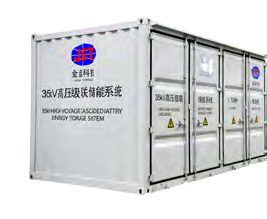
6kV-35kV Medium and High Voltage Direct-Connected Energy Storage System
Hainan Jinpan Smart Technology Co., Ltd.
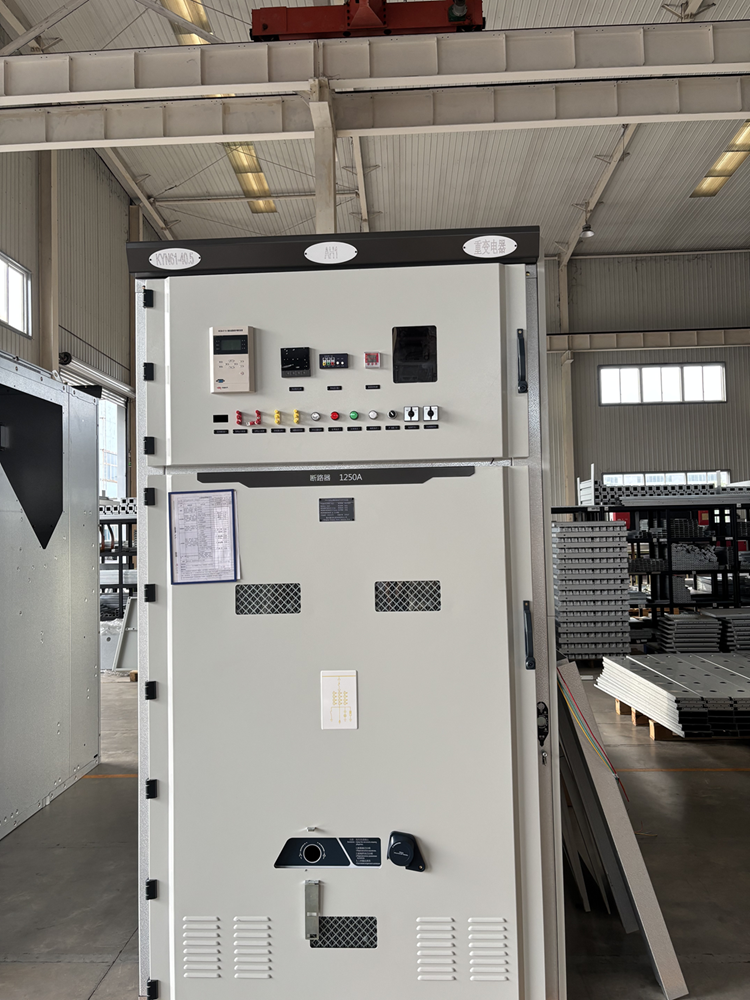
KYN61-40.5 Indoor AC Metal-clad Removable Switchgear
Chongqing Transformer Co., Ltd.