35% Bromine Formulation at Penn State Boosts Indoor Photovoltaic Performance of Perovskites
en.Wedoany.com Reported - Researchers at Pennsylvania State University (Penn State) have developed a perovskite-based thin film for indoor lighting that improves the material's efficiency in absorbing indoor light while also enhancing its ability to retain performance during longer exposure to brighter light. The findings have been published in APL Energy.
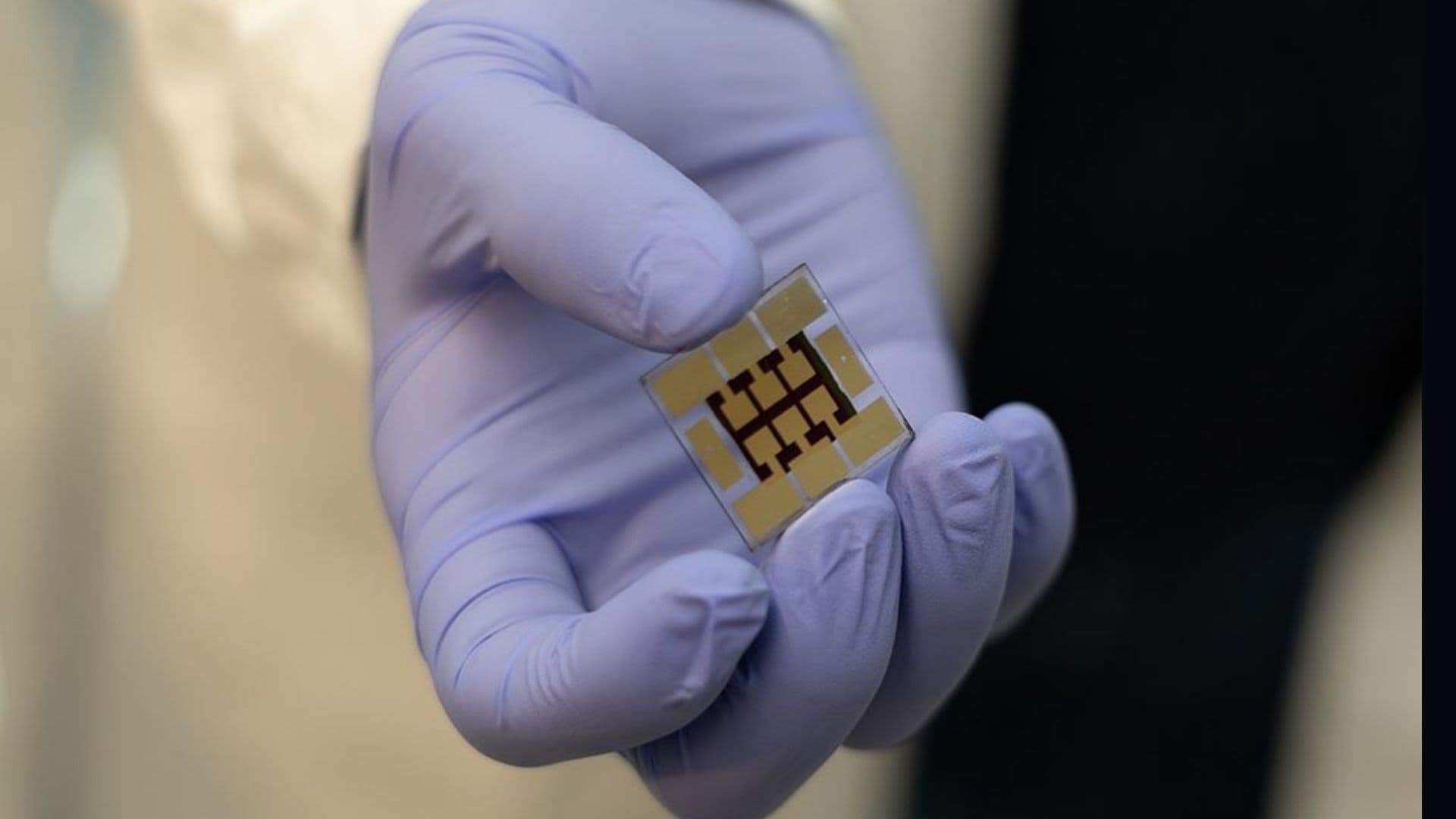
Traditional solar cells are designed to capture a broad range of sunlight, but indoor photovoltaic devices face a different set of conditions: artificial lighting is much weaker in intensity and narrower in spectrum. This means materials optimized for sunlight may not be the best suited for harvesting light from LEDs or other indoor light sources.
The team started with the crystal structure of metal halide perovskites, adjusting the ratio of bromine to iodine within them. They prepared a total of six different compositions and gradually tuned their optical properties toward the wavelengths commonly found in indoor lighting. According to the researchers, the composition containing 35% bromine performed best in the experiments. This work also suggests that material design for indoor photovoltaics may differ from that of conventional solar panels—rather than pursuing maximum absorption across the entire solar spectrum, researchers can tune the semiconductor bandgap toward the narrower spectrum of artificial light.
The researchers also examined how the perovskite film itself forms. During fabrication, the material is first dissolved in a solvent and then crystallizes as the solvent evaporates. The team replaced the commonly used chlorobenzene with dichlorobenzene as the antisolvent. This adjustment was based on prior work by members of the research group and aimed to produce a more uniform film with dense grains and fewer voids and defects, since such defects can impede charge movement and weaken photovoltaic performance. The final step was to add phenethylammonium bromide (PEABr) to the perovskite surface. This salt forms a passivation layer that helps protect the material from defects and degradation under prolonged illumination.
In testing, the resulting device showed no performance degradation over 240 hours of continuous operation under high light intensity. Based on the observed trend, the researchers estimate that the device could remain stable for thousands of hours; however, this estimate is a projection rather than a proven operational lifetime. The light intensity used in the tests was approximately 10 to 50 times that required by a recently proposed consensus framework for indoor photovoltaic evaluation, equivalent to about 8% to 50% of sunlight intensity.
The potential application is less about replacing rooftop solar panels and more about freeing low-power electronic devices from batteries and wired power. Smart thermostats, sensors, remote controls, and some wearable electronic devices could potentially operate by continuously harvesting ambient light rather than relying entirely on disposable or rechargeable batteries. However, commercialization still faces a major obstacle: durability. A 2026 review by Penn State on indoor perovskite photovoltaics noted that some devices have reported efficiencies exceeding 44%, while relatively few studies report long-term stability using standardized protocols. The researchers argue that better stability testing is essential for determining how laboratory results translate into real-world lifetimes.
As such, this new device is more of a step toward making indoor light harvesting practical than a finished replacement for batteries.
Related Products

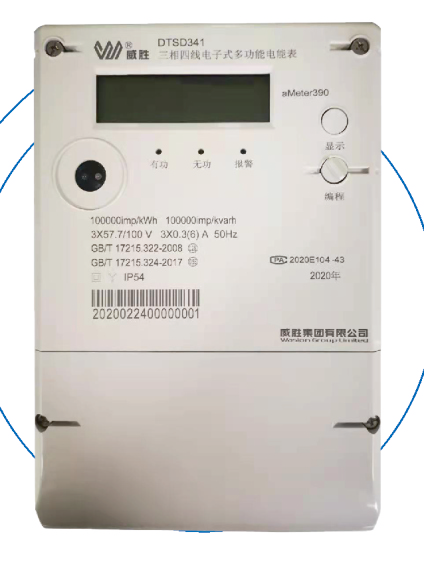
Overseas IEC Gateway Energy Meter - DTSD341/DSSD331-aMeter390
Wasion Group Limited Co., Ltd.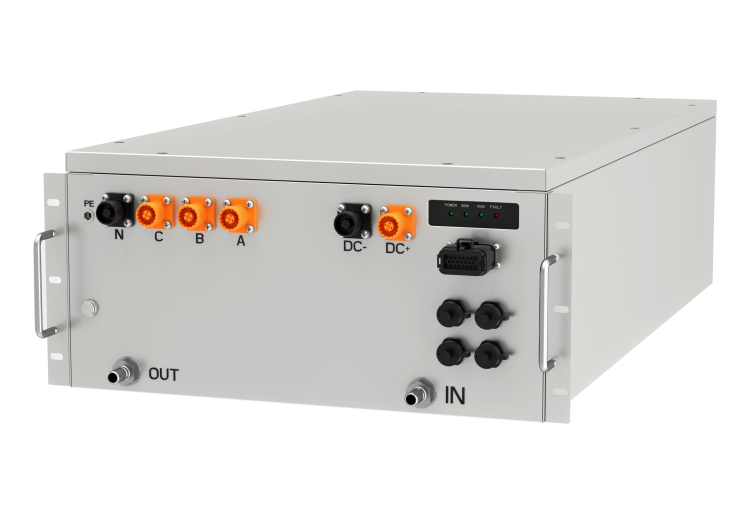
Mars (Liquid Cooling) Series Industrial and Commercial Energy Storage Converter High Protection Module
Shenzhen Winline Technology Co., Ltd.
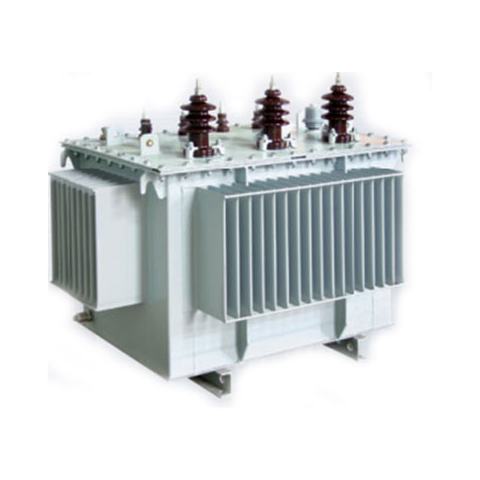
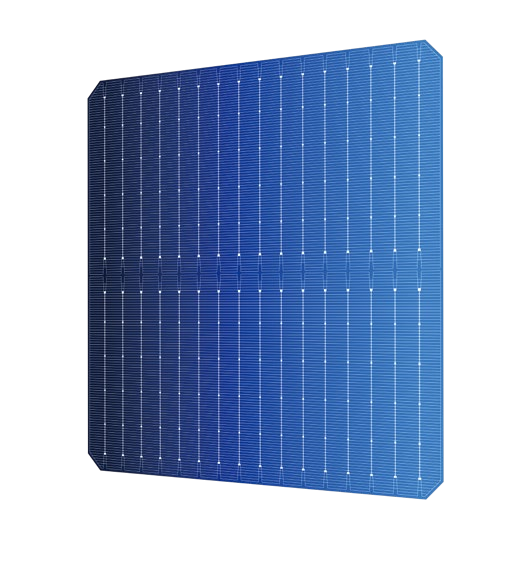
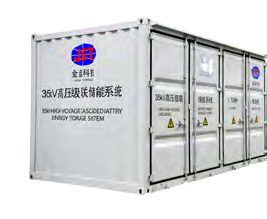
6kV-35kV Medium and High Voltage Direct-Connected Energy Storage System
Hainan Jinpan Smart Technology Co., Ltd.
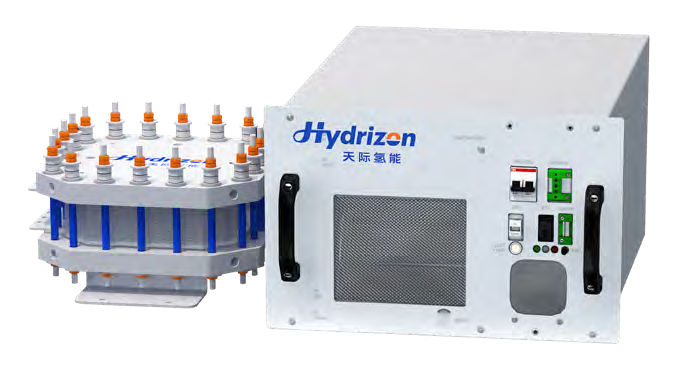
HI-Pro Green Hydrogen High-efficiency Production System-HI-PRO-AEM
Hydrizon Technology (Beijing) Co., Ltd.
Environmentally Friendly Flame-retardant PVC Double-layer Insulated Wire
Sichuan Chndo Cable Co., Ltd.