Two California Bills Aim to Streamline Permitting for Heat Pumps and Solar-Plus-Storage Projects
en.Wedoany.com Reported - On September 14, the California State Legislature passed SB 222, the Heat Pump Access Act, and AB 1738, the Remote Virtual Inspection Act. Both bills have now been submitted to Governor Gavin Newsom, who must decide whether to sign them by September 30. The two bills address, respectively, residential heat pump permitting and the completion inspection process for small projects such as solar, energy storage, and heat pumps. They are currently at the pending-signature stage and have not yet formally taken effect.
SB 222 primarily targets residential heat pump water heaters and heat pump HVAC systems. The bill would require cities with a population of no fewer than 5,000 and counties with a population of no fewer than 150,000 to establish a fast-track or automated heat pump permitting mechanism by July 1, 2028. Eligible projects would, in principle, require at most one permit, rather than separate building, plumbing, and electrical permits.
On fees, SB 222 would cap the permit fee for heat pump water heaters at $150 and the permit fee for residential heat pump HVAC systems at $200; local governments could exceed these caps only if they can demonstrate that their actual permitting costs are higher. The bill would also limit local governments from obstructing installations through overly strict equipment setback distances, noise rules, and other conditions, and would prohibit homeowners associations from directly blocking the installation of compliant heat pump equipment through architectural review rules or other restrictions.
Current permitting practices vary widely among California's local governments. Some jurisdictions require separate plumbing, electrical, and structural permits for a single heat pump water heater, with additional permit fees reaching about $400. The California Senate disclosed on August 25 that SB 222 had passed by votes of 26 to 5 in the Senate and 60 to 8 in the Assembly.
AB 1738 primarily adjusts the project acceptance inspection method. If enacted, cities with a population of more than 50,000 and counties with a population of no fewer than 150,000 would be required to offer a remote virtual inspection option by January 1, 2028. Residential solar, battery storage, heat pump, heat pump water heater, and other eligible small building projects could undergo remote inspections via smartphone video and other means; local authorities could still require on-site inspections when safety or on-site verification needs exist.
At least 19 local governments in California already offer remote inspection services, including Berkeley, Los Angeles County, and San Diego. Related research shows that with traditional on-site inspections, construction firms may wait 2 to 6 hours, while the actual inspection often lasts only 5 to 15 minutes; manual waiting, vehicle travel, and coordination costs may add about $600 to $1,000 in expenses per heat pump, solar, or energy storage project.
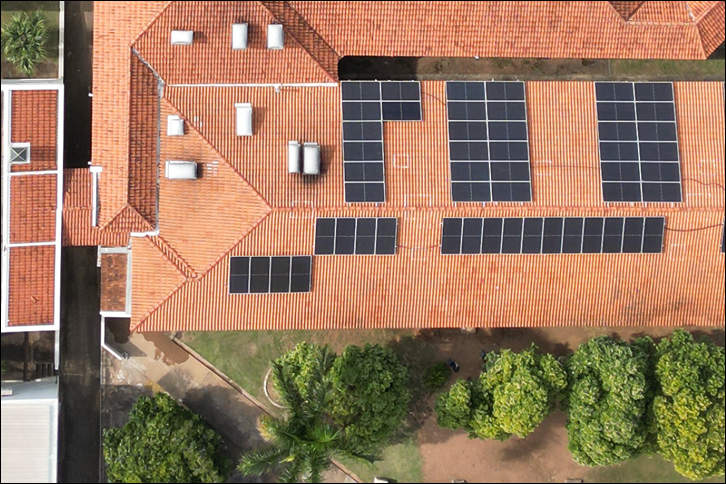
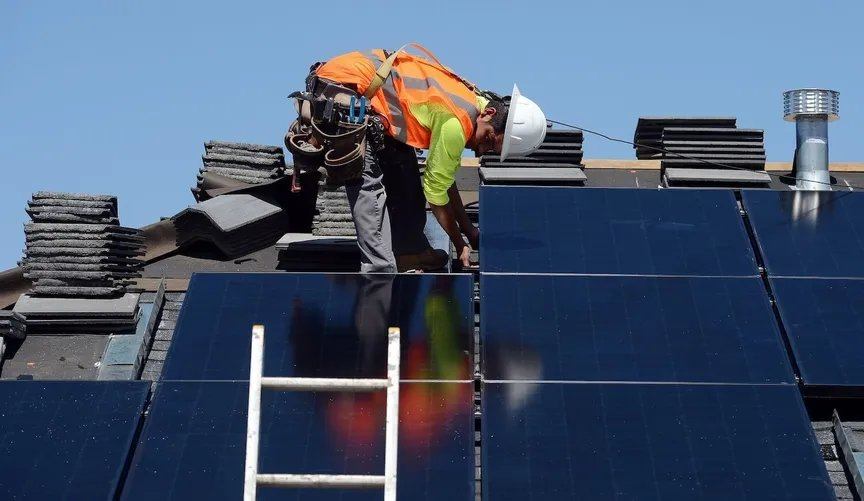
Rooftop solar permitting has already undergone automated reform in California. Current state law requires eligible local governments to adopt online automated permitting platforms such as SolarAPP+ to provide real-time or automated permitting for residential solar systems with a rated AC capacity of no more than 38.4 kW, as well as energy storage systems paired with residential solar and also with a capacity of no more than 38.4 kW. The new focus added by AB 1738 is to further shift the subsequent on-site acceptance stage toward remote virtual inspections.
If the two bills are signed by the governor, the implementation chain would respectively enter the stages of "governor's signature—local government system upgrades—mandatory enforcement in 2028." Among them, SB 222 mainly changes the number of permits, permit fees, and approval speed for heat pump projects, while AB 1738 mainly changes the inspection method after completion for projects such as solar, energy storage, and heat pumps.
Related Products
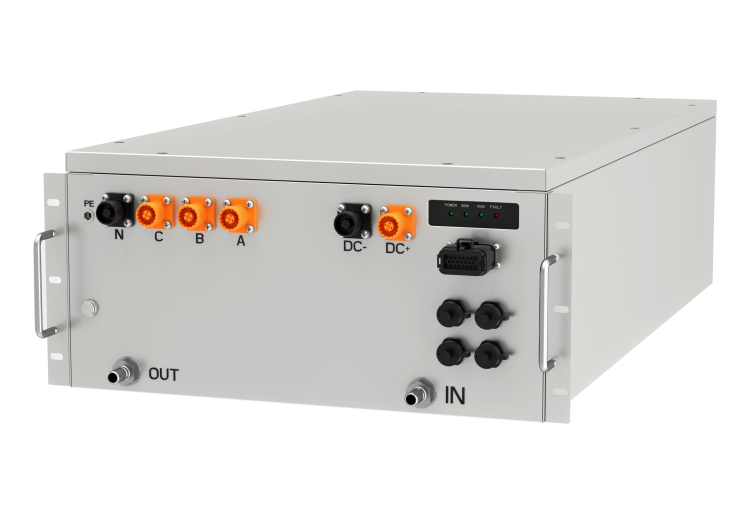

Mars (Liquid Cooling) Series Industrial and Commercial Energy Storage Converter High Protection Module
Shenzhen Winline Technology Co., Ltd.
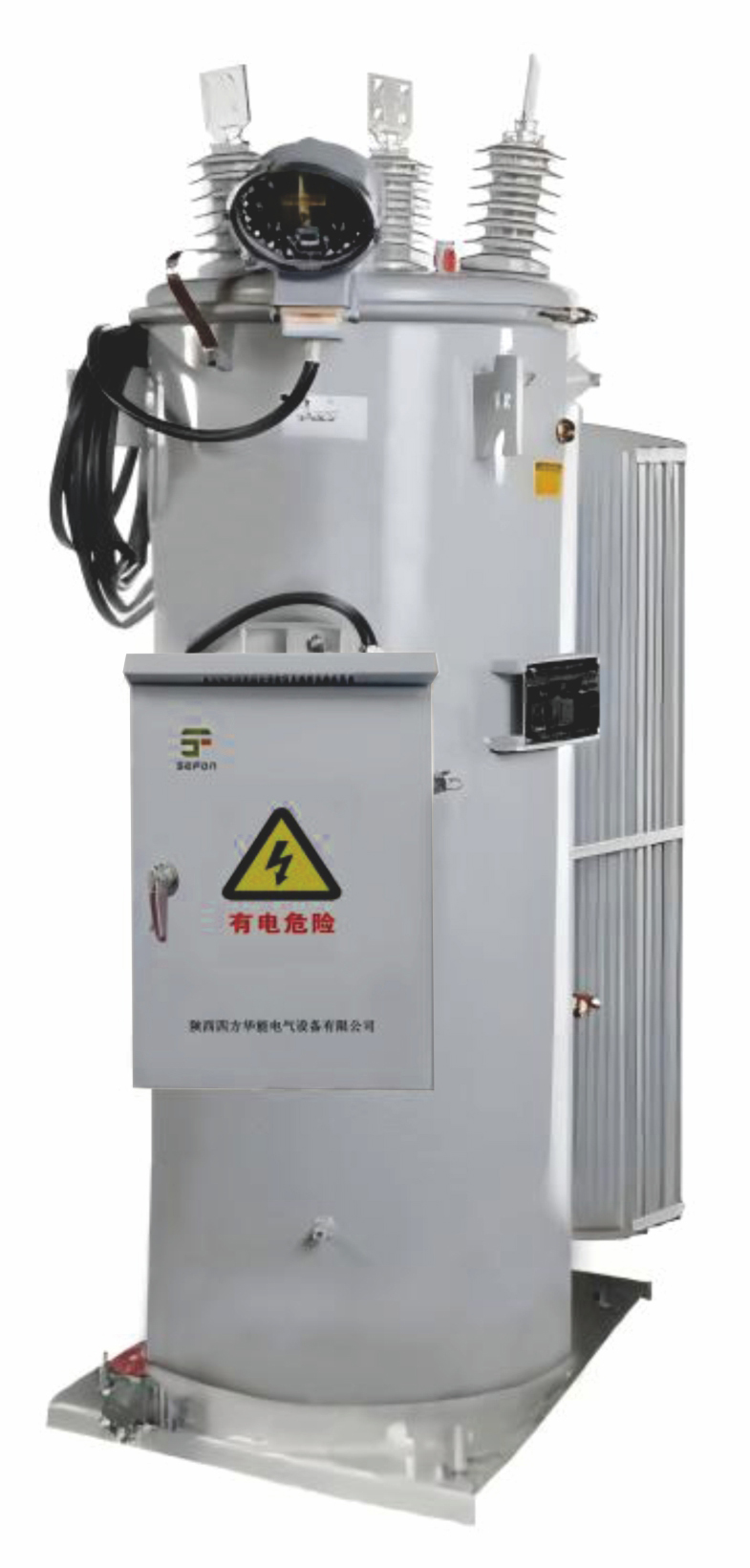
Single-Phase Automatic Voltage Regulator(AVR)
Shaanxi Sefon Electrical Equipment Co.,Ltd.
Pneumatic high-pressure wear-resistant ball valve
Zhejiang Deca Control Valve Meter Co., Ltd.
Modular Multifunctional Water Supply and Drainage Vehicle (18T)
Changsha Dewater Machinery Technology Co., Ltd.
TAI Slew-drive Single-axis Independent 1P Tracking Bracket System
ANTAI TECHNOLOGY CO., LTD.
5012kWh DC Energy Storage System TD-EES-5012kWh
Suzhou Tongding Xindong Energy Storage Technology Co., Ltd.