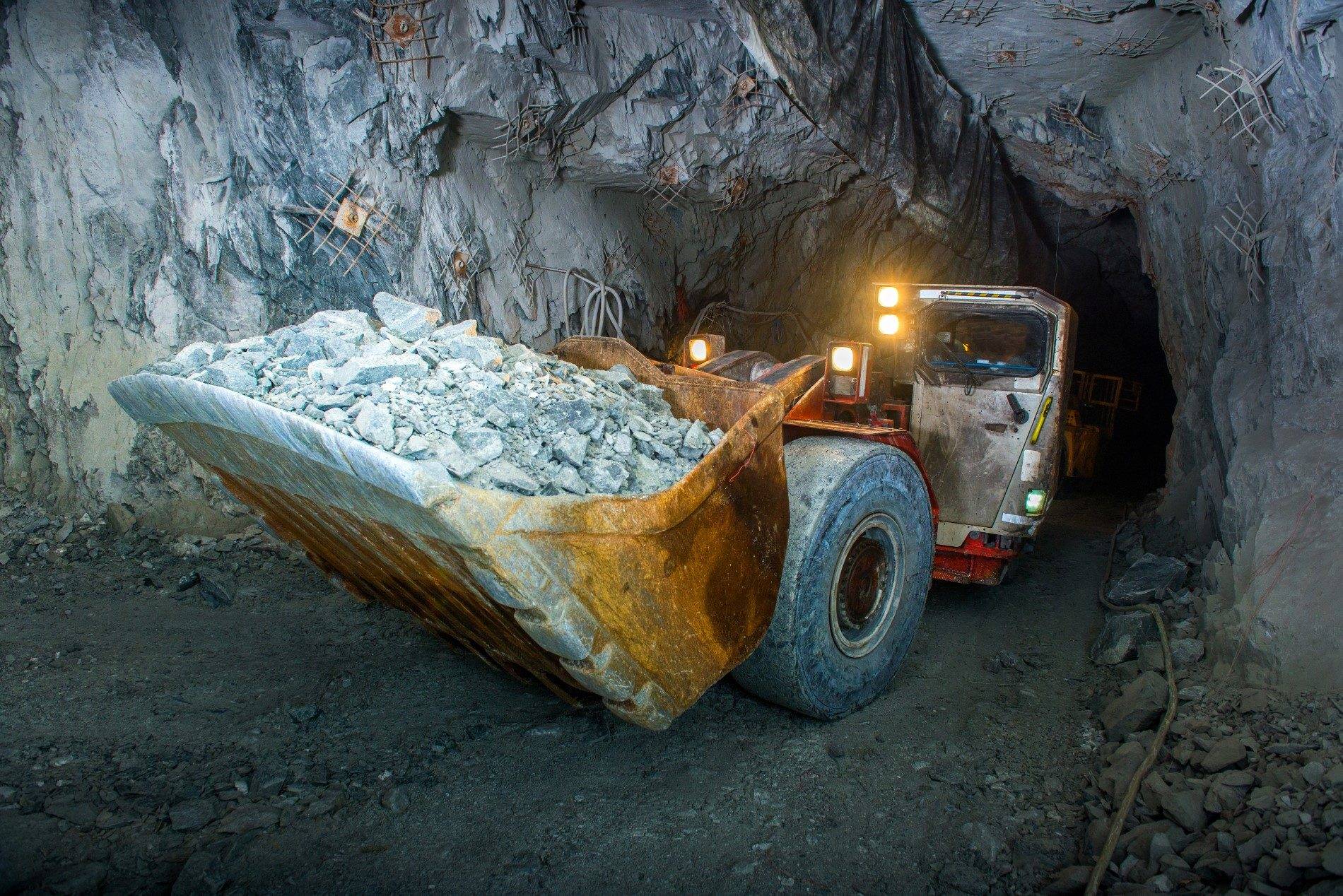
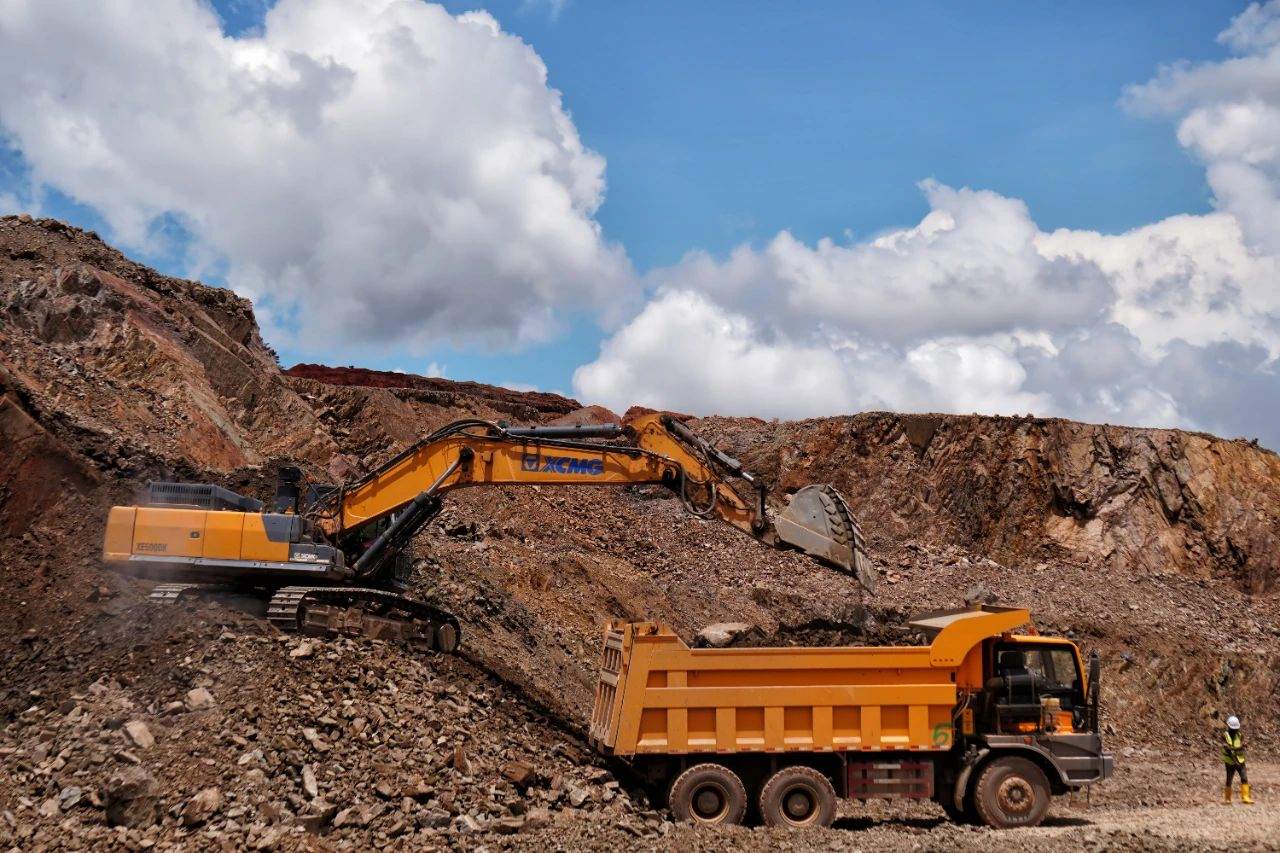
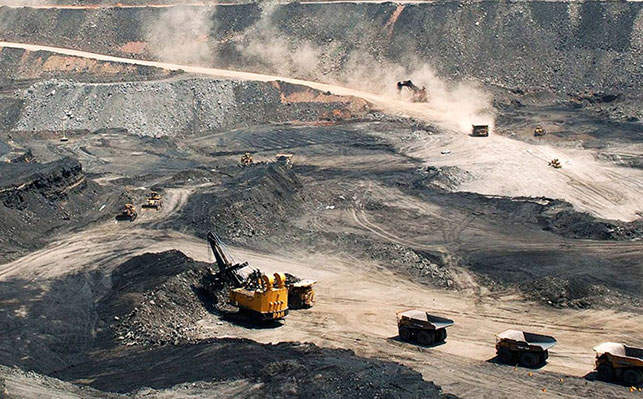
Venezuela's interim president, Delcy Rodríguez, announced this Wednesday in the capital, Caracas, that the reform draft of the country's main mining legal framework will be submitted to the National Assembly for review "in the coming days," aiming to accelerate the opening of the extractive industry to foreign capital. After meeting with U.S. Secretary of the Interior Doug Burgum, Rodríguez stated that the new legislation will incorporate provisions allowing greater participation of foreign companies in gold, diamond, and rare earth mining, following a logic similar to the recent hydrocarbon sector reform.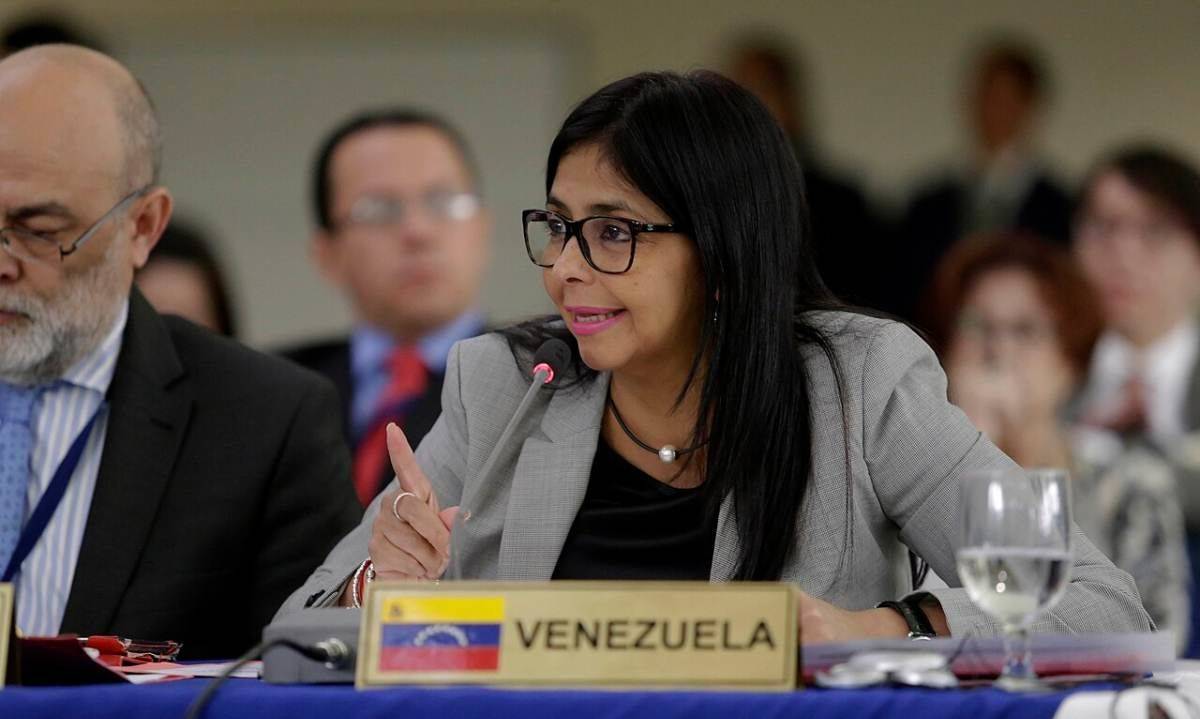
Rodríguez pointed out that the government hopes the "successful model" of the hydrocarbons law can also be reflected in the mining sector, referring to the oil reform enacted at the end of January, which opened the industry to more private and foreign investment. The agenda of the meeting with Burgum included discussions on metallic minerals, non-metallic minerals, strategic and non-strategic minerals, while energy issues will be reserved for future meetings. In addition to serving as Secretary of the Interior, Burgum also leads the U.S. National Energy Leadership Committee.
Burgum arrived in Venezuela accompanied by more than twenty U.S. mining and mineral companies, which, according to him, could represent billions of dollars in investment and thousands of high-paying jobs. This visit is part of Washington's push to open Venezuela to U.S. investments in oil, gas, and mining, coinciding with the country's political reorganization following the arrest of Nicolás Maduro in January and the Venezuelan Supreme Court's decision to appoint Rodríguez as interim president.
Although publicly, relations between Washington and Caracas show a tone of cooperation, Reuters reported that the Trump administration has simultaneously increased pressure on Rodríguez, including threats of legal cases. According to the same report, the U.S. Department of Justice denied Reuters' claim. This dual-track approach—opening investment while maintaining political and judicial pressure—suggests that the mining reform will advance in a highly institutionally sensitive environment.
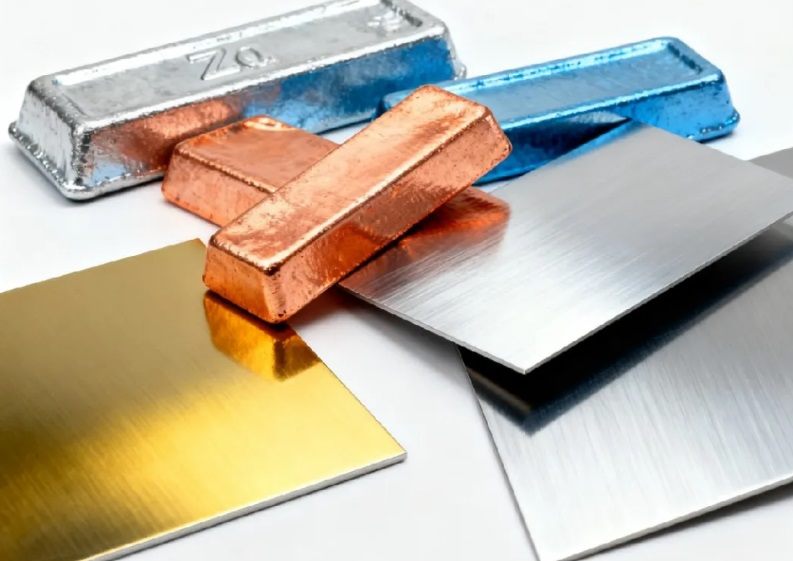
One of the most striking points in the announcement is the mention of rare earths, although the geological basis remains uncertain. Reuters noted that Venezuela has not conducted sufficient exploration to confirm the reserves of these minerals. Previous official reports have interchangeably used concepts such as "reserves" and "resources," making it difficult to precisely determine the country's true mining potential. An official map released in 2021 mentioned the presence of minerals such as antimony, copper, nickel, coltan, molybdenum, magnesium, silver, zinc, titanium, tungsten, and uranium but did not specify quantities.
Any opening of Venezuela's mining sector must confront a structural factor: the country owes billions of dollars in debt to industrial groups, oil, and mining companies following the nationalization wave two decades ago. Reuters mentioned companies such as Crystallex, Gold Reserve, and Rusoro Mining. This historical record, combined with a lack of auditable geological data and institutional fragility, may limit the speed at which the new law translates into concrete projects.
If Venezuela's mining reform indeed opens the door to foreign investment in gold, diamonds, and critical minerals, it could mark a significant turning point, aligning the country with the global competition to secure strategic raw material supplies. However, its success depends not only on the legal text but also on regulatory credibility, legal security, and the ability to demonstrate economically extractable resources.