NYU Tandon School of Engineering Develops Zeolite Thermal Battery Model, Could Reduce US Data Center Cooling Electricity Usage by 86%
Wedoany.com Report on Mar 6th, Researchers at the NYU Tandon School of Engineering have developed a zeolite-based thermal battery model capable of reducing data center cooling electricity consumption by 86%. The system utilizes waste heat from industrial facilities to provide on-demand cooling. By integrating these two types of facilities, the total electricity consumption of data centers and industrial plants could be reduced by over 75%.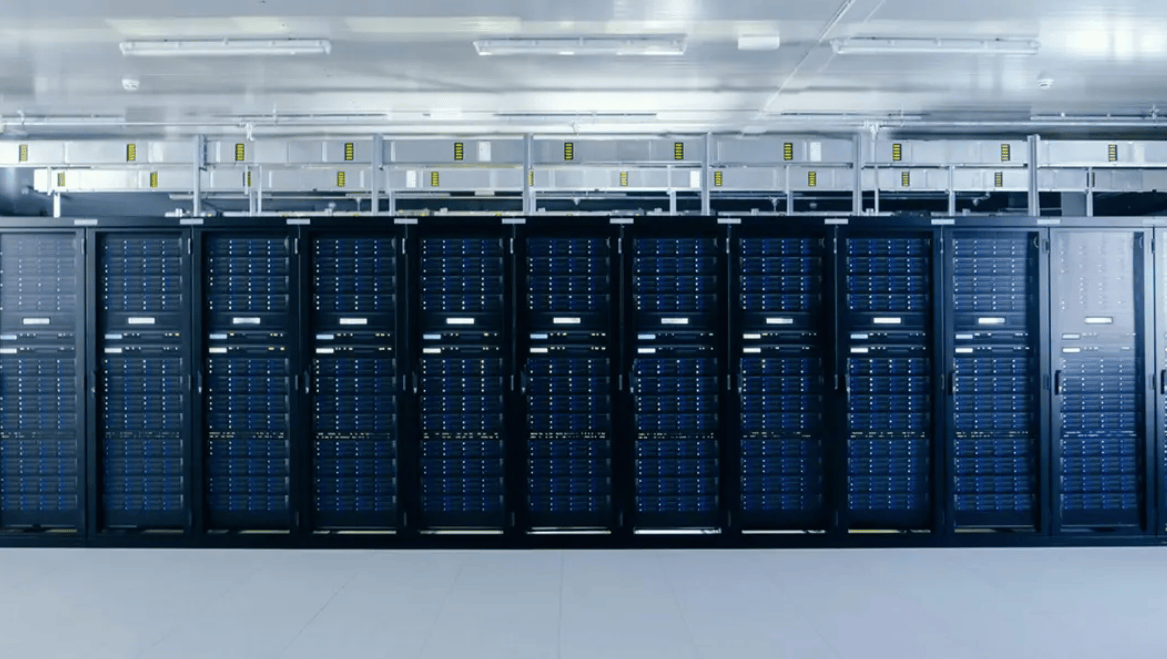
A geospatial analysis of facilities across the United States revealed that the median distance between a data center and its ten nearest industrial sites is 57 kilometers (35 miles). This proximity allows for the transport of charged zeolite via electric trucks or rail while maintaining a net electricity savings typically exceeding 40%. The researchers stated in a press release, "In terms of energy efficiency, this translates to a 12% improvement in Power Usage Effectiveness (PUE), a key metric in the data center industry."
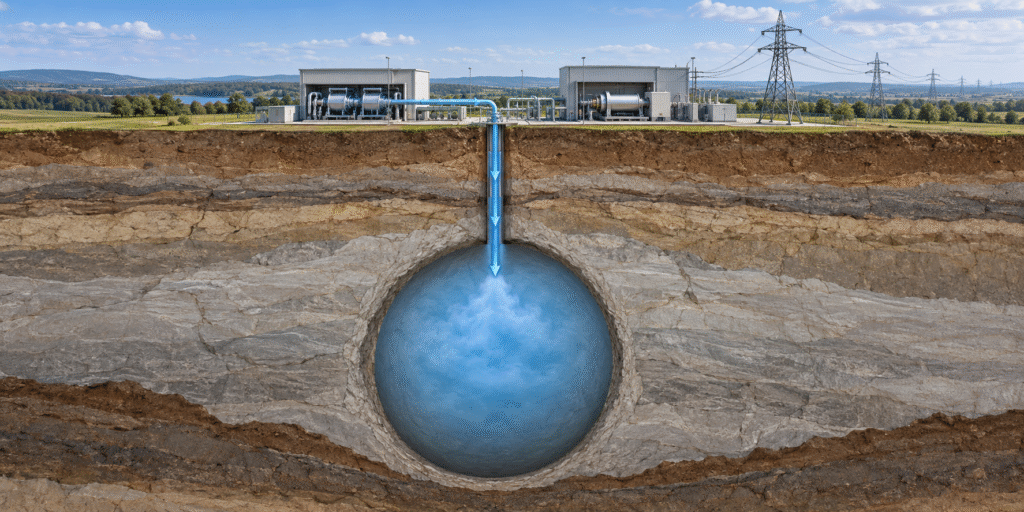
The proposed technology relies on zeolite, an inexpensive, porous crystalline material commonly used in water treatment and oil refining. These minerals act as thermal sponges by releasing heat when they absorb water vapor. The press release added, "At an industrial facility, such as a chemical plant or refinery, low-to-medium temperature waste heat (below approximately 200 degrees Celsius) is used to 'charge' the thermal battery by drying the zeolite." The dried material is then transported to the data center to replace power-hungry compression chillers. When the server site requires cooling, water is evaporated to remove heat from the room. The researchers explained, "The water vapor is adsorbed by the dry zeolite, which effectively acts as a heat sink." Unlike traditional thermal storage methods that lose energy over time, zeolite retains its thermal potential until water is reintroduced. This property makes the material suitable for long-term storage and transport over tens of miles without significant energy loss.
While the system offers significant electricity savings, it alters the water usage profile of these facilities. Since evaporation is central to the cooling process, the total water consumption of the combined system increases by approximately 15% to 25%. This increase is partly offset by a sharp reduction in water use at the industrial facility, as waste heat is diverted to the thermal battery instead of being released via traditional cooling towers. The press release emphasized, "Water released during the zeolite charging process can also be reused on-site, partially forming a closed loop." These findings suggest that reimagining cooling as a thermal logistics problem rather than an electrical demand could monetize waste heat as a valuable resource. The system is currently in the modeling phase, and researchers have begun discussions with industry leaders to explore scaling the solution to practical applications. The press release concluded, "By reimagining cooling as a thermal logistics problem rather than an electrical demand, zeolite-based thermal batteries could help data centers grow without overheating the grid."
Related Products
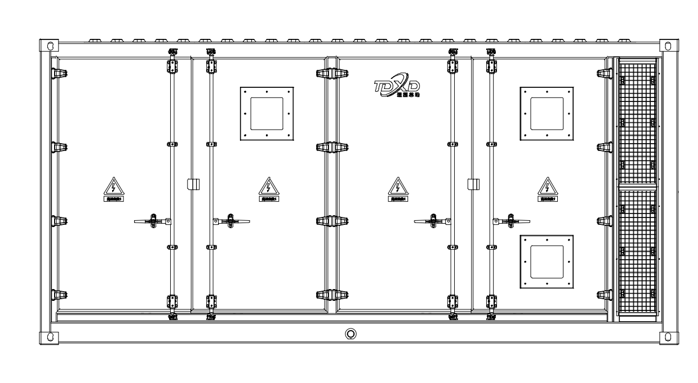

5012kWh DC Energy Storage System TD-EES-5012kWh
Suzhou Tongding Xindong Energy Storage Technology Co., Ltd.
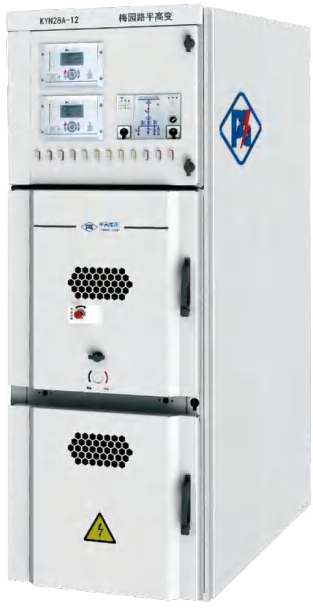
KYN28A-12 Metal Armored Removable Switchgear
Tianjin Ping Gao Intelligent Electric Co., Ltd.
714CD Series C-Band Weather Radar
Chengdu Zhongdian Jinjiang Information Industry Co., Ltd.
Industrial and Commercial Point-Type Gas Detector
Jinan Benan Technology Development Co., Ltd.
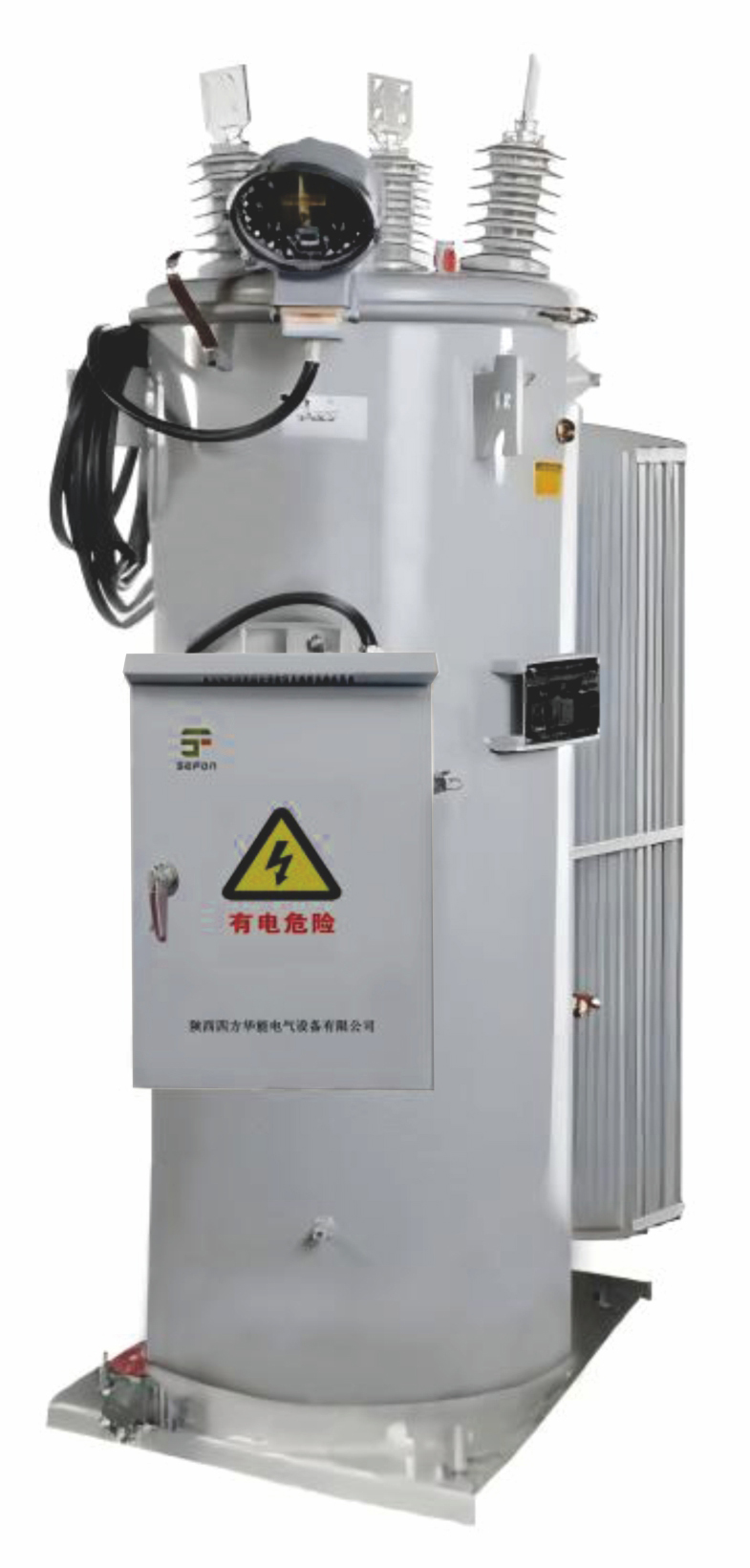
Single-Phase Automatic Voltage Regulator(AVR)
Shaanxi Sefon Electrical Equipment Co.,Ltd.
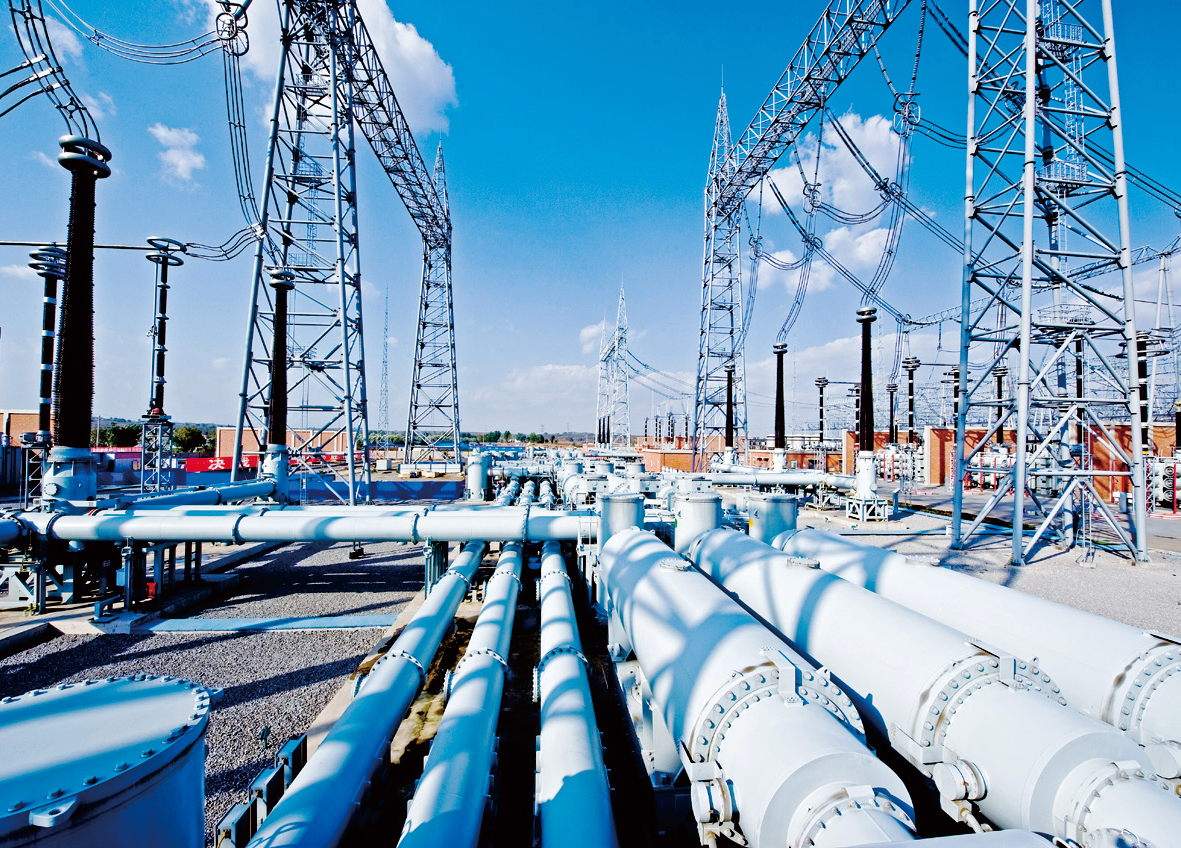
40.5kV-1100kV Gas Insulated Metal-Enclosed Switchgear (GIS)
Henan Pinggao Electric Co., Ltd.
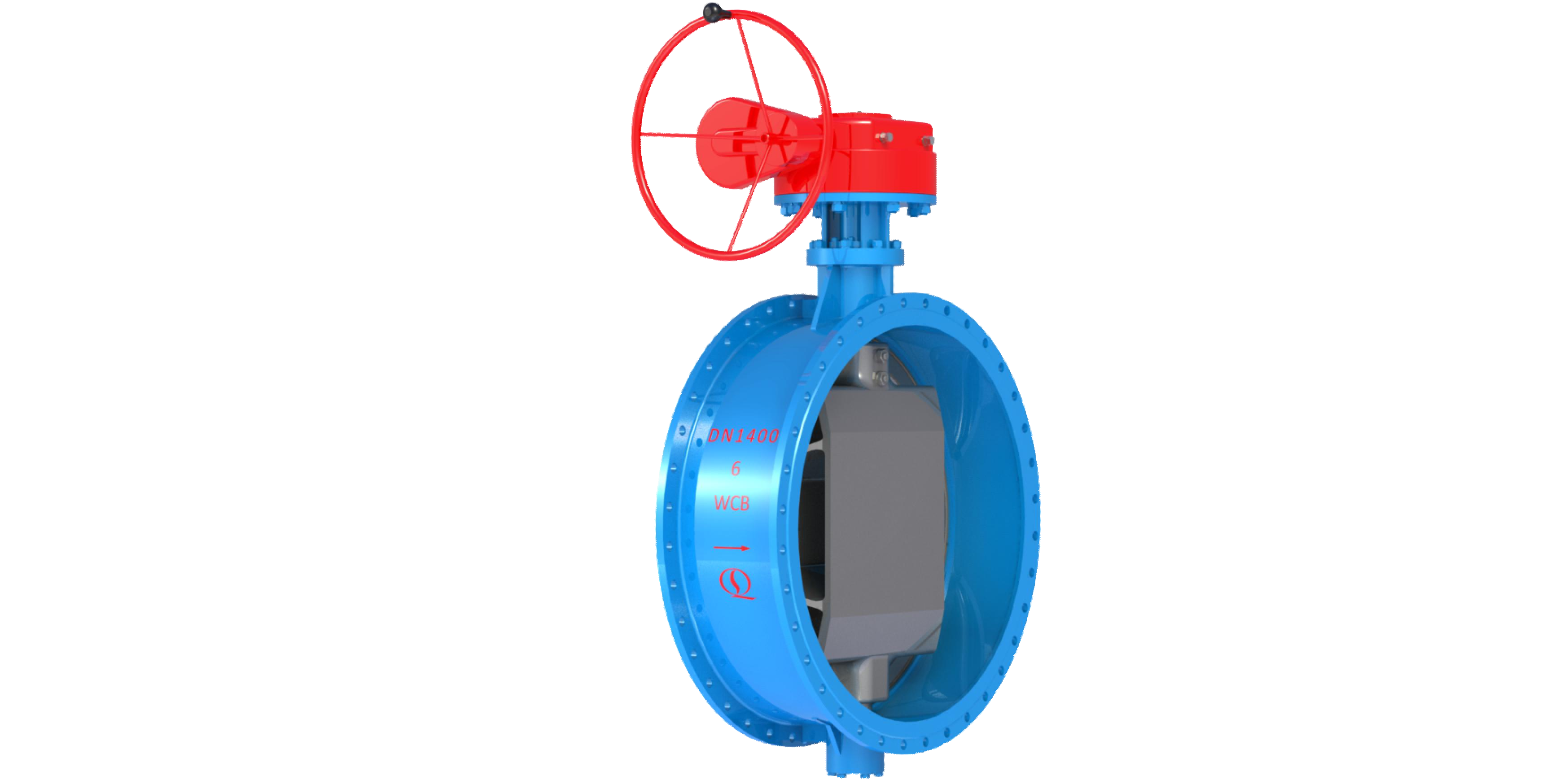
Bidirectional Metal Hard Sealed Seawater Butterfly Valve
Henan Quanshun Flow Control Science & Technology Co., Ltd.