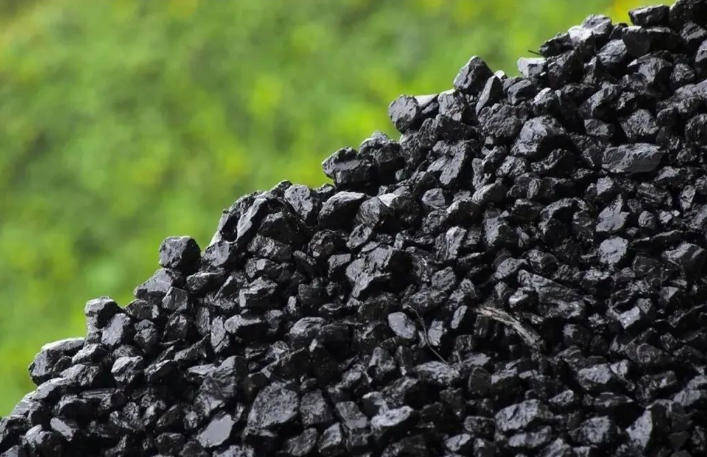
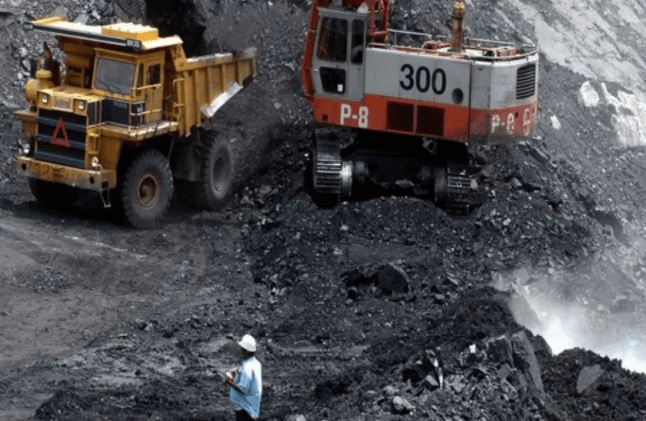
Wedoany.com Report-Dec 02, China’s share of coal power generation in the total mix stood at 58.7% over the first ten months of the year, Reuters’ Gavin Maguire reported this week. This is down from 61.6% for the same period of 2023 and 61.8% for the first ten months of 2022.
This may seem like a small but significant victory for the wind and solar industries of the country, and the global transition push as a whole. However, this is in percentage terms. In absolute terms, China’s coal power generation hit an all-time high this year, rising to 4,838 TWh from 4,724 TWh from January to October last year.
The data comes from transition advocacy outlet Ember and Maguire, who argued that “as China accounts for roughly 40% of all power emissions from fossil fuels, sustained reductions to coal’s use in Chinese power production are critical if worldwide pollution trends are to be reversed.”
The numbers, however, do not suggest that China’s coal use is in decline. What they do suggest is that demand for electricity is on the rise and China is using all available sources to generate it, temporarily reducing the share of coal because there is availability of gas and hydro, since solar and wind tend to underperform in the winter months.
What’s more, the dip in coal’s share of China’s energy mix is about to reverse pretty soon—because demand is about to pick up as the weather gets colder. Winter is peak demand season in the northern hemisphere and China has demonstrated it is prepared to go to great lengths to avoid a repeat of the power shortage from eight years ago.
Interestingly, Reuters’ Maguire suggests that even with higher demand, China could keep the share of coal in its energy mix below 60% for the year—by relying on abundant wind power output and subdued industrial activity. In other words, it has to be hoped that the weather cooperates and that the industrial sectors of the economy do badly instead of well in order to keep a lid on coal-related carbon emissions.
The suggestion is evidence of something that transition skeptics have been warning about for years: success with emission control means deindustrialization and economic stagnation, if not shrinkage, accompanied by a higher cost of living. The latest developments in Germany and the UK seem to support this view.
In Germany, some of the biggest industrial conglomerates are planning massive layoffs, warning of factory closures, and plotting business relocations. In the UK, soaring energy costs have fueled a cost of living crisis that prompted a petition calling for snap elections that accumulated over 2 million signatures in the space of 48 hours. The petition comes just four months after the Keir Starmer government came into office—with the promise to turn the country into a transition leader and make energy cheaper for everyone.
China is not oblivious to these unpleasant developments. Its government has signaled repeatedly that its approach to energy security is “all of the above” in terms of sou