North Carolina's Farm Complaint System Yields Limited Results, Water Pollution Control Faces Challenges
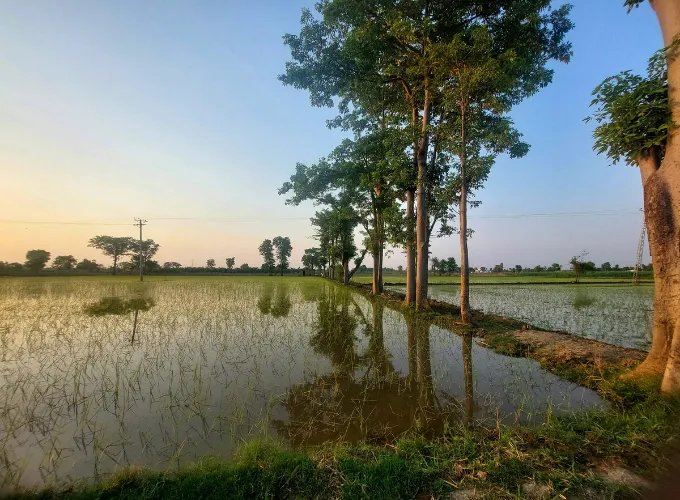
Wedoany.com Report on Mar 10th, Brenda Schwab, a resident of Rowland, North Carolina, USA, observed piles of chicken manure, known as "dry litter," accumulating in fields in southern Robeson County. This waste poses a potential threat to water quality. Living near concentrated animal feeding operations (CAFOs) that house millions of animals, she notes that the manure, while legally used as fertilizer, risks leaching into groundwater and waterways.
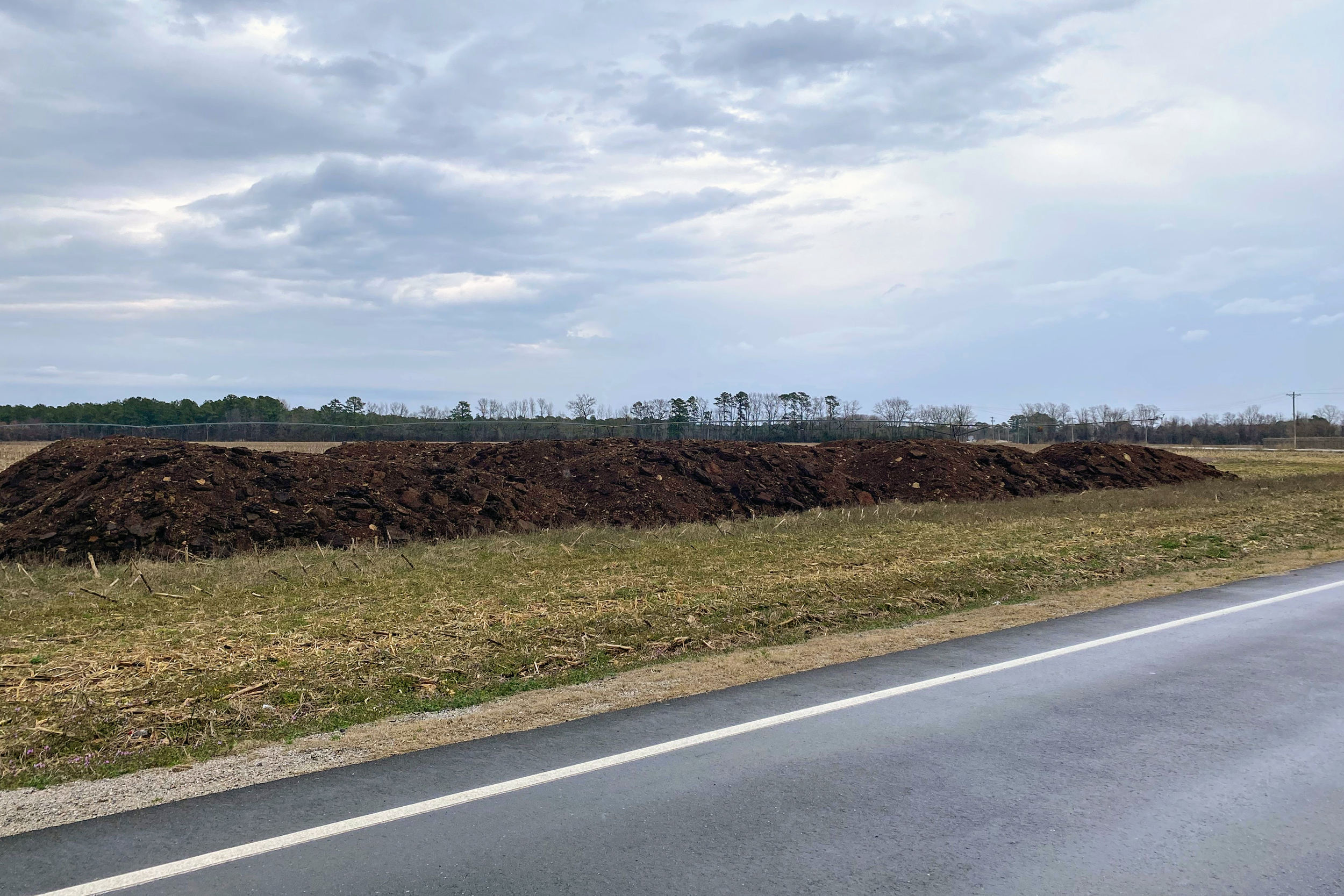
Schwab reported her concerns, including seeing children fishing in a creek, to multiple agencies, including the North Carolina Department of Environmental Quality (DEQ), but felt no one was listening. Her experience highlights the limitations of the state's farm complaint system, established in 2017 in collaboration with environmental groups to improve complaint handling.
Environmental advocates argue the system has failed to effectively curb water pollution from industrialized farms, leading to incidents like leaking swine waste lagoons, sprayfields, and poultry manure piles remaining in fields past the mandated 15-day removal period. A 2018 civil rights settlement required drafting a point system for violations at such farms, but this provision was never implemented. A DEQ spokesperson explained the process was disrupted by staff turnover.
According to DEQ data, from November 2018 through the end of 2025, the agency investigated at least 568 complaints about CAFOs, with roughly one-fifth involving violations. "In terms of information about how many complaints are filed and how many result in violations, I think that has worked, but the utility of that information is very limited," said Blakely Hildebrand, a senior attorney at the Southern Environmental Law Center. A 2014 state law requiring complaint investigation details to remain confidential unless an inspector finds a violation limits the public's ability to assess DEQ's work.
The DEQ faces resource constraints, with only 14 staff members responsible for inspecting thousands of farms, including 2,200 swine and 218 cattle operations. However, no one regularly inspects unpermitted "dry litter" poultry farms. In 2023, legislators proposed a bill requiring permits for such farms, but it never received a hearing. "We've submitted a ton of complaints, but I don't know if they've done any follow-up in the form of a site visit," said Samantha Krop, the Neuse Riverkeeper.
Residents and environmentalists have reported numerous complaint cases. Jeff Currie, the Lumber Riverkeeper, felt sickened when wind blew waste across the road during a visit to a slaughterhouse in Maxton, but the DEQ did not respond to his evidence. Larry Baldwin, coordinator of the Waterkeeper Alliance, used aerial surveys to document poultry manure piles but reduced monitoring due to delays between reporting and inspection. Devon Hall reported a rain-related spraying violation in 2008, but his anonymous complaint was leaked. After the DEQ apologized, he emphasized the difficulty of community reporting.
Schwab continues to monitor the local environment. Water quality tests from a creek bank showed pollutant levels below state standards, but soil nitrogen and phosphorus levels were high. A manure mound on Grady Mill Road remained for at least five days, with ten days left before the removal deadline, highlighting enforcement challenges. The limited effectiveness of the farm complaint system and persistent water pollution issues indicate a need for more resources and policy adjustments to improve governance.
Related Products

4HS-8 High-efficiency Peanut Inverted-laying Harvester
Hebei Yongfa Hongtian Agricultural Machinery Manufacturing Co., Ltd.
Industrial and Commercial Point-Type Gas Detector
Jinan Benan Technology Development Co., Ltd.


714CD Series C-Band Weather Radar
Chengdu Zhongdian Jinjiang Information Industry Co., Ltd.