Malaysia's Data Center Boom Drives Power Demand, System Access Charge Becomes Key to CRESS Projects
Wedoany.com Report on Mar 10th, The Malaysian power sector is experiencing demand growth, primarily driven by industrial expansion, digitalization, and data center development. On February 24, 2026, Prime Minister Anwar Ibrahim stated that the government has restricted the expansion of non-artificial intelligence data centers over the past year and a half to two years to ensure the security of electricity and water supply. This requires systematic and coordinated investments, such as increasing dispatchable capacity and strengthening the grid, rather than relying solely on incremental power generation.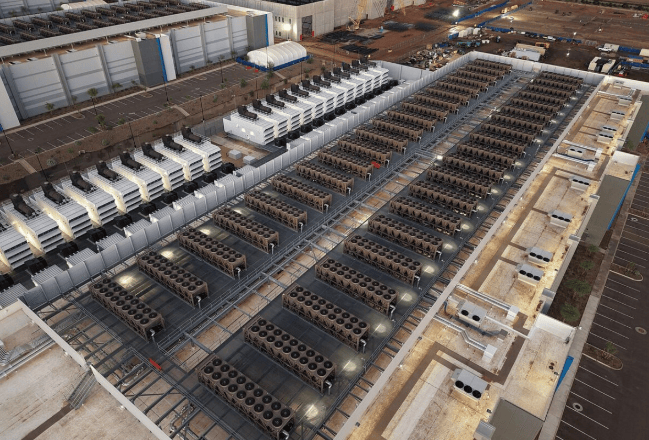
Against this backdrop, the Corporate Renewable Energy Supply Scheme (CRESS) has been launched, aiming to promote direct procurement of renewable energy. As of early 2026, CRESS projects plan for approximately 4 gigawatts, involving developers such as TNB Renewables and UEM Lestra. Participants are required to pay a System Access Charge (SAC), which serves as a regulatory tool to ensure cost recovery. However, the trajectory of the SAC is unclear; it may be revised every three years, with each revision allowing for an increase of up to 15%, impacting project economics.
The System Access Charge (SAC) has become central to the bankability of CRESS projects. Analysis by Aurora Energy Research shows that in the base case scenario, the SAC range, calculated at 2024 values, is RM 200-220 per megawatt-hour. Through scenario forecasting, stakeholders can assess the SAC pathway, incorporate it into long-term financial modeling, and reduce uncertainty. As Malaysia's digital economy and renewable energy capacity expand, transparent analysis is crucial for policy implementation. The System Access Charge (SAC) should be based on electricity market fundamentals to support sustainable growth.
Related Products

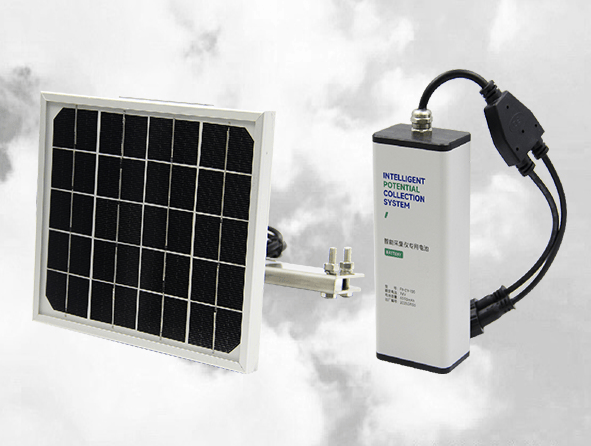
Inductive Power Harvesting Self-Powered Device - Safuneng
SELF ENERGY TECHNOLOGY (SHENZHEN) CO., LTD.
Aero Piston Engine - FF600 Two-Stroke Opposed Two-Cylinder Engine
China Times Prospect Science & Technology Co., Ltd.


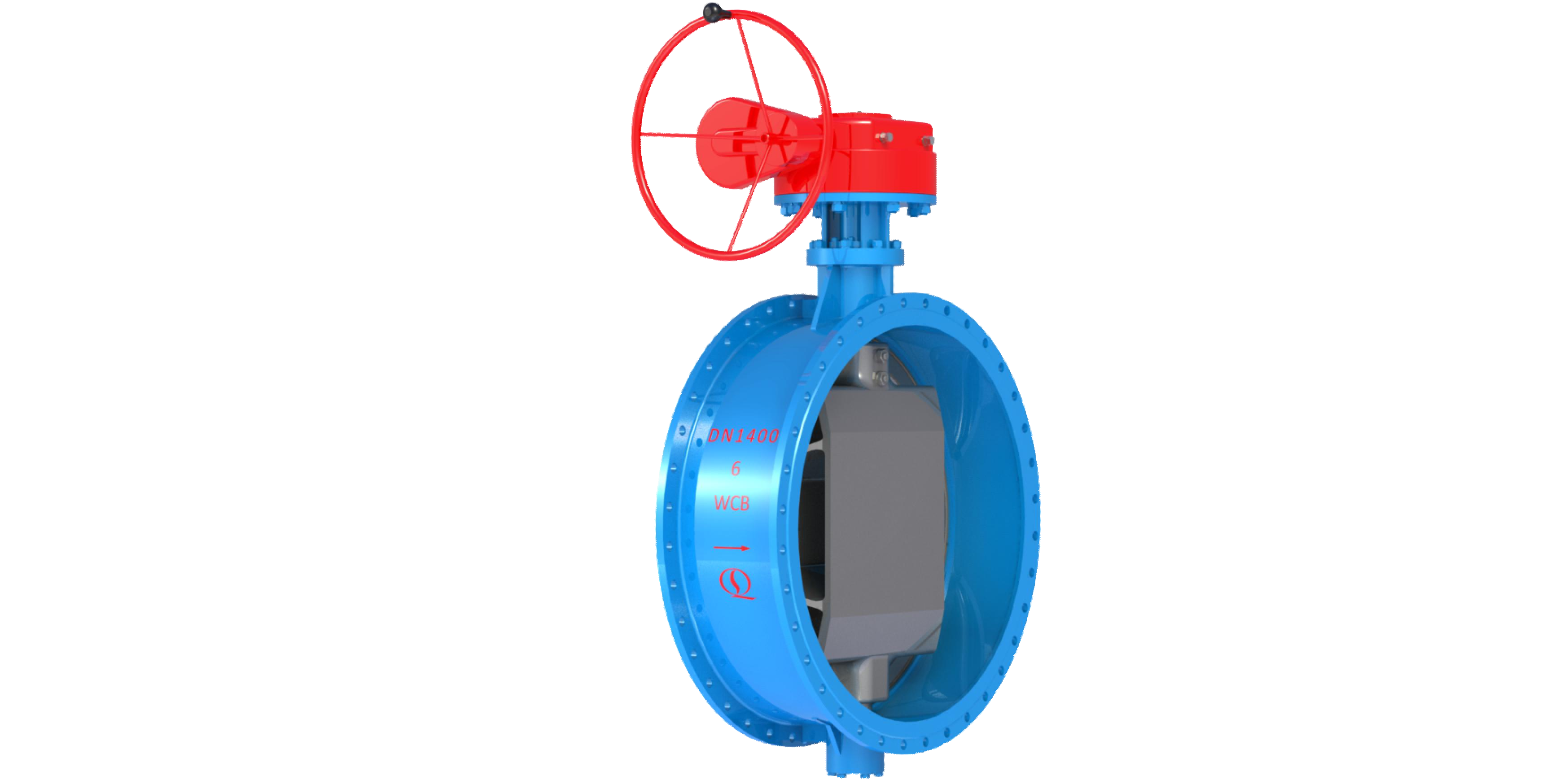
Bidirectional Metal Hard Sealed Seawater Butterfly Valve
Henan Quanshun Flow Control Science & Technology Co., Ltd.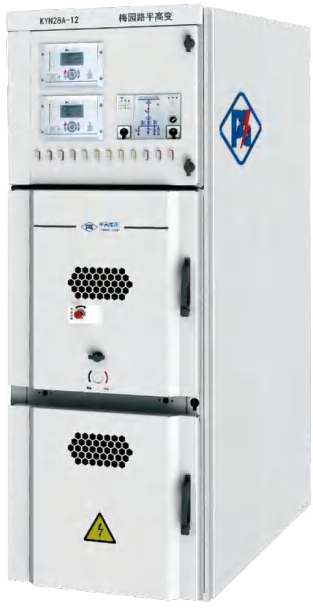
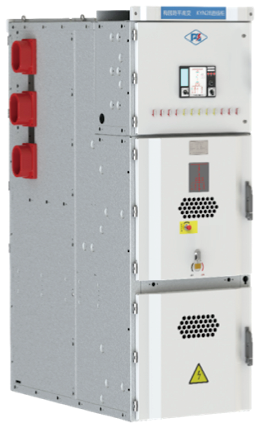
KYN28A-12 Metal Armored Removable Switchgear
Tianjin Ping Gao Intelligent Electric Co., Ltd.