Indian Domestic Aluminum Prices Rise Week-on-Week, Driven by LME Gains and Middle East Supply Concerns
Wedoany.com Report, On March 13, 2026, Indian domestic aluminum prices showed a week-on-week upward trend, primarily driven by higher aluminum futures prices on the London Metal Exchange (LME) and the Multi Commodity Exchange of India (MCX). Global supply concerns and geopolitical tensions were key factors pushing aluminum prices higher.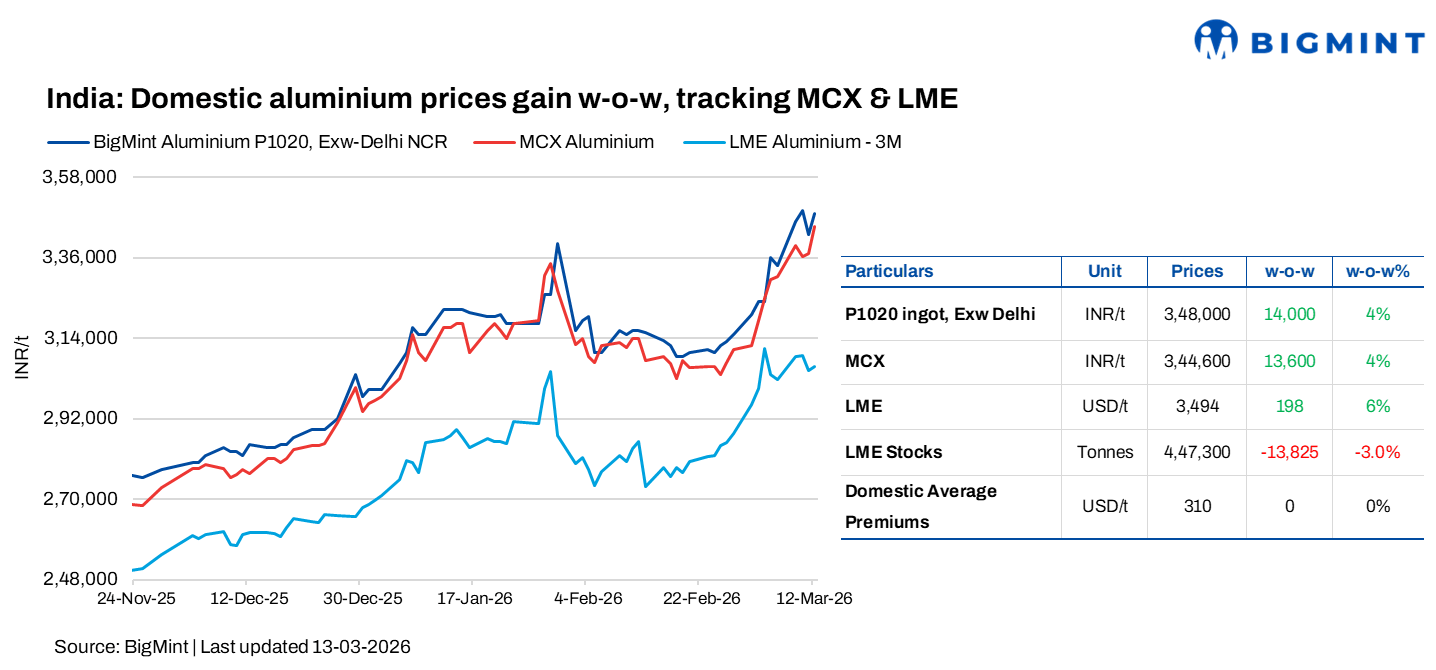
According to BigMint data, as of March 13, the price of P1020 aluminum ingots in the Delhi NCR region increased by INR 12,000/tonne week-on-week, a rise of approximately 3.6%, reaching INR 348,000/tonne. The Mumbai price rose by INR 17,000/tonne week-on-week, an increase of about 5%, reaching INR 355,000/tonne. Prices at both locations were INR 336,000/tonne and INR 338,000/tonne respectively in the previous week.
On domestic Indian exchanges, MCX aluminum futures prices increased by INR 13,600/tonne week-on-week, up 4%, to INR 344,600/tonne, indicating improved market sentiment. In the global market, LME's three-month aluminum price rose by $198/tonne week-on-week, a 6% increase, to $3,494/tonne, while LME-registered warehouse stocks fell by 13,825 tonnes week-on-week, a 3% decrease, bringing total inventories to 447,300 tonnes.
On March 9, 2026, LME aluminum prices hit a near four-year high, with the benchmark three-month contract reaching $3,544/tonne. Escalating tensions in the Middle East disrupted shipping through the Strait of Hormuz, a critical trade route for Gulf aluminum producers who account for about 9% of global aluminum output. Supply concerns intensified following the start of shutdowns at Qatalum and a force majeure declaration by Aluminium Bahrain, tightening global aluminum supply.
Commodities trader Mercuria plans to withdraw nearly 100,000 tonnes of aluminum from LME warehouses, a move occurring as aluminum premiums have surged in the US and Europe due to supply tightness. Major regional producers such as Emirates Global Aluminium, Aluminium Bahrain, and Qatalum face operational challenges, potentially further reducing market supply.
Indian primary aluminum producers may have limited direct impact from the US-Iran conflict, as most smelters rely on domestic power and source raw materials from non-GCC regions. Strong domestic demand and potentially reduced imports from the Middle East—which accounts for nearly 30% of India's aluminum ingot imports—could support local producers.
However, indirect cost pressures may arise from industrial natural gas supply constraints, rising coal prices, and tighter petcoke availability. Indian domestic aluminum premiums have stabilized at around $300-320/tonne above the LME cash price.
Reflecting the firm market trend, NALCO raised its primary aluminum ingot price from INR 347,200/tonne to INR 358,700/tonne on March 11. BALCO and Hindalco also increased their prices to INR 389,250/tonne and INR 387,250/tonne respectively on March 13.
The current market is exerting pressure on downstream aluminum producers, with IE07 aluminum ingot prices rising by about INR 32,000/tonne over the past 10 days, increasing manufacturers' input costs. Indian natural gas suppliers may limit industrial gas supply; aluminum processors reliant on LNG are currently receiving only about 80% of their contracted volume, forcing some producers to consider switching to fuel oil, which could raise operating expenses.
Industry participants believe that the fuel switch could increase finished product costs by approximately 20-25%. Export operations are facing disruptions, with closures at major UAE ports affecting shipments to the Middle East, currently impacting nearly 70% of exports for some producers.
Looking ahead, Indian domestic aluminum prices are expected to remain firm in the near term, supported by strong LME trends, declining global inventories, and ongoing geopolitical tensions affecting Middle East supply. However, volatility may persist as higher input costs, potential natural gas supply constraints, and export disruptions continue to pressure downstream producers and influence market sentiment.
Related Products

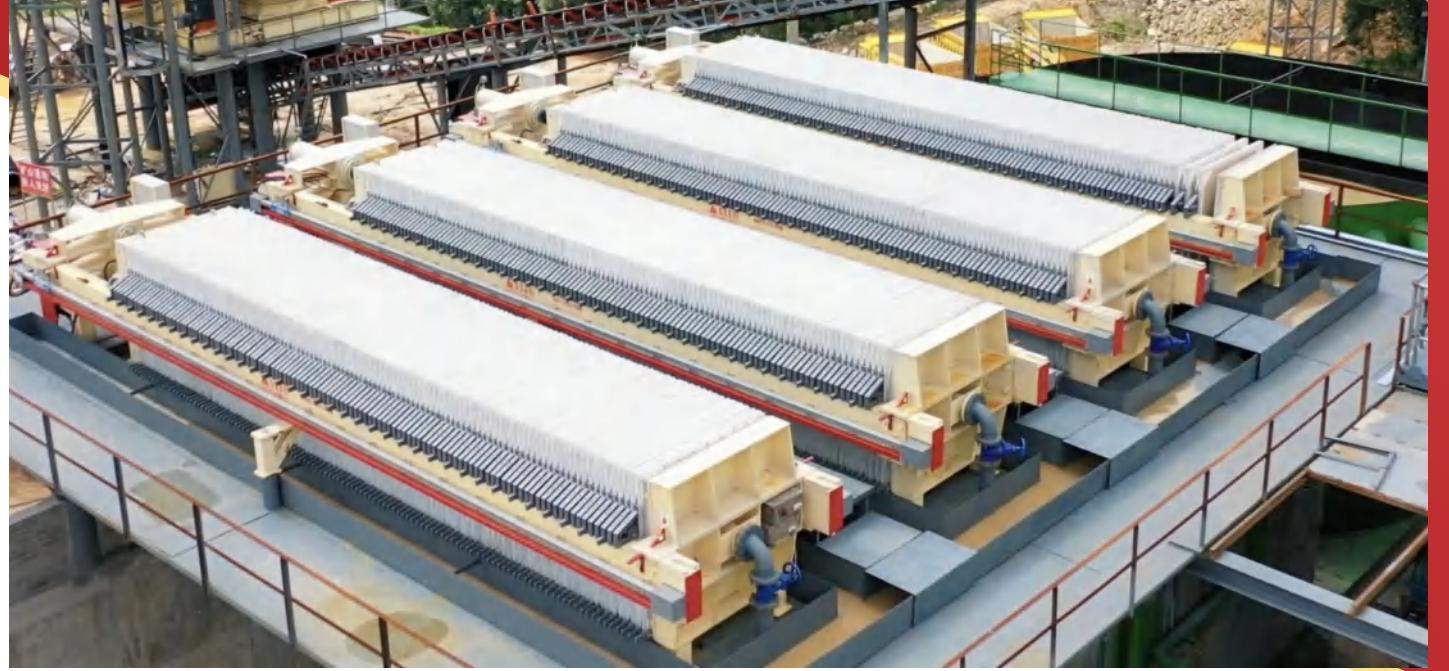
Hydraulic Plate and Frame Filter Press
Guangdong Leimeng Intelligent Equipment Group Co., Ltd.

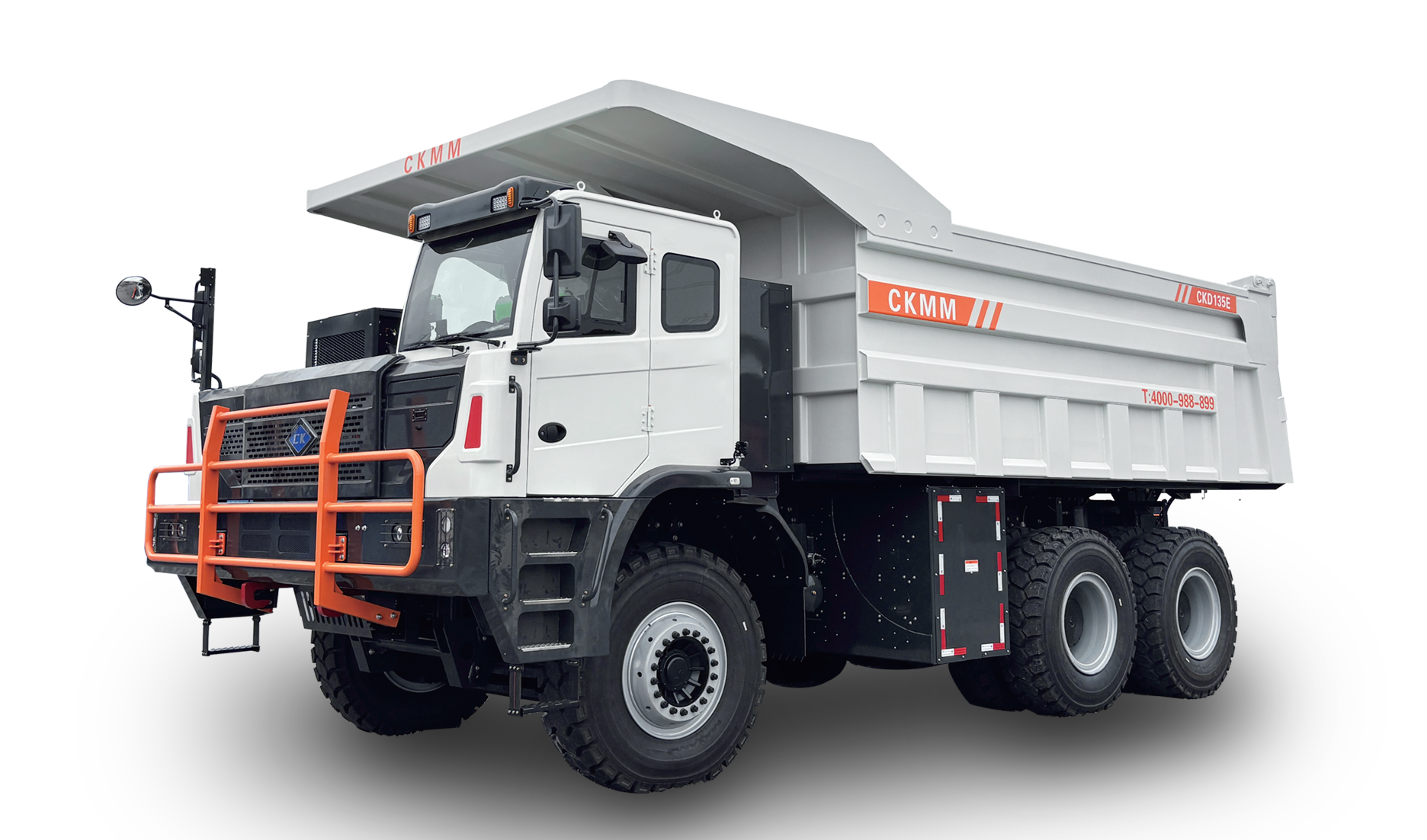
CKD135E Pure Electric Wide-body Dump Truck
Jiangsu Changkuang Engineering Machinery Co. Ltd.
Linyi Steel Investment Special Steel 2.7 Million Tons per Year High-quality Special Steel Project
Capital Engineering & Research Incorporation Limited

Industrial and Commercial Point-Type Gas Detector
Jinan Benan Technology Development Co., Ltd.
Mine Explosion-proof and Intrinsically Safe Industrial Ethernet Ring Network (10 Gigabit/Gigabit)
Chongqing Mas Sci&Tech Co., Ltd.
Yunnan Phosphorus Chemical Group Co., Ltd. 2 Million t/a Phosphorus Ore Mining and Beneficiation Project
China Bluestar Lehigh Engineering Corporation