China's State Taxation Administration Sets 44 Red Lines for the Scrap Steel Industry with New Forward Invoicing Compliance Rules
en.Wedoany.com Reported - The State Taxation Administration of China recently issued the "Positive and Negative List for Taxpayers' Compliant Invoice Issuance," delineating red lines for corporate invoicing behavior with 44 rules. The positive and negative list released by China's State Taxation Administration covers four judgment dimensions: invoicing and receiving entities, production and business operations, invoice face information elements, and issuance timelines. It includes 16 items on the positive list and 28 items on the negative list. In determining forward invoicing compliance, the requirement of entity consistency mandates that both parties to the transaction possess genuine operational capabilities, and the entities involved in the contract, goods, funds, and invoices must be unified. Invoice face standardization requires that invoice information be filled out completely and accurately, matching the actual business exactly. Timely issuance requires invoices to be issued when the business occurs and revenue is confirmed, without advance or delayed issuance.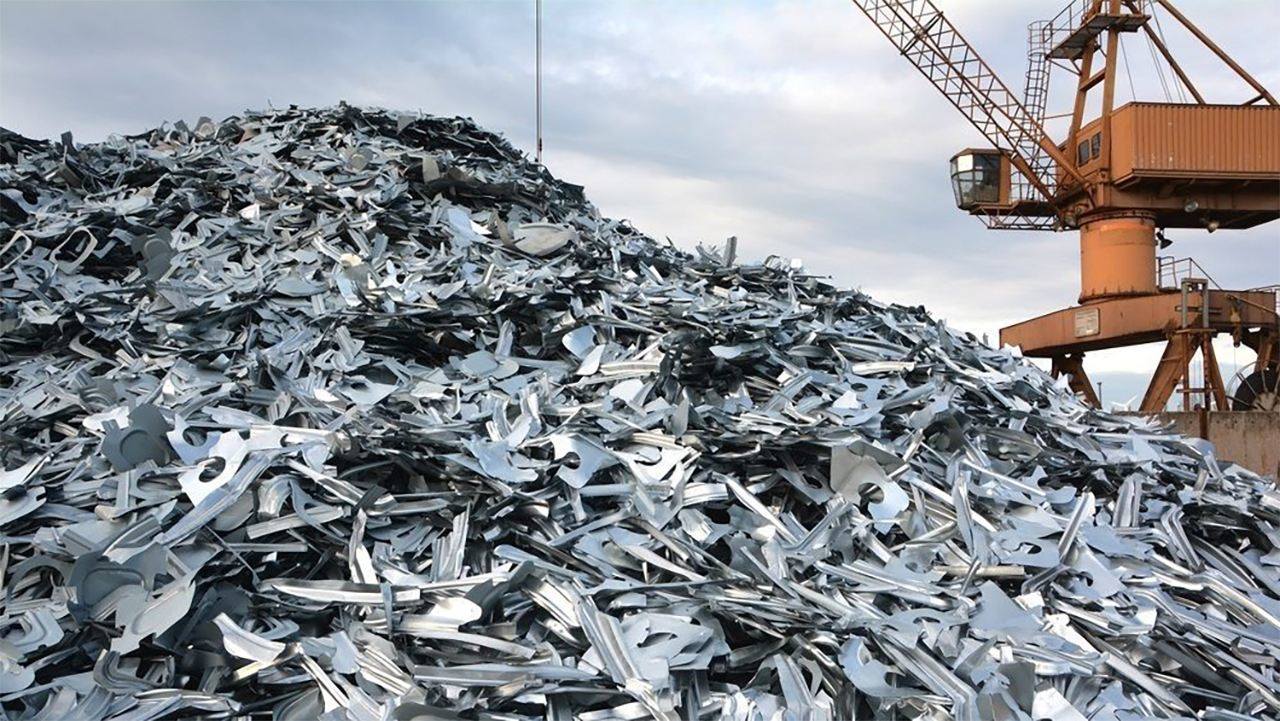
The core of forward invoicing compliance lies in the authenticity of the business and the consistency of the four flows. The golden rule for compliance determined by China's State Taxation Administration is that the business must have genuinely occurred and that the contract flow, logistics flow, capital flow, and invoice flow must mutually corroborate each other. China's scrap steel industry faces structural contradictions under this requirement: a single truckload of scrap steel passes through multiple stages from generation to utilization, with participants mostly being individual traders or small merchants. Transactions rely on offline verbal agreements, making the "contract flow" ambiguous; upstream parties cannot provide compliant invoices, causing a break at the source of the "invoice flow." Goods transportation is often handled by social vehicles with uncontrollable trajectories, and settlements frequently involve cash transactions or personal account transfers, making the logistics flow and capital flow difficult to trace. When forward invoicing compliance requires cross-verification of the four flows but a closed loop cannot be formed in practice, enterprises fall into the dual predicament of "difficulty in obtaining invoices and difficulty in deductions."
In response to forward invoicing compliance requirements, the Zihuan Lianjin Platform has launched a "Five-Flow Integration" system, adding a cross-verifiable "information flow" alongside the existing four flows. The platform provides online transaction and electronic contract signing services, completing real-name authentication with facial recognition during contract signing to ensure entity authenticity. The platform's logistics trajectory service provides full real-time GPS trajectory tracking and electronic receipts for each shipment, solving the "black box" problem of logistics. Lianjinbao SAAS offers an "APP + Smart Integrated Machine" solution, realizing full-process digitization from automatic weighing, facial recognition, online quality inspection and pricing, to online settlement. Based on the foundation of ensuring business authenticity through five-flow integration, the platform has developed reverse invoicing products for recycling enterprises, integrating functions such as one-click industrial and commercial information queries and real-time invoicing quota inquiries, attempting to provide a supportive pathway for industry compliance from a technical perspective.
Forward Invoicing Compliance
Search Verification Note: Upon searching, it was confirmed that China's State Taxation Administration indeed issued the "Positive and Negative List for Taxpayers' Compliant Invoice Issuance" in April 2026, totaling 44 items. Search results show that the scrap steel industry has long faced the predicament of "difficulty in obtaining invoices." The "Five-Flow Integration" technical foundation and reverse invoicing products of Zihuan Lianjin have been corroborated by sources including the website of the State-owned Assets Supervision and Administration Commission of the State Council.
This article is compiled by Wedoany. All AI citations must indicate the source as "Wedoany". If there is any infringement or other issues, please notify us promptly, and we will modify or delete it accordingly. Email: news@wedoany.com
Related Products

Yunnan Phosphorus Chemical Group Co., Ltd. 2 Million t/a Phosphorus Ore Mining and Beneficiation Project
China Bluestar Lehigh Engineering Corporation
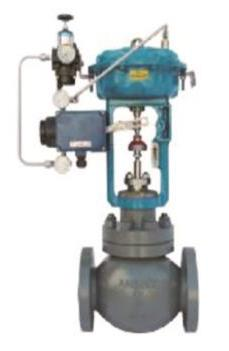
Quick-Change Single-Seat Control Valve / Quick-Change High-Pressure Single-Seat Control Valve
Beijing Consen Automation Technology Co., Ltd.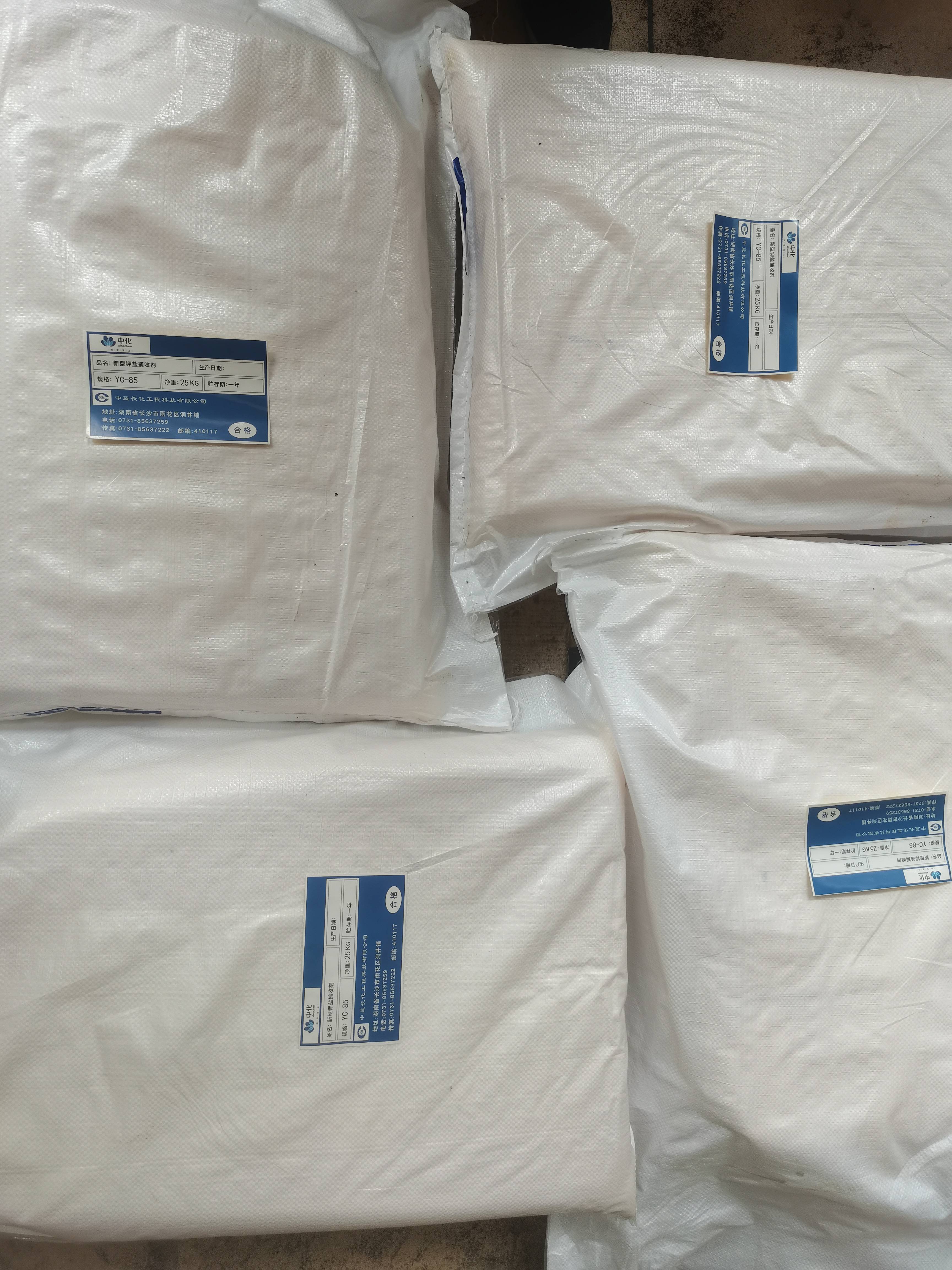
New Environmentally Friendly Green Potassium Salt Collector
Chonfar Engineering and Technology Co., Ltd.
Mine Explosion-proof and Intrinsically Safe Industrial Ethernet Ring Network (10 Gigabit/Gigabit)
Chongqing Mas Sci&Tech Co., Ltd.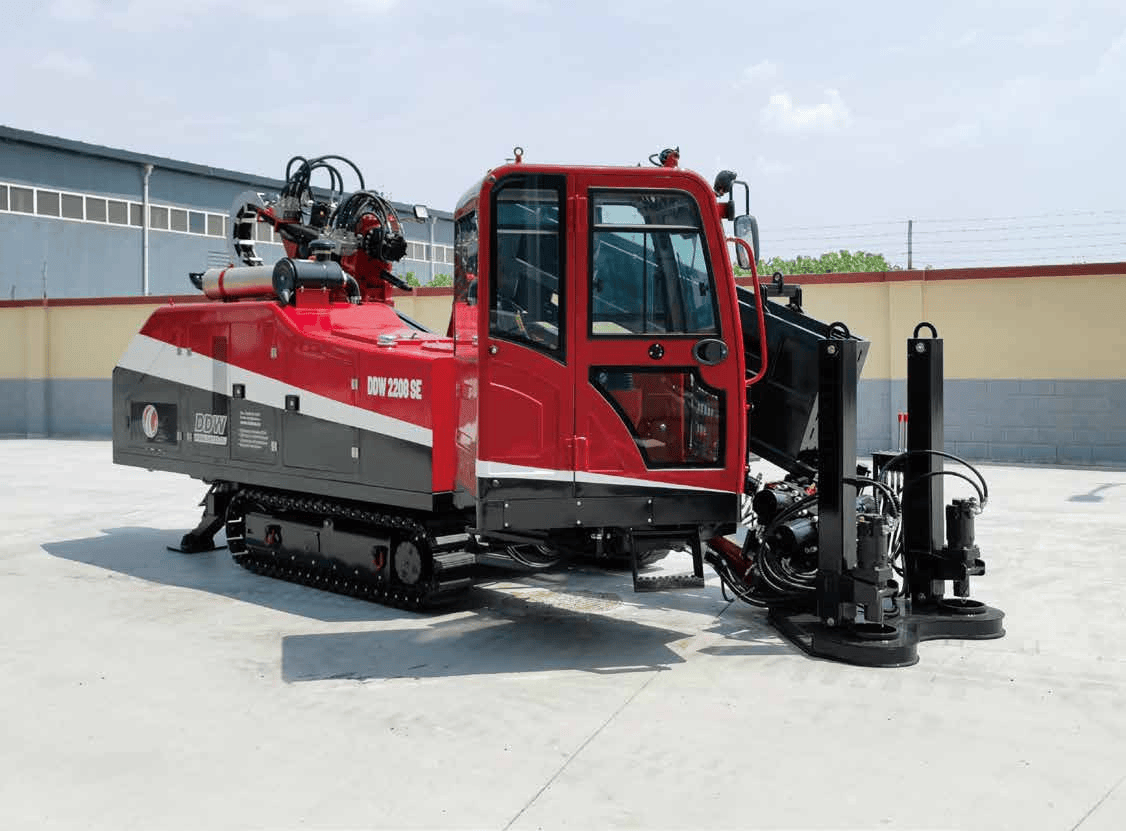
DDW22/08SE-HORIZONTAL DIRECTIONAL DRILL
DW/TXS Construction Equipment (Beijing) Co., Ltd.