Australia's E-Waste Recycling Market Projected to Reach $1.8 Billion by 2034
Wedoany.com Report on Mar 19th, Australia's e-waste recycling market is experiencing significant growth, with its market size expected to expand to $1.8014 billion by 2034. This trend is primarily driven by the dual forces of artificial intelligence technology applications and an increase in solar panel waste.
It is estimated that the market will be valued at $1.0346 billion in 2025, with a compound annual growth rate of 6.16% projected for the period from 2026 to 2034. Rising consumption of electronic devices and the introduction of stricter government disposal regulations are accelerating the demand for recycling solutions nationwide.
The amount of e-waste generated per person in Australia is approximately three times the global average, placing additional pressure on waste management systems. Solar panel waste has become a key growth factor, with its volume expected to increase from 59,340 tons in 2025 to 91,165 tons by 2030.
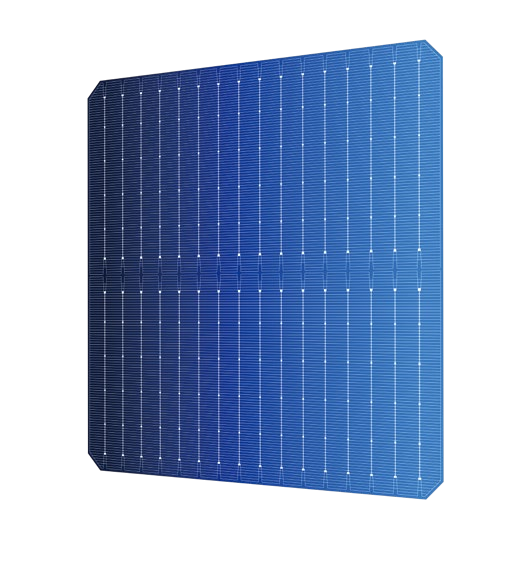
Although over 95% of solar panel components, such as aluminum, glass, copper, silver, and silicon, are recyclable, currently only about 5% are being recycled. With nearly 4 million units being removed from rooftops annually, this gap presents a significant commercial opportunity for recyclers to recover valuable materials from renewable energy infrastructure.
Artificial intelligence is transforming the operations of the e-waste recycling industry, particularly by improving efficiency and recovery rates through robotic sorting systems. These AI-driven technologies can automatically identify and separate materials within mixed waste streams with greater accuracy than manual processing.
For instance, companies such as TES Australia and Sims Metal are deploying integrated AI processing lines to enhance material recovery and certification standards. As of 2024, over 35% of businesses in Australia have integrated automation technologies, accelerating the industry's transformation.
Innovation in circular economy solutions is also expanding, including a micro-factory developed by the University of New South Wales that converts e-waste plastics into 3D printing filament. Operated in partnership with Renew IT in Sydney, this facility demonstrates new methods for handling difficult-to-recycle materials.
Digital traceability tools, such as platforms combining AI, blockchain, and the Internet of Things, are being adopted by companies like GreenBox Group to provide certified tracking of e-waste flows. These tools help businesses comply with Environmental, Social, and Governance (ESG) reporting requirements while meeting data security standards.
The IT and telecommunications sector continues to be the primary contributor to market revenue, due to high equipment refresh rates and institutional disposal volumes. Policy frameworks are also influencing market development, such as Victoria's implementation of a comprehensive e-waste landfill ban and Western Australia's introduction of new regulations in 2024.
At the regional level, New South Wales leads in market revenue, driven by population density and the expansion of recycling infrastructure in Sydney. The further application of AI-driven predictive tools is aiding in better planning of national collection systems and processing capacity.
Overall, the combination of technology and policy is transforming e-waste from an environmental burden into a growing economic opportunity.
Related Products

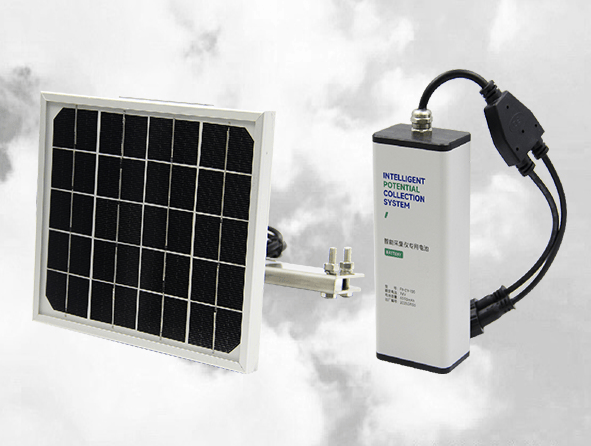
Inductive Power Harvesting Self-Powered Device - Safuneng
SELF ENERGY TECHNOLOGY (SHENZHEN) CO., LTD.

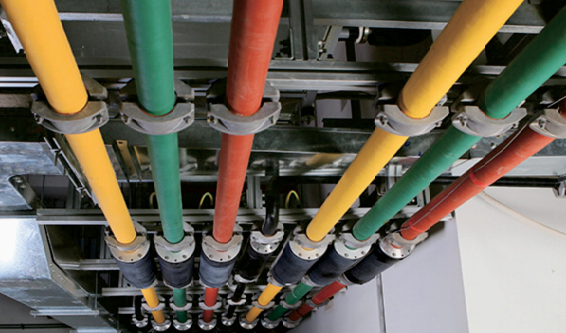
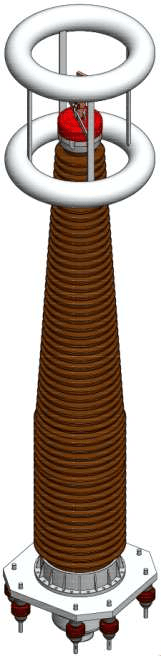
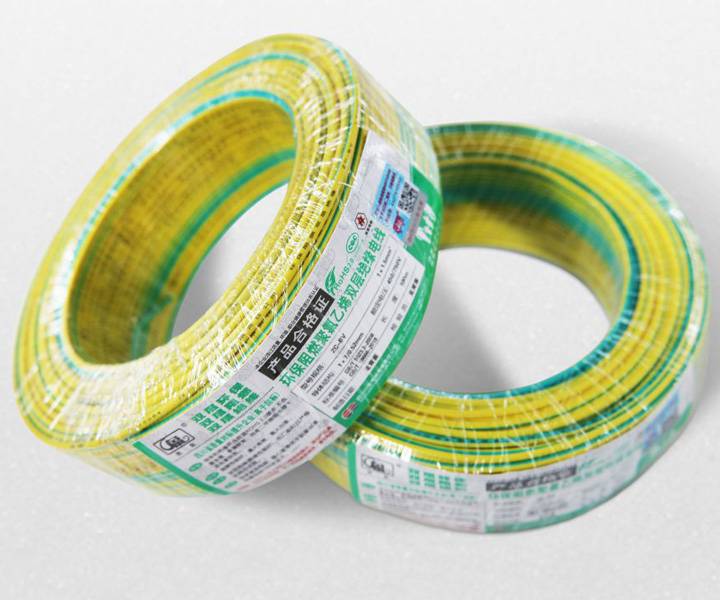
Environmentally Friendly Flame-retardant PVC Double-layer Insulated Wire
Sichuan Chndo Cable Co., Ltd.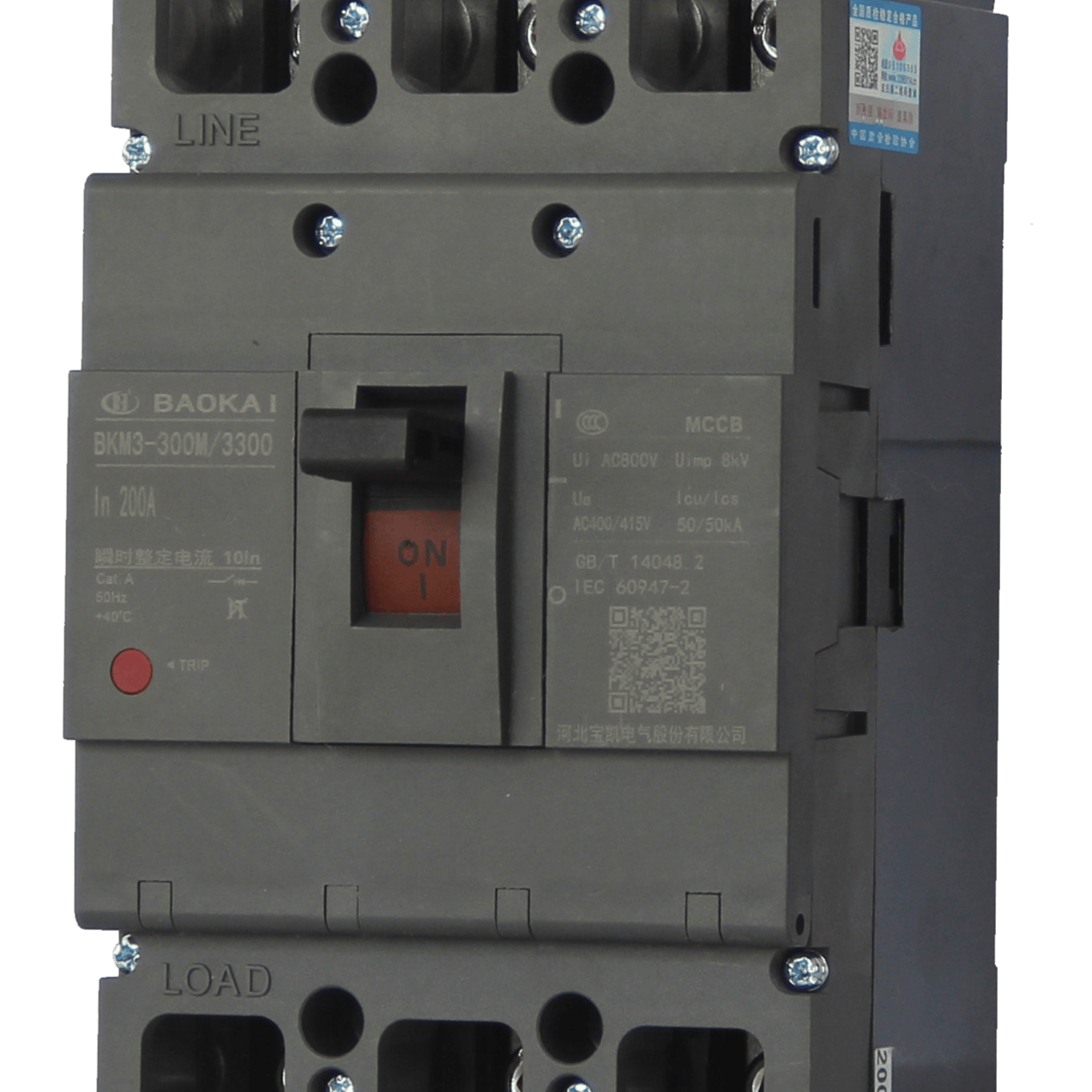
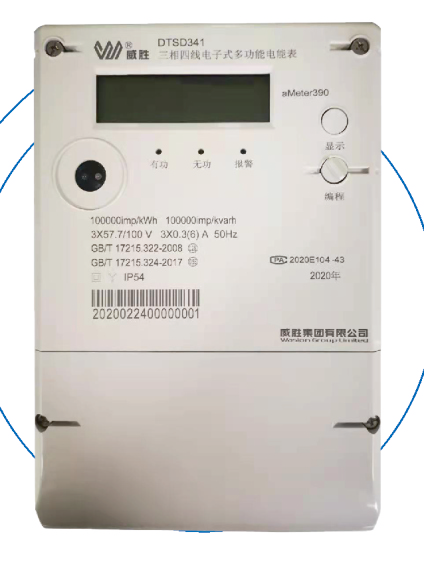
Overseas IEC Gateway Energy Meter - DTSD341/DSSD331-aMeter390
Wasion Group Limited Co., Ltd.